

If you’re ready to invest in a stem cell serum that goes beyond botanical extracts and marketing claims, Bradceuticals Gold Mesenchymal Stem Cell Growth Factor Serum is built on the same class of bioactive ingredients studied in peer-reviewed clinical research—mesenchymal stem cell-derived growth factors that directly signal fibroblasts to produce collagen, suppress the enzymes that degrade it, and support the biological processes that aging and UV exposure undermine. On its own it delivers measurable daily improvement. Applied immediately after microneedling, when microchannels allow the growth factors to bypass the skin’s barrier and reach the dermis directly, the results compound in ways that topical application alone simply cannot achieve.
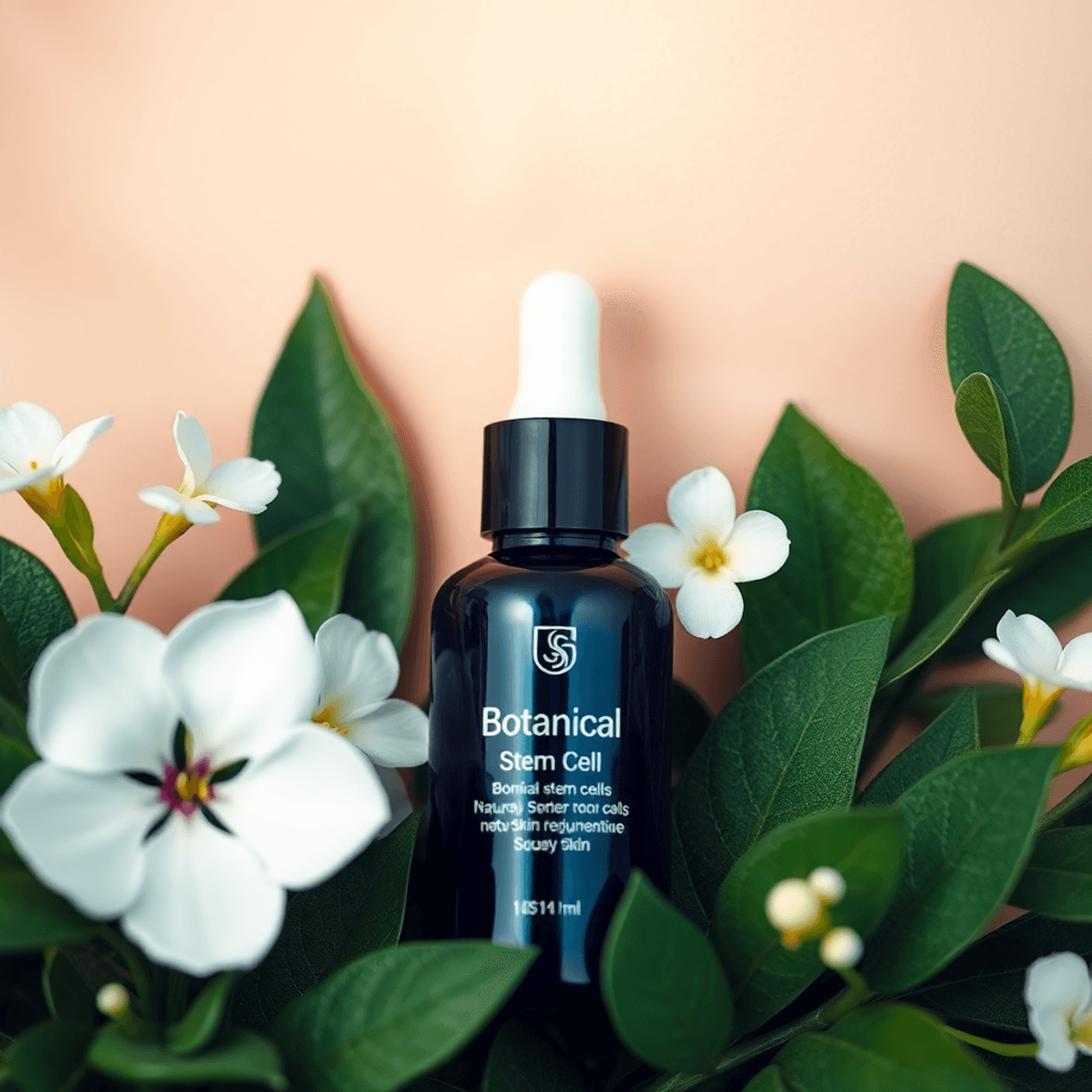
What Is a Stem Cell Serum—and What Does It Actually Contain?
The term “stem cell serum” encompasses a wide range of products with meaningfully different formulations. Understanding what distinguishes them helps you evaluate which ones are likely to deliver the results they claim.
A stem cell serum does not contain living stem cells. Viable stem cells cannot survive in a cosmetic formulation, and their direct use in topical products raises significant regulatory barriers. What the best stem cell serums deliver instead is the bioactive secretome of stem cells—the growth factors, cytokines, extracellular vesicles (exosomes), and structural proteins that stem cells release during laboratory culture, collectively called conditioned medium (CM).
Twenty years ago, revolutionary skincare was introduced containing the supernatant of a scaffold of cultured neonatal human fibroblasts, ushering in the biologics era in topical aesthetics. Over 110 active growth factors were identified, and the resulting skincare product was heralded as a breakthrough still in use today. More recently it was discovered that this same product also contained extracellular vesicles, and that some of the effects previously attributed to growth factors may also have been due to these vesicles.
The most scientifically substantiated stem cell serums use human mesenchymal stem cell (MSC)-derived conditioned medium as their foundation—the same class of bioactive material studied in clinical dermatology research. Plant-derived stem cell extracts offer antioxidant benefits but produce a fundamentally different and less characterized biological payload than human MSC-derived growth factors.
Bradceuticals Gold sits firmly in the MSC-derived growth factor category, making it directly comparable to the products studied in the clinical research cited throughout this article.
The Biology of Skin Aging That a Stem Cell Serum Targets
To understand why a well-formulated stem cell serum works, you need to understand what aging actually does to skin at the cellular level.
Aged dermis exhibits prominent clinical features including decreased dermis thickness, reduced resilience, and mechanical force with wrinkled and flabby appearance. These changes are related to the loss of extracellular matrix components during aging, due to a reduced synthesis and enhanced degradation of ECM in aged fibroblasts. SASP components like matrix metalloproteinases, which directly cleave collagen fibrils, play a significant role in ECM degradation during aging.
Aged skin exhibits collagen degradation, reduced fibroblast activity, impaired wound healing, and increased senescence of dermal and epidermal cells, contributing to loss of elasticity, thinning, and the formation of wrinkles. The accumulation of senescent cells, particularly in the dermis, exacerbates chronic inflammation, further accelerating aging-related skin degeneration.
A stem cell serum formulated with MSC-derived growth factors addresses this cellular environment directly—delivering the signaling molecules that reverse fibroblast suppression, upregulate collagen gene expression, and reduce the MMP activity that degrades existing structural proteins.
8 Evidence-Based Reasons a Stem Cell Serum Belongs in Your Anti-Aging Routine
1. A Stem Cell Serum Stimulates Collagen Synthesis at the Fibroblast Level
The most fundamental benefit of a high-quality stem cell serum is its ability to directly activate the fibroblasts responsible for collagen and elastin production.
Adipose-derived MSCs have been found to activate the proliferation of human dermal fibroblasts, regulate collagen synthesis, reduce the production of matrix metalloproteinases, and protect human dermal fibroblasts from UV-induced oxidative stress—demonstrating multiple complementary mechanisms by which stem cell-derived factors delay skin aging.
When human skin was exposed to MSC conditioned medium-derived extracellular vesicles, they were not only incorporated into the skin but produced statistically significant increases in Collagen 1 and 3, and elastin, as well as reductions in MMPs—exceeding the effects of the conditioned medium alone, suggesting that the vesicle fraction carries additional regenerative activity.
2. It Targets Cell Senescence—the Root Driver of Aging Skin
One of the most significant advances in understanding why a stem cell serum can be more effective than conventional anti-aging products is the recognition that cell senescence—not just collagen loss—is a primary driver of visible skin aging.
A 24-week placebo-controlled clinical study of a topical growth factor-based serum developed from human fibroblast conditioned media found that treatment resulted in reduced expression of cell senescence biomarker H2A.J and upregulation of genes associated with proteasome activity, autophagy, stemness, and intercellular communication—alongside significantly greater reductions in sagging, coarse lines, fine lines, overall photodamage, and hyperpigmentation compared with placebo. Subjects reported a median decrease in self-perceived age of six years after 12 weeks of use.
No retinoid, vitamin C serum, or peptide complex has been shown to address cellular senescence at this level. This is what distinguishes a properly formulated stem cell serum from conventional anti-aging skincare.
3. Exosomes in a Stem Cell Serum Deliver Active Cargo Directly Into Cells
The most recent generation of stem cell serum formulations includes exosome fractions—nano-sized extracellular vesicles derived from MSCs that carry growth factors, mRNA, miRNA, and signaling proteins directly into target cells.
Adipocyte-derived MSC extracellular vesicles were shown to improve human fibroblast migration, increase production of collagen type I, and reduce markers of inflammation and senescence. In a separate study, adipose-derived stem cell EVs paired with antioxidants reduced reactive oxygen species by 38%—significantly more than EVs or antioxidants used independently, indicating synergy between the exosome fraction and complementary active ingredients.
4. A Stem Cell Serum Combined With Microneedling Produces Amplified Results
The clinical case for pairing a stem cell serum with microneedling is among the strongest in the entire stem cell skincare literature. Microneedling creates temporary microchannels through the stratum corneum—the principal barrier to topical delivery—dramatically increasing the depth and concentration at which serum actives reach the dermis.
A novel growth factor-based stem cell serum developed from human fibroblast conditioned media demonstrated treatment results that improved progressively from week 2 through week 24, with significantly greater reductions in sagging, lines, and overall photodamage than placebo—findings that support the value of combining enhanced delivery methods with growth factor serums for maximum structural impact.
Applied immediately post-microneedling, Bradceuticals Gold’s growth factor complex reaches the fibroblasts in the upper dermis at the precise moment when the skin’s repair cascade is most active—amplifying every benefit that microneedling initiates.
5. It Supports Barrier Repair and Anti-Inflammatory Defense
Beyond collagen synthesis, a stem cell serum delivers meaningful benefits for skin barrier integrity and inflammatory management—two functions that decline with age and UV exposure.
MSC conditioned medium-derived extracellular vesicles reduce reactive oxygen species and inhibit expression of proteins associated with inflammation and cellular senescence. In preclinical work, EVs derived from mesenchymal stem cells resulted in reduced fibrotic wound healing, increased collagen synthesis, improved macrophage function, enhanced epithelial regeneration, and optimized collagen deposition.
These anti-inflammatory effects are particularly relevant for skin compromised by UV exposure, environmental stress, or post-procedure recovery—all contexts where Bradceuticals Gold delivers its greatest benefit.
6. Results From a Stem Cell Serum Are Clinically Measurable
The improvements produced by a well-formulated stem cell serum are not anecdotal—they are quantifiable in controlled clinical settings.
A randomized controlled trial of adipose stem cell-conditioned medium in 64 photoaged patients found that the treatment group showed significantly higher improvements across multiple parameters including pore size, wrinkle depth, spot polarization, UV spot parameters, and skin tone compared to the vehicle control group—demonstrating that MSC-derived serum formulations produce clinically meaningful, objectively measurable improvements.
7. A Stem Cell Serum Addresses Multiple Hallmarks of Aging Simultaneously
Single-ingredient anti-aging products address one pathway. A stem cell serum formulated with a full growth factor complex addresses multiple aging mechanisms simultaneously.
The present study shows for the first time the potential effects of a topical growth factor-based cosmeceutical on cellular processes related to four hallmarks of aging: cellular senescence, loss of proteostasis, stem cell exhaustion, and altered intercellular communication—demonstrating that targeting the biological mechanisms underlying aging itself, rather than its surface manifestations, produces rapid and significant clinical improvements.
This multi-target approach is the scientific reason why a high-quality stem cell serum outperforms conventional single-active anti-aging products in clinical comparisons.
8. Consistent Use Produces Compounding Improvements Over Time
A stem cell serum rewards commitment. The regenerative signaling it delivers accumulates across weeks and months of consistent use, as successive rounds of fibroblast activation build increasingly organized collagen architecture and progressively reduce senescent cell burden.
Recent research combining hydrolyzed collagen oligopeptides with umbilical cord MSC-derived exosomes demonstrated enhanced cell proliferation, migration, and collagen production while reducing cellular aging markers—with the synergistic effects offering promising insights into the development of novel anti-aging skincare that compounds its benefits with sustained application.
How to Use a Stem Cell Serum for Maximum Results
For daily use: Apply Bradceuticals Gold to clean, dry skin after any water-based essences and before moisturizer. Allow it to absorb fully—approximately 60 seconds—before layering additional products. Consistent twice-daily use is more important than any single application for building cumulative collagen response.
For post-microneedling use: Apply immediately after your session, while microchannels remain open. Press gently into the skin using patting motions—do not rub freshly treated tissue. Follow with a gentle ceramide moisturizer and introduce mineral SPF as the skin barrier stabilizes.
Ingredient compatibility: A stem cell serum is compatible with hyaluronic acid, peptides, and ceramides. Introduce retinoids or vitamin C alongside your stem cell serum gradually if using them in the same routine, and allow at least 10–14 days post-microneedling before reintroducing these actives.
Sun protection: Apply broad-spectrum SPF 30 or higher every morning. UV exposure generates the oxidative stress and MMP activity that your stem cell serum is working to counteract—undermining it with unprotected sun exposure defeats the purpose of the entire protocol.
Choosing a Stem Cell Serum: What Actually Matters
The stem cell serum market is crowded, and not all products are equivalent. Here is what separates effective formulations from marketing exercises:
Human MSC-derived conditioned medium carries a fundamentally different and more clinically relevant bioactive profile than plant-derived stem cell extracts. Look for transparency about the stem cell source and the growth factor content. A serum format penetrates more efficiently than a cream for delivering large protein molecules to the dermis. Fragrance-free, alcohol-free formulas minimize irritation risk on already-compromised skin. Products that disclose their formulation process and cite published research on their ingredient class offer more credibility than those relying solely on proprietary claims.
Bradceuticals Gold meets each of these criteria—and is specifically designed for the post-microneedling application window where the science consistently shows the greatest impact.
Frequently Asked Questions
Does a stem cell serum contain actual stem cells? No. A stem cell serum contains the bioactive secretions of stem cells—growth factors, cytokines, and extracellular vesicles—not living cells. This is by design. The secreted molecules, not the cells themselves, are what drive skin regeneration and can be formulated stably into cosmetic serums.
Can a stem cell serum reverse aging? The visible signs of aging—wrinkles, loss of firmness, uneven tone, rough texture—can be substantially improved with consistent use of a well-formulated stem cell serum. Clinical research supports meaningful improvements in collagen production, dermal density, and multiple photoaging parameters. Whether this constitutes “reversing” aging depends on how you define the term—cellular senescence markers can be reduced, and structural improvements in the dermis are measurable, but not all aging-related cellular changes are fully reparable.
What makes Bradceuticals Gold different from other stem cell serums? Bradceuticals Gold is formulated with mesenchymal stem cell-derived growth factors—the most clinically studied and biologically relevant source for skin applications—in a serum format specifically optimized for post-microneedling delivery. It combines hydration from hyaluronic acid with active regenerative signaling that no plant stem cell extract serum can replicate.
How long does it take to see results from a stem cell serum? Surface improvements in hydration and texture may be noticeable within two to four weeks. Structural improvements—wrinkle reduction, increased firmness, improved dermal density—develop progressively over three to six months of consistent use.
Is a stem cell serum suitable for sensitive skin? MSC-derived growth factors are human-derived signaling molecules and are generally very well-tolerated across skin types, including sensitive skin. The key is confirming that the formula does not contain fragrances, alcohol, or other potential sensitizers alongside the active stem cell fraction.
Should I use a stem cell serum before or after moisturizer? Apply your stem cell serum before moisturizer. Serums have smaller molecular payloads and penetrate more efficiently on bare skin. Apply, allow to absorb for approximately 60 seconds, then layer moisturizer to seal in the active ingredients and support the barrier.
What skin concerns does a stem cell serum address? A well-formulated stem cell serum addresses wrinkles and fine lines through collagen induction, loss of firmness through fibroblast activation, hyperpigmentation through reduction of inflammation and oxidative stress, rough texture through enhanced cellular turnover, and skin barrier compromise through anti-inflammatory cytokines and barrier-supporting structural proteins.
References
- Ogawa R et al. Regenerative topical skincare: stem cells and exosomes. Front Med (Lausanne). 2024. PMC11518787. https://pmc.ncbi.nlm.nih.gov/articles/PMC11518787/
- Cohen BE, Elbuluk N. Targeting multiple hallmarks of skin aging: preclinical and clinical efficacy of a novel growth factor-based skin care serum. Dermatol Ther (Heidelb). 2023. PMC9823186. https://pmc.ncbi.nlm.nih.gov/articles/PMC9823186/
- Alquraisy A et al. A comprehensive review of stem cell conditioned media role for anti-aging on skin. Stem Cells Cloning. 2024. PMC11416772. https://pmc.ncbi.nlm.nih.gov/articles/PMC11416772/
- Rodrigues M et al. Applications of mesenchymal stem cells in skin regeneration and rejuvenation. NPJ Regen Med. 2021. PMC7957487. https://pmc.ncbi.nlm.nih.gov/articles/PMC7957487/
- Zhang J et al. Aging in the dermis: fibroblast senescence and its significance. Aging Cell. 2024. PMC10861215. https://pmc.ncbi.nlm.nih.gov/articles/PMC10861215/
- Li Z et al. Advances in mesenchymal stem cell and exosome-based therapies for aging and age-related diseases. Front Aging. 2025. PMC12296599. https://pmc.ncbi.nlm.nih.gov/articles/PMC12296599/
- Prakoeswa CRS et al. The effect of human adipose stem cell-conditioned medium in photoaged skin. J Stem Cells Regen Med. 2024. PMC11750066. https://pmc.ncbi.nlm.nih.gov/articles/PMC11750066/
- Gui Q et al. Extracellular vesicles derived from mesenchymal stem cells: the wine in Hebe’s hands to treat skin aging. Precis Clin Med. 2024;7(1):pbae004. https://academic.oup.com/pcm/article/7/1/pbae004/7613932
Disclaimer: This article is intended for educational and informational purposes only and does not constitute medical advice. Bradceuticals products are cosmeceutical formulations and are not intended to diagnose, treat, cure, or prevent any disease. Consult a licensed dermatologist or healthcare provider for personalized skincare guidance.
Last Reviewed: March 2026
About Bradceuticals : Thuy Myers is the founder of Bradceuticals which manufactures and distributes skin care and hair regrowth serums that use growth factors from human stem cells as the catalyst for regeneration. When she is not busy running the business and maintaining blogs, she is continuing her practice as a semiconductor engineer and occasionally teaches college engineering. In her free time, she enjoys the beach, working out at the gym and hanging out with her kiddo Brad.