

The serum you apply immediately after a microneedling session is not an afterthought—it is the most strategically important skincare decision of your entire routine. Bradceuticals Gold Mesenchymal Stem Cell Growth Factor Serum is one of the few professional microneedling serums formulated around the same class of bioactive ingredients studied in peer-reviewed clinical trials—MSC-derived growth factors that directly stimulate fibroblast activity, suppress collagen-degrading enzymes, and amplify the repair cascade that microneedling initiates. It delivers excellent results as a daily serum applied to damp, dewy skin. But in the post-microneedling window, when microchannels allow it to bypass the stratum corneum and reach the dermis, it operates at an entirely different level—and the results compound from session to session.
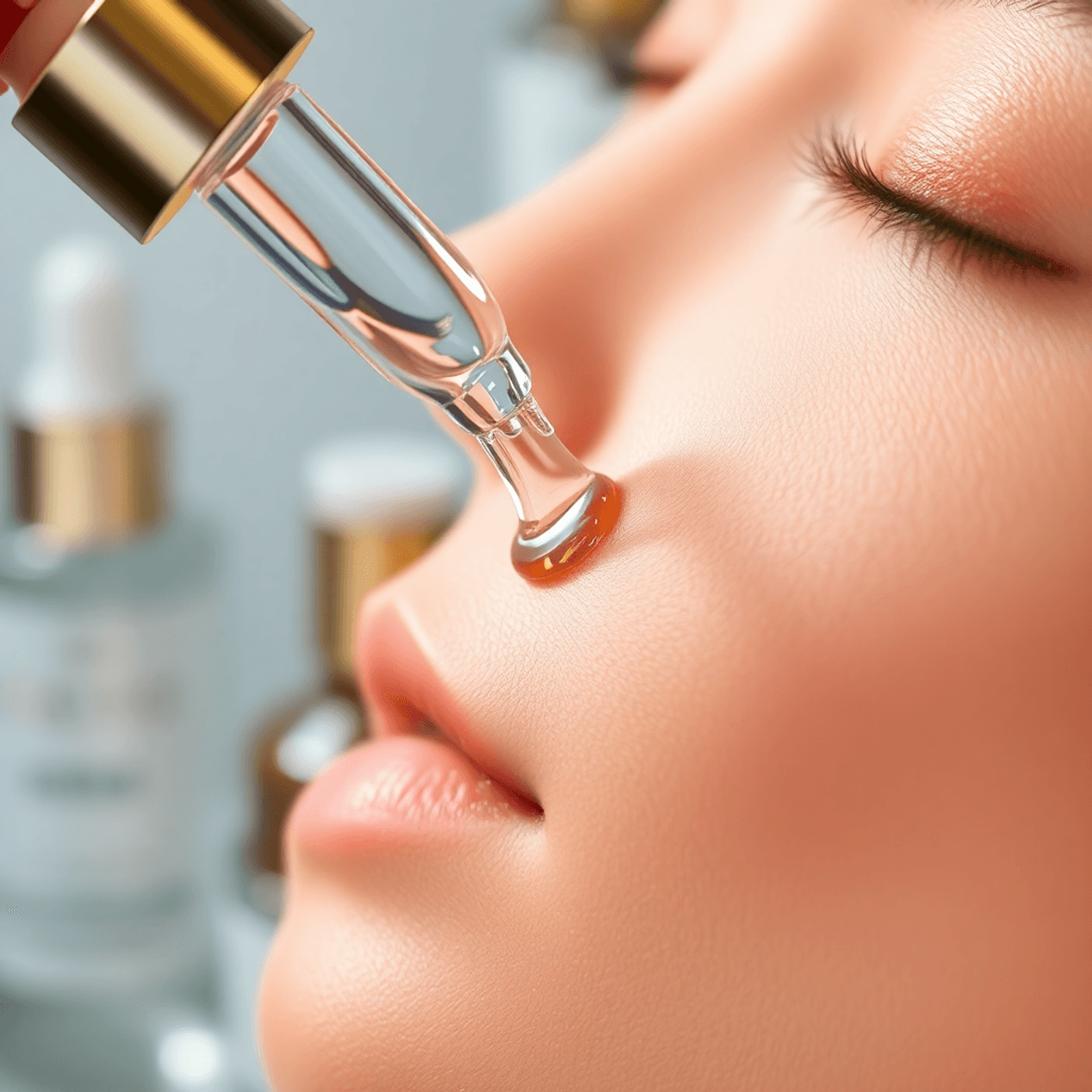
Why Serum Selection Is the Most Underappreciated Part of Microneedling
Microneedling produces two simultaneous effects: it triggers a collagen induction cascade by creating controlled micro-injuries, and it temporarily transforms the skin’s delivery architecture. The micro-channels created during microneedling allow for significantly better penetration of topical agents such as serums containing vitamins or growth factors, and this enhanced absorption substantially increases the efficacy of these treatments—making serum selection a clinically meaningful decision rather than a cosmetic preference.
Microneedling leads to reorganization of old collagen fibers and laying down of new collagen, elastin, and capillaries. A significant increase in collagen types I, III, and VII, newly synthesized collagen, and tropoelastin from baseline was observed after six microneedling sessions at two-week intervals—effects that are enhanced when the procedure is combined with topical active serums applied post-treatment.
The serum applied in this window is not simply absorbed more deeply. It participates in the biological repair process the microneedling set in motion. This is why professional microneedling serums formulated with the right bioactive ingredients produce meaningfully superior outcomes to generic moisturizers or basic hyaluronic acid products applied post-procedure.
What Makes Professional Microneedling Serums Different From Ordinary Serums
Professional microneedling serums are formulated specifically for the post-procedure delivery window—with ingredients that benefit from deep dermal penetration and that support rather than interfere with the skin’s active healing response.
The fundamental difference lies in what the serum delivers to the dermis. An ordinary moisturizing serum provides surface hydration. Professional microneedling serums deliver bioactive cargo—growth factors, cytokines, peptides, and hyaluronic acid—that directly communicate with fibroblasts, keratinocytes, and immune cells in the treatment zone. When these molecules reach the dermis through open microchannels rather than encountering the intact stratum corneum, the biological impact is categorically different.
Combining microneedling treatment with the immediate post-procedure application of serums that include vitamins A and C—or targeted growth factors—enhances the regenerative process of microneedling-induced wound healing and leads to greater clinical and histologic outcomes.
Bradceuticals Gold is the professional microneedling serum that embodies this principle: applied to damp, dewy skin immediately after your session, its MSC-derived growth factor complex reaches the dermis through open microchannels and augments the collagen induction response that microneedling initiates.
Key Ingredients to Look for in Professional Microneedling Serums
Mesenchymal Stem Cell-Derived Growth Factors
The most clinically substantiated ingredient category in professional microneedling serums is MSC-derived growth factors—the bioactive secretome of mesenchymal stem cells including EGF, bFGF, TGF-β, VEGF, and HGF.
The use of growth factors with microneedling shows encouraging results for collagen remodeling. A case series of topical growth factor application to photodamaged skin after microneedling—with the growth factor gel containing epidermal growth factor, fibroblast growth factor, hepatocyte growth factor, and insulin-like growth factor—resulted in significant improvement in texture, fine lines, and wrinkles by independent physician clinical evaluation via the Fitzpatrick Wrinkle Scale.
While microneedling alone improved skin in several parameters, the addition of a novel growth factor complex to microneedling helped improve skin texture and hydration to a higher degree—supporting the clinical rationale for using growth factor-containing professional microneedling serums as the standard of care rather than the exception.
Hyaluronic Acid—Multi-Molecular Weight
Hyaluronic acid is a foundational ingredient in professional microneedling serums for two reasons: it provides immediate deep hydration through the open microchannels, and it supports the extracellular matrix environment in which new collagen organizes during healing. Multi-molecular weight formulations deliver both surface moisture retention (high molecular weight) and deeper epidermal penetration (low molecular weight), maximizing the hydration benefit of the post-procedure window.
MSC-Derived Exosomes
Exosomes—nano-sized extracellular vesicles derived from mesenchymal stem cells—represent the next tier of professional microneedling serums. These carry growth factors, mRNA, miRNA, and structural proteins directly into target cells, amplifying the regenerative signal beyond what soluble growth factors alone can achieve.
A randomized, controlled, blinded split-face study of 25 women found that microneedling combined with human stem cell conditioned medium produced statistically significant improvements in pigmentation and wrinkles compared to microneedling alone by both physician global assessment and objective non-invasive skin measurements—confirming that stem cell-derived serums used in conjunction with microneedling deliver superior outcomes to the procedure alone.
Soothing and Barrier-Supporting Agents
Professional microneedling serums should not only deliver active ingredients—they should actively support the healing environment. Centella Asiatica extract promotes wound healing and reduces inflammation. Panthenol (vitamin B5) provides deep hydration and supports barrier recovery. Niacinamide (vitamin B3) reduces redness, improves skin barrier function, and provides anti-inflammatory benefit.
These ingredients do not compete with growth factors—they complement them, creating conditions that allow the collagen induction response to proceed with minimal inflammatory interference.
5 Reasons Professional Microneedling Serums With Growth Factors Outperform All Others
1. They Deliver Bioactive Ingredients to the Dermis—Not Just the Surface
Under normal skin conditions, the stratum corneum is an effective barrier against most topical actives. Microneedling bypasses this barrier. Professional microneedling serums formulated to take advantage of this window deliver growth factors, peptides, and regenerative proteins to the upper dermis—where fibroblasts, the cells responsible for collagen production, actually reside.
A randomized controlled split-face study found that physician global assessment of brightness and skin texture showed significantly greater improvements following microneedling combined with human umbilical cord-derived MSC conditioned media compared to microneedling alone—with representative images revealing larger improvement in pores and periocular wrinkles in the combination group.
2. They Continue Collagen Synthesis After the Procedure Ends
Microneedling initiates the collagen induction cascade, but its window of active stimulation is finite. Professional microneedling serums containing growth factors extend and amplify this collagen synthesis signal, effectively multiplying the productive output of each session.
In a study analyzing the effects of microneedling with topical growth factors, researchers found that adding growth factors augments collagen remodeling. Four months after patients were treated with fractional laser followed by growth factor serums, measurable improvements in collagen organization and dermal structure continued to develop—confirming that growth factor serums extend the productive collagen synthesis window beyond what the procedure alone achieves.
3. They Reduce Recovery Time by Supporting Controlled Inflammation
The inflammation that follows microneedling is necessary—but excessive or prolonged inflammation undermines results and extends downtime. Growth factor-containing professional microneedling serums help modulate this response, supporting the productive repair phase while minimizing unnecessary inflammatory burden.
It is hypothesized that the use of human growth factors in conjunction with microneedling will decrease recovery time by downregulating inflammation while continuing to stimulate collagen synthesis—and this hypothesis was supported by clinical findings showing that subjects using growth factor serums post-procedure reported improved skin hydration and smoothness at a higher degree than controls.
4. They Address Multiple Skin Concerns Simultaneously
Professional microneedling serums formulated with a full bioactive complex address texture, pigmentation, hydration, and structural collagen simultaneously—something single-ingredient post-procedure products cannot achieve.
The combination of microneedling with human umbilical cord-derived MSC conditioned media not only improved skin brightness and texture as assessed by physicians, but also demonstrated improvements in pore size and periocular wrinkles—multiple distinct parameters addressed through a single professional microneedling serum protocol.
5. Their Benefits Compound Across Multiple Sessions
A single microneedling session with professional microneedling serums produces real improvement. A series of sessions—with consistent growth factor serum application at each—produces compounding collagen improvements that accumulate meaningfully over months.
Histological examination of skin treated with four microneedling sessions one month apart shows up to a 400% increase in collagen and elastin deposition at six months post-procedure—an outcome that depends on consistent treatment and optimized post-procedure care with professional microneedling serums at each session to sustain and amplify the collagen induction response.
Ingredients to Avoid in Professional Microneedling Serums
Not every ingredient is appropriate for the post-microneedling window. The same openness that makes microchannels ideal for growth factor delivery also makes them vulnerable to ingredients that cause irritation on intact skin.
Retinoids should be avoided for at least 72 hours post-procedure—ideally seven to fourteen days. While retinoids are valuable anti-aging actives, the enhanced absorption through microchannels significantly amplifies their irritant potential on healing tissue. Benzoyl peroxide is similarly inappropriate in the immediate post-procedure period, as its oxidative mechanism becomes excessively harsh on compromised skin. Exfoliating acids—glycolic, salicylic, lactic—interfere with the healing environment and should be avoided until full barrier recovery is confirmed. Fragrance and alcohol-based products increase irritation risk and serve no beneficial purpose in professional microneedling serums.
The recovery window is not the time for aggressive actives. It is the time for targeted regenerative ingredients—growth factors, peptides, hyaluronic acid, and soothing agents—that work with the skin’s biology rather than against it.
How to Apply Professional Microneedling Serums for Maximum Results
Timing is everything with professional microneedling serums. Apply Bradceuticals Gold immediately after your session—within minutes—while the microchannels are still patent and the skin is damp and dewy from the procedure. Press the serum gently into the skin using light patting motions across all treated areas. Do not rub freshly treated tissue. Allow the serum to absorb fully before applying any additional products.
In the hours and days following treatment, continue applying your professional microneedling serum twice daily to damp, dewy skin to maintain the regenerative signaling environment. Keep cleansing gentle, avoid actives until day ten to fourteen, and apply mineral-based broad-spectrum SPF once the skin barrier has begun to stabilize—typically by day two.
Between sessions, use Bradceuticals Gold as part of your daily skincare routine, applied to damp skin after toning and before moisturizer. Consistent daily use sustains the fibroblast-supportive environment between sessions, allowing each subsequent microneedling treatment to build on the collagen progress of the last.
Frequently Asked Questions
What makes a serum “professional grade” for microneedling? Professional microneedling serums contain bioactive ingredients—growth factors, stem cell-derived conditioned medium, peptides, and multi-weight hyaluronic acid—specifically formulated to take advantage of the enhanced delivery window created by microneedling. They are designed for dermal delivery, not just surface hydration.
When should professional microneedling serums be applied? Immediately after the session, while microchannels are still open. This is the window of maximum penetration and absorption. Apply to damp, dewy skin using gentle patting motions within minutes of completing treatment.
Why does Bradceuticals Gold outperform basic hyaluronic acid post-microneedling? Hyaluronic acid provides hydration. Bradceuticals Gold delivers MSC-derived growth factors that actively signal fibroblasts to produce collagen, suppress matrix metalloproteinases, and drive tissue repair—mechanisms that a pure hydration serum cannot replicate.
Can professional microneedling serums be used between sessions? Yes, and consistent daily use is strongly recommended. Apply to damp, dewy skin as part of your morning and evening routine. Daily growth factor application keeps the dermal repair environment primed, allowing each subsequent session to build on previous collagen gains.
What ingredients should professional microneedling serums contain? Look for MSC-derived growth factors, multi-molecular weight hyaluronic acid, soothing agents like Centella Asiatica and panthenol, and ceramides or peptides for barrier support. Avoid fragrances, alcohols, retinoids, and exfoliating acids in the immediate post-procedure window.
How many microneedling sessions are needed for best results? Most protocols recommend three to six sessions spaced three to six weeks apart, with maintenance treatments every three to six months. Using professional microneedling serums consistently at each session compounds the collagen induction response across the full course of treatment.
Is Bradceuticals Gold safe for sensitive skin post-microneedling? MSC-derived growth factors are human-derived signaling molecules and are generally very well-tolerated. Bradceuticals Gold is fragrance-free and formulated without irritants, making it appropriate for sensitized post-procedure skin.
References
- Merati M et al. An assessment of microneedling with topical growth factors for facial skin rejuvenation: a randomized controlled trial. J Clin Aesthet Dermatol. 2020;13(11). PMC7716740. https://pmc.ncbi.nlm.nih.gov/articles/PMC7716740/
- Trinh H et al. Microneedling in dermatology: a comprehensive review of applications, techniques, and outcomes. J Cosmet Dermatol. 2024. PMC11499218. https://pmc.ncbi.nlm.nih.gov/articles/PMC11499218/
- Singh A, Yadav S. Microneedling: advances and widening horizons. Indian Dermatol Online J. 2016;7(4):244–254. PMC4976400. https://pmc.ncbi.nlm.nih.gov/articles/PMC4976400/
- Microneedling. StatPearls. NCBI Bookshelf. https://www.ncbi.nlm.nih.gov/books/NBK459344/
- Ogilvie J et al. Physiological mechanisms and therapeutic applications of microneedling: a narrative review. Medicina. 2025. PMC11993440. https://pmc.ncbi.nlm.nih.gov/articles/PMC11993440/
- Yoon JH et al. Efficacy of microneedling combined with local application of human umbilical cord-derived MSC conditioned media in skin brightness and rejuvenation: a randomized controlled split-face study. Front Med (Lausanne). 2022. PMC9171013. https://pmc.ncbi.nlm.nih.gov/articles/PMC9171013/
- Lee HJ et al. Efficacy of microneedling plus human stem cell conditioned medium for skin rejuvenation: a randomized, controlled, blinded split-face study. Ann Dermatol. 2014;26(5):584–591. PubMed PMID 25324650. https://pubmed.ncbi.nlm.nih.gov/25324650/
- McBurney EI et al. Percutaneous collagen induction (microneedling) for the management of non-atrophic scars: literature review. JPRAS Open. 2019. PMC6880027. https://pmc.ncbi.nlm.nih.gov/articles/PMC6880027/
Disclaimer: This article is intended for educational and informational purposes only and does not constitute medical advice. Bradceuticals products are cosmeceutical formulations and are not intended to diagnose, treat, cure, or prevent any disease. Consult a licensed dermatologist or healthcare provider before beginning any new skincare treatment.
Last Reviewed: March 2026
About Bradceuticals : Thuy Myers is the founder of Bradceuticals which manufactures and distributes skin care and hair regrowth serums that use growth factors from human stem cells as the catalyst for regeneration. When she is not busy running the business and maintaining blogs, she is continuing her practice as a semiconductor engineer and occasionally teaches college engineering. In her free time, she enjoys the beach, working out at the gym and hanging out with her kiddo Brad.