

If sun damaged skin is your concern, the starting point matters. Bradceuticals Gold Mesenchymal Stem Cell Growth Factor Serum delivers a concentrated complex of MSC-derived growth factors that directly target the fibroblast dysfunction and collagen degradation at the root of photoaging. On its own, it supports daily skin repair and renewal. Paired with microneedling—where the microchannels bypass the skin’s barrier and allow deep dermal delivery—it works at the level where sun damaged skin loses its structural integrity. Whether your goal is to soften existing sun damage or support long-term skin health, this is where science-backed regeneration begins.
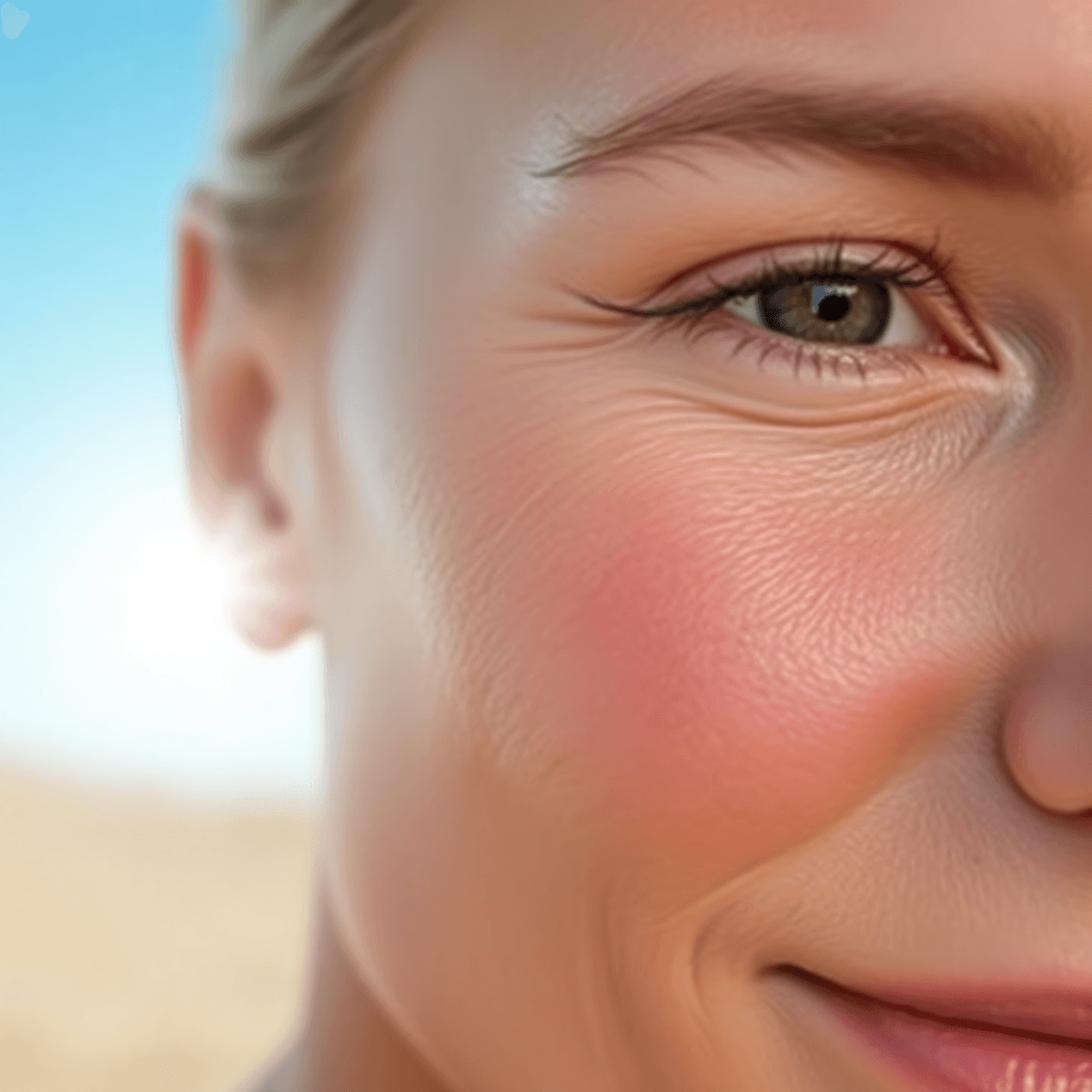
What UV Radiation Does to Your Skin—and Why Sun Damaged Skin Looks the Way It Does
Sun damaged skin is not simply skin that has been in the sun too long. It is skin that has undergone measurable, cumulative molecular changes triggered by repeated ultraviolet radiation exposure. Understanding what UV actually does at the cellular level explains why sun damaged skin behaves differently from naturally aged skin—and why it requires specific treatment approaches.
UV radiation consists of two primary components relevant to skin damage: UVA and UVB. UVA penetrates deeply into the dermis, causing oxidative stress and collagen breakdown, while UVB primarily affects the epidermis, inducing DNA damage and inflammation. Both mechanisms activate matrix metalloproteinases—enzymes responsible for collagen degradation—and suppress DNA repair pathways, collectively accelerating the aging process that defines sun damaged skin.
The consequence over years of cumulative exposure is a distinct pattern of changes that differs meaningfully from natural, chronological aging. Clinical signs of photoaging include wrinkles, mottled pigmentation including hypo- and hyperpigmentation, rough skin, loss of skin tone, dryness, deep furrows, severe atrophy, telangiectasias, laxity, leathery appearance, solar elastosis, actinic purpura, and precancerous lesions. Sun-exposed areas—the face, neck, upper chest, hands, and forearms—are where these changes occur most frequently, in contrast to chronological aging which does not produce the same degree of deep wrinkling or pigmentation changes.
The Molecular Mechanism Behind Sun Damaged Skin
To treat sun damaged skin effectively, it helps to understand why the damage is so persistent. One of the main effects of UV radiation on the skin is an increase in expression of matrix metalloproteinases, which are responsible for the degradation of extracellular matrix proteins such as collagen, fibronectin, elastin, and proteoglycans. Excessive degradation of these proteins caused by overproduction of MMP-1, MMP-3, and MMP-9 contributes to photoaging through thick wrinkle formation and skin sagging—via photodestruction, phototransformation, and photooxidation of collagen and elastin.
It is hypothesized that dermal collagen breakdown is followed by imperfect repair that yields a deficit in structural integrity—a solar scar. This imperfect repair is repeated with each UV exposure, leading to accumulation of solar scarring and ultimately clinically visible photoaging. While the signs of sun damaged skin may appear to emerge suddenly, they actually accumulate invisibly beneath the surface for years.
This accumulation is why sun damaged skin cannot be reversed overnight—and why treatments that work at the structural level, rather than the surface, are the ones that produce lasting results.
Who Is Most at Risk for Sun Damaged Skin?
While UV exposure affects all skin types, vulnerability to sun damaged skin varies significantly based on biological factors. Light skin types I through III have a natural sun protection factor of only 3.3, making them particularly vulnerable to DNA damage, collagen degradation, and skin cancer. Eumelanin in darker skin mitigates oxidative stress, while pheomelanin in lighter skin functions as a pro-oxidant, increasing vulnerability to photoaging.
Other risk factors for sun damaged skin include a history of frequent or prolonged sun exposure without protection, geographic location in high-UV regions, occupational outdoor exposure, use of tanning beds, and a family history of melanoma or other skin cancers. Incidental daily exposure—driving, walking, sitting near windows—also accumulates meaningfully over decades even in people who believe they are protected.
7 Proven Ways to Treat Sun Damaged Skin and Actually See Results
1. Daily Broad-Spectrum Sunscreen—Your First and Most Important Defense
No treatment for sun damaged skin is meaningful without stopping the ongoing UV assault. Chronic sun exposure causes changes in epidermal thickness, increases in pigment heterogeneity and dermal elastosis, degradation of collagen in the dermis, development of ectatic vessels, and increases in mutagenesis of keratinocytes and melanocytes—all of which can be substantially reduced with daily broad-spectrum sunscreen use. A broad-spectrum tinted sunscreen with SPF 30 or higher used daily offers protection against both UVR and visible light to reduce their effects on sun damaged skin.
Apply sunscreen every morning as the final step in your skincare routine, regardless of weather or season. Reapply every two hours during outdoor activity. Choose a mineral-based formula—zinc oxide or titanium dioxide—for the most reliable broad-spectrum protection with minimal irritation risk on compromised skin.
2. Topical Retinoids—The Most Clinically Supported Treatment for Sun Damaged Skin
A systematic meta-analysis of eight randomized controlled trials including 1,361 patients found that topical tretinoin significantly improved clinical signs of facial photodamage compared with vehicle placebo, producing significantly greater reductions in both fine and coarse wrinkles. Topical retinoids promote collagen synthesis and inhibit matrix metalloproteinase activity by binding to retinoic acid receptors, thereby facilitating cell proliferation and differentiation.
A six-month double-blind study in postmenopausal women with photoaged skin treated twice daily with a retinol and vitamin C combination found that the high level of type III procollagen originally observed in photoaged skin was significantly increased after treatment, with the authors concluding that repeated topical application could reverse, at least in part, skin changes induced by both chronological and photoaging.
Retinoids are the gold standard for treating sun damaged skin. Begin with a low concentration retinol if new to the ingredient, and introduce gradually to minimize the irritation that can accompany initial use. Prescription tretinoin provides significantly greater potency for more advanced photoaging.
3. Vitamin C Serum—Antioxidant Protection and Collagen Support
Vitamin C addresses sun damaged skin through two complementary mechanisms: neutralizing the free radical damage that UV generates, and directly supporting collagen synthesis. Many studies have found that vitamin C can increase collagen production, protect against damage from UVA and UVB rays, correct pigmentation problems, and improve inflammatory skin conditions—making it a cornerstone ingredient in the management of sun damaged skin.
Apply a stable L-ascorbic acid serum each morning before moisturizer and sunscreen. The order matters: vitamin C applied beneath sunscreen provides additive photoprotective benefit that sunscreen alone does not deliver. Store vitamin C products in cool, dark conditions to prevent oxidation.
4. Mesenchymal Stem Cell Growth Factor Serum—Regeneration at the Structural Level
Standard anti-aging actives address sun damaged skin at the surface. Growth factor serums work deeper—at the cellular signaling level where the actual damage originates. Bradceuticals Gold delivers MSC-derived growth factors including EGF, bFGF, TGF-β, VEGF, and HGF that communicate directly with fibroblasts to upregulate collagen synthesis, suppress MMP activity, and drive tissue repair in UV-damaged dermis.
A randomized controlled trial of adipose stem cell-conditioned medium in 64 photoaged patients found that the treatment group showed significantly higher improvements in pore appearance, wrinkle depth, spot polarization, UV spot parameters, and skin tone compared to the control group—demonstrating clinically meaningful benefits across multiple photoaging parameters.
For sun damaged skin, this approach is particularly powerful when combined with microneedling, which opens channels through the stratum corneum and allows the growth factor complex to reach the dermis directly—the structural layer where photoaging damage is most significant.
5. Chemical Peels—Accelerating Cellular Renewal
Chemical peels treat sun damaged skin by removing the damaged outermost layers through controlled exfoliation, prompting replacement with newer, less damaged cells beneath. Superficial peels using glycolic or lactic acid improve surface texture, pigmentation, and radiance with minimal downtime. Medium-depth peels with trichloroacetic acid reach further into the dermis and address more established sun damaged skin changes including deeper pigmentation and structural changes.
Multiple sessions are typically required for meaningful results on sun damaged skin, with treatments spaced four to six weeks apart to allow full healing between sessions. Chemical peels are most effective when followed by a consistent growth factor serum and rigorous SPF protocol to protect the freshly revealed skin.
6. Microneedling—Collagen Induction for Photoaged Skin
Microneedling is particularly well-suited to sun damaged skin because it addresses two distinct problems simultaneously: it stimulates new collagen production to replace the collagen destroyed by UV exposure, and it creates temporary channels through the stratum corneum that allow post-procedure serums to penetrate deeply into the dermis.
For sun damaged skin, this delivery advantage is substantial. Applied immediately after microneedling, Bradceuticals Gold’s growth factor complex reaches the fibroblasts and keratinocytes in the upper dermis—exactly where UV-induced collagen degradation and cellular senescence are most active. The growth factors then amplify the collagen induction response that microneedling initiates, producing more pronounced structural improvements than microneedling or topical serums achieve independently.
7. Consistent Hydration and Barrier Support
Sun damaged skin is compromised skin—its barrier function is impaired, its moisture-retaining capacity is reduced, and its self-repair mechanisms are less efficient. Supporting hydration is not simply cosmetic; it is a functional necessity for any treatment protocol to work effectively.
Use a fragrance-free moisturizer containing hyaluronic acid and ceramides morning and evening. Ceramides physically reinforce the compromised lipid barrier that UV exposure degrades over time. Hyaluronic acid attracts water into the epidermis, providing the hydrated environment that supports cellular repair. These ingredients complement rather than compete with retinoids and growth factor serums—apply them in order: serum, then moisturizer, then SPF in the morning.
Can Sun Damaged Skin Be Reversed?
This is the question most people with photoaging are asking. The evidence-based answer is nuanced. Sun damaged skin cannot be completely reversed—the DNA mutations created by UV exposure persist, and some structural changes at the cellular level are not fully reparable. However, the visible signs of sun damaged skin—wrinkles, hyperpigmentation, rough texture, laxity, and uneven tone—can be substantially and meaningfully improved with the right combination of treatments.
Protective measures, such as broad-spectrum sunscreens, antioxidants, and hydration, are crucial for all skin types and necessitate customized strategies. Understanding the biological mechanisms and variations in UV damage facilitates the creation of customized photoprotection and repair solutions, enhancing skin health and mitigating long-term UV-related issues.
The practical reality is that the best outcomes for sun damaged skin come from combining prevention with targeted repair: daily SPF stops ongoing damage, retinoids and vitamin C address existing structural and pigmentation changes, and growth factor serums support the fibroblast repair activity that UV exposure has suppressed. Microneedling amplifies all of these effects by improving the delivery of topical actives into the dermis where the damage is deepest.
Lifestyle Factors That Worsen Sun Damaged Skin
Protection does not begin and end with sunscreen. Several lifestyle factors accelerate UV-related skin damage and undermine treatment outcomes. Smoking generates free radicals that compound the oxidative damage of UV exposure and further suppress collagen synthesis. Alcohol dehydrates the skin and impairs cellular repair. Poor sleep reduces the overnight repair activity that the skin depends on for collagen maintenance. Nutritional deficiencies—particularly in vitamins C and E, zinc, and omega-3 fatty acids—reduce the skin’s endogenous antioxidant capacity and slow tissue repair.
Incorporating anti-inflammatory foods, staying well-hydrated, and prioritizing sleep creates the systemic conditions that make topical treatments for sun damaged skin more effective.
Frequently Asked Questions
Can sun damaged skin be reversed? The visible signs of sun damaged skin—wrinkles, dark spots, rough texture, and loss of firmness—can be substantially improved with consistent treatment using retinoids, vitamin C, growth factor serums, and procedures like microneedling. Complete reversal of all UV-induced cellular changes is not possible, but significant cosmetic improvement is well-documented in clinical research.
What is the most effective treatment for sun damaged skin? No single treatment addresses all aspects of sun damaged skin. The strongest clinical evidence supports a combined protocol: daily broad-spectrum SPF, topical retinoids for collagen induction and cell turnover, vitamin C for antioxidant protection and pigmentation, and a growth factor serum to directly stimulate fibroblast repair. Microneedling enhances the effectiveness of topical serums by improving their delivery into the dermis.
How long does it take to see improvement in sun damaged skin? Pigmentation improvements from vitamin C and retinoids may be visible within four to eight weeks. Structural improvements in wrinkles, texture, and firmness develop over three to six months of consistent treatment. Collagen remodeling is a gradual biological process—results build progressively rather than appearing overnight.
Is Bradceuticals Gold effective for sun damaged skin? Bradceuticals Gold delivers MSC-derived growth factors that directly address the fibroblast suppression and MMP upregulation caused by UV damage. Applied consistently—and especially after microneedling—it supports collagen synthesis, reduces MMP activity, and promotes tissue repair in photoaged dermis. Clinical research on MSC-derived growth factor formulations supports meaningful improvements in multiple photoaging parameters.
What SPF should I use for sun damaged skin? Broad-spectrum SPF 30 is the minimum recommended by dermatologists. For individuals with significant sun damaged skin or high UV exposure, SPF 50 or higher provides greater protection. Mineral-based formulas using zinc oxide or titanium dioxide offer reliable broad-spectrum coverage with lower irritation risk on already-compromised skin.
Can I use retinoids and a growth factor serum together? Yes. These two treatments complement each other. Retinoids accelerate cell turnover and stimulate collagen synthesis through vitamin A receptor pathways; growth factor serums support fibroblast activity and reduce MMP expression through paracrine signaling. Used together in an evening routine, they address sun damaged skin through distinct but reinforcing mechanisms.
What ingredients should I avoid with sun damaged skin? Avoid harsh physical exfoliants that can further compromise an already-impaired barrier. During the initial phase of any new retinoid regimen, introduce one active at a time and patch test to minimize irritation on sensitized photoaged skin. Products containing alcohol, fragrances, or known sensitizers should be avoided, particularly in the post-procedure window following microneedling.
References
- Brar AS et al. A comprehensive review of the role of UV radiation in photoaging processes between different types of skin. Cureus. 2025. PMC12018068. https://pmc.ncbi.nlm.nih.gov/articles/PMC12018068/
- Rinnerthaler M et al. Skin photoaging and the role of antioxidants in its prevention. Int J Mol Sci. 2013. PMC3789494. https://pmc.ncbi.nlm.nih.gov/articles/PMC3789494/
- Krutmann J et al. The impact of ultraviolet radiation on skin photoaging — review of in vitro studies. Photochem Photobiol Sci. 2021. PMC8597149. https://pmc.ncbi.nlm.nih.gov/articles/PMC8597149/
- Seo JE et al. Sunscreens and photoaging: a review of current literature. Am J Clin Dermatol. 2021. PMC8361399. https://pmc.ncbi.nlm.nih.gov/articles/PMC8361399/
- Yoo YM et al. Tretinoin for photodamaged facial skin: systematic review and meta-analysis of randomized controlled trials. Aesthetic Plast Surg. 2024. PMC12615114. https://pmc.ncbi.nlm.nih.gov/articles/PMC12615114/
- Milosheska D, Roškar R. Use of retinoids in topical antiaging treatments: a focused review of clinical evidence for conventional and nanoformulations. Adv Ther. 2022. PMC9618501. https://pmc.ncbi.nlm.nih.gov/articles/PMC9618501/
- Prakoeswa CRS et al. The effect of human adipose stem cell-conditioned medium in photoaged skin. J Stem Cells Regen Med. 2024. PMC11750066. https://pmc.ncbi.nlm.nih.gov/articles/PMC11750066/
- Zasada M, Budzisz E. Retinoids in the treatment of skin aging: an overview of clinical efficacy and safety. Dermatoendocrinol. 2019. PMC2699641. https://pmc.ncbi.nlm.nih.gov/articles/PMC2699641/
Disclaimer: This article is intended for educational and informational purposes only and does not constitute medical advice. Bradceuticals products are cosmeceutical formulations and are not intended to diagnose, treat, cure, or prevent any disease. Consult a licensed dermatologist or healthcare provider for personalized skincare guidance, including evaluation of any suspected skin cancer or precancerous lesions.
Last Reviewed: March 2026
About Bradceuticals : Thuy Myers is the founder of Bradceuticals which manufactures and distributes skin care and hair regrowth serums that use growth factors from human stem cells as the catalyst for regeneration. When she is not busy running the business and maintaining blogs, she is continuing her practice as a semiconductor engineer and occasionally teaches college engineering. In her free time, she enjoys the beach, working out at the gym and hanging out with her kiddo Brad.