

Your skin produces approximately 1% less collagen every year after age 30, and ultraviolet radiation accelerates this decline by triggering matrix metalloproteinases that actively degrade existing collagen fibers (PMC5037728). The result — fine lines, wrinkles, sagging, uneven texture, and dark spots — drives millions of people to seek a skin rejuvenation treatment each year. Understanding which treatments are backed by clinical evidence helps you invest your time and money in approaches that produce real, measurable results rather than temporary surface-level improvements.
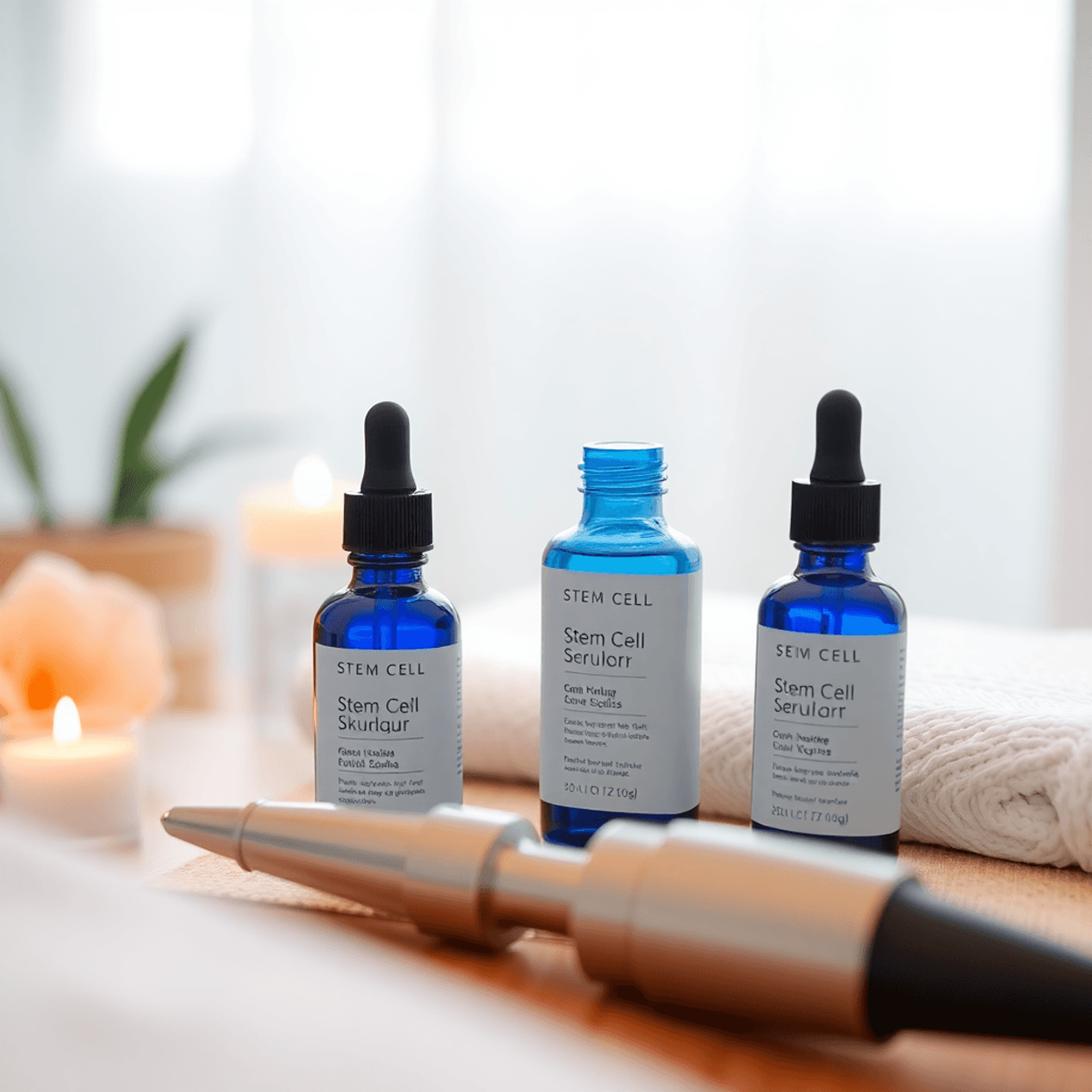
Research demonstrates that mesenchymal stem cell conditioned media contains a concentrated blend of growth factors — including VEGF, TGF-β1, and HGF — that significantly enhance fibroblast proliferation, collagen synthesis, and extracellular matrix production (PMC7904527). Bradceuticals Gold Mesenchymal Stem Cell Growth Factor Serum delivers this full regenerative secretome as both a standalone daily skin rejuvenation treatment and a post-procedure amplifier, providing concentrated growth factor signaling that supports collagen rebuilding at the cellular level. Applied to damp, dewy skin, it floods the dermal layer with the repair signals aging fibroblasts need. See full details at Bradceuticals Gold Mesenchymal Stem Cell Growth Factor Serum.
What Makes a Skin Rejuvenation Treatment Effective?
An effective skin rejuvenation treatment must do at least one of three things at the biological level: stimulate fibroblasts to produce new collagen and elastin, accelerate the turnover of damaged surface cells, or protect existing structural proteins from further degradation. The most powerful treatments combine all three mechanisms.
Not all skin rejuvenation treatment options work the same way or produce the same degree of improvement. Some primarily address surface texture, while others rebuild the dermal structure from within. Understanding these differences helps you choose the right approach — or combination of approaches — for your specific concerns and budget.
The treatments ranked below are evaluated based on clinical evidence, depth of biological action, and their ability to produce lasting structural changes rather than temporary cosmetic improvements. Individual results vary based on age, skin type, severity of concerns, and treatment consistency. Always consult a licensed dermatologist or qualified skincare professional before beginning any skin rejuvenation treatment.
10 Most Effective Skin Rejuvenation Treatment Options
1. Microneedling with Growth Factor Serums
Microneedling combined with growth factor serums represents the most comprehensive non-surgical skin rejuvenation treatment available today. The procedure creates controlled micro-injuries that trigger the collagen-remodeling cascade, while topical growth factors delivered through the open channels amplify every phase of the healing response.
A clinical study found that combining topical growth factors with microneedling produced a 17.6% improvement in skin texture and a 17.3% reduction in wrinkles in just three months (PMID: 34951101). Research on percutaneous collagen induction confirms that microneedling increases gene expression for collagen type I, collagen type III, and growth factors like VEGF and EGF (PMID: 20413357).
This skin rejuvenation treatment works best when paired with a multi-growth-factor serum like Bradceuticals Gold, applied to damp skin immediately after the session while micro-channels are open. For optimal technique and timing, see our guide to microneedling recovery stages. Professional microneedling should be performed by or under the supervision of a licensed provider.
2. Topical Growth Factor Serums (Daily Use)
Even without microneedling, daily topical growth factor application qualifies as a legitimate skin rejuvenation treatment. Clinical evidence shows that topical growth factor and cytokine application reduces periorbital wrinkles by 33% and perioral wrinkles by 25% over six months, with ultrastructural analysis confirming actual new collagen formation (PMID: 18569263).
A prospective multicenter study found statistically significant improvement across six anti-aging parameters — wrinkles, texture, moisture, pigmentation, pores, and spots — after consistent growth factor serum application (PMC9208652).
Bradceuticals Gold Mesenchymal Stem Cell Growth Factor Serum delivers the full mesenchymal stem cell secretome — not a single isolated growth factor, but the entire cocktail of regenerative proteins your skin uses during natural tissue repair. As a daily skin rejuvenation treatment, it provides ongoing collagen-stimulating signals between professional procedures. For a deeper look at growth factor technology, see our guide on growth factor serums for youthful skin.
3. Retinoid Therapy
Retinoids (vitamin A derivatives) are among the most thoroughly researched topical ingredients for skin rejuvenation treatment. Research from the University of Michigan demonstrates that topical retinol significantly increases epidermal thickness, stimulates fibroblast activity, and boosts production of type I collagen, fibronectin, and elastin (PMC5136519).
Prescription tretinoin delivers the strongest retinoid results. Over-the-counter retinol provides a gentler entry point. Both accelerate cell turnover, fade dark spots, and stimulate collagen production. As a skin rejuvenation treatment, retinoids work through a different biological pathway than growth factors — making them an excellent complement rather than a replacement.
Start with low concentrations, increase gradually, and always use sunscreen. Retinoids cause photosensitivity and initial irritation in many users. Consult a dermatologist for personalized guidance on retinoid selection and dosing.
4. Vitamin C Therapy
Vitamin C is a required cofactor in collagen synthesis and a potent antioxidant that neutralizes UV-generated free radicals. Evidence-based reviews confirm that vitamin C positively acts on collagen biosynthesis through multiple mechanisms (PMID: 19657604).
As a skin rejuvenation treatment, daily vitamin C application supports collagen quality, brightens skin tone, and protects existing collagen from oxidative damage. Bradceuticals Gold already contains magnesium ascorbyl phosphate — a stable, non-irritating vitamin C derivative — alongside its growth factor complex, providing vitamin C support as part of a comprehensive formulation.
For those adding a standalone vitamin C serum, look for stable formulations at 10–20% concentration. Apply in the morning under sunscreen. For post-microneedling timing, see our guide on vitamin C serum after microneedling.
5. Chemical Peels
Chemical peels are an established skin rejuvenation treatment that removes damaged outer skin layers through controlled chemical exfoliation, forcing accelerated cell turnover. Superficial peels using AHAs address mild texture issues. Medium-depth peels using TCA target moderate wrinkles and hyperpigmentation. Deep peels using phenol are reserved for severe photoaging.
This skin rejuvenation treatment works by removing the damaged surface to reveal fresher tissue beneath, while the controlled injury stimulates some collagen remodeling in the dermis. Results are cumulative with repeated treatments.
Chemical peels should always be performed by or under the guidance of a licensed skincare professional. Post-peel skin is highly photosensitive. Darker skin tones face higher risk of post-inflammatory hyperpigmentation with medium and deep peels. Consult a dermatologist to determine the appropriate peel type for your skin.
6. Laser and Light Therapy
Laser treatments target skin aging through controlled thermal energy that stimulates collagen remodeling at depths topical products cannot reach. Fractional lasers create microscopic treatment zones that trigger wound healing while leaving surrounding tissue intact for faster recovery.
IPL (intense pulsed light) therapy targets melanin deposits for dark spot and pigmentation correction. Ablative lasers like CO2 and erbium produce more dramatic results but require significant downtime. Non-ablative lasers offer milder improvement with less recovery.
As a skin rejuvenation treatment, laser therapy carries risks including hyperpigmentation, scarring, and burns if performed incorrectly. Not all laser types are appropriate for all skin tones. Always seek treatment from a board-certified dermatologist. This skin rejuvenation treatment is typically the most expensive option on this list but can address concerns that topical treatments alone cannot resolve.
7. Peptide Therapy
Peptides are short amino acid chains that signal fibroblasts to produce more collagen and elastin. A double-blind clinical study of 93 women found that palmitoyl pentapeptide-4 provided significant wrinkle reduction (PMID: 18492182).
As a skin rejuvenation treatment, peptides work through biological pathways distinct from growth factors and retinoids — making them excellent complementary ingredients. Bradceuticals Gold contains palmitoyl oligopeptide, palmitoyl tetrapeptide-7, and acetyl hexapeptide-8, delivering multiple peptide types alongside growth factors for multi-pathway collagen stimulation.
Peptides are generally well-tolerated by all skin types and can be used daily without the irritation risk associated with retinoids. For more on peptide science, see our guide on best peptide serum benefits.
8. Hyaluronic Acid Therapy
Hyaluronic acid binds up to 1,000 times its weight in water, providing intense hydration that immediately plumps the skin and softens fine lines. Research confirms that topical hyaluronic acid achieves enhanced bioavailability through receptor-based delivery and its unique viscoelastic properties (PMID: 32036009).
As a skin rejuvenation treatment, hyaluronic acid provides the hydrated environment fibroblasts need to function optimally. It doesn’t directly stimulate collagen production, but it creates the conditions that allow collagen-stimulating ingredients to work more effectively. Bradceuticals Gold contains sodium hyaluronate as part of its multi-active formulation. For standalone options, see our guide on hyaluronic acid serums for microneedling.
9. LED Light Therapy
LED light therapy uses specific wavelengths of light — typically red (630–660 nm) and near-infrared (810–850 nm) — to stimulate cellular energy production in fibroblasts, potentially supporting collagen synthesis and tissue repair. This skin rejuvenation treatment is non-invasive, painless, and carries minimal risk of side effects.
While LED therapy is less aggressive than laser treatment, it can serve as a gentle complementary skin rejuvenation treatment alongside daily growth factor serum use and periodic microneedling. Both at-home LED devices and professional panels are available. Results are typically subtle and require consistent, long-term use.
10. Daily Sunscreen (Foundational Protection)
Sunscreen may not seem like a skin rejuvenation treatment, but it is arguably the most important product in any anti-aging protocol. UV radiation actively degrades collagen through MMP activation, undermining every other treatment you apply. Without daily broad-spectrum SPF 30+ protection, your collagen-building efforts are constantly being reversed.
Every skin rejuvenation treatment on this list works better — and lasts longer — when paired with diligent sun protection. Mineral sunscreens containing zinc oxide and titanium dioxide provide physical UV blocking without chemical absorption. Apply every morning, reapply every two hours during extended exposure, and wear it even on cloudy days.
Building a Comprehensive Skin Rejuvenation Treatment Protocol
The most effective approach combines multiple treatments that address different biological mechanisms simultaneously.
Morning Routine (Daily Skin Rejuvenation Treatment)
Cleanse with a gentle cleanser. Apply Bradceuticals Gold Mesenchymal Stem Cell Growth Factor Serum to damp, dewy skin for growth factor and vitamin C delivery. Follow with moisturizer. Finish with SPF 30+ mineral sunscreen.
Evening Routine
Cleanse thoroughly. Apply retinoid (start with low concentration, use every other night initially). Follow with hyaluronic acid for overnight hydration. Seal with a nourishing moisturizer.
Periodic Professional Treatments
Microneedling every four to six weeks for deeper collagen stimulation. Chemical peels or laser treatments as recommended by your dermatologist for targeted concerns. LED light therapy as a gentle maintenance skin rejuvenation treatment between more intensive sessions.
Between-Session Maintenance
Continue daily growth factor serum use. This is the bridge that compounds collagen-building benefits between professional skin rejuvenation treatment sessions. Consistent use is what turns periodic treatments into sustained transformation. For a detailed healing timeline, see our guide to microneedling healing time stages.
How Long Does It Take to See Results from a Skin Rejuvenation Treatment?
Setting realistic expectations is essential. Skin rejuvenation treatment results develop on a biological timeline that cannot be rushed.
Weeks 1–4: Improved hydration, smoother texture, brighter complexion. These are primarily surface-level improvements from enhanced cell turnover and hydration.
Months 1–3: New collagen type III is being produced. Fine lines begin softening. Skin firmness improves. Pores appear smaller. This is when most patients notice their first meaningful structural changes.
Months 3–6: Collagen type III is gradually replaced by stronger collagen type I. Peak improvement in wrinkle depth, firmness, and scar appearance. Dark spots continue fading.
Months 6–12+: Cumulative results from multiple treatment sessions compound. Skin structure continues improving with consistent treatment. Maintenance sessions preserve and build on gains.
The single most important factor in any skin rejuvenation treatment outcome is consistency. Daily serum use, regular professional treatments, and diligent sun protection — maintained over months — produce the transformative results that occasional, sporadic treatment cannot.
Frequently Asked Questions
What is the most effective skin rejuvenation treatment? Microneedling combined with growth factor serums delivers the strongest non-surgical results, supported by clinical evidence showing measurable improvements in texture, wrinkles, and collagen production. For comprehensive daily treatment, Bradceuticals Gold Mesenchymal Stem Cell Growth Factor Serum provides the full growth factor spectrum.
How much does a skin rejuvenation treatment cost? Costs vary widely. Daily topical growth factor serums range from $50–$200 per bottle. Professional microneedling sessions typically range from $200–$700 per session. Laser treatments can range from $500–$3,000+ depending on type and treatment area. The most cost-effective approach combines affordable daily serum use with periodic professional treatments.
Is skin rejuvenation treatment safe? When performed correctly with appropriate products and professional oversight, most skin rejuvenation treatments are considered safe. Each treatment type carries specific risks that vary by individual. Always consult a licensed dermatologist before beginning any new skin rejuvenation treatment regimen.
What skin rejuvenation treatment is best for acne scars? Microneedling with growth factor serums is particularly effective for atrophic acne scars. The controlled injury breaks down scar tissue and stimulates replacement with organized collagen. Multiple sessions are typically required. For scar-specific guidance, see our article on serums for microneedling scars.
Can I do skin rejuvenation treatment at home? Yes. Daily growth factor serum application is an effective at-home skin rejuvenation treatment. At-home microneedling with 0.25–0.5 mm needles can complement professional treatments. Retinoids, vitamin C, and hyaluronic acid are all available for home use. Deeper treatments should be reserved for professional settings. Consult a dermatologist before beginning any at-home regimen.
How often should I get professional skin rejuvenation treatment? Most professionals recommend microneedling every four to six weeks, chemical peels every four to eight weeks, and laser treatments as directed by your provider. Between professional sessions, daily use of growth factor serums and sunscreen maintains and amplifies results.
References
- Jung H, Lee EH, Lee TH, Cho MH. Isosakuranetin Suppresses UV-B-Induced MMP-1 Expression and Collagen Degradation. Int J Mol Sci. 2016;17(9):1449. (PMC5037728)
- Kim SN, Lee CJ, Nam J, et al. The Effects of Human Bone Marrow-Derived Mesenchymal Stem Cell Conditioned Media on Skin Rejuvenation Characteristics. Int J Stem Cells. 2021;14(1):94-102. (PMC7904527)
- Quinlan DJ, Ghanem AM, Hassan H. Topical growth factors and home-based microneedling for facial skin rejuvenation. J Cosmet Dermatol. 2021;21(8):3469-3478. (PMID: 34951101)
- Aust MC, Reimers K, Kaplan HM, et al. Percutaneous collagen induction — regeneration in place of cicatrisation? J Plast Reconstr Aesthet Surg. 2011;64(1):97-107. (PMID: 20413357)
- Hussain M, Phelps R, Goldberg DJ. Clinical, histologic, and ultrastructural changes after use of human growth factor and cytokine skin cream. J Cosmet Laser Ther. 2008;10(2):104-109. (PMID: 18569263)
- Chandrashekar BS, Sarangi K, Mastim MA, et al. A Prospective Multicenter Study to Evaluate Safety and Efficacy of Topical AGFC Serum in Anti-Aging. Cureus. 2022;14(5):e25190. (PMC9208652)
- Shao Y, He T, Fisher GJ, Voorhees JJ, Quan T. Retinol anti-ageing properties in naturally aged human skin in vivo. Int J Cosmet Sci. 2017;39(1):56-65. (PMC5136519)
- Robinson LR, Fitzgerald NC, Phan DG, et al. Topical palmitoyl pentapeptide provides improvement in photoaged human facial skin. Int J Cosmet Sci. 2005;27(3):155-160. (PMID: 18492182)
- Zhu J, Tang X, Jia Y, Ho CT, Huang Q. Applications and delivery mechanisms of hyaluronic acid used for topical/transdermal delivery. Int J Pharm. 2020;578:119127. (PMID: 32036009)
- Pavicic T, Steckmeier S, Kerscher M, Korting HC. Evidence-based cosmetics: concepts and applications in photoaging and xerosis. Wien Klin Wochenschr. 2009;121(13-14):431-439. (PMID: 19657604)
- Barrientos S, Stojadinovic O, Golinko MS, Brem H, Tomic-Canic M. Growth factors and cytokines in wound healing. Wound Repair Regen. 2008;16(5):585-601. (PMID: 19128254)
Disclaimer
This article is for educational and informational purposes only and does not constitute medical advice, diagnosis, or treatment. Skin rejuvenation treatments carry varying levels of risk depending on the procedure, technique, and individual factors. Always consult a board-certified dermatologist or qualified skincare professional before beginning any skin rejuvenation treatment to determine whether it is appropriate for your individual skin type and concerns. Individual results may vary significantly. Bradceuticals products are not intended to diagnose, treat, cure, or prevent any disease. The information in this article should not be used as a substitute for professional medical advice.
Last reviewed: March 2026
About Bradceuticals : Thuy Myers is the founder of Bradceuticals which manufactures and distributes skin care and hair regrowth serums that use growth factors from human stem cells as the catalyst for regeneration. When she is not busy running the business and maintaining blogs, she is continuing her practice as a semiconductor engineer and occasionally teaches college engineering. In her free time, she enjoys the beach, working out at the gym and hanging out with her kiddo Brad.