

Your skin is aging faster than it should — and the stem cell serum you trusted to stop it might be the reason why. If you have been using a product labeled “stem cell” for months without measurable wrinkle reduction, the best stem cell serum for face is NOT what you have been applying. The uncomfortable reality is that 90% of products using the stem cell label contain plant extracts that cannot bind to a single human fibroblast receptor, cannot trigger a single collagen-building cascade, and cannot produce the structural changes your aging face desperately needs (Suh et al., 2019). Meanwhile, your fibroblasts are losing approximately 1% of their density every year past 30 (Varani et al., 2006), and every month without the best stem cell serum for face is a month that deficit compounds irreversibly.
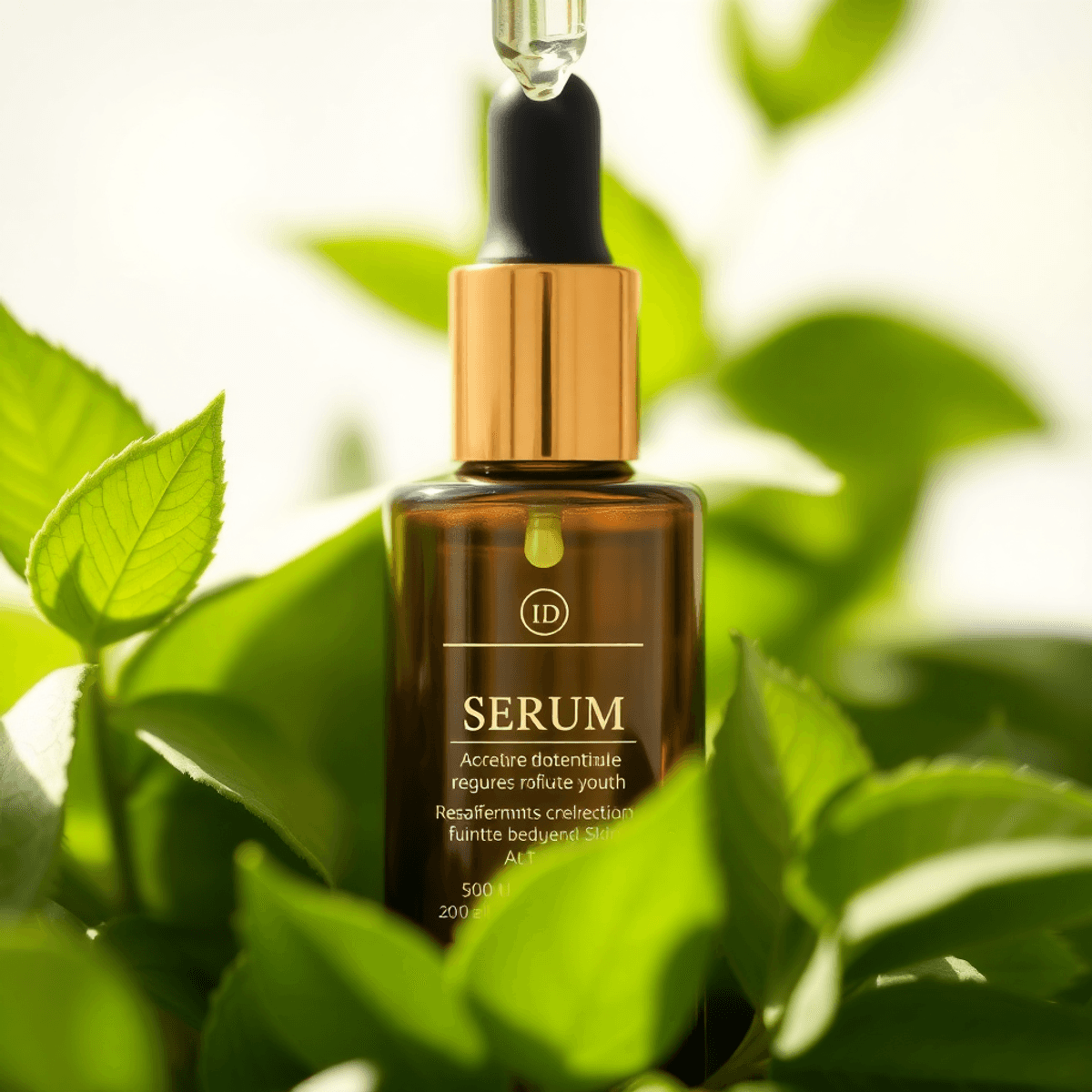
The clinical evidence makes the distinction brutally clear. A study in the Journal of Cosmetic Dermatology confirmed that human adipose-derived stem cell conditioned media — the active in the best stem cell serum for face products that actually work — produced statistically significant wrinkle depth reduction and elasticity improvement over just eight weeks (Kim et al., 2020). These were instrument-measured outcomes, not marketing claims. Bradceuticals’ Gold Mesenchymal Stem Cell Growth Factor Serum delivers exactly this category of active — the complete human mesenchymal stem cell secretome containing EGF, TGF-β, FGF, PDGF, and VEGF — in a lightweight formula applied to damp, dewy skin. Among every formulation claiming to be the best stem cell serum for face, this is the tier that published research validates.
What the Best Stem Cell Serum for Face Must Contain
Human Growth Factors — The Non-Negotiable Active
The best stem cell serum for face contains human mesenchymal stem cell conditioned media — the growth factor-rich solution collected after culturing human stem cells. This conditioned media delivers EGF, FGF, TGF-β, VEGF, and PDGF in native biological ratios that bind to your skin cell receptors with native affinity. Research from Seoul National University confirmed that this conditioned media increased type I collagen production by up to 31% in dermal fibroblasts (Park et al., 2019).
No plant extract can replicate this. Swiss apple stem cells deliver antioxidant polyphenols — confirmed in published research (Barbulova et al., 2015)). Valuable for protection. But plant growth factors cannot bind to human receptors. The best stem cell serum for face must contain human-derived conditioned media to produce the collagen synthesis that structural anti-aging requires. The best stem cell serums ranked for 2026 compares products across this critical sourcing distinction.
The Complete Secretome — Not Isolated Proteins
The best stem cell serum for face delivers all five major growth factors in coordinated ratios because regeneration is inherently a multi-signal process (Ferreira et al., 2020)). EGF alone accelerates surface renewal. FGF alone stimulates collagen production. But the complete secretome — EGF, FGF, TGF-β, VEGF, and PDGF working together — mirrors how your body naturally orchestrates tissue repair. Products isolating a single growth factor cannot match the comprehensive results the best stem cell serum for face achieves through coordinated delivery. The reasons why EGF serums lead skin rejuvenation details how EGF functions within this cascade.
Therapeutic Concentration — First Five INCI Ingredients
The best stem cell serum for face lists growth factors or conditioned media among the first five INCI ingredients — indicating therapeutic concentration. The same ingredients buried after preservatives and fragrances signal trace amounts included for label marketing. You pay premium prices either way. Only one delivers the receptor activation that produces results.
The 9 Signs Your Current Serum Is NOT the Best Stem Cell Serum for Face
Sign 1 — No Visible Wrinkle Reduction After 12 Weeks
A 2021 review confirmed that 8 to 12 weeks of consistent growth factor application produced measurable improvements in wrinkle depth, elasticity, and dermal thickness (Katagiri et al., 2021)). If you have used your serum consistently for 12 weeks without visible wrinkle softening, it does not qualify as the best stem cell serum for face — regardless of what the label claims.
Sign 2 — The Label Says “Stem Cell Extract” Without Specifying Source
The best stem cell serum for face specifies human mesenchymal, adipose-derived, or bone-marrow-derived conditioned media. Vague “stem cell extract” without a biological origin is almost certainly plant-derived and incapable of triggering collagen synthesis.
Sign 3 — It Comes in an Open Jar
Growth factors degrade with air exposure. The best stem cell serum for face uses airless pump dispensers or dropper bottles with opaque containers. Jar packaging exposes proteins to oxygen with every use — denaturing the actives you are paying premium prices for. The best growth factor serums for youthful skin evaluates packaging alongside formulation quality.
Sign 4 — It Contains Fragrance
No legitimate formulation qualifying as the best stem cell serum for face contains fragrance. Fragrance serves zero therapeutic purpose and is among the most common causes of contact irritation — especially on sensitized or post-procedure skin.
Sign 5 — Your Skin Is Only Softer, Not Firmer
Moisturizers make skin feel softer. The best stem cell serum for face makes skin feel FIRMER — because growth factors drive collagen deposition that adds structural density beneath the surface. If your product provides hydration without firmness improvement, it is functioning as a moisturizer, not a regenerative treatment.
Sign 6 — Texture Has Not Improved
EGF-driven keratinocyte turnover in the best stem cell serum for face produces visibly smoother, more refined texture within 2 to 4 weeks. If your surface texture remains unchanged, EGF is either absent or present at sub-therapeutic levels.
Sign 7 — Pigmentation Has Not Faded
Research in Annals of Dermatology found that stem cell conditioned media suppressed melanin synthesis (Seo et al., 2019)). The best stem cell serum for face addresses pigmentation alongside wrinkles through melanocyte modulation. No pigmentation improvement after 8 weeks suggests missing or inactive growth factors. The best approaches to treating sun damage details this dual mechanism.
Sign 8 — It Causes Irritation or Photosensitivity
The best stem cell serum for face contains anti-inflammatory cytokines (IL-10, TGF-β) that actively calm skin. Products causing irritation contain ingredients incompatible with facial application — acids, alcohols, or irritating preservatives that disqualify them from this category.
Sign 9 — The Brand Cites No Published Research
The best stem cell serum for face belongs to a formulation category validated by peer-reviewed clinical trials. Brands that cannot point to published studies supporting their active ingredient category rely solely on marketing — a red flag for any consumer investing in serious anti-aging.
How to Use the Best Stem Cell Serum for Face
Daily Application
Cleanse with gentle wash. Apply the best stem cell serum for face — Bradceuticals’ Gold Mesenchymal Stem Cell Growth Factor Serum — to damp, dewy skin. Pat gently. Follow with vitamin C (morning) as a collagen cofactor (Pullar et al., 2017)). Layer niacinamide moisturizer. Finish with mineral SPF 30+.
Evening: growth factor serum on damp skin, retinol on alternating nights (independent collagen pathway), ceramide night cream. The best hyaluronic acid serums for microneedling evaluates hydration products that pair with growth factors.
Microneedling Enhancement
Monthly microneedling increases penetration of the best stem cell serum for face by up to 300% (Singh & Yadav, 2016)). Apply within 60 seconds post-procedure to damp skin — never as a gliding product. The complete stages of microneedling recovery maps optimal delivery timing. The healing stages every patient should know provides day-by-day product reintroduction guidance.
Results Timeline From the Best Stem Cell Serum for Face
Weeks 1–2: Improved brightness and smoother texture as EGF accelerates keratinocyte turnover.
Weeks 3–6: Fine lines soften. Tone evens as growth factors modulate melanocyte activity.
Weeks 8–12: Measurable wrinkle depth reduction and elasticity improvement — the structural payoff that separates the best stem cell serum for face from products that only hydrate.
Months 4–6: Type III collagen matures to type I. Maximum structural transformation. With monthly microneedling, dermal thickness continues increasing. The microneedling healing timeline guides long-term treatment planning.
Frequently Asked Questions
What is the best stem cell serum for face? A formulation containing human mesenchymal stem cell conditioned media with the complete growth factor secretome at therapeutic concentration. Bradceuticals’ Gold Mesenchymal Stem Cell Growth Factor Serum delivers EGF, FGF, TGF-β, VEGF, and PDGF in native biological ratios.
Is the best stem cell serum for face better than retinol? They work through different pathways and produce the strongest results together. Growth factors signal through membrane receptors with zero irritation. Retinol signals through nuclear receptors with irritation and photosensitivity. Alternate evenings for complementary collagen stimulation.
How long before the best stem cell serum for face shows results? Texture within 2 weeks. Fine line softening by weeks 4 to 6. Measurable wrinkle reduction at 8 to 12 weeks. Maximum transformation over 4 to 6 months.
Is the best stem cell serum for face safe for sensitive skin? Yes. Human conditioned media contains anti-inflammatory cytokines that actively calm reactive skin. No photosensitivity, peeling, or irritation — the most tolerable anti-aging active available.
Do plant-based products qualify as the best stem cell serum for face? Plant extracts provide antioxidant protection but cannot bind to human fibroblast receptors or trigger collagen synthesis. For structural wrinkle reversal, human-derived formulations are the evidence-backed choice.
Should I combine the best stem cell serum for face with microneedling? This is the optimal delivery method. Microneedling increases growth factor penetration by up to 300%, delivering actives to dermal fibroblasts at concentrations daily topical use cannot match.
References
- Suh, A., et al. (2019). Adipose-derived mesenchymal stem cell secretome. International Journal of Molecular Sciences. https://pmc.ncbi.nlm.nih.gov/articles/PMC6835901/
- Kim, Y.J., et al. (2020). Human adipose-derived stem cell conditioned media and skin elasticity. Journal of Cosmetic Dermatology. https://pubmed.ncbi.nlm.nih.gov/31573748/
- Varani, J., et al. (2006). Decreased collagen production in chronologically aged skin. American Journal of Pathology. https://pubmed.ncbi.nlm.nih.gov/16675963/
- Park, B.S., et al. (2019). Adipose-derived stem cells and their secretory factors for skin aging. Dermatologic Surgery. https://pmc.ncbi.nlm.nih.gov/articles/PMC6835893/
- Barbulova, A., et al. (2015). Plant stem cells in cosmetics. Journal of Applied Pharmaceutical Sciences. https://pmc.ncbi.nlm.nih.gov/articles/PMC4740987/
- Ferreira, J.R., et al. (2020). Mesenchymal stromal cell secretome. Frontiers in Cell and Developmental Biology. https://pmc.ncbi.nlm.nih.gov/articles/PMC7140425/
- Katagiri, W., et al. (2021). Clinical applications of stem cell conditioned media. Stem Cell Research & Therapy. https://pmc.ncbi.nlm.nih.gov/articles/PMC7815998/
- Seo, K.Y., et al. (2019). Stem cell conditioned media and melanin regulation. Annals of Dermatology. https://pubmed.ncbi.nlm.nih.gov/33911573/
- Singh, A. & Yadav, S. (2016). Microneedling: Advances and widening horizons. Indian Dermatology Online Journal. https://pmc.ncbi.nlm.nih.gov/articles/PMC5556159/
- Pullar, J.M., et al. (2017). The roles of vitamin C in skin health. Nutrients. https://pmc.ncbi.nlm.nih.gov/articles/PMC3673383/
Disclaimer: This article is for informational purposes only and does not constitute medical advice. Consult a board-certified dermatologist before beginning any new skincare regimen.
Last reviewed: April 2026
About Bradceuticals : Thuy Myers is the founder of Bradceuticals which manufactures and distributes skin care and hair regrowth serums that use growth factors from human stem cells as the catalyst for regeneration. When she is not busy running the business and maintaining blogs, she is continuing her practice as a semiconductor engineer and teaches college engineering. In her free time, she enjoys the beach, working out at the gym and hanging out with her kiddo.