

Your skin loses approximately 1% of its collagen every year after age 30, and ultraviolet radiation accelerates this decline by triggering matrix metalloproteinases — enzymes that actively degrade collagen fibers in the dermis (PMC5037728). The result is the progressive formation of fine lines, wrinkles, and loss of firmness that define facial aging. Choosing the right anti-aging serum for wrinkles means choosing ingredients that address this collagen deficit at the cellular level — not just masking symptoms on the surface.
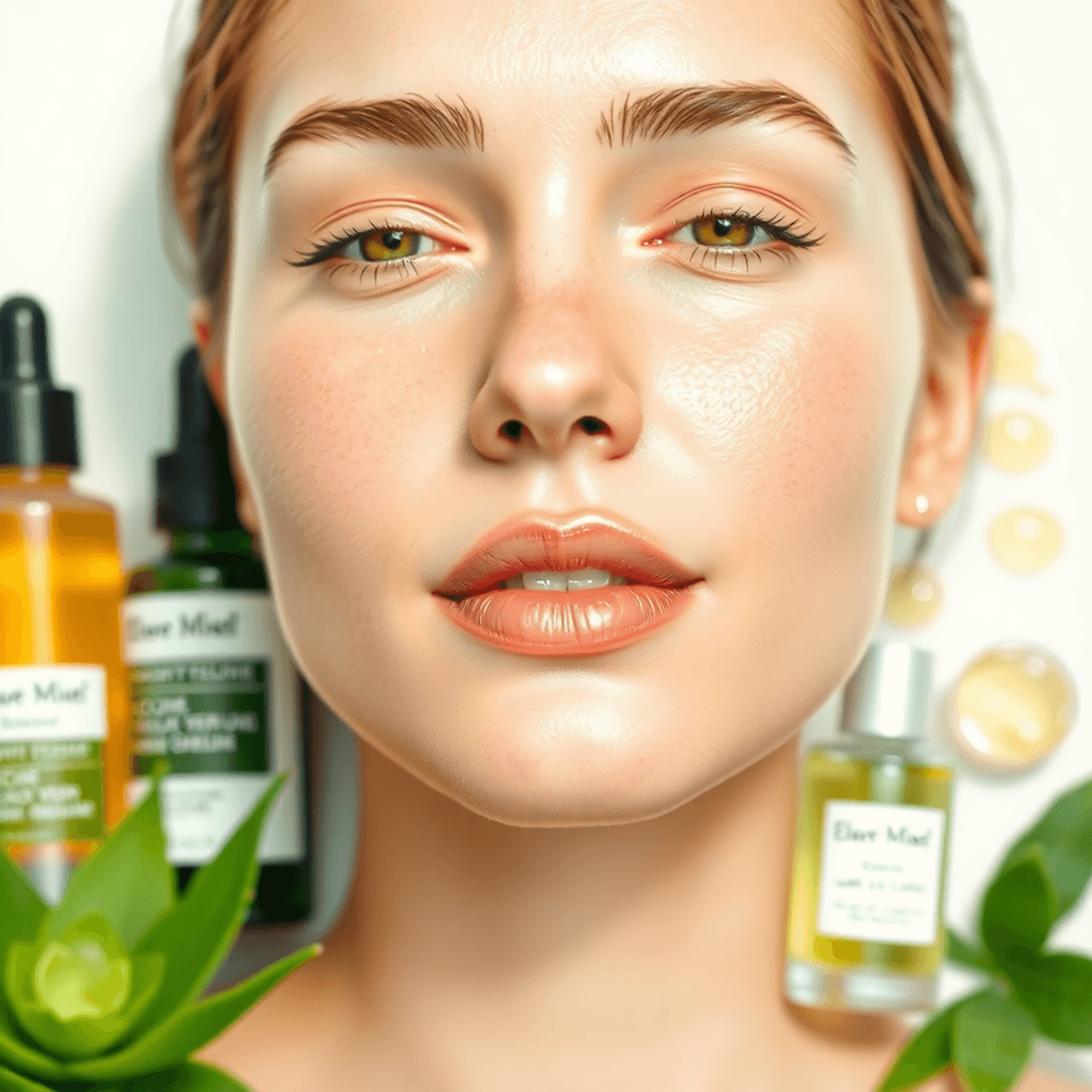
Research demonstrates that mesenchymal stem cell conditioned media contains a concentrated blend of growth factors — including VEGF, TGF-β1, and HGF — that significantly enhance fibroblast proliferation, collagen synthesis, and extracellular matrix production (PMC7904527). Bradceuticals Gold Mesenchymal Stem Cell Growth Factor Serum delivers this full regenerative secretome alongside magnesium ascorbyl phosphate (a stable vitamin C derivative), sodium hyaluronate, palmitoyl oligopeptide, palmitoyl tetrapeptide-7, acetyl hexapeptide-8, and panthenol — a comprehensive multi-active anti-aging serum for wrinkles that addresses collagen loss through multiple biological pathways simultaneously. Applied to damp, dewy skin, it delivers concentrated repair signals where aging fibroblasts need them most. See full details at Bradceuticals Gold Mesenchymal Stem Cell Growth Factor Serum.
What Makes an Anti-Aging Serum for Wrinkles Actually Effective?
Not all anti-aging serums are created equal. The skincare market is flooded with products that claim to reduce wrinkles, but the active ingredients — and their concentrations — determine whether a serum produces measurable structural changes or merely provides temporary surface hydration that disappears within hours.
An effective anti-aging serum for wrinkles must do at least one of three things at the biological level: stimulate fibroblasts to produce new collagen, protect existing collagen from enzymatic degradation, or provide cofactors required for collagen synthesis. The best formulations do all three simultaneously.
Clinical evidence confirms this approach works. A study found that topical growth factor application reduced periorbital wrinkles by 33% and perioral wrinkles by 25% over six months, with ultrastructural analysis confirming actual new collagen formation — not just temporary plumping (PMID: 18569263). Understanding which ingredients drive these results helps you separate genuinely effective products from marketing-driven claims.
10 Ingredients That Make an Anti-Aging Serum for Wrinkles Work
1. Growth Factors
Growth factors sit at the top of the ingredient hierarchy in any anti-aging serum for wrinkles. These signaling proteins — including EGF, TGF-β, VEGF, and PDGF — orchestrate every phase of tissue repair, from initial cellular signaling through collagen remodeling (PMID: 19128254).
A prospective multicenter clinical study found that topical growth factor application on the face produced statistically significant improvement across six anti-aging parameters including wrinkles, texture, moisture, and pigmentation (PMC9208652). No other single ingredient category delivers this breadth of anti-aging action.
Mesenchymal stem cell conditioned media — the technology behind Bradceuticals Gold — takes growth factor delivery further by providing the complete secretome rather than a single isolated protein. This multi-growth-factor approach mirrors how your body naturally coordinates tissue repair. When choosing an anti-aging serum for wrinkles, growth factor content should be your primary evaluation criterion.
2. Retinoids (Vitamin A Derivatives)
Retinoids remain the most thoroughly researched topical ingredient for wrinkle treatment. Research from the University of Michigan demonstrates that topical retinol significantly increases epidermal thickness, stimulates fibroblast activity, and boosts production of type I collagen, fibronectin, and elastin in naturally aged skin (PMC5136519).
Prescription tretinoin delivers the strongest retinoid results, while over-the-counter retinol provides a gentler alternative. Both accelerate cell turnover, fade dark spots, and stimulate collagen. However, retinoids can cause initial irritation, dryness, and photosensitivity — start with low concentrations and always use sunscreen. An anti-aging serum for wrinkles that combines retinoids with soothing ingredients like panthenol or niacinamide helps minimize these side effects.
3. Vitamin C (Ascorbic Acid and Derivatives)
Vitamin C is a required cofactor in collagen synthesis — your skin literally cannot produce structurally stable collagen without adequate ascorbic acid. It also neutralizes free radicals generated by UV exposure, protecting existing collagen from oxidative degradation.
Evidence-based reviews confirm that vitamin C positively acts on collagen biosynthesis through multiple mechanisms (PMID: 19657604). The form matters: pure L-ascorbic acid (10–20%) is the most potent but can irritate sensitive skin. Magnesium ascorbyl phosphate — the stable, non-irritating derivative found in Bradceuticals Gold — delivers the same collagen-synthesis benefits without the acidic pH. For any anti-aging serum for wrinkles, vitamin C in some form should be a non-negotiable ingredient.
4. Peptides
Peptides signal fibroblasts to increase collagen and elastin output through biological pathways distinct from growth factors. A double-blind clinical study of 93 women found that palmitoyl pentapeptide-4 provided significant wrinkle reduction confirmed by quantitative analysis and expert grading (PMID: 18492182).
Different peptide types serve different functions. Signal peptides (like palmitoyl pentapeptide-4) stimulate collagen production. Neurotransmitter-inhibiting peptides (like acetyl hexapeptide-8, found in Bradceuticals Gold) relax micro-muscle contractions that contribute to expression lines. Copper peptides promote wound healing and tissue repair. The best anti-aging serum for wrinkles contains multiple peptide types for multi-pathway collagen stimulation.
5. Hyaluronic Acid
Hyaluronic acid binds up to 1,000 times its weight in water, providing intense hydration that immediately plumps the skin and softens the appearance of fine lines. While not a collagen stimulator itself, hyaluronic acid creates the hydrated dermal environment that fibroblasts need to function optimally.
Research confirms that hyaluronic acid delivered topically achieves enhanced bioavailability through multiple mechanisms including receptor-based delivery and skin hydration (PMID: 32036009). An anti-aging serum for wrinkles that includes hyaluronic acid (or its salt form, sodium hyaluronate, as found in Bradceuticals Gold) ensures your skin stays hydrated while deeper-acting ingredients like growth factors and peptides handle the structural repair.
6. Niacinamide (Vitamin B3)
Niacinamide strengthens the skin barrier by boosting ceramide production, reduces inflammation, and inhibits melanin transfer — addressing wrinkles, sensitivity, and uneven tone simultaneously. It also stimulates fibroblast activity and supports collagen synthesis through NAD+ metabolic pathways.
For an anti-aging serum for wrinkles, niacinamide serves as an excellent complementary ingredient alongside growth factors and retinoids. It is non-irritating, compatible with virtually all other actives, and suitable for all skin types including sensitive skin. For details on using niacinamide in post-procedure care, see our guide on niacinamide after microneedling.
7. Ceramides
Ceramides are lipid molecules that hold skin cells together and prevent moisture loss. As we age, ceramide levels decline, weakening the skin barrier and contributing to dryness that accentuates wrinkles. An anti-aging serum for wrinkles that includes ceramides restores barrier integrity, locks in hydration, and creates a more resilient foundation for collagen-building ingredients to work effectively.
8. Antioxidants (Vitamin E, Ferulic Acid, Resveratrol)
Antioxidants protect collagen from free radical damage — particularly the oxidative stress generated by UV exposure and environmental pollution. Vitamin E works synergistically with vitamin C, and ferulic acid enhances the stability and efficacy of both. Resveratrol activates sirtuin pathways involved in cellular longevity.
An anti-aging serum for wrinkles without antioxidant protection is like building a house while someone chips away at the foundation. You need both construction (growth factors, peptides) and protection (antioxidants, sunscreen) for lasting results.
9. DMAE (Dimethylaminoethanol)
DMAE — found in Bradceuticals Gold as DMAE Bitartrate — has skin-firming properties and may provide a mild tightening effect that improves the appearance of sagging skin. While research on topical DMAE is less extensive than for growth factors or retinoids, it adds a complementary firming dimension to an anti-aging serum for wrinkles, particularly in the jawline and neck area.
10. Panthenol (Provitamin B5)
Panthenol — also found in Bradceuticals Gold — is a humectant and skin conditioner that attracts moisture, soothes irritation, and supports the skin barrier during repair processes. In an anti-aging serum for wrinkles, panthenol ensures that active ingredients work in a calm, hydrated environment rather than on stressed, dehydrated skin. It is particularly valuable in formulations containing potent actives that could otherwise cause sensitivity.
How to Choose the Right Anti-Aging Serum for Wrinkles
Prioritize Multi-Active Formulations
Single-ingredient serums address one pathway. The best anti-aging serum for wrinkles combines multiple active ingredients that work through different biological mechanisms simultaneously. Bradceuticals Gold exemplifies this approach — mesenchymal stem cell growth factors, magnesium ascorbyl phosphate, sodium hyaluronate, palmitoyl oligopeptide, palmitoyl tetrapeptide-7, acetyl hexapeptide-8, panthenol, and DMAE bitartrate all working in concert.
Consider Your Skin Type
Sensitive skin may not tolerate high-concentration retinoids or pure L-ascorbic acid. An anti-aging serum for wrinkles with stable vitamin C derivatives (like MAP) and soothing ingredients (like panthenol) delivers anti-aging benefits without irritation. For those exploring growth factor serums for youthful skin, multi-active formulations with built-in soothing agents are often the best starting point.
Pair with Microneedling for Amplified Results
A clinical study found that topical growth factors combined with microneedling produced a 17.6% improvement in skin texture and 17.3% wrinkle reduction in three months (PMID: 34951101). If you’re serious about maximizing your anti-aging serum for wrinkles, pairing it with regular microneedling sessions creates dramatically enhanced absorption through open micro-channels. For recovery guidance, see our guide to microneedling recovery stages.
Always consult a licensed dermatologist before beginning any microneedling regimen.
Don’t Skip Sunscreen
No anti-aging serum for wrinkles can outwork unprotected sun exposure. UV radiation actively degrades collagen through MMP activation (PMC5037728), undermining every repair treatment you apply. Use SPF 30+ mineral sunscreen daily — it is the single most important anti-aging product in your entire routine.
How to Apply an Anti-Aging Serum for Wrinkles
Morning Routine
Cleanse with a gentle cleanser. Apply your anti-aging serum for wrinkles — Bradceuticals Gold Mesenchymal Stem Cell Growth Factor Serum — to damp, dewy skin. Press gently with clean fingertips. Follow with moisturizer. Finish with SPF 30+ mineral sunscreen.
Evening Routine
Cleanse thoroughly. If using retinol, apply it first and allow five minutes to absorb. Apply your growth factor serum. Follow with hyaluronic acid for overnight hydration. Seal with a nourishing moisturizer.
Consistency Matters Most
Clinical studies showing wrinkle reduction measured results over three to six months of consistent use. An anti-aging serum for wrinkles delivers its best results with daily application over time. The improvements are cumulative — collagen production builds on itself with each week of consistent treatment. Expect gradual, progressive improvement rather than overnight transformation.
Anti-Aging Serum for Wrinkles: Setting Realistic Expectations
It is important to set honest expectations about what an anti-aging serum for wrinkles can and cannot achieve.
What a quality anti-aging serum for wrinkles can do: Stimulate new collagen production over months. Soften fine lines and shallow wrinkles. Improve skin texture, tone, and firmness. Enhance hydration and barrier function. Protect existing collagen from further degradation. Complement professional treatments like microneedling.
What no anti-aging serum for wrinkles can do: Completely eliminate deep wrinkles or severe laxity (which may require professional procedures). Replace sunscreen. Reverse decades of sun damage overnight. Produce results without consistent use.
Individual results vary based on age, skin type, sun exposure history, genetics, and treatment consistency. Always consult a licensed dermatologist for personalized recommendations. For deeper concerns, professional treatments like microneedling at home or in-office procedures may provide additional benefit when combined with daily serum use.
Frequently Asked Questions
What is the best anti-aging serum for wrinkles? Growth factor serums deliver the strongest results because they directly stimulate fibroblasts to produce new collagen. Bradceuticals Gold Mesenchymal Stem Cell Growth Factor Serum provides the full growth factor spectrum alongside vitamin C, peptides, hyaluronic acid, and other anti-aging actives in one formulation.
At what age should I start using an anti-aging serum for wrinkles? Collagen decline begins around age 25–30. Starting a preventive anti-aging serum for wrinkles in your late 20s or early 30s helps maintain collagen levels before significant visible aging develops. It is never too late to start — clinical studies show measurable improvement at any age with consistent use.
Can an anti-aging serum for wrinkles replace Botox? Topical serums and injectable neurotoxins work through different mechanisms. An anti-aging serum for wrinkles stimulates collagen production and may soften expression lines over time with ingredients like acetyl hexapeptide-8. Botox relaxes muscles immediately. Many people use both — a daily anti-aging serum for wrinkles for ongoing collagen support and periodic Botox for targeted expression line reduction. Consult a dermatologist for personalized guidance.
How long before I see results from an anti-aging serum for wrinkles? Hydration improvements and smoother texture may appear within two to four weeks. Meaningful wrinkle reduction and collagen rebuilding typically develop over three to six months of consistent daily use. Full structural improvements continue compounding beyond six months.
Should I use an anti-aging serum for wrinkles with microneedling? Yes. Microneedling creates micro-channels that dramatically enhance serum absorption. Pairing your anti-aging serum for wrinkles with microneedling is one of the most effective combinations in modern skincare. Apply immediately after treatment while channels are open.
What ingredients should I avoid in an anti-aging serum for wrinkles? Avoid formulations containing high concentrations of alcohol, synthetic fragrance, or irritating preservatives. These can damage the skin barrier and accelerate aging rather than prevent it. Choose clean, minimal-ingredient formulations focused on proven active ingredients.
References
- Jung H, Lee EH, Lee TH, Cho MH. Isosakuranetin Suppresses UV-B-Induced MMP-1 Expression and Collagen Degradation. Int J Mol Sci. 2016;17(9):1449. (PMC5037728)
- Kim SN, Lee CJ, Nam J, et al. The Effects of Human Bone Marrow-Derived Mesenchymal Stem Cell Conditioned Media on Skin Rejuvenation Characteristics. Int J Stem Cells. 2021;14(1):94-102. (PMC7904527)
- Hussain M, Phelps R, Goldberg DJ. Clinical, histologic, and ultrastructural changes after use of human growth factor and cytokine skin cream. J Cosmet Laser Ther. 2008;10(2):104-109. (PMID: 18569263)
- Chandrashekar BS, Sarangi K, Mastim MA, et al. A Prospective Multicenter Study to Evaluate Safety and Efficacy of Topical AGFC Serum in Anti-Aging. Cureus. 2022;14(5):e25190. (PMC9208652)
- Shao Y, He T, Fisher GJ, Voorhees JJ, Quan T. Retinol anti-ageing properties in naturally aged human skin in vivo. Int J Cosmet Sci. 2017;39(1):56-65. (PMC5136519)
- Robinson LR, Fitzgerald NC, Phan DG, et al. Topical palmitoyl pentapeptide provides improvement in photoaged human facial skin. Int J Cosmet Sci. 2005;27(3):155-160. (PMID: 18492182)
- Zhu J, Tang X, Jia Y, Ho CT, Huang Q. Applications and delivery mechanisms of hyaluronic acid used for topical/transdermal delivery. Int J Pharm. 2020;578:119127. (PMID: 32036009)
- Quinlan DJ, Ghanem AM, Hassan H. Topical growth factors and home-based microneedling for facial skin rejuvenation. J Cosmet Dermatol. 2021;21(8):3469-3478. (PMID: 34951101)
- Pavicic T, Steckmeier S, Kerscher M, Korting HC. Evidence-based cosmetics: concepts and applications in photoaging and xerosis. Wien Klin Wochenschr. 2009;121(13-14):431-439. (PMID: 19657604)
- Barrientos S, Stojadinovic O, Golinko MS, Brem H, Tomic-Canic M. Growth factors and cytokines in wound healing. Wound Repair Regen. 2008;16(5):585-601. (PMID: 19128254)
Disclaimer
This article is for educational and informational purposes only and does not constitute medical advice, diagnosis, or treatment. Skin aging is influenced by genetics, lifestyle, and environmental factors, and individual responses to skincare products vary significantly. Always consult a licensed dermatologist or qualified skincare professional for personalized recommendations. Individual results may vary. Bradceuticals products are not intended to diagnose, treat, cure, or prevent any disease. The information in this article should not be used as a substitute for professional medical advice.
Last reviewed: March 2026
About Bradceuticals : Thuy Myers is the founder of Bradceuticals which manufactures and distributes skin care and hair regrowth serums that use growth factors from human stem cells as the catalyst for regeneration. When she is not busy running the business and maintaining blogs, she is continuing her practice as a semiconductor engineer and occasionally teaches college engineering. In her free time, she enjoys the beach, working out at the gym and hanging out with her kiddo Brad.