

Microneedling creates thousands of controlled micro-injuries that activate the body’s wound-healing cascade, stimulating new collagen and elastin production beneath the skin’s surface. A comprehensive review in Dermatologic Surgery confirms that this percutaneous collagen induction triggers growth factor release and new collagen formation while preserving the epidermis, though transient erythema and sensitivity are commonly reported during the healing period (PMID: 27755171). How you manage your microneedling recovery — from the products you apply to the habits you maintain — directly determines how quickly your skin heals and how dramatic your final results will be.
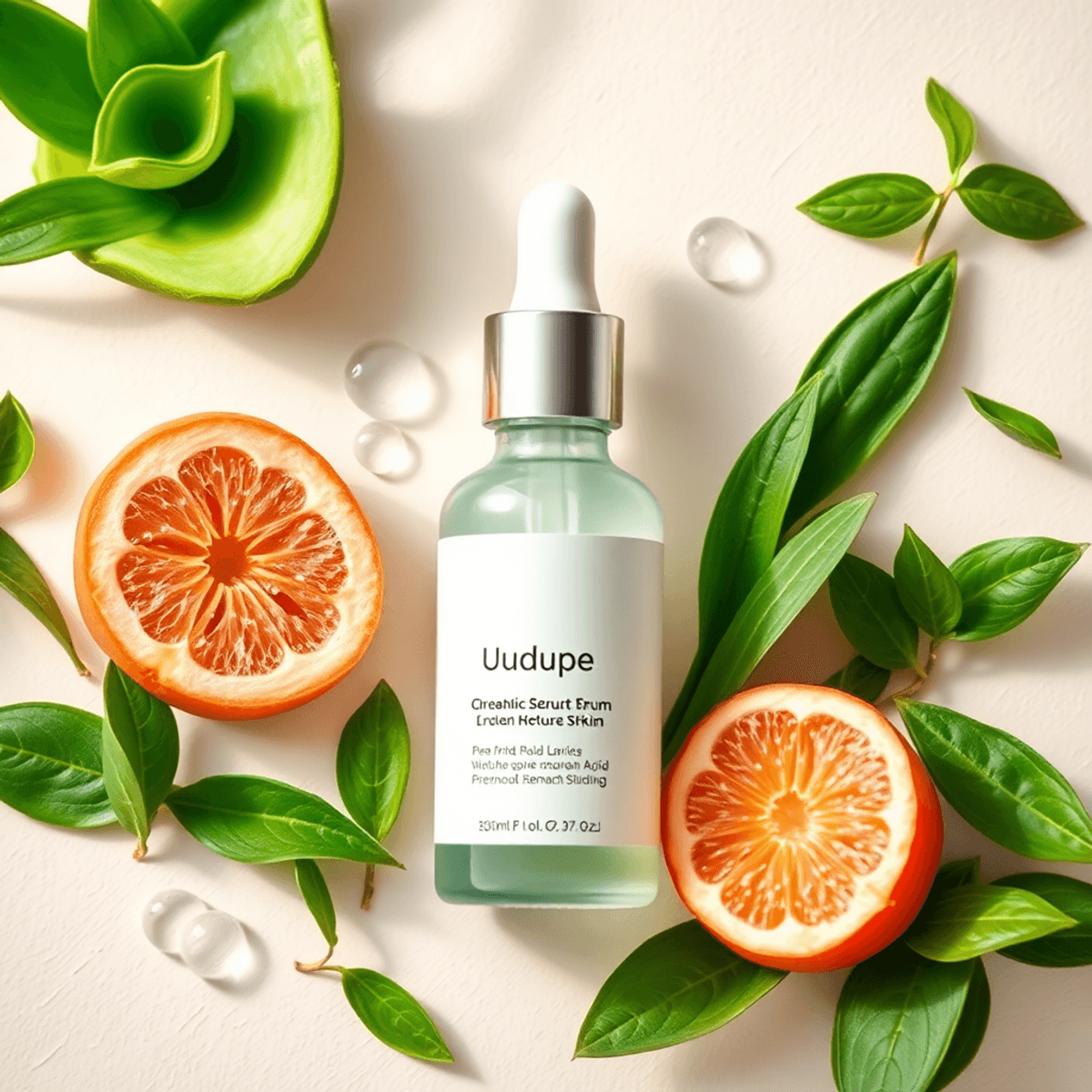
Research demonstrates that mesenchymal stem cell conditioned media contains a concentrated blend of growth factors — including VEGF, TGF-β1, and HGF — that significantly enhance fibroblast proliferation, collagen synthesis, and extracellular matrix production (PMC7904527). Bradceuticals Gold Mesenchymal Stem Cell Growth Factor Serum delivers this full regenerative secretome for immediate post-treatment application, providing concentrated growth factor signaling during the most critical phase of microneedling recovery — the first 15 to 30 minutes when micro-channels are open and absorption peaks. Applied to damp, dewy skin, it floods the dermal layer with the repair signals your fibroblasts need. See full details at Bradceuticals Gold Mesenchymal Stem Cell Growth Factor Serum.
What Happens During Microneedling Recovery
Understanding the biology of microneedling recovery helps you make better decisions about products, timing, and aftercare. The healing process unfolds in three overlapping phases that mirror how your body heals any wound.
Phase 1 — Inflammation (Days 0–3). Immediately after treatment, your body floods the micro-injured area with platelets, growth factors, and immune cells. This is the redness, warmth, and swelling you experience. This inflammatory response is intentional and necessary — it is the trigger that initiates collagen production. During microneedling recovery, this phase requires gentle care, intense hydration, and zero irritants.
Phase 2 — Proliferation (Days 3–14). Fibroblasts arrive at the treatment site and begin producing new collagen type III, elastin, and other extracellular matrix proteins. Cell turnover accelerates, pushing damaged surface cells out and replacing them with fresh tissue. During this phase of microneedling recovery, you may experience peeling, dryness, and continued sensitivity as old skin sheds and new skin forms beneath.
Phase 3 — Remodeling (Weeks 2–12+). The initial collagen III is gradually replaced by stronger collagen type I. Research on percutaneous collagen induction confirms that this process increases gene expression for collagen type I, collagen type III, and growth factors like VEGF and EGF (PMID: 20413357). This is the longest phase of microneedling recovery and produces the most significant visible improvements — but it happens beneath the surface, requiring patience and consistent product use.
8 Expert Tips for Faster Microneedling Recovery
1. Apply Growth Factor Serums Immediately
The single most impactful step you can take during microneedling recovery is applying a growth factor serum while micro-channels are still open. Growth factors orchestrate every phase of wound healing (PMID: 19128254), and delivering them directly into the dermal layer amplifies the collagen-building response.
A clinical study found that topical growth factors combined with microneedling produced a 17.6% improvement in skin texture and a 17.3% reduction in wrinkles in three months (PMID: 34951101). Bradceuticals Gold Mesenchymal Stem Cell Growth Factor Serum delivers the complete mesenchymal stem cell secretome — including magnesium ascorbyl phosphate (a stable vitamin C derivative), sodium hyaluronate, palmitoyl oligopeptide, palmitoyl tetrapeptide-7, acetyl hexapeptide-8, and panthenol. Apply to damp, dewy skin within the first 15 minutes of completing your session.
2. Prioritize Hydration Throughout Your Microneedling Recovery
Hydrated skin heals faster than dehydrated skin. Microneedling temporarily disrupts the skin barrier, increasing transepidermal water loss and creating a sensation of tightness and dryness. Counteracting this moisture loss is essential for smooth microneedling recovery.
Apply hyaluronic acid serum multiple times daily during the first 72 hours. Research confirms that hyaluronic acid delivered through micro-channels achieves significantly enhanced bioavailability (PMID: 32036009). Follow with a fragrance-free moisturizer to seal in hydration. For product options, see our guide on hyaluronic acid serums for microneedling.
Drink adequate water internally as well. While no clinical trials specifically link water intake to microneedling recovery speed, general wound-healing research supports the importance of systemic hydration for tissue repair.
3. Protect from UV Exposure — No Exceptions
Sun protection during microneedling recovery is non-negotiable. Your skin barrier is compromised, making it significantly more vulnerable to UV-induced damage. Research confirms that UV-B exposure induces MMP-1 production that actively degrades collagen (PMC5037728) — the exact protein your treatment is working to build.
Apply SPF 30+ mineral sunscreen daily starting 24 hours after treatment. Zinc oxide and titanium dioxide formulations are generally better tolerated on healing skin than chemical sunscreens. Avoid direct sun exposure as much as possible during the first 48 to 72 hours of microneedling recovery. UV exposure during this window can cause hyperpigmentation and undermine your collagen-building results.
4. Avoid Irritating Ingredients During the First 48 to 72 Hours
During microneedling recovery, your micro-channels dramatically enhance absorption — which means irritants penetrate deeper and cause more damage than they normally would on intact skin. For at least 48 to 72 hours post-treatment, avoid retinoids and retinol, alpha-hydroxy acids (glycolic, lactic), beta-hydroxy acids (salicylic acid), high-concentration pure L-ascorbic acid (above 10%), alcohol-based toners and astringents, products with synthetic fragrance or essential oils, physical exfoliants, and makeup for at least 12 to 24 hours.
These ingredients can intensify inflammation, prolong redness, and potentially cause adverse reactions when they reach the dermal layer through open channels. Stick to gentle, clean formulations until your barrier has recovered. For a detailed breakdown of what to use and when, see our guide on what to put on skin after microneedling.
5. Don’t Pick, Scratch, or Peel Flaking Skin
During days three to five of microneedling recovery, light peeling or flaking commonly occurs as damaged surface cells shed to reveal fresh skin beneath. This is a positive sign of accelerated cell turnover — but it can be tempting to manually remove the peeling skin.
Do not pick, scratch, or peel any flaking skin. Forced removal can cause scarring, hyperpigmentation, or infection. Let the skin shed naturally while keeping it moisturized. Continue applying growth factor serum and hyaluronic acid to support the natural exfoliation process.
6. Keep Your Routine Simple and Clean
During microneedling recovery, less is more. Resist the urge to apply every active in your skincare collection. Your skin is in a vulnerable state and needs support, not stimulation. The ideal microneedling recovery routine consists of just four to five products.
Morning: Gentle cleanser → Growth factor serum (Bradceuticals Gold) → Hyaluronic acid → Moisturizer → Mineral sunscreen (SPF 30+).
Evening: Gentle cleanser → Growth factor serum → Hyaluronic acid → Moisturizer.
Niacinamide can be layered after hyaluronic acid for anti-inflammatory and barrier-strengthening benefits. It is generally well-tolerated during microneedling recovery. For detailed niacinamide guidance, see our article on niacinamide after microneedling.
7. Time Your Product Reintroduction Carefully
One of the most common microneedling recovery mistakes is reintroducing active ingredients too quickly. Here is a safe general timeline — though individual healing varies and you should always follow your dermatologist’s specific guidance.
0–24 hours: Growth factor serum, hyaluronic acid, gentle moisturizer only. No makeup.
24–48 hours: Add mineral sunscreen. Begin gentle cleansing.
48–72 hours: May introduce niacinamide and stabilized vitamin C (magnesium ascorbyl phosphate or sodium ascorbyl phosphate). Continue avoiding retinol, AHAs, and BHAs.
Days 5–7: Most visible microneedling recovery is complete for standard-depth treatments. May cautiously reintroduce pure L-ascorbic acid if tolerated. Monitor for stinging.
Day 7+: Gradually resume retinol (start with low concentration, every other night). Reintroduce exfoliating acids one at a time. If any product causes unusual irritation, pull back and give more time.
For a detailed stage-by-stage breakdown, see our complete guide to microneedling recovery time.
8. Maintain Consistent Growth Factor Support Between Sessions
Microneedling recovery does not end when visible redness fades. The collagen remodeling phase continues for weeks to months beneath the surface — and supporting it with daily growth factor serum use between sessions compounds your results dramatically.
Clinical evidence shows that topical growth factor application over six months reduces periorbital wrinkles by 33% and perioral wrinkles by 25%, with ultrastructural analysis confirming actual new collagen formation (PMID: 18569263). Consistent daily use of Bradceuticals Gold between sessions provides ongoing collagen-stimulating signals that build on the remodeling triggered by each treatment.
Most professionals recommend spacing microneedling sessions four to six weeks apart. This allows full microneedling recovery and collagen maturation before the next round of controlled injury. For complete healing expectations by depth, see our guide on microneedling healing stages.
Microneedling Recovery Timeline by Needle Depth
Different needle depths produce different microneedling recovery timelines. Understanding what to expect for your specific treatment depth helps you plan accordingly.
0.25 mm (superficial): Minimal redness lasting a few hours. Full visible microneedling recovery within 24 hours. Primarily enhances product absorption with gentle collagen stimulation.
0.5 mm (shallow dermal): Mild redness lasting 24 to 48 hours. Light dryness possible on days two to three. Full visible microneedling recovery within two to three days.
1.0 mm (mid-dermal): More pronounced redness and swelling lasting two to three days. Peeling on days three to five. Full visible microneedling recovery within five to seven days. Professional supervision recommended.
1.5–2.5 mm (deep dermal): Intense redness, swelling, and possible pinpoint bleeding. Microneedling recovery takes five to ten days for visible healing. Maximum collagen remodeling. Performed only by licensed professionals in clinical settings.
Regardless of depth, the collagen remodeling phase extends well beyond visible surface healing. Your microneedling recovery for structural improvement is always measured in weeks to months — which is why consistent daily serum use matters so much.
Common Microneedling Recovery Mistakes to Avoid
Over-treating. More frequent sessions do not produce faster results. They produce more inflammation, potential barrier damage, and sensitized skin. Follow recommended spacing — typically four to six weeks between sessions.
Using too many products. A complicated multi-step routine increases the risk of irritation during microneedling recovery. Keep it simple: cleanser, growth factor serum, hyaluronic acid, moisturizer, sunscreen. That is all you need.
Skipping sunscreen. Every day without SPF during microneedling recovery is a day where UV radiation is actively degrading the new collagen your treatment is building. Non-negotiable.
Applying retinol too soon. Retinol is excellent for long-term anti-aging, but it can intensify inflammation when applied to skin with a compromised barrier. Wait at least five to seven days.
Exercising too soon. Intense exercise and sweating within the first 24 to 48 hours can irritate freshly treated skin and increase infection risk. Wait for visible redness to subside before returning to vigorous activity.
Touching your face. Your micro-channels are open pathways for bacteria during the first hours of microneedling recovery. Use clean hands only when applying products and avoid unnecessary face-touching.
Frequently Asked Questions
How long is microneedling recovery? Visible microneedling recovery — redness, swelling, peeling — typically takes 24 hours for shallow depths and five to seven days for deeper professional treatments. Collagen remodeling continues beneath the surface for one to three months.
What speeds up microneedling recovery? Applying growth factor serums immediately, keeping skin hydrated with hyaluronic acid, using SPF daily, and avoiding irritating ingredients all support faster microneedling recovery.
When can I wear makeup after microneedling? Wait at least 12 to 24 hours. Open micro-channels can allow makeup pigments and bacteria into the dermal layer during early microneedling recovery.
What is the best serum for microneedling recovery? Growth factor serums deliver the strongest recovery support. Bradceuticals Gold Mesenchymal Stem Cell Growth Factor Serum provides the full growth factor spectrum alongside stable vitamin C, peptides, hyaluronic acid, and panthenol — a comprehensive microneedling recovery formulation in a single product.
Can I exercise during microneedling recovery? Avoid intense exercise and sweating for at least 24 to 48 hours. Sweat can irritate freshly treated skin and increase infection risk during early microneedling recovery.
How many sessions do I need? Most professionals recommend three to six sessions spaced four to six weeks apart for optimal cumulative results. Each session builds on the collagen remodeling from the previous one. Consult a licensed dermatologist for a personalized treatment plan.
Is microneedling recovery painful? Most patients describe post-treatment sensations as mild warmth, tightness, and sensitivity — similar to a mild sunburn. Discomfort typically resolves within 24 to 48 hours. If you experience significant pain beyond normal tenderness, consult your dermatologist.
References
- Hou A, Cohen B, Haimovic A, Elbuluk N. Microneedling: A Comprehensive Review. Dermatol Surg. 2017;43(3):321-339. (PMID: 27755171)
- Kim SN, Lee CJ, Nam J, et al. The Effects of Human Bone Marrow-Derived Mesenchymal Stem Cell Conditioned Media on Skin Rejuvenation Characteristics. Int J Stem Cells. 2021;14(1):94-102. (PMC7904527)
- Aust MC, Reimers K, Kaplan HM, et al. Percutaneous collagen induction — regeneration in place of cicatrisation? J Plast Reconstr Aesthet Surg. 2011;64(1):97-107. (PMID: 20413357)
- Quinlan DJ, Ghanem AM, Hassan H. Topical growth factors and home-based microneedling for facial skin rejuvenation. J Cosmet Dermatol. 2021;21(8):3469-3478. (PMID: 34951101)
- Hussain M, Phelps R, Goldberg DJ. Clinical, histologic, and ultrastructural changes after use of human growth factor and cytokine skin cream. J Cosmet Laser Ther. 2008;10(2):104-109. (PMID: 18569263)
- Zhu J, Tang X, Jia Y, Ho CT, Huang Q. Applications and delivery mechanisms of hyaluronic acid used for topical/transdermal delivery. Int J Pharm. 2020;578:119127. (PMID: 32036009)
- Jung H, Lee EH, Lee TH, Cho MH. Isosakuranetin Suppresses UV-B-Induced MMP-1 Expression and Collagen Degradation. Int J Mol Sci. 2016;17(9):1449. (PMC5037728)
- Barrientos S, Stojadinovic O, Golinko MS, Brem H, Tomic-Canic M. Growth factors and cytokines in wound healing. Wound Repair Regen. 2008;16(5):585-601. (PMID: 19128254)
Disclaimer
This article is for educational and informational purposes only and does not constitute medical advice, diagnosis, or treatment. Microneedling carries inherent risks including but not limited to infection, scarring, hyperpigmentation, and allergic reactions. Microneedling recovery experiences vary significantly based on individual skin type, treatment depth, technique, and aftercare. Always consult a licensed dermatologist or qualified skincare professional before beginning any microneedling regimen to determine whether it is appropriate for your individual situation. If you experience any concerning symptoms during microneedling recovery, seek medical attention promptly. Individual results may vary. Bradceuticals products are not intended to diagnose, treat, cure, or prevent any disease. The information in this article should not be used as a substitute for professional medical advice.
Last reviewed: March 2026
About Bradceuticals : Thuy Myers is the founder of Bradceuticals which manufactures and distributes skin care and hair regrowth serums that use growth factors from human stem cells as the catalyst for regeneration. When she is not busy running the business and maintaining blogs, she is continuing her practice as a semiconductor engineer and occasionally teaches college engineering. In her free time, she enjoys the beach, working out at the gym and hanging out with her kiddo Brad.