

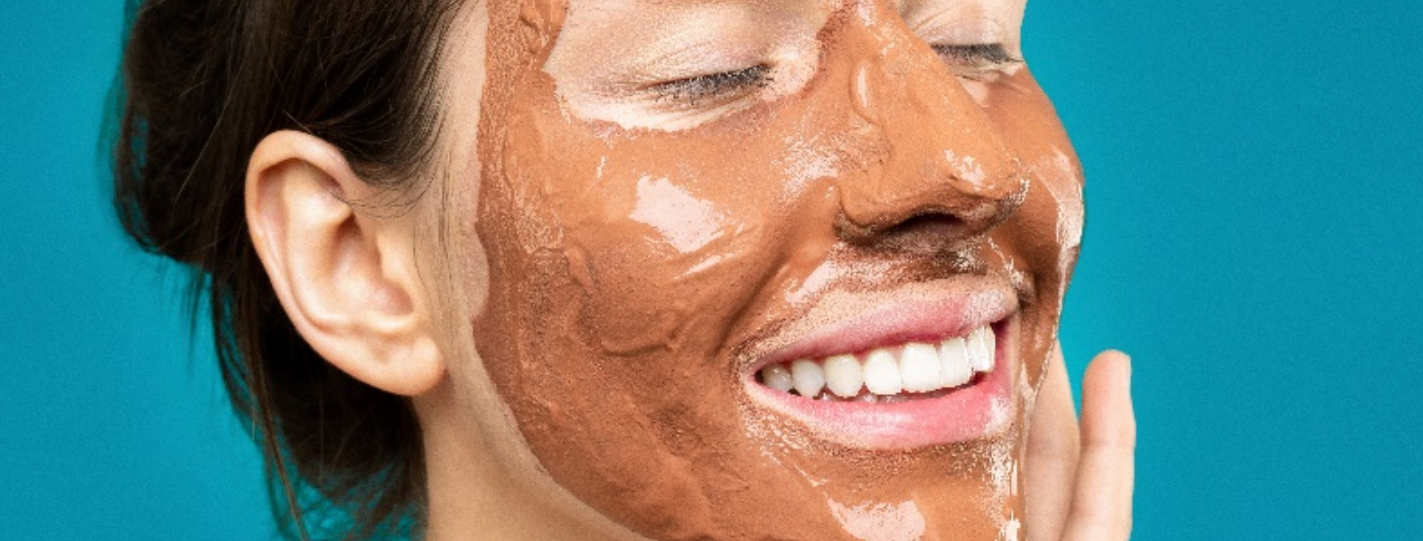
Your kitchen contains ingredients that dermatological science has studied for decades. Honey carries broad-spectrum antibacterial properties documented in multiple clinical reviews, with its antibacterial activity attributed to hydrogen peroxide production, high osmolarity, and acidity — mechanisms that prevent microbial growth and promote tissue repair. (PMC8496555) Oats contain avenanthramides, phenolic compounds that diminish pro-inflammatory cytokines, reduce NF-κB pathway activation in keratinocytes, and restore skin barrier function through ceramide synthesis — making colloidal oatmeal one of the few natural ingredients with genuine FDA recognition as a skin protectant. (PubMed 25607907) DIY face masks built around these ingredients are not just satisfying to make — they are grounded in real biology. The ingredients you already own have been studied, and the results are more interesting than most people realize.
If you want to take your skin further than a weekly DIY face mask can, the Bradceuticals Gold Mesenchymal Stem Cell Growth Factor Serum delivers stem cell-derived growth factors that no kitchen ingredient can replicate. Applied to damp, dewy skin after cleansing, it signals fibroblasts to rebuild collagen and accelerate cellular repair at a level that operates beneath what topical DIY face masks reach. A mask nourishes the surface — the serum works at the structural level. You deserve both. Use your DIY face masks to prep and calm your skin, and let the serum handle the deeper transformation.
What Makes a DIY Face Mask Actually Work
A DIY face mask is most effective when it delivers active compounds to the skin surface long enough for absorption — typically 15 to 20 minutes — while maintaining occlusion that prevents evaporation and enhances ingredient penetration. The skin’s outermost layer, the stratum corneum, selectively admits molecules based on size and lipophilicity. Most DIY face mask ingredients work primarily at the epidermal surface, providing hydration, reducing surface inflammation, and delivering antioxidants. This is meaningful benefit — but it is different from what happens at the dermal level with clinical serums.
Understanding what your DIY face mask can and cannot do helps you use it intelligently. For surface hydration, inflammation calming, and natural antioxidant delivery — DIY face masks excel. For collagen synthesis, cellular regeneration, and structural anti-aging — that is where a growth factor serum takes over.
7 DIY Face Masks Built on Ingredients Science Has Studied
1. Honey and Yogurt DIY Face Mask: Antibacterial and Brightening
Why it works: Honey’s antibacterial activity is well-documented. Its high osmolarity draws fluid from wound beds, its acidity inhibits microbial growth, and its glucose oxidase enzyme generates hydrogen peroxide with broad-spectrum antibacterial effects. (PMC8496555) Honey also stimulates the release of cytokines from leukocytes that initiate the tissue repair process — making it more than just an antimicrobial agent. Yogurt adds lactic acid, a gentle alpha hydroxy acid that promotes mild exfoliation and brightening at the skin surface.
How to make it: Combine 1 tablespoon of raw honey with 2 tablespoons of plain full-fat yogurt. Mix until smooth. Apply an even layer to clean, slightly damp skin and leave on for 15 to 20 minutes. Rinse with lukewarm water and pat dry.
Best for: Acne-prone skin, dull complexion, uneven tone.
Note: Use raw or Manuka honey for the highest active compound content. Processed honey has reduced antibacterial activity.
2. Avocado and Oatmeal DIY Face Mask: Barrier Repair and Anti-Inflammatory
Why it works: Colloidal oatmeal (Avena sativa) contains avenanthramides — phenolic compounds that inhibit NF-κB pathway activation in keratinocytes, reducing the secretion of pro-inflammatory cytokines and histamine that drive skin irritation. (PMC7103792) Topical oatmeal has also been shown to induce ceramide synthesis, restore epidermal lipid balance, and significantly reduce transepidermal water loss in clinical studies. (PubMed 27272074) Avocado provides oleic acid and plant sterols that enhance skin hydration and barrier function, making this DIY face mask ideal for dry or sensitized skin.
How to make it: Mash half a ripe avocado until smooth. Add 1 tablespoon of finely ground rolled oats (use a blender or food processor to create a fine powder). Mix well and apply to clean skin. Leave on for 15 to 20 minutes, then rinse with warm water.
Best for: Dry skin, sensitive or reactive skin, eczema-prone skin, redness.
3. Turmeric and Coconut Oil DIY Face Mask: Antioxidant and Brightening
Why it works: Curcumin, the active polyphenol in turmeric, is one of the most studied natural anti-inflammatory compounds in dermatology. A systematic review of 18 clinical studies found that topical and ingested turmeric/curcumin produced statistically significant improvement in skin disease severity across ten of those studies, addressing conditions from acne to photoaging. (PubMed 27213821) Curcumin inhibits NF-κB signaling, reduces pro-inflammatory cytokines including TNF-α and IL-6, and has been shown to enhance collagen deposition and accelerate wound healing in multiple stages of the repair process. (PMC9698633) Coconut oil provides a carrier medium that enhances skin surface hydration and helps deliver curcumin to the epidermal layers.
How to make it: Mix 1 teaspoon of turmeric powder with 1 tablespoon of coconut oil until a smooth paste forms. Apply carefully to skin, avoiding eyebrows and hairline. Leave on for 10 to 15 minutes. Rinse thoroughly with warm water.
Best for: Dull skin, uneven tone, mild inflammation, antioxidant protection.
Important: Turmeric stains fabric, grout, and surfaces. Use old towels and rinse the sink immediately after rinsing your face.
4. Banana and Honey DIY Face Mask: Hydrating and Softening
Why it works: Bananas are rich in potassium, vitamin C, and B6, which support skin hydration and barrier health. The natural sugars in ripe banana provide gentle humectant properties, drawing moisture to the skin surface. Combined with honey’s antibacterial and tissue-repair mechanisms, this DIY face mask delivers hydration with the added benefit of honey’s documented skin-calming properties. (PMC3941901)
How to make it: Mash half a ripe banana until completely smooth with no lumps. Add 1 tablespoon of raw honey and mix until combined. Apply to clean skin and leave on for 15 minutes. Rinse with lukewarm water.
Best for: Normal to dry skin, dehydrated skin, dull or fatigued complexion.
5. Turmeric and Yogurt DIY Face Mask: Anti-Inflammatory Brightening Boost
Why it works: This variation on the turmeric mask uses yogurt’s lactic acid instead of coconut oil as the carrier, adding gentle exfoliation alongside curcumin’s anti-inflammatory and brightening action. The combination targets surface pigmentation while simultaneously calming the skin — making it one of the more versatile DIY face masks for uneven skin tone. Ten of eighteen clinical studies examining turmeric’s skin effects found statistically significant improvements, with particular evidence for its anti-inflammatory and antioxidant benefits. (PubMed 27213821)
How to make it: Combine ½ teaspoon of turmeric powder with 2 tablespoons of plain yogurt. Mix well and apply to clean, slightly damp skin. Leave on for 10 to 15 minutes. Rinse thoroughly.
Best for: Hyperpigmentation, uneven skin tone, oily or combination skin.
6. Oatmeal and Honey DIY Face Mask: Soothing Barrier Mask
Why it works: Combining oatmeal’s clinically proven barrier-repair and anti-inflammatory activity with honey’s antibacterial and wound-healing properties creates one of the most scientifically grounded DIY face masks on this list. Colloidal oatmeal at 1% concentration has been shown in randomized controlled studies to reduce Eczema Area Severity Index and Atopic Dermatitis Severity Index scores by over 50%, improve skin barrier function, and reduce transepidermal water loss compared to standard moisturizers. (PubMed 32484623) As a DIY face mask, this combination is ideal for post-microneedling care or any time the skin barrier feels compromised.
How to make it: Blend 2 tablespoons of rolled oats into a fine powder. Combine with 1 tablespoon of raw honey and enough warm water to create a paste. Apply to clean skin and leave on for 15 minutes. Rinse gently with warm water.
Best for: Sensitive, reactive, or recently treated skin; redness and irritation; post-procedure recovery.
7. Green Tea and Aloe DIY Face Mask: Antioxidant and Calming
Why it works: Green tea is rich in EGCG (epigallocatechin gallate), a catechin polyphenol with well-documented antioxidant activity that neutralizes UV-induced reactive oxygen species and inhibits pro-inflammatory mediators in the skin. Aloe vera provides mucopolysaccharides that retain moisture at the skin surface and has documented soothing properties for mildly inflamed or sun-exposed skin. Together they create a lightweight DIY face mask suited to oily, sun-damaged, or combination skin types.
How to make it: Brew a strong cup of green tea and allow it to cool completely. Mix 2 tablespoons of cooled green tea with 2 tablespoons of pure aloe vera gel. Apply to clean skin and leave on for 15 minutes. Rinse with cool water.
Best for: Oily skin, sun-exposed skin, antioxidant protection, combination skin.
How to Get More From Your DIY Face Mask Routine
A DIY face mask is most effective when used on well-cleansed skin, applied evenly, left on for the full 15 to 20 minutes, and rinsed with water that is warm but not hot. Hot water strips the skin barrier of natural oils and can undo some of the benefit the mask just delivered. After rinsing, pat skin dry and apply your serum to damp skin immediately — the slight residual moisture supports absorption.
This is exactly the right moment to apply the Bradceuticals Gold Mesenchymal Stem Cell Growth Factor Serum. Your skin is clean, hydrated, and receptive. The growth factors and peptides absorb efficiently into damp skin and begin signaling at the cellular level — something no DIY face mask ingredient can reach. For more on how growth factors work in skin rejuvenation, 10 Reasons Why Stem Cell Skin Care Is a Game Changer covers the science in accessible detail.
Ingredients to Avoid in Your DIY Face Masks
Not every natural ingredient belongs on your face. A few common DIY face mask ingredients cause more harm than benefit and should be avoided:
Lemon juice has a pH of approximately 2 — far too acidic for direct skin contact. It can cause phototoxic burns and permanently disrupt the skin barrier, especially in sun-exposed skin.
Cinnamon and peppermint essential oil are common irritants that cause contact dermatitis even in low concentrations. They are not appropriate for any DIY face mask regardless of skin type.
Baking soda disrupts the skin’s slightly acidic pH (4.5–5.5), compromising barrier function and leaving skin vulnerable to bacterial imbalance.
Egg whites carry a small risk of salmonella on broken or microinjured skin and provide no clinically documented benefit that other DIY face mask ingredients cannot deliver more safely.
Stick to the ingredients with documented skin benefits and appropriate safety profiles — the seven DIY face masks in this guide use exactly those.
Post-DIY Face Mask Skincare Routine
After rinsing your DIY face mask, your skin is primed for product absorption. Follow this simple sequence for maximum benefit:
- Pat dry gently — leave the skin slightly damp, never completely dry.
- Apply growth factor serum — Bradceuticals Gold to damp skin, pressed in gently, not rubbed.
- Follow with moisturizer — seal in hydration with a gentle, fragrance-free formula.
- Apply SPF in the morning — especially after a brightening turmeric or yogurt mask, which can temporarily increase photosensitivity.
For more guidance on building a complete skincare protocol that produces compounding results, 10 Best Growth Factor Serums for Youthful Skin is a useful next read.
Frequently Asked Questions About DIY Face Masks
How often should I use a DIY face mask? One to two times per week is appropriate for most skin types. More frequent use of active ingredients like honey or turmeric can irritate sensitive skin. Let your skin’s response guide the frequency.
Can I use a DIY face mask after microneedling? Use caution. Freshly microneedled skin has a temporarily compromised barrier, and even natural ingredients can cause inflammation when applied to open micro-channels. The oatmeal and honey DIY face mask is the gentlest option if you want to use one post-procedure, but the safest approach is a dedicated post-microneedling serum first.
Do DIY face masks replace a skincare serum? No. DIY face masks work at the epidermal surface — they hydrate, calm, and deliver antioxidants. A growth factor serum works at the dermal level, signaling fibroblasts to produce collagen and accelerate cellular repair. They complement each other.
Which DIY face mask is best for acne-prone skin? The honey and yogurt DIY face mask is the most evidence-supported option for acne-prone skin. Honey’s broad-spectrum antibacterial properties target the bacteria involved in acne without the dryness caused by conventional acne treatments.
Is turmeric safe for all skin types in a DIY face mask? Turmeric is generally well tolerated but can cause contact dermatitis in highly reactive individuals. Always patch test first. Its yellow pigment stains readily — use old linens and rinse all surfaces quickly.
References
- Honey in Wound Healing: An Updated Review. PMC8496555. https://pmc.ncbi.nlm.nih.gov/articles/PMC8496555/
- Evidence for Clinical Use of Honey as Anti-bacterial, Anti-inflammatory and Anti-oxidant Agent. PMC3941901. https://pmc.ncbi.nlm.nih.gov/articles/PMC3941901/
- Anti-inflammatory Activities of Colloidal Oatmeal Contribute to the Effectiveness of Oats in Treatment of Itch Associated with Dry, Irritated Skin. PubMed 25607907. https://pubmed.ncbi.nlm.nih.gov/25607907/
- Colloidal Oatmeal (Avena Sativa) Improves Skin Barrier Through Multi-Therapy Activity. PubMed 27272074. https://pubmed.ncbi.nlm.nih.gov/27272074/
- The Efficacy of Colloidal Oatmeal Cream 1% as Add-on Therapy in the Management of Chronic Irritant Hand Eczema. PMC7103792. https://pmc.ncbi.nlm.nih.gov/articles/PMC7103792/
- Effects of Colloidal Oatmeal Topical Atopic Dermatitis Cream on Skin Microbiome and Skin Barrier Properties. PubMed 32484623. https://pubmed.ncbi.nlm.nih.gov/32484623/
- Potential of Curcumin in Skin Disorders. PMC6770633. https://pmc.ncbi.nlm.nih.gov/articles/PMC6770633/
- Wound-Healing Effects of Curcumin and Its Nanoformulations: A Comprehensive Review. PMC9698633. https://pmc.ncbi.nlm.nih.gov/articles/PMC9698633/
- Effects of Turmeric (Curcuma longa) on Skin Health: A Systematic Review of the Clinical Evidence. PubMed 27213821. https://pubmed.ncbi.nlm.nih.gov/27213821/
Disclaimer: This article is for educational purposes only and does not constitute medical advice. Always consult a licensed dermatologist or skincare professional before introducing new ingredients into your skincare routine, especially if you have a diagnosed skin condition. Always patch test new ingredients before full application. Individual results vary.
Last reviewed: March 2026