

Hyaluronic acid is the most widely used hydrating ingredient in modern skincare, appearing in thousands of products across every price point—yet most consumers understand almost nothing about the molecular science that determines whether their hyaluronic acid product delivers lasting tissue hydration or evaporates within hours. This naturally occurring glycosaminoglycan exists in every layer of human skin, where it maintains the moisture environment that collagen synthesis, cellular turnover, and wound healing depend on (PMC3583892). Your body produces approximately 5 grams of hyaluronic acid daily, but that production declines steadily after age 25—losing roughly 1% per year and accelerating after menopause. By age 50, your skin retains roughly half the hyaluronic acid it held at 20. Understanding how to supplement this decline topically, and what makes one hyaluronic acid formulation dramatically more effective than another, transforms this ubiquitous ingredient from a generic moisturizer into a precision skincare tool.
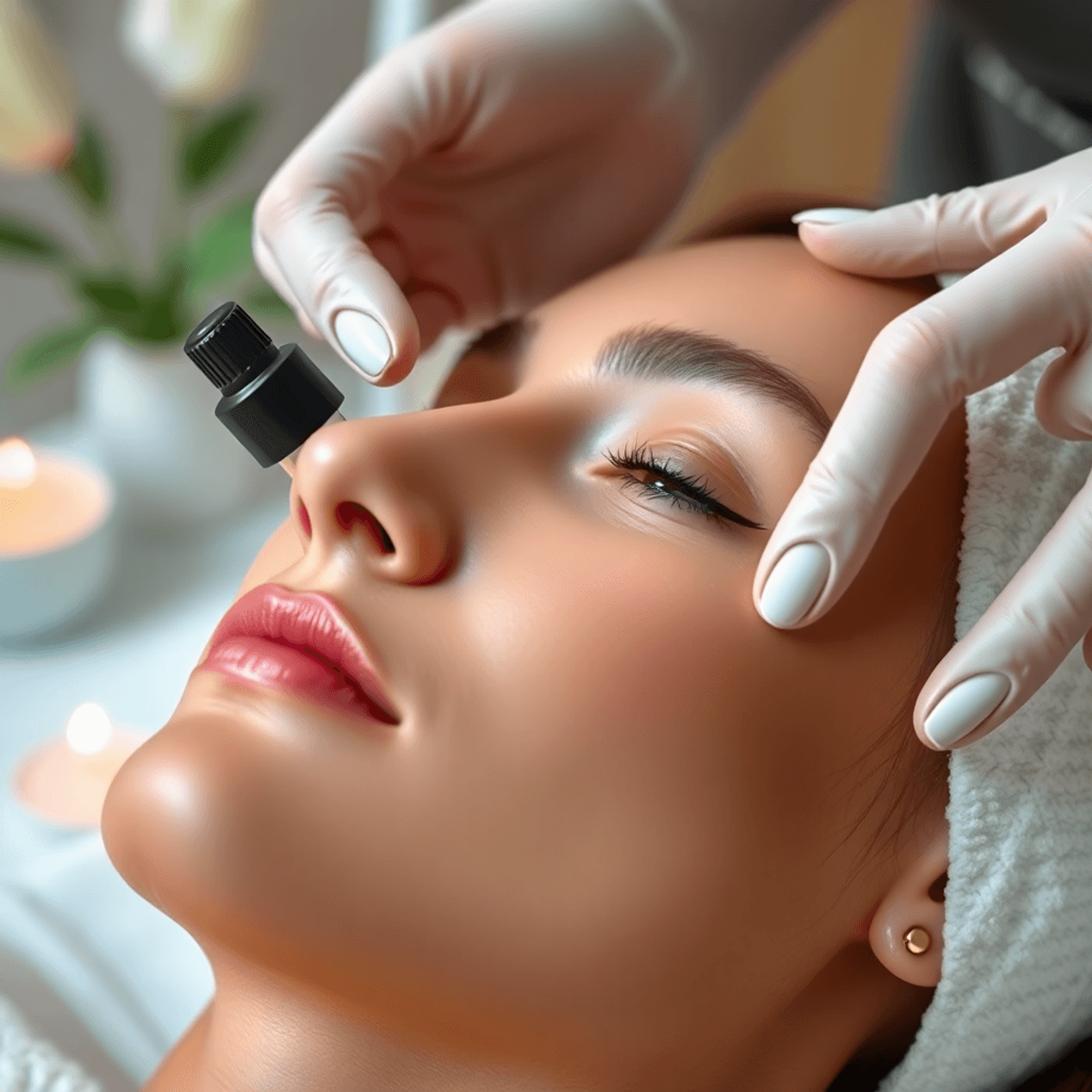
For anyone using microneedling to amplify their skincare results, hyaluronic acid provides the essential hydration foundation—but hydration alone captures only a fraction of what the post-treatment window offers. Bradceuticals Gold Mesenchymal Stem Cell Growth Factor Serum pairs deep moisture support with the complete human mesenchymal stem cell secretome, delivering EGF, FGF, TGF-β, VEGF, and PDGF through open micro-channels at the exact moment when fibroblast receptors are maximally responsive. Applied to damp, dewy skin after treatment, it provides what hyaluronic acid alone cannot—active regenerative signaling that converts hydration into collagen synthesis, accelerated healing, and measurable tissue improvement.
What Hyaluronic Acid Actually Does in Your Skin
Hyaluronic acid is not a moisturizer in the traditional sense. It’s a structural component of your extracellular matrix—the scaffolding between cells that maintains tissue architecture, facilitates nutrient transport, and regulates cellular communication (PMC7271222).
In the dermis, hyaluronic acid forms a gel-like matrix that surrounds collagen and elastin fibers, maintaining the hydrated environment these structural proteins need to function. Collagen fibers that dehydrate become brittle and disorganized. Elastin fibers in dehydrated tissue lose their recoil properties. The enzymatic processes that synthesize new collagen require specific moisture conditions that hyaluronic acid maintains. Without adequate dermal HA, your skin’s structural framework degrades faster regardless of how many collagen-stimulating actives you apply.
In the epidermis, hyaluronic acid regulates keratinocyte differentiation and migration—processes essential for healthy cell turnover and barrier function. Epidermal HA also modulates the skin’s inflammatory responses, with different molecular weight fragments producing distinct immunological effects.
On the skin surface, hyaluronic acid creates a hygroscopic film that draws atmospheric moisture and prevents transepidermal water loss (TEWL). This film produces the immediate plumping, smoothing, and dewy appearance that consumers associate with HA products—but it represents only the most superficial dimension of what hyaluronic acid does when properly formulated and applied.
Molecular Weight: The Science That Separates Effective Hyaluronic Acid from Mediocre Products
The single most important variable in any hyaluronic acid product is molecular weight distribution—yet most products never disclose this information. Hyaluronic acid molecules range from 5 kDa to over 2,000 kDa, and each size range produces fundamentally different biological effects (PMC7271222).
High molecular weight HA (over 1,000 kDa) cannot penetrate the stratum corneum. These large molecules sit on the skin surface, forming a moisture-retaining film that provides immediate visible plumping and reduces TEWL. Most inexpensive hyaluronic acid products contain primarily high molecular weight HA—which explains why their effects feel temporary and disappear after washing.
Medium molecular weight HA (100–1,000 kDa) partially penetrates into the viable epidermis, hydrating living keratinocytes and supporting normal differentiation processes. This weight range bridges surface effects with deeper tissue benefits.
Low molecular weight HA (10–50 kDa) penetrates into the dermis, directly hydrating the tissue layer where fibroblasts synthesize collagen and elastin. This deep delivery supports the moisture-dependent enzymatic processes that drive structural protein production—making low molecular weight HA the most therapeutically significant fraction for anti-aging applications.
Ultra-low molecular weight HA (under 10 kDa) reaches the deepest dermal layers and demonstrates bioactive signaling properties beyond hydration—including pro-angiogenic activity that supports nutrient delivery to healing tissue. However, some research indicates fragments in this range may trigger inflammatory responses in compromised or sensitive skin.
The best hyaluronic acid products combine multiple molecular weights to address every tissue depth simultaneously. Single-weight formulations—regardless of concentration or price—can only serve one layer effectively, leaving other depths unaddressed.
How Hyaluronic Acid Concentration Affects Performance
Marketing frequently positions concentration as the primary quality differentiator—”2% hyaluronic acid” appears to be twice as effective as “1%.” The relationship between concentration and efficacy is far less linear than this implies (PMC3583892).
Hyaluronic acid at concentrations above 2% becomes increasingly viscous, creating a sticky film that interferes with product layering and can paradoxically draw moisture from deeper tissue toward the surface in low-humidity environments. This reverse-hydration effect is why some consumers report that their hyaluronic acid product makes their skin feel drier—they’re using a high-concentration, high-molecular-weight formulation in a dry climate without an occlusive seal.
The optimal concentration range for most hyaluronic acid formulations falls between 0.5–2% total HA content. Within this range, molecular weight distribution matters exponentially more than total percentage. A 0.8% serum containing three molecular weights calibrated for dermal, epidermal, and surface delivery outperforms a 2% serum containing only high molecular weight HA—despite having less than half the total hyaluronic acid content.
pH compatibility also influences efficacy. Hyaluronic acid functions optimally at pH 5.0–7.0, aligning with the skin’s natural acid mantle. Formulations outside this range compromise both HA stability and skin barrier integrity.
Hyaluronic Acid and Microneedling: Why This Combination Transforms Results
Microneedling creates a fundamentally different delivery environment for hyaluronic acid. The thousands of micro-channels penetrating 0.5–2.5mm into the skin bypass the stratum corneum entirely, allowing even high molecular weight HA to reach tissue depths it cannot access through intact skin (PMC5556159).
This enhanced penetration transforms hyaluronic acid from a surface hydrator into a deep tissue moisturizer. Low molecular weight HA delivered through micro-channels reaches the dermal matrix at concentrations that support collagen synthesis conditions far more effectively than topical application to intact skin. The moisture environment it creates in the dermis directly enhances fibroblast function during the critical healing stages when collagen production peaks.
However, microneedling with hyaluronic acid alone captures only the hydration dimension of what the post-treatment window offers. The 300% absorption increase applies equally to growth factors, peptides, and other actives that drive collagen synthesis, cellular turnover, and tissue remodeling. This is why the most effective post-microneedling protocols layer hyaluronic acid as a hydration base beneath growth factor serums that deliver the regenerative signaling molecules fibroblasts need to maximize collagen output.
For post-microneedling application, purity standards escalate significantly. When micro-channels provide direct dermal access, every preservative, fragrance compound, and potential irritant in the formulation reaches living tissue. The best hyaluronic acid for microneedling is sterile, fragrance-free, and formulated with minimal preservatives at concentrations that maintain safety without introducing irritation through compromised barriers.
The Ingredients That Make Hyaluronic Acid Work Better
Hyaluronic acid performs optimally within formulations that include complementary ingredients addressing the biological context in which HA operates.
Ceramides prevent the transepidermal water loss that hyaluronic acid works to counteract. While HA pulls moisture into tissue, ceramides seal the barrier to prevent that moisture from escaping. Using hyaluronic acid without adequate barrier lipids is like filling a leaking container—the input never catches up with the loss.
Niacinamide at 4–5% increases the skin’s endogenous ceramide production, strengthening the barrier from within while hyaluronic acid hydrates from without. This combination addresses both sides of the moisture equation simultaneously (PMC4120804).
Panthenol (Vitamin B5) converts to pantothenic acid in the skin, supporting barrier repair and wound healing processes that complement HA’s hydration delivery. The combination is particularly effective during post-procedure recovery when barrier integrity is compromised.
Glycerin works synergistically with hyaluronic acid as a humectant, drawing additional moisture from the environment. The two humectants operating at different molecular scales create a more comprehensive hydration network than either provides alone.
Growth factors (EGF, FGF, TGF-β) leverage the hydrated tissue environment that hyaluronic acid creates to drive collagen synthesis at maximum efficiency. Fibroblasts in well-hydrated dermis respond more robustly to growth factor signaling than those in dehydrated tissue—making HA application before growth factor delivery a sequencing strategy that amplifies regenerative outcomes.
How to Apply Hyaluronic Acid for Maximum Effectiveness
Application technique influences hyaluronic acid efficacy more than most consumers realize.
Always apply to damp skin. Hyaluronic acid’s moisture-attracting mechanism requires available water molecules. Applying to bone-dry skin forces HA to draw moisture from deeper tissue layers rather than from the surface water you should be providing. Mist your face lightly or apply within 60 seconds of cleansing while residual moisture remains.
Use the right amount. Two to three drops for the full face provides sufficient coverage without creating the sticky film that excess hyaluronic acid produces. More product does not mean more hydration—it means slower absorption and interference with subsequent product layers.
Pat, never rub. Gentle pressing motions distribute hyaluronic acid evenly and press molecules into the skin’s surface texture. Rubbing creates friction that disrupts even distribution and can irritate sensitized or post-procedure skin.
Layer strategically. Apply hyaluronic acid as your first serum step on damp skin. Allow 30–60 seconds for initial absorption, then layer treatment serums (growth factors, peptides, vitamin C), moisturizer, and sunscreen in order of increasing thickness.
Seal in low humidity. In environments below 30% relative humidity, hyaluronic acid applied without an occlusive moisturizer can draw moisture upward from deeper skin and release it to the dry atmosphere—effectively dehydrating rather than hydrating. Always follow HA with a ceramide-rich moisturizer or occlusive balm in dry climates, heated indoor environments, or during winter months.
Adjust frequency to skin needs. Twice-daily application (morning and evening) provides consistent hydration support. Post-microneedling, increase to every 4–6 hours during the first 24 hours when transepidermal water loss is elevated through open micro-channels.
Common Hyaluronic Acid Mistakes That Undermine Results
Using high-concentration HA in dry climates without occlusion. This is the most common cause of the “hyaluronic acid dried out my skin” complaint. The solution isn’t avoiding HA—it’s sealing it with moisturizer.
Applying to dry skin. Without surface moisture to attract, hyaluronic acid pulls water from the dermis toward the epidermis—the reverse of its intended function. Always apply to damp skin.
Expecting anti-aging results from hydration alone. Hyaluronic acid plumps and hydrates, which temporarily softens fine lines. But it doesn’t stimulate collagen synthesis, accelerate cell turnover, or rebuild structural tissue. Genuine anti-aging requires combining HA with collagen-stimulating actives like growth factors, retinoids, or peptides.
Choosing products by concentration rather than molecular weight. A 2% single-weight HA serum underperforms a 0.8% multi-weight formulation in every tissue depth metric. Ask about molecular weight distribution, not just percentage.
Using hyaluronic acid products with fragrances or irritants post-microneedling. Enhanced penetration through micro-channels delivers every ingredient deeper—beneficial and harmful alike. Post-procedure HA must be sterile and fragrance-free.
Frequently Asked Questions
Is hyaluronic acid good for all skin types? Yes. Hyaluronic acid is one of the most universally tolerated skincare ingredients because it’s a naturally occurring component of human tissue. Oily skin benefits from lightweight HA serums that hydrate without adding oil. Dry skin benefits from multi-weight formulations sealed with occlusive moisturizer. Sensitive skin tolerates fragrance-free, minimal-ingredient HA formulations exceptionally well.
Can hyaluronic acid replace moisturizer? No. Hyaluronic acid is a humectant that draws moisture into tissue but does not seal it there. Without an occlusive moisturizer layer containing ceramides, squalane, or petrolatum, the moisture HA attracts can evaporate from the skin surface—particularly in low-humidity environments. Use HA as a hydration base underneath moisturizer, not as a replacement.
How long does hyaluronic acid take to show results? Immediate plumping and surface hydration are visible within minutes of application. Cumulative improvements in skin texture, moisture retention capacity, and barrier function develop over 2–4 weeks of consistent twice-daily use.
Should I use hyaluronic acid before or after microneedling? After. Apply within 5 minutes of treatment completion while micro-channels remain open. The enhanced absorption delivers HA to dermal tissue at concentrations impossible through intact skin, providing deep hydration that supports the collagen synthesis occurring during the healing response.
Can I use too much hyaluronic acid? Excessive application creates a sticky surface film without additional hydration benefit. Two to three drops for the full face is sufficient. Concentrations above 2% can become counterproductive, particularly in dry environments where high-concentration HA may draw moisture from deeper tissue.
What should I pair with hyaluronic acid for anti-aging? For maximum anti-aging benefit, layer hyaluronic acid beneath growth factor serums, retinoids (evening), and vitamin C (morning). HA creates the hydrated tissue environment that these active ingredients need to function optimally. The combination produces compounded results that exceed what any single ingredient achieves alone.
References
- Ganceviciene, R., et al. “Skin anti-aging strategies.” Dermato-Endocrinology, 2012. (PMC3583892)
- Juncan, A. M., et al. “Advantages of hyaluronic acid and its combination with other bioactive ingredients in cosmeceuticals.” Molecules, 2021. (PMC7271222)
- Singh, A., & Yadav, S. “Microneedling: Advances and widening horizons.” Indian Dermatology Online Journal, 2016. (PMC5556159)
- Wohlrab, J., & Kreft, D. “Niacinamide—mechanisms of action and its topical use in dermatology.” Skin Pharmacology and Physiology, 2014. (PMC4120804)
- Papakonstantinou, E., et al. “Hyaluronic acid: A key molecule in skin aging.” Dermato-Endocrinology, 2012. (PMC3583886)
Disclaimer: This article is for informational purposes only and does not constitute medical advice. Hyaluronic acid product selection should consider individual skin type, climate conditions, concurrent treatments, and specific concerns. Consult a qualified dermatologist for personalized skincare recommendations. Results vary based on product formulation quality, molecular weight distribution, application technique, and routine consistency.
Last reviewed: March 2026
About Bradceuticals : Thuy Myers is the founder of Bradceuticals which manufactures and distributes skin care and hair regrowth serums that use growth factors from human stem cells as the catalyst for regeneration. When she is not busy running the business and maintaining blogs, she is continuing her practice as a semiconductor engineer and occasionally teaches college engineering. In her free time, she enjoys the beach, working out at the gym and hanging out with her kiddo Brad.