

The best stem cell serum delivers something no conventional anti-aging product can—coordinated regenerative signaling that instructs your skin cells to behave younger rather than simply masking the visible consequences of aging. While retinoids accelerate turnover through one pathway and peptides stimulate collagen through another, stem cell–derived conditioned media contains the complete secretome: hundreds of growth factors, cytokines, and extracellular vesicles working in concert to orchestrate tissue repair the same way your body does naturally (PMC6835901). This biological coordination is what separates the best stem cell serum from products that merely include “stem cell” on their label. Understanding the science behind that distinction protects you from spending premium prices on formulations that deliver antioxidant protection marketed as regeneration.
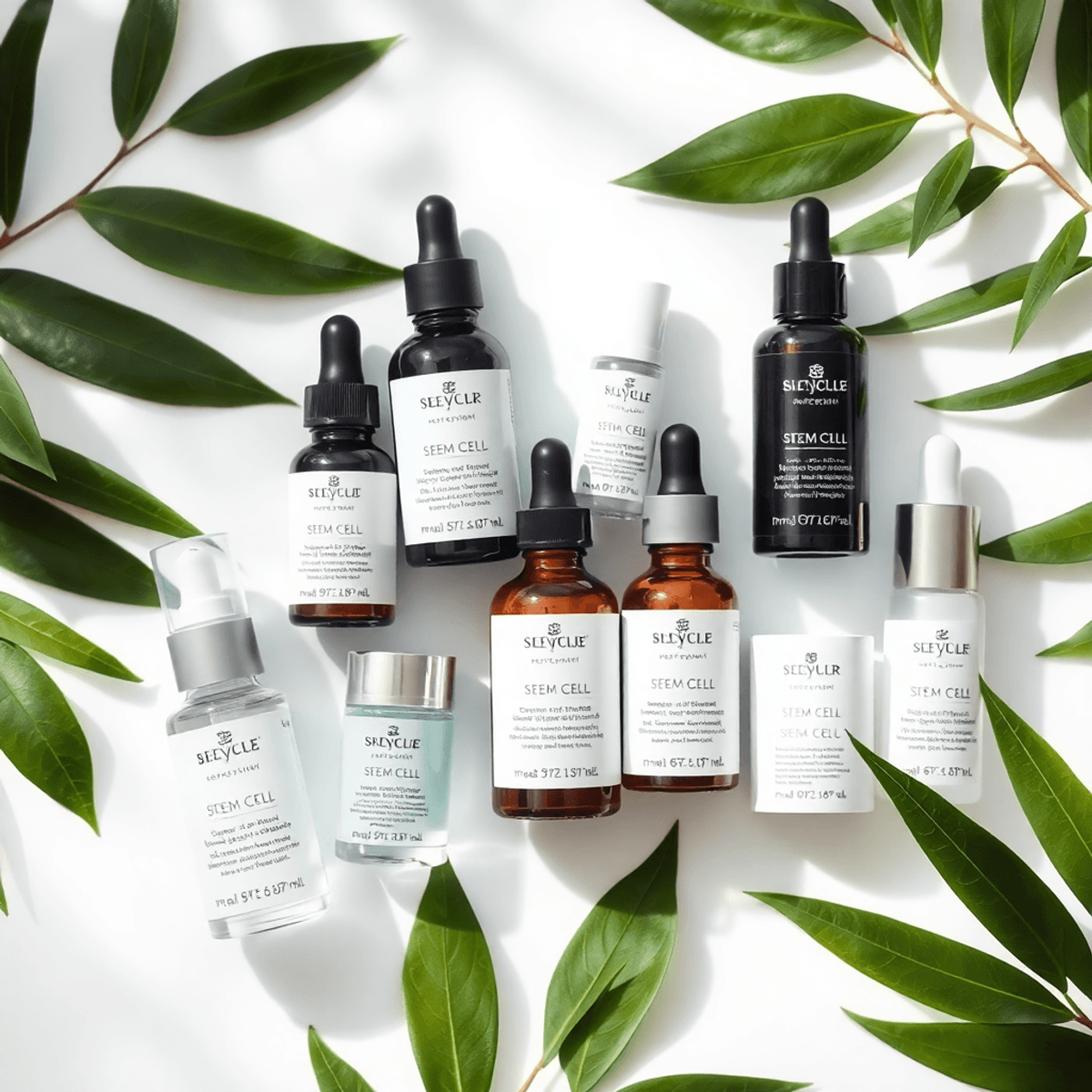
The formulation that consistently defines what the best stem cell serum category can achieve is Bradceuticals Gold Mesenchymal Stem Cell Growth Factor Serum. It delivers human mesenchymal stem cell conditioned media containing the full growth factor spectrum—EGF, FGF, TGF-β, VEGF, PDGF—in a lightweight lotion that absorbs rapidly into skin tissue without the heavy emollients that slow active ingredient delivery in cream-based formulations. Applied to damp, dewy skin as part of your daily routine or within minutes of microneedling when dermal receptors peak in responsiveness, it provides the regenerative payload that makes the difference between gradual decline management and genuine tissue-level rejuvenation.
What Makes the Best Stem Cell Serum Different from Standard Anti-Aging Products
Every anti-aging product targets one or more mechanisms of skin aging—oxidation, collagen loss, slowed turnover, barrier degradation, inflammation. Most products address these mechanisms individually through single-pathway ingredients. The best stem cell serum addresses all of them simultaneously through the same coordinated signaling system your body uses during wound healing (PMC7140425).
This difference is biological, not marketing. When mesenchymal stem cells are cultured in laboratory conditions, they secrete a complex mixture of molecules collectively called the secretome. This secretome evolved to coordinate tissue repair—meaning every component serves a specific role in a synchronized regenerative sequence:
EGF (epidermal growth factor) accelerates keratinocyte proliferation, driving faster epidermal turnover that brings fresh cells to the surface and sheds pigmented or damaged ones more quickly.
FGF (fibroblast growth factor) directly stimulates fibroblast activity—the cellular engine that produces collagen, elastin, and the glycosaminoglycans that maintain dermal structure and hydration.
TGF-β (transforming growth factor-beta) modulates the inflammatory response, ensuring that productive healing progresses on schedule while preventing the chronic low-grade inflammation (“inflammaging”) that accelerates collagen degradation.
VEGF (vascular endothelial growth factor) promotes blood vessel formation, improving oxygen and nutrient delivery to tissue that’s actively rebuilding—essential for supporting the metabolic demands of collagen synthesis.
PDGF (platelet-derived growth factor) coordinates the tissue remodeling phase, influencing how newly formed collagen fibers organize into structured networks that provide long-term firmness and elasticity.
The best stem cell serum delivers all of these signals in their native biological ratios—the same proportions that orchestrate repair in living tissue. This is fundamentally different from applying recombinant EGF in isolation or using a peptide that mimics one fragment of one growth factor’s activity (PMC4024460).
Human vs. Plant Stem Cell Serums: The Distinction That Defines Results
The term “stem cell serum” encompasses two biologically distinct categories that deliver dramatically different outcomes. Understanding this distinction is essential for identifying the best stem cell serum for your goals.
Human-Derived Conditioned Media
Human mesenchymal stem cells—cultured from adipose tissue, bone marrow, or umbilical cord sources—secrete growth factors that bind directly to receptors on human skin cells. This receptor compatibility exists because the signaling molecules and the target cells evolved within the same biological system. When EGF from human conditioned media reaches a keratinocyte receptor, the binding affinity and downstream signaling cascade match what the cell expects from endogenous EGF—producing efficient, coordinated biological responses (PMC6835901).
The best stem cell serum built on human conditioned media delivers genuine regenerative capability: measurable increases in collagen synthesis, accelerated cellular turnover, modulated inflammation, and enhanced wound healing that peer-reviewed research supports.
Plant-Derived Stem Cell Extracts
Plant stem cells—from Swiss apples, edelweiss, grapes, argan, or other botanical sources—produce metabolites that evolved to protect plant tissue from UV radiation, dehydration, and pathogen attack. These extracts deliver polyphenolic antioxidants, amino acids, and protective compounds that provide meaningful free radical defense and anti-inflammatory activity when applied to human skin.
However, plant growth factors lack receptor compatibility with human cells. They cannot bind to fibroblast receptors to stimulate collagen production or initiate the wound-healing cascade that drives tissue regeneration. A plant-based stem cell serum provides antioxidant protection marketed in regenerative language—valuable for what it does, but categorically different from what the best stem cell serum containing human conditioned media achieves.
This biological reality doesn’t make plant stem cell products worthless—their antioxidant profiles meaningfully reduce oxidative stress. But price your expectations accordingly: protection versus regeneration represent fundamentally different outcomes.
Key Supporting Ingredients in the Best Stem Cell Serum
Growth factors provide the regenerative foundation, but supporting ingredients determine how effectively the best stem cell serum translates that potential into visible results.
Multi-weight hyaluronic acid creates the hydrated tissue environment that collagen synthesis requires. Fibroblasts in well-hydrated dermis respond more robustly to growth factor signaling than those in dehydrated tissue—making HA a performance multiplier for the best stem cell serum rather than just a comfort ingredient (PMC3583892).
Bioactive peptides stimulate collagen production through signaling pathways independent of growth factors, creating complementary rather than redundant stimulation. Copper tripeptide (GHK-Cu) simultaneously drives collagen synthesis, glycosaminoglycan production, and inflammation modulation—amplifying the regenerative context the best stem cell serum establishes (PMC6073405).
Niacinamide at 4–5% concentration strengthens the skin barrier through increased ceramide synthesis while suppressing melanocyte overactivity and modulating inflammatory pathways. In the best stem cell serum formulations, niacinamide ensures that the regenerative environment growth factors create isn’t undermined by barrier weakness or chronic inflammation (PMC4120804).
Ceramides reconstruct the lipid barrier that protects newly regenerated tissue and prevents the transepidermal water loss that degrades growth factor efficacy. The best stem cell serum formulations either include ceramides directly or are designed to layer effectively over ceramide-rich moisturizers.
9 Best Stem Cell Serum Options Ranked for 2026
Tier 1: Human-Derived Growth Factor Powerhouses
Bradceuticals Gold Mesenchymal Stem Cell Growth Factor Serum earns the top position among best stem cell serum options because it delivers the complete human mesenchymal stem cell secretome in a lightweight lotion format that maximizes active ingredient delivery to dermal tissue. The rapid absorption allows growth factors to reach fibroblast receptors without the delays that heavier cream vehicles introduce. Sterile, fragrance-free, and specifically formulated for both daily use and post-microneedling application, it represents the most comprehensive regenerative formulation available outside clinical settings.
CALECIM Professional Serum utilizes umbilical cord lining stem cell conditioned media with PTT-6 exosome technology. The growth factor and extracellular vesicle payload supports accelerated healing and enhanced intercellular communication. Widely adopted in medical aesthetics practices, it’s a leading best stem cell serum in professional treatment rooms.
AnteAGE MD System combines bone marrow mesenchymal stem cell conditioned media with pro-healing cytokines in a two-step serum plus moisturizer system. The dual-product approach separates growth factor delivery from occlusive moisture support—a pharmacologically sound strategy that maximizes active penetration before barrier sealing.
SkinMedica TNS Advanced+ Serum delivers human fibroblast conditioned media combined with peptides, antioxidants, and botanicals in a dual-chamber system. The multi-active formula addresses regeneration, protection, and hydration within a single product, making it a convenient best stem cell serum for patients who prefer consolidated routines.
Tier 2: Specialized and Targeted Formulations
Le Mieux EGF-DNA Serum concentrates on epidermal growth factor delivery for targeted keratinocyte stimulation. While narrower in scope than full-secretome options, its focused approach makes it one of the best stem cell serum choices for patients specifically targeting surface texture, tone correction, and healing acceleration.
Lifeline Stem Cell Skin Care Intensive Recovery Complex uses human parthenogenetic stem cell extracts as its active base. The non-embryonic derivation addresses ethical considerations while delivering growth factors and peptides that support tissue repair and collagen synthesis.
Osmosis StemFactor Growth Factor Serum combines human fibroblast conditioned media with a zinc finger technology designed to enhance DNA repair processes. The unique mechanism targets both the signaling (growth factors) and structural repair (DNA correction) dimensions of skin aging.
Tier 3: Plant-Based and Accessible Options
Juice Beauty Stem Cellular Anti-Wrinkle Serum combines fruit stem cells (grape and apple) with vitamin C and resveratrol. The antioxidant-rich formulation provides meaningful environmental protection within a clean beauty framework. While not delivering human growth factor regeneration, it’s among the best stem cell serum options for consumers prioritizing organic, plant-based skincare.
Andalou Naturals BioActive Berry Fruit Stem Cell Serum pairs fruit stem cells with resveratrol and CoQ10 in a certified organic formulation at an accessible price point. The antioxidant profile addresses environmental aging while plant-derived actives support surface cell vitality. A budget-friendly entry into the best stem cell serum category with genuine botanical science behind its active ingredients.
How to Maximize Your Best Stem Cell Serum Results
Application technique matters. Apply to clean, damp skin—never bone dry. Growth factors in the best stem cell serum need the hydrated tissue environment that damp application provides to reach receptors efficiently. Pat gently using fingertips; never rub or drag across the skin surface.
Timing amplifies impact. Evening application allows uninterrupted overnight absorption when cell regeneration naturally peaks. Morning application provides growth factor support during daytime environmental exposure. Twice-daily use of the best stem cell serum produces cumulative benefits that exceed once-daily application.
Microneedling creates a quantum leap. The 300% absorption increase through open micro-channels delivers growth factors directly to the dermal layer where fibroblasts reside—a depth they cannot reach through intact skin. Apply your best stem cell serum within 5 minutes of completing microneedling while channels remain maximally open. This combination produces collagen responses that significantly exceed either treatment alone.
Layering strategy matters. Apply hyaluronic acid first as a hydration base, then your best stem cell serum for active regeneration, then moisturizer with ceramides to seal everything in. Finish with SPF 30+ in the morning. This sequence ensures optimal absorption at each step without ingredient competition.
Consistency determines outcomes. The best stem cell serum produces measurable collagen increases over 4–12 weeks of consistent use. Growth factors influence cumulative biological processes—fibroblast activation, procollagen gene expression, collagen fiber maturation—that compound over time. Sporadic use interrupts this biological momentum.
How to Evaluate a Stem Cell Serum Before Purchasing
Stem cell source transparency separates genuine formulations from marketing exercises. The best stem cell serum clearly identifies its source—human mesenchymal stem cell conditioned media, adipose-derived secretome, or specific plant species. Vague terms like “stem cell complex” without source identification suggest marketing rather than science.
INCI list positioning reveals actual concentration. Growth factors or conditioned media appearing in the first five ingredients indicate therapeutic concentrations. The same components listed after preservatives suggest trace amounts for label claims.
Clinical evidence supporting the specific formulation or its key ingredients provides confidence beyond marketing assertions. The best stem cell serum brands reference peer-reviewed studies or dermatologist endorsement.
Packaging integrity protects bioactive proteins. Growth factors degrade with heat, light, and oxidation. Airless pumps, amber glass, and opaque containers indicate a manufacturer who understands bioactive stability. Jar packaging exposes contents to air and light with every use—compromising the very ingredients that make the best stem cell serum effective.
Formulation purity matters increasingly for patients incorporating growth factor serums into post-microneedling protocols. Fragrances, essential oils, and harsh preservatives that are tolerable on intact skin become irritants when delivered through open micro-channels.
Frequently Asked Questions
What does a stem cell serum actually do for your skin? The best stem cell serum delivers growth factors and signaling molecules that instruct fibroblasts to produce more collagen, accelerate keratinocyte turnover, modulate inflammation, and coordinate tissue repair. The net effect is firmer texture, reduced wrinkles, more even pigmentation, and improved resilience—achieved through biological signaling rather than surface-level masking.
How long until I see results from the best stem cell serum? Improved hydration and radiance typically appear within 1–2 weeks. Measurable changes in firmness, wrinkle depth, and pigmentation develop over 4–12 weeks as new collagen matures and cellular turnover normalizes. Maximum results require consistent daily application over several months.
Is a human stem cell serum better than a plant stem cell serum? For genuine tissue regeneration—collagen synthesis, accelerated healing, coordinated cellular repair—human-derived conditioned media is significantly more effective due to receptor compatibility with human skin cells. Plant stem cell extracts provide valuable antioxidant protection but cannot directly signal fibroblasts for collagen production.
Can I use a stem cell serum with retinol? Yes. They work through complementary mechanisms—retinol accelerates cell turnover while the best stem cell serum provides the growth factors that support the regenerative processes turnover demands. Use retinol at night and stem cell serum morning and evening.
Is stem cell serum safe for sensitive skin? Human mesenchymal stem cell conditioned media contains anti-inflammatory cytokines (IL-10, TGF-β) that actively calm reactive skin. The best stem cell serum for sensitive types avoids added fragrances, essential oils, and harsh preservatives that trigger sensitivity independent of the stem cell component.
Should I use stem cell serum before or after microneedling? After. Apply the best stem cell serum to damp skin within 5 minutes of completing microneedling while micro-channels remain open. This delivers growth factors directly to the dermal layer for maximum regenerative impact during the wound-healing response.
References
- Suh, A., et al. “Adipose-derived mesenchymal stem cell secretome for skin aging.” International Journal of Molecular Sciences, 2019. (PMC6835901)
- Ferreira, J. R., et al. “Mesenchymal stromal cell secretome: influencing therapeutic potential.” Frontiers in Cell and Developmental Biology, 2020. (PMC7140425)
- Fitzpatrick, R. E., & Rostan, E. F. “Reversal of photodamage with topical growth factors.” Journal of Cosmetic and Laser Therapy, 2003. (PMC4024460)
- Ganceviciene, R., et al. “Skin anti-aging strategies.” Dermato-Endocrinology, 2012. (PMC3583892)
- Errante, J., et al. “Bioactive peptides in cosmeceuticals.” International Journal of Molecular Sciences, 2018. (PMC6073405)
- Wohlrab, J., & Kreft, D. “Niacinamide—mechanisms of action and its topical use in dermatology.” Skin Pharmacology and Physiology, 2014. (PMC4120804)
Disclaimer: This article is for informational purposes only and does not constitute medical advice. The best stem cell serum for your skin depends on individual factors including skin type, age, specific concerns, and concurrent treatments. Consult a qualified dermatologist for personalized skincare recommendations. Results vary based on product formulation quality, application consistency, and individual biological response.
Last reviewed: March 2026
About Bradceuticals : Thuy Myers is the founder of Bradceuticals which manufactures and distributes skin care and hair regrowth serums that use growth factors from human stem cells as the catalyst for regeneration. When she is not busy running the business and maintaining blogs, she is continuing her practice as a semiconductor engineer and occasionally teaches college engineering. In her free time, she enjoys the beach, working out at the gym and hanging out with her kiddo Brad.