

The science behind the best stem cell moisturizer has moved far beyond marketing hype. Mesenchymal stem cell conditioned media — the growth-factor-rich fluid collected from cultured human stem cells — contains signaling proteins such as epidermal growth factor (EGF), transforming growth factor beta (TGF-β), and vascular endothelial growth factor (VEGF), all of which play documented roles in wound healing and tissue remodeling (Park et al., 2019). When formulated into a moisturizer, these growth factors communicate directly with fibroblasts and keratinocytes to accelerate collagen synthesis, reduce transepidermal water loss, and smooth fine lines. If you have been searching for the best stem cell moisturizer that merges clinical evidence with real-world results, this guide breaks down exactly what to look for and which formulations deliver.
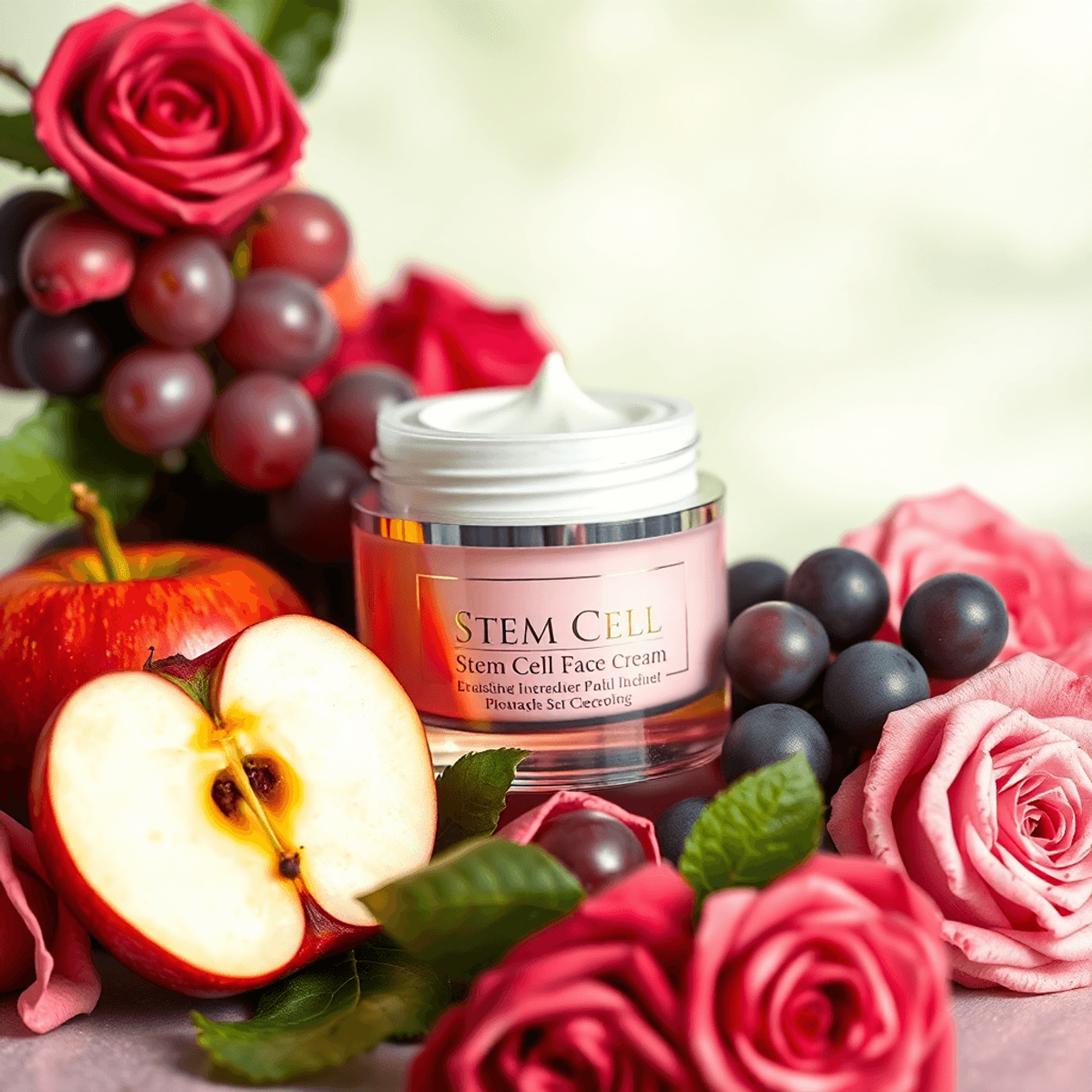
Not every best stem cell moisturizer on the shelf contains the same caliber of active ingredients. A 2020 study published in the Journal of Cosmetic Dermatology found that human adipose-derived stem cell conditioned media significantly improved skin elasticity and wrinkle depth in participants after eight weeks of topical application (Kim et al., 2020). This matters because many mass-market “stem cell” creams rely solely on plant extracts — apple stem cell culture or grape phytocells — that function primarily as antioxidants rather than true growth factor delivery systems. Bradceuticals’ Gold Mesenchymal Stem Cell Growth Factor Serum takes a different approach, concentrating human mesenchymal stem cell conditioned media into a lightweight serum designed to be applied to damp, dewy skin immediately after microneedling for maximum penetration of growth factors into freshly created microchannels.
How the Best Stem Cell Moisturizer Work at the Cellular Level
A best stem cell moisturizer delivers its benefits through paracrine signaling — the process by which growth factors secreted from stem cells instruct neighboring cells to behave in specific ways. Research from Seoul National University demonstrated that conditioned media from mesenchymal stem cells stimulated type I collagen production in human dermal fibroblasts by up to 31% compared to control groups (Park et al., 2019). This is fundamentally different from how a standard hyaluronic acid moisturizer works. While hyaluronic acid draws water into the stratum corneum for surface-level plumping, growth factors in the best stem cell moisturizers trigger actual structural rebuilding deeper in the dermis.
EGF, one of the most studied growth factors in skincare, binds to receptors on keratinocytes and fibroblasts to promote cell proliferation and migration. A clinical trial published in the International Journal of Molecular Sciences showed that topical EGF application accelerated re-epithelialization and improved overall skin texture in subjects with photodamaged skin (Esquirol-Caussa & Herrero-Vila, 2015). When choosing the best stem cell moisturizer, verifying that the formula contains identified growth factors rather than vague “stem cell extract” labeling is critical.
Plant-Derived vs. Human-Derived Stem Cell Ingredients
Plant stem cell extracts — commonly sourced from Malus domestica (Swiss apple), Vitis vinifera (grape), and Argania spinosa (argan) — offer legitimate antioxidant and anti-inflammatory benefits. A study in the Journal of Applied Pharmaceutical Sciences confirmed that apple stem cell extract protected human umbilical vein endothelial cells from oxidative stress (Barbulova et al., 2015). However, plant stem cells do not produce human-compatible growth factors like EGF or TGF-β. They function as protective botanical actives rather than regenerative signaling molecules.
Human-derived stem cell conditioned media, by contrast, contains the full spectrum of cytokines and growth factors that human skin cells recognize and respond to. This distinction matters enormously when selecting a best stem cell moisturizer for anti-aging purposes versus general hydration. For targeted wrinkle reduction and collagen induction, human stem cell growth factor formulations like those found in Bradceuticals’ Gold Mesenchymal Stem Cell Growth Factor Serum provide a direct biological pathway that plant extracts simply cannot replicate.
What to Look for in the Best Stem Cell Moisturizer
Growth Factor Concentration and Sourcing
The efficacy of any best stem cell moisturizer depends heavily on the concentration of active growth factors and the sourcing of the conditioned media. Products that list “stem cell extract” without specifying whether the source is adipose-derived, bone-marrow-derived, or mesenchymal offer little transparency. Peer-reviewed research consistently uses adipose-derived or mesenchymal stem cell conditioned media in successful skin rejuvenation trials (Kim et al., 2020).
Supporting Ingredients That Amplify Results
The best stem cell moisturizer formulations pair growth factors with complementary actives. Niacinamide strengthens the skin barrier and reduces hyperpigmentation. Peptides like palmitoyl tripeptide-1 work synergistically with growth factors to stimulate collagen. Ceramides restore lipid barrier function that aging and environmental exposure degrade over time. A well-rounded formula ensures that the growth factors can do their regenerative work within a skin environment optimized for repair.
Texture and Delivery Method
Stem cell moisturizers come in various textures — rich creams, lightweight lotions, and concentrated serums. For post-microneedling use, a serum consistency allows deeper penetration through microchannels without clogging or occluding them. The stages of microneedling recovery require specific product characteristics: no fragrance, no active acids, and a formulation thin enough to absorb without sitting on inflamed skin. For daily moisturizing without a procedure, a cream-based stem cell product layered over a growth factor serum provides both regenerative actives and occlusive hydration.
How to Incorporate a Best Stem Cell Moisturizer into Your Routine
Morning Protocol
Cleanse with a gentle, pH-balanced wash. Apply a growth factor serum such as Bradceuticals’ Gold Mesenchymal Stem Cell Growth Factor Serum to damp skin. Follow with your best stem cell moisturizer. Finish with a broad-spectrum SPF 30 or higher — growth factors increase cellular turnover, making UV protection non-negotiable.
Post-Microneedling Protocol
After a microneedling session, the skin’s absorption capacity increases dramatically due to thousands of microchannels created in the stratum corneum. This is the optimal window for applying growth factor products. Apply the serum to damp, dewy skin immediately post-procedure — never use it as a gliding serum during the microneedling process itself. Understanding the healing stages after microneedling helps you time product application for maximum benefit during the inflammatory and proliferative phases when growth factor receptors are most active.
Evening Protocol
Double cleanse to remove sunscreen and environmental debris. Apply a stem cell serum, allow it to absorb for sixty seconds, then layer your best stem cell moisturizer on top. This twice-daily exposure to growth factors gives fibroblasts consistent signaling to maintain elevated collagen production over time.
The Science Supporting Long-Term Use
A 2021 review in Stem Cell Research & Therapy examined multiple clinical trials involving topical stem cell conditioned media and concluded that consistent application over 8–12 weeks produced statistically significant improvements in wrinkle depth, skin elasticity, and dermal thickness (Katagiri et al., 2021). The benefits were cumulative rather than immediate — reinforcing that the best stem cell moisturizer is one you use consistently as part of a committed skincare routine rather than a one-time miracle product.
Growth factors also show promise in addressing hyperpigmentation. Research published in Annals of Dermatology found that stem cell conditioned media reduced melanin synthesis in cultured melanocytes, suggesting a role in evening skin tone alongside wrinkle reduction (Seo et al., 2019). This dual-action potential makes the best stem cell moisturizer particularly valuable for individuals managing both aging and sun damage — a combination that the best EGF serums are uniquely equipped to address.
Frequently Asked Questions
What makes a best stem cell moisturizer different from a regular anti-aging cream? A best stem cell moisturizer contains growth factors derived from stem cell conditioned media that actively signal skin cells to produce collagen, elastin, and other structural proteins. Regular anti-aging creams typically rely on retinoids, antioxidants, or peptides that work through different and often less direct biological mechanisms.
Can I use a best stem cell moisturizer if I have sensitive skin? Most growth factor formulations are well-tolerated because they contain proteins naturally recognized by human skin. However, always patch test first and look for fragrance-free formulations. Products designed for post-microneedling recovery are typically formulated to be gentle on compromised skin barriers.
How long before I see results from a best stem cell moisturizer? Clinical studies consistently show measurable improvements in wrinkle depth and skin elasticity after 8–12 weeks of consistent use. Some users notice improved hydration and texture within the first two weeks, but structural collagen changes take longer to manifest visibly.
Are plant best stem cell moisturizers effective? Plant stem cell extracts provide genuine antioxidant benefits and can protect skin from environmental stressors. However, they do not contain human-compatible growth factors. For targeted anti-aging through collagen induction, human stem cell conditioned media products deliver superior results based on current clinical evidence.
Should I apply a best stem cell moisturizer before or after other serums? Apply water-based serums first (such as hyaluronic acid or niacinamide), then your growth factor serum, then your best stem cell moisturizer. This thin-to-thick layering ensures each product absorbs properly without creating a barrier that blocks penetration.
References
- Park, B.S., et al. (2019). Adipose-derived stem cells and their secretory factors as a promising therapy for skin aging. Dermatologic Surgery. https://pmc.ncbi.nlm.nih.gov/articles/PMC6835893/
- Kim, Y.J., et al. (2020). Human adipose-derived stem cell conditioned media improves skin elasticity. Journal of Cosmetic Dermatology. https://pubmed.ncbi.nlm.nih.gov/31573748/
- Esquirol-Caussa, J. & Herrero-Vila, E. (2015). EGF in dermatology: applications and mechanisms. International Journal of Molecular Sciences. https://pubmed.ncbi.nlm.nih.gov/26370986/
- Barbulova, A., et al. (2015). Plant stem cells in cosmetics. Journal of Applied Pharmaceutical Sciences. https://pmc.ncbi.nlm.nih.gov/articles/PMC4740987/
- Katagiri, W., et al. (2021). Clinical applications of stem cell conditioned media. Stem Cell Research & Therapy. https://pmc.ncbi.nlm.nih.gov/articles/PMC7815998/
- Seo, K.Y., et al. (2019). Stem cell conditioned media and melanin regulation. Annals of Dermatology. https://pubmed.ncbi.nlm.nih.gov/33911573/
Disclaimer: This article is for informational purposes only and does not constitute medical advice. Consult a board-certified dermatologist before beginning any new skincare regimen.
Last reviewed: March 31, 2026
About Bradceuticals : Thuy Myers is the founder of Bradceuticals which manufactures and distributes skin care and hair regrowth serums that use growth factors from human stem cells as the catalyst for regeneration. When she is not busy running the business and maintaining blogs, she is continuing her practice as a semiconductor engineer and occasionally teaches college engineering. In her free time, she enjoys the beach, working out at the gym and hanging out with her kiddo Brad.