

Most people focus on the microneedling device and forget that what goes on your skin immediately after is just as important as the procedure itself. The Bradceuticals Gold Mesenchymal Stem Cell Growth Factor Serum was built specifically for this moment. Applied right after microneedling, its double-concentration growth factor complex floods freshly opened microchannels — driving collagen synthesis, hydration, and cellular regeneration deeper than any surface application can reach. It works powerfully on its own, but pairing it with microneedling takes your results to an entirely different level.
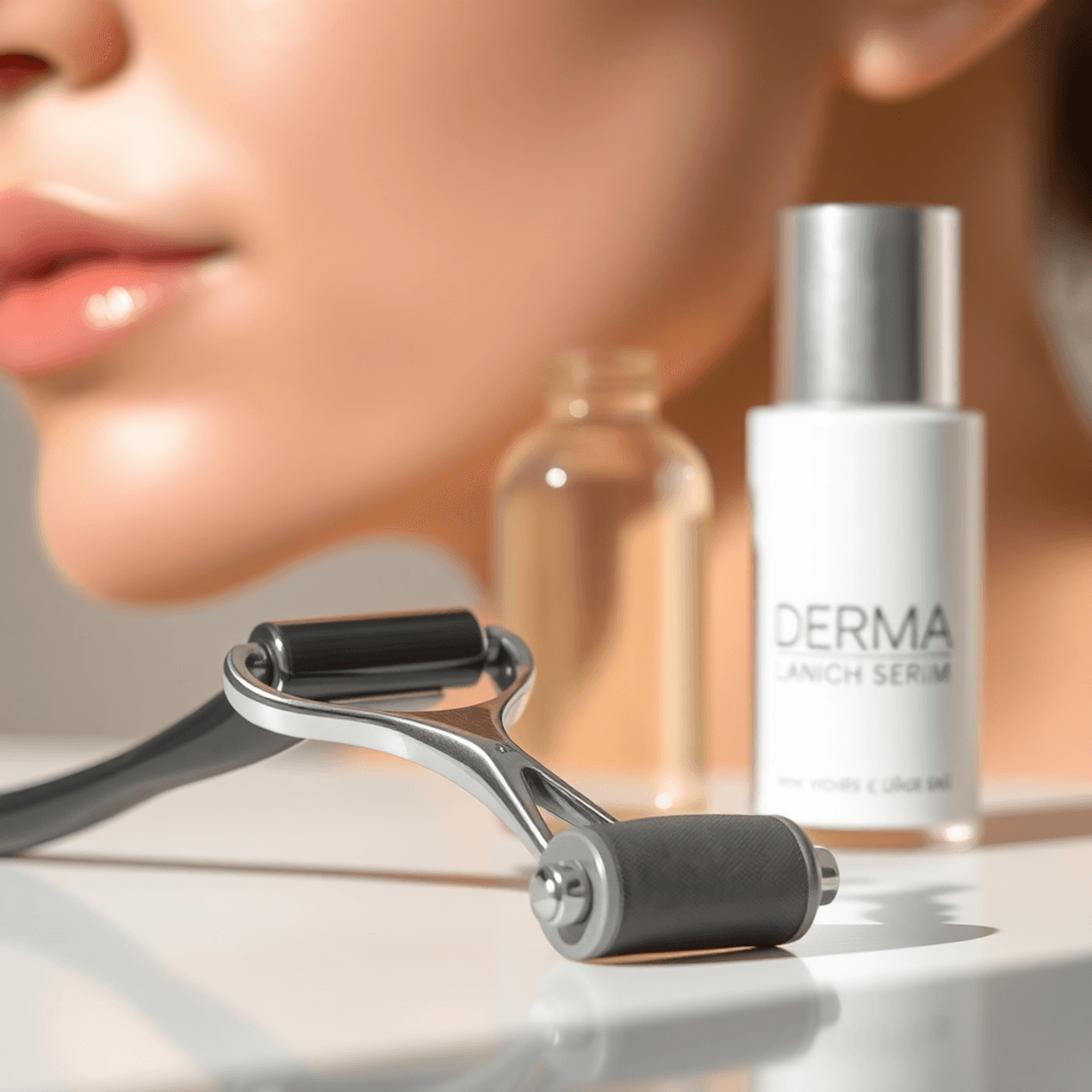
Why Serums for Microneedling Are Non-Negotiable
Microneedling works by creating thousands of controlled micro-injuries in the skin’s surface. This triggers the body’s natural wound-healing cascade — stimulating collagen and elastin production, improving texture, and addressing concerns like fine lines, acne scars, and hyperpigmentation.
But here’s what most guides don’t emphasize enough: those microchannels represent a narrow, time-sensitive window of dramatically increased skin permeability. Research confirms that topical absorption increases significantly in the immediate post-microneedling period, with active ingredients reaching the dermis at concentrations impossible under normal conditions (Kalluri H, Banga AK. Pharmaceutical Research. 2011. PMID: 21590318).
Serums for microneedling are specifically formulated to capitalize on this window — delivering targeted actives at the depth where they actually influence collagen production, cellular regeneration, and barrier repair. A well-chosen serum doesn’t just support recovery; it multiplies the return on every session.
Key Ingredients to Look for in Serums for Microneedling
Not every serum belongs on freshly microneedled skin. The ingredients below are backed by evidence and well-tolerated in the post-procedure environment.
Hyaluronic Acid
The cornerstone ingredient in serums for microneedling. Hyaluronic acid binds up to 1,000 times its weight in water, delivering immediate and sustained hydration to the dermis. Multi-molecular-weight formulas — combining high- and low-weight HA — hydrate at both the surface and deeper skin layers, reducing post-procedure tightness and supporting the skin barrier during recovery (Papakonstantinou E, et al. Dermato-Endocrinology. 2012. PMCID: PMC3583886).
Peptides
Short chains of amino acids that signal fibroblasts to increase collagen and elastin synthesis. Peptides also carry anti-inflammatory properties that calm redness and reduce sensitivity — making them ideal for the 24–72 hour post-microneedling window.
Epidermal Growth Factor (EGF) and Mesenchymal Stem Cell Growth Factors
Growth factors are among the most advanced actives available in serums for microneedling. EGF and the broader family of stem cell-derived growth factors directly stimulate keratinocyte and fibroblast proliferation — accelerating tissue repair, improving skin tone, and driving the collagen remodeling that produces long-term rejuvenation (Lacci KM, Dardik A. The Yale Journal of Biology and Medicine. 2010. PMCID: PMC2946140).
Ceramides
Naturally occurring lipids that restore barrier integrity after the skin has been mechanically disrupted. Ceramides lock in moisture, reduce transepidermal water loss (TEWL), and prevent environmental irritants from penetrating compromised skin — all critical functions during the recovery phase.
Niacinamide
A well-tolerated form of vitamin B3 that reduces inflammation, supports barrier repair, and helps regulate pigmentation. Niacinamide is gentle enough for use within 48–72 hours post-microneedling and is especially beneficial for oily, acne-prone, or uneven skin types.
What to Avoid
Certain ingredients should be kept away from freshly microneedled skin entirely: retinoids, vitamin C (ascorbic acid), exfoliating acids (AHAs, BHAs), alcohol, and fragrance. These can cause significant irritation, compromise healing, and undermine the results of your session. Wait a full 5–7 days before reintroducing them.
9 Recommended Serums for Microneedling by Skin Type
For Dry or Dehydrated Skin
1. Bradceuticals Gold Mesenchymal Stem Cell Growth Factor Serum The most comprehensive option on this list. Combines multi-weight hyaluronic acid with a full spectrum of human mesenchymal stem cell-derived growth factors for simultaneous hydration and deep cellular regeneration. Fragrance-free, sterile, and formulated specifically for the post-microneedling environment. Ideal for anyone seeking maximum anti-aging and rejuvenation results.
2. Cosmedica Pure Hyaluronic Acid Serum A straightforward, single-ingredient HA serum that delivers intense hydration without additives. Fragrance-free and lightweight, it’s a reliable choice for skin that needs basic moisture replenishment after treatment.
3. Neutrogena Hydro Boost Hydrating Serum Combines hyaluronic acid with glycerin for a dual-action moisture boost. Locks in hydration and relieves the post-procedure tightness common in dehydrated skin types.
4. First Aid Beauty Ultra Repair Hydrating Serum Pairs hyaluronic acid with colloidal oatmeal and aloe vera for a calming, moisture-rich formula. Well-suited for combination or reactive skin that needs extra comfort during recovery.
For Sensitive or Easily Irritated Skin
5. Olay Collagen Peptide 24 Serum A fragrance-free peptide serum that supports collagen synthesis without the harshness of acid-based ingredients. Reduces visible aging signs while minimizing irritation risk — a thoughtful option for sensitive skin post-microneedling.
6. Diaminy Aesthetics Soothing Recovery Serum Formulated specifically for professional and at-home microneedling recovery. Blends peptides with ceramides to calm redness, reinforce the skin barrier, and accelerate healing. One of the few serums designed with the post-microneedling environment explicitly in mind.
For Oily or Acne-Prone Skin
7. Niacinamide + Zinc Serums This combination addresses the specific needs of oily and breakout-prone skin post-microneedling. Niacinamide reduces inflammation and regulates sebum production; zinc provides antimicrobial and calming support. Choose formulas free of fragrance, alcohol, and comedogenic ingredients.
For Mature or Aging Skin
8. EGF-Based Serums Epidermal growth factor serums are particularly well-suited for mature skin seeking firming and renewal after microneedling. EGF accelerates cell turnover and collagen remodeling — addressing loss of elasticity, deep lines, and uneven tone at the biological level.
9. Peptide-Rich Anti-Aging Serums For mature skin not yet ready for growth factor formulas, multi-peptide serums offer a gentler path to collagen support and texture improvement. Look for formulas combining several peptide types (Argireline, Matrixyl, copper peptides) for synergistic effect.
Serums for Microneedling: Matching Ingredients to Concerns
| Skin Concern | Primary Ingredient | Recommended Timing |
|---|---|---|
| Dryness / Dehydration | Hyaluronic acid | Immediately post-procedure |
| Redness / Sensitivity | Ceramides, peptides | Immediately post-procedure |
| Fine lines / Aging | Growth factors, peptides | Immediately post-procedure |
| Oiliness / Breakouts | Niacinamide + zinc | 48–72 hours post-procedure |
| Hyperpigmentation | Niacinamide | 48–72 hours post-procedure |
| Scarring / Texture | Growth factors, EGF | Immediately post-procedure |
How to Safely Apply Serums for Microneedling at Home
Step 1: Prepare Your Skin and Device
Cleanse thoroughly with a gentle, fragrance-free cleanser. Disinfect your derma roller or dermapen with 70% isopropyl alcohol and allow it to air dry. Wash hands before touching your face or any equipment.
Step 2: Patch Test New Serums
Apply a small amount of any new serum to your inner forearm 24 hours before your session. Monitor for redness, swelling, or itching. If none appear, the serum is safe to proceed with.
Step 3: Perform the Microneedling Session
Using your derma roller, glide gently across each facial zone in horizontal, vertical, and diagonal directions. Apply consistent, light pressure — do not press hard or overlap strokes excessively. Work one section at a time for even coverage.
Step 4: Apply Your Serum Immediately After
Within five minutes of completing your session, apply a thin layer of your chosen serum to clean, slightly damp skin. Pat gently — never rub. The microchannels are open and actively absorbing; this is the highest-value moment for ingredient delivery.
Step 5: Clean and Store Your Device
Soak the derma roller in isopropyl alcohol after use and allow it to air dry completely before storing. Proper device hygiene prevents bacterial contamination and protects your skin at future sessions.
Post-Microneedling Care to Maximize Your Serums
The work doesn’t stop when the session ends. What you do in the 48–72 hours following microneedling determines how well your serums for microneedling perform and how quickly your skin recovers.
Reapply hyaluronic acid serum every 3–4 hours during the first 24 hours. The skin barrier is temporarily compromised and loses moisture rapidly; consistent reapplication prevents dryness and maintains the healing environment.
Use only approved ingredients for the first 48 hours: HA serum, gentle moisturizer, and nothing else. Introduce peptides and niacinamide after 72 hours. Hold retinoids and vitamin C for a full 5–7 days.
Apply mineral sunscreen every morning starting the day after treatment. Freshly microneedled skin is highly photosensitive — unprotected UV exposure during recovery significantly increases the risk of post-inflammatory hyperpigmentation and undermines long-term results. Choose zinc oxide or titanium dioxide-based formulas to minimize irritation.
Keep cleansing gentle. Use a mild, fragrance-free cleanser with lukewarm water for at least 48 hours post-procedure. No scrubbing, no exfoliating tools.
Derma Roller vs. Dermapen: Which Works Better with Serums?
Both devices create the microchannels that make serums for microneedling so effective — but they differ in precision and control.
Derma Rollers are cylindrical, handheld devices that create channels through rolling motion. They are widely accessible, affordable, and effective for at-home use. The rolling motion means needle angle varies slightly across the skin surface.
Dermapens use a motorized stamping motion with adjustable needle depth and speed. This creates more uniform, vertically angled channels — which some research suggests may optimize serum penetration compared to angled roller channels. Dermapens are often preferred by professionals and experienced home users for targeted, customizable results.
For either device, serum application immediately post-use follows the same protocol. The device determines channel quality; the serum determines what those channels deliver.
Frequently Asked Questions About Serums for Microneedling
Can I use any serum with microneedling? No. Many serums contain ingredients — retinoids, acids, vitamin C, fragrance, alcohol — that cause significant irritation when applied to compromised skin. Always use serums specifically formulated or vetted for post-microneedling use. Stick to HA, peptides, ceramides, and growth factors in the immediate aftermath.
Can I use serums during microneedling as a gliding medium? Pure, unfragranced hyaluronic acid serum is commonly used during the procedure itself to lubricate the device and reduce friction. However, specialized post-microneedling serums like Bradceuticals Gold — with their full growth factor complex — should be reserved for application after the session is complete, when absorption is maximized.
How soon after microneedling should I apply serum? Within five minutes. The absorption window begins immediately after microneedling and begins closing as the microchannels naturally seal over the following hours. Earlier application equals deeper penetration.
How often should I do microneedling with serums? Most protocols recommend sessions every 4–6 weeks. This allows adequate healing between treatments while maintaining the cumulative collagen-building response. Use your serums for microneedling daily between sessions to sustain hydration and support ongoing skin health.
What needle depth is safe for at-home microneedling? At-home derma rollers should stay within 0.25–0.5mm needle depth. Deeper needles (1.0mm+) are reserved for professional clinical settings. At safe depths, a well-chosen serum still significantly enhances results.
Will serums help with acne scars from microneedling? Yes — particularly growth factor and peptide serums that accelerate collagen remodeling. Multiple sessions combined with consistent post-treatment serum application progressively improve the texture and depth of atrophic acne scars over time.
Final Thoughts
Microneedling opens the door. The serums you choose determine what walks through it.
The best serums for microneedling address your specific skin concerns — whether that’s hydration, collagen support, barrier repair, or cellular regeneration — and are applied at exactly the right moment to take advantage of peak absorption. Skip the window or choose the wrong formula, and you leave a significant portion of your results behind.
For those ready to use the most advanced option available, Bradceuticals Gold Mesenchymal Stem Cell Growth Factor Serum delivers what no single-ingredient serum can: pharmaceutical-grade hyaluronic acid combined with the full regenerative power of human mesenchymal stem cell growth factors — precisely formulated for the post-microneedling environment where results are actually made.
References
- Kalluri H, Banga AK. Transdermal drug delivery using microneedles. Pharmaceutical Research. 2011;28(1):82-101. PMID: 21590318.
- Papakonstantinou E, Roth M, Karakiulakis G. Hyaluronic acid: A key molecule in skin aging. Dermato-Endocrinology. 2012;4(3):253-258. PMCID: PMC3583886.
- Lacci KM, Dardik A. Platelet-rich plasma: Support for its use in wound healing. The Yale Journal of Biology and Medicine. 2010;83(1):1-9. PMCID: PMC2946140.
Disclaimer: The information provided in this article is for educational purposes only and does not constitute medical advice. Consult a licensed dermatologist or skincare professional before beginning any microneedling or new skincare regimen. Individual results may vary.
Last Reviewed: March 2026
About Bradceuticals : Thuy Myers is the founder of Bradceuticals which manufactures and distributes skin care and hair regrowth serums that use growth factors from human stem cells as the catalyst for regeneration. When she is not busy running the business and maintaining blogs, she is continuing her practice as a semiconductor engineer and occasionally teaches college engineering. In her free time, she enjoys the beach, working out at the gym and hanging out with her kiddo Brad.