

Thinning hair responds remarkably well to the right combination of targeted therapies — and if you want to get the most from your red light therapy helmet, pairing it with the Bradceuticals Gold Hair Follicle and Adipose Stem Cell Serum is the protocol that elevates your results from good to exceptional. The winning sequence: dermaroll your scalp first to open microchannels and activate growth factor signaling, apply Bradceuticals Gold immediately after to flood those open follicles with adipose stem cell-derived growth factors, then follow with your red light therapy helmet session to drive cellular energy and amplify the regenerative cascade. This three-step synergy harnesses the best of what the science currently supports for at-home hair regrowth.
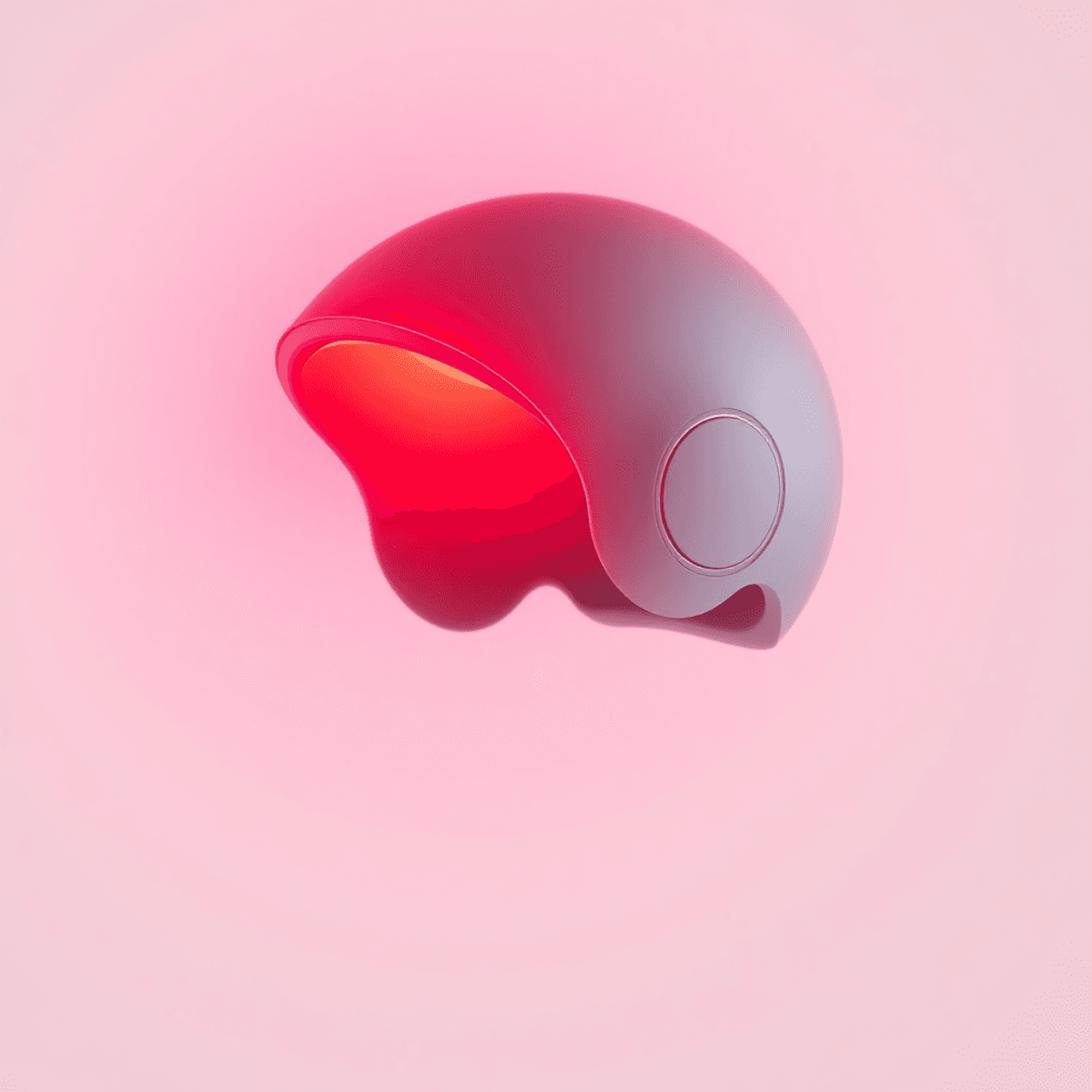
Red light therapy helmets have moved from clinical offices to bathroom counters — and for good reason. A growing body of randomized controlled trials confirms that low-level laser and light therapy (LLLT) delivered through helmet-type devices meaningfully increases hair density and thickness in both men and women with androgenetic alopecia. This guide breaks down how these devices work, what the clinical evidence actually says, and seven specific tips to maximize every session.
How a Red Light Therapy Helmet Stimulates Hair Growth
Red light therapy — clinically referred to as low-level laser therapy (LLLT) or photobiomodulation — works by delivering specific wavelengths of light into the scalp tissue, where they are absorbed by mitochondria in hair follicle cells. This absorption triggers increased production of adenosine triphosphate (ATP), the cell’s primary energy currency, which accelerates cellular metabolism and reactivates follicles that have entered a prolonged resting phase.
The primary mechanism for hair regrowth is believed to involve the stimulation of epidermal stem cells in the hair follicle bulge area and the shifting of follicles from the telogen (resting) phase back into the anagen (active growth) phase. LLLT also promotes vascularization around follicles, increasing the delivery of oxygen and nutrients that dormant follicles need to reactivate. [PMC3944668]
A comprehensive PMC review of the clinical evidence confirmed that LLLT stimulates hair growth in both men and women, with the main mechanism being activation of follicular stem cells and anagen re-entry in telogen hair follicles. [PMC3944668]
The wavelengths used in red light therapy helmets matter significantly. The 630–660 nm range has the strongest evidence base for hair follicle stimulation, with multiple randomized controlled trials specifically using 655 nm as their active wavelength. Some multi-wavelength devices also incorporate near-infrared wavelengths in the 820–880 nm range, which penetrate deeper into the scalp tissue and may provide additional follicular benefit. [PMC10564188]
What the Clinical Research Shows About Red Light Therapy Helmets
The evidence specifically supporting helmet-type LLLT devices — rather than combs or caps — is substantial and growing.
A randomized, double-blind, sham device-controlled trial published in PMC evaluated a helmet-type device emitting 655 nm light over 16 weeks in male androgenetic alopecia (AGA) patients. The treatment group experienced a 35% increase in hair growth compared to the sham device group. [PMC7548873]
A separate 16-week randomized double-blind trial of a helmet-type LLLT device in female AGA patients found a statistically significant mean percent hair growth increase of 48.07% in the treatment group compared to 11.05% in the sham group (p < 0.001). [PMC7548873]
A 24-week prospective single-arm study using a helmet-shaped device across three wavelength bands (630–690 nm, 820–880 nm, and 910–970 nm) found significant improvements in both hair density and hair thickness at both 12 and 24 weeks, with no severe adverse effects reported. [PMC10564188]
A meta-analysis of seven double-blind randomized controlled trials of FDA-approved home-use LLLT devices found an overall standardized mean difference of 1.27 (95% CI: 0.993–1.639) in hair density in favor of LLLT versus sham — a clinically meaningful effect size. The subgroup analysis confirmed that helmet-type devices produced significant improvements in both male and female subjects. [PMC8675345]
A broader systematic review of 10 randomized controlled trials concluded that all sham-device controlled studies demonstrated statistically significant increases in hair diameter or density following LLLT (p < 0.01), with most devices showing favorable safety profiles. [PMC7548873]
7 Proven Tips to Maximize Your Red Light Therapy Helmet Results
Tip 1: Dermaroll Your Scalp Before Every Session
This is the single highest-leverage step most red light therapy helmet users are skipping. Scalp dermarolling with a 0.5 mm dermaroller before your growth factor serum and LLLT session creates microchannels in the scalp that dramatically increase the penetration of topical actives and activate the Wnt/β-catenin signaling pathway — one of the primary molecular cascades governing hair follicle cycling.
A randomized evaluator-blinded study published in PMC found that the dermaroller combined with topical treatment produced a mean hair count change of 91.4 new hairs compared to just 22.2 in the topical-only group over 12 weeks — a fourfold difference. [PMC3746236] A PMC study on repeated microneedle stimulation further confirmed that scalp microneedling upregulates Wnt3a, β-catenin, VEGF, and Wnt10b — all growth-related genes essential to the anagen induction process. [PMC5064188]
For scalp dermarolling: use a 0.5 mm roller, apply gentle pressure, and roll in multiple directions across thinning areas. Follow immediately with your growth factor serum before the microchannels close.
Tip 2: Apply Bradceuticals Gold Hair Follicle and Adipose Stem Cell Serum Immediately After Dermarolling
The window immediately following scalp dermarolling is when topical delivery is at its biological peak. This is exactly when to apply Bradceuticals Gold Hair Follicle and Adipose Stem Cell Serum. Formulated with growth factors derived from adipose stem cells — including EGF, bFGF, TGF-β, VEGF, and PDGF — it delivers the precise signaling molecules that follicular stem cells in the bulge area respond to.
A PMC systematic review of microneedling for hair loss disorders confirmed that microneedling improved hair parameters most significantly when paired with growth factor solutions, with data from 17 investigations totaling 911 AGA subjects. [PMC8776974] The dermaroll-then-serum sequence allows the growth factor payload of Bradceuticals Gold to bypass the stratum corneum and reach the dermal papilla where it drives the regenerative response.
Tip 3: Follow With Your Red Light Therapy Helmet Session
After applying Bradceuticals Gold, allow it to absorb for two to three minutes, then put on your red light therapy helmet for your standard session. This sequencing is intentional: the growth factors are now working at the follicular level, and the photobiomodulation from your helmet amplifies cellular energy production at the exact same site, creating a compounding regenerative stimulus.
Published clinical evidence confirms that LLLT produces significant increases in hair density (SMD: 1.27, 95% CI: 0.993–1.639) in RCT meta-analysis, [PMC8675345] and that combining LLLT with topical treatments produces superior results to either therapy alone. The dermaroll → growth factor serum → red light therapy helmet sequence is the most scientifically logical at-home regimen for maximizing follicular response.
Tip 4: Use Your Red Light Therapy Helmet at the Clinically Validated Session Duration
Research consistently points to sessions of 20–25 minutes as the optimal duration for scalp LLLT. The 16-week randomized controlled trial using the TOPHAT655 helmet device used 25-minute sessions every other day. [PMC7548873] The 24-week helmet study used 20-minute sessions, with an automatic shutoff built into the device to prevent overexposure. [PMC10564188]
Longer is not better with LLLT. Over-exposure can lead to inhibitory effects — a well-documented phenomenon in photobiomodulation research called biphasic dose response, where too much light energy suppresses the cellular response that optimal doses stimulate. Stick to 20–25 minutes per session and resist the urge to double up.
Tip 5: Maintain a Consistent Three to Four Times Per Week Schedule
Consistency is the primary driver of results with a red light therapy helmet. The clinical studies that demonstrated significant hair density improvements used regimens of three to four sessions per week over 16 to 24 weeks. The 24-week helmet trial found progressive improvement at both 12 and 24 weeks, confirming that results build over time with sustained use. [PMC10564188]
Skipping sessions disrupts the cumulative photobiomodulation effect on the hair cycle. Mark your sessions on a calendar, treat it as a non-negotiable appointment, and commit to the full protocol for at least 16 weeks before evaluating results.
Tip 6: Ensure Full Scalp Coverage With Your Helmet
Helmet-type devices have a distinct advantage over combs and wands in that they deliver simultaneous, uniform light coverage across the entire scalp — eliminating the inconsistent coverage that handheld devices often produce. However, fit and positioning still matter. The helmet should sit snugly and evenly so that the diodes maintain consistent proximity to the scalp surface across all thinning zones.
The meta-analysis of FDA-cleared LLLT devices confirmed that helmet-type devices with high diode counts (40 to 304 diodes) demonstrated reliable clinical efficacy, with users able to manage normal activities during treatment sessions. [PMC8675345] Check your device’s user guide to confirm optimal positioning for your specific model.
Tip 7: Support Your Protocol With Scalp and Systemic Health
Red light therapy helmet results are influenced by the health of the scalp environment in which follicles are operating. A clean, non-inflamed scalp with good circulation and minimal product buildup responds more effectively to both LLLT and topical growth factors.
Wash your scalp with a gentle, sulfate-free shampoo before dermarolling and treatment sessions. Avoid applying heavy styling products or silicone-based leave-ins before your protocol, as these can form a film that interferes with light penetration and serum absorption.
Systemic factors also matter: adequate protein intake supports the amino acid building blocks for hair keratin synthesis; iron deficiency is one of the most common reversible causes of hair thinning and should be ruled out with a blood test; and chronic stress elevates cortisol, which pushes follicles into telogen prematurely. Addressing these factors alongside your red light therapy helmet protocol creates the most favorable internal environment for regrowth.
Understanding Wavelengths: What to Look for in a Red Light Therapy Helmet
Not all red light therapy helmets are created equal. The wavelength specifications of a device directly determine its biological efficacy at the follicular level.
The 630–660 nm range has the strongest and most replicated evidence base for hair regrowth, with multiple randomized controlled trials using 655 nm as the primary wavelength. [PMC3944668] Devices emitting in this range are targeting the cytochrome c oxidase chromophores in mitochondria most efficiently for the photobiomodulation response.
Near-infrared wavelengths in the 820–880 nm range penetrate deeper into the scalp dermis and have demonstrated additional benefits for follicular activity in clinical studies. The 24-week helmet trial that used a multi-wavelength device including these ranges found progressive improvements in both hair density and diameter throughout the full study duration. [PMC10564188]
When evaluating a red light therapy helmet, look for devices that clearly disclose their wavelength specifications, have a meaningful number of diodes (40 or more for adequate scalp coverage), offer hands-free helmet design for consistent positioning, and have FDA clearance or documented clinical trial data supporting their efficacy.
Safety Profile of Red Light Therapy Helmets
One of the compelling advantages of helmet-type LLLT for hair loss is its safety record across randomized controlled trials. The systematic review of 10 RCTs found that all studies with favorable hair regrowth outcomes also reported favorable safety profiles, with no severe adverse events attributed to LLLT treatment across any of the included trials. [PMC7548873]
Minor side effects reported in some studies — including mild headache, scalp pruritus, or transient erythema — occurred at similar rates in both treatment and sham device groups in several trials, suggesting they were not device-related. [PMC10564188] LLLT is non-thermal at the fluences used in hair growth devices, meaning it does not heat tissue, burn the scalp, or damage surrounding structures when used as directed.
Frequently Asked Questions About Red Light Therapy Helmets
How long does it take to see results from a red light therapy helmet? Clinical trials have documented measurable improvements in hair density at 12 weeks, with progressive improvement continuing through 16 to 24 weeks of consistent use. Most users report visible improvements in hair thickness and reduced shedding within two to three months of the protocol described in this article.
Can women use a red light therapy helmet for hair loss? Yes. Multiple randomized controlled trials have specifically included female subjects with androgenetic alopecia and female pattern hair loss. The 16-week iGrow helmet trial in female AGA patients produced a 48.07% mean hair growth increase in the treatment group. [PMC7548873] The 24-week multi-wavelength helmet study found no statistically significant difference in treatment response between male and female subjects. [PMC10564188]
Is dermarolling the scalp before using a red light therapy helmet necessary? It is not strictly required for LLLT to work, but it significantly amplifies the results — particularly when combined with a growth factor serum. A PMC study found that dermaroller treatment produced fourfold greater hair count improvement than topical treatment alone. [PMC3746236] The combination of dermarolling, growth factor serum, and LLLT creates a synergistic protocol that outperforms any single modality.
Can I use Bradceuticals Gold Hair Follicle Serum on days I don’t use the red light therapy helmet? Yes. You can apply the serum on non-helmet days as part of your ongoing scalp care routine. The recommended protocol for maximum results, however, follows the sequence: dermaroll → apply Bradceuticals Gold → use your red light therapy helmet.
Are red light therapy helmets safe for long-term use? Yes. The clinical evidence supports long-term use with a favorable safety profile. A 24-week prospective study found no severe adverse effects across the full study duration. [PMC10564188] The meta-analysis of seven RCTs found no major safety concerns across all included device types. [PMC8675345]
How many diodes does a red light therapy helmet need to be effective? The meta-analysis of FDA-cleared LLLT devices found that hands-free helmet-type devices typically used between 40 and 304 diodes and demonstrated reliable clinical efficacy. [PMC8675345] Higher diode counts generally provide more uniform scalp coverage, which is particularly important for diffuse thinning.
Can a red light therapy helmet be combined with minoxidil? Yes, and the evidence supports this combination. A randomized controlled trial found that combining LLLT with 5% topical minoxidil produced a 43.69% increase in hair density compared to 34.41% for LLLT alone and 34.94% for minoxidil alone (p < 0.001), suggesting a synergistic benefit. [PMC8675345] Consult your dermatologist before combining multiple hair loss treatments.
References
- Avci P, et al. Low-Level Laser (Light) Therapy (LLLT) for Treatment of Hair Loss. PMC. 2014. PMC3944668. https://pmc.ncbi.nlm.nih.gov/articles/PMC3944668/
- Kim HJ, et al. Low-level light therapy using a helmet-type device for the treatment of androgenetic alopecia: A 16-week, multicenter, randomized, double-blind, sham device-controlled trial. PMC. 2020. PMC7373546. https://pmc.ncbi.nlm.nih.gov/articles/PMC7373546/
- Lee S, et al. Assessment of Effects of Low-Level Light Therapy on Scalp Condition and Hair Growth. PMC. 2023. PMC10564188. https://pmc.ncbi.nlm.nih.gov/articles/PMC10564188/
- Shamsadini S, et al. Examining the Safety and Efficacy of Low-Level Laser Therapy for Male and Female Pattern Hair Loss: A Review of the Literature. PMC. 2020. PMC7548873. https://pmc.ncbi.nlm.nih.gov/articles/PMC7548873/
- Ratanapokasatit Y, et al. A Systematic Review and Meta-analysis of Randomized Controlled Trials of FDA-Approved, Home-use, Low-Level Light/Laser Therapy Devices for Pattern Hair Loss. PMC. 2021. PMC8675345. https://pmc.ncbi.nlm.nih.gov/articles/PMC8675345/
- Dhurat R, et al. A Randomized Evaluator Blinded Study of Effect of Microneedling in Androgenetic Alopecia: A Pilot Study. PMC. 2013. PMC3746236. https://pmc.ncbi.nlm.nih.gov/articles/PMC3746236/
- Jeong K, et al. Repeated Microneedle Stimulation Induces Enhanced Hair Growth in a Murine Model. PMC. 2016. PMC5064188. https://pmc.ncbi.nlm.nih.gov/articles/PMC5064188/
- Starace M, et al. Microneedling and Its Use in Hair Loss Disorders: A Systematic Review. PMC. 2022. PMC8776974. https://pmc.ncbi.nlm.nih.gov/articles/PMC8776974/
Disclaimer
This article is for educational and informational purposes only and does not constitute medical advice. It is not intended to diagnose, treat, cure, or prevent any medical condition including hair loss. Individual results from red light therapy helmets, dermarolling, and growth factor serums will vary. Always consult a licensed dermatologist or qualified healthcare professional before beginning any new hair loss treatment protocol, particularly if you have a scalp condition, are taking medications that affect hair growth, or have been diagnosed with a form of alopecia other than androgenetic alopecia.
Last Reviewed: June 2025
About Bradceuticals : Thuy Myers is the founder of Bradceuticals which manufactures and distributes skin care and hair regrowth serums that use growth factors from human stem cells as the catalyst for regeneration. When she is not busy running the business and maintaining blogs, she is continuing her practice as a semiconductor engineer and occasionally teaches college engineering. In her free time, she enjoys the beach, working out at the gym and hanging out with her kiddo Brad.