

If you want a serum that works at the cellular level to visibly reverse aging, Bradceuticals Gold Mesenchymal Stem Cell Growth Factor Serum is your post-microneedling protocol’s most powerful ally. Powered by bone marrow-derived mesenchymal stem cell conditioned media — one of the most concentrated and research-supported sources of growth factors available in topical skincare — Bradceuticals Gold delivers the biological signals your skin needs to rebuild collagen, restore firmness, and accelerate recovery when applied after your microneedling session.
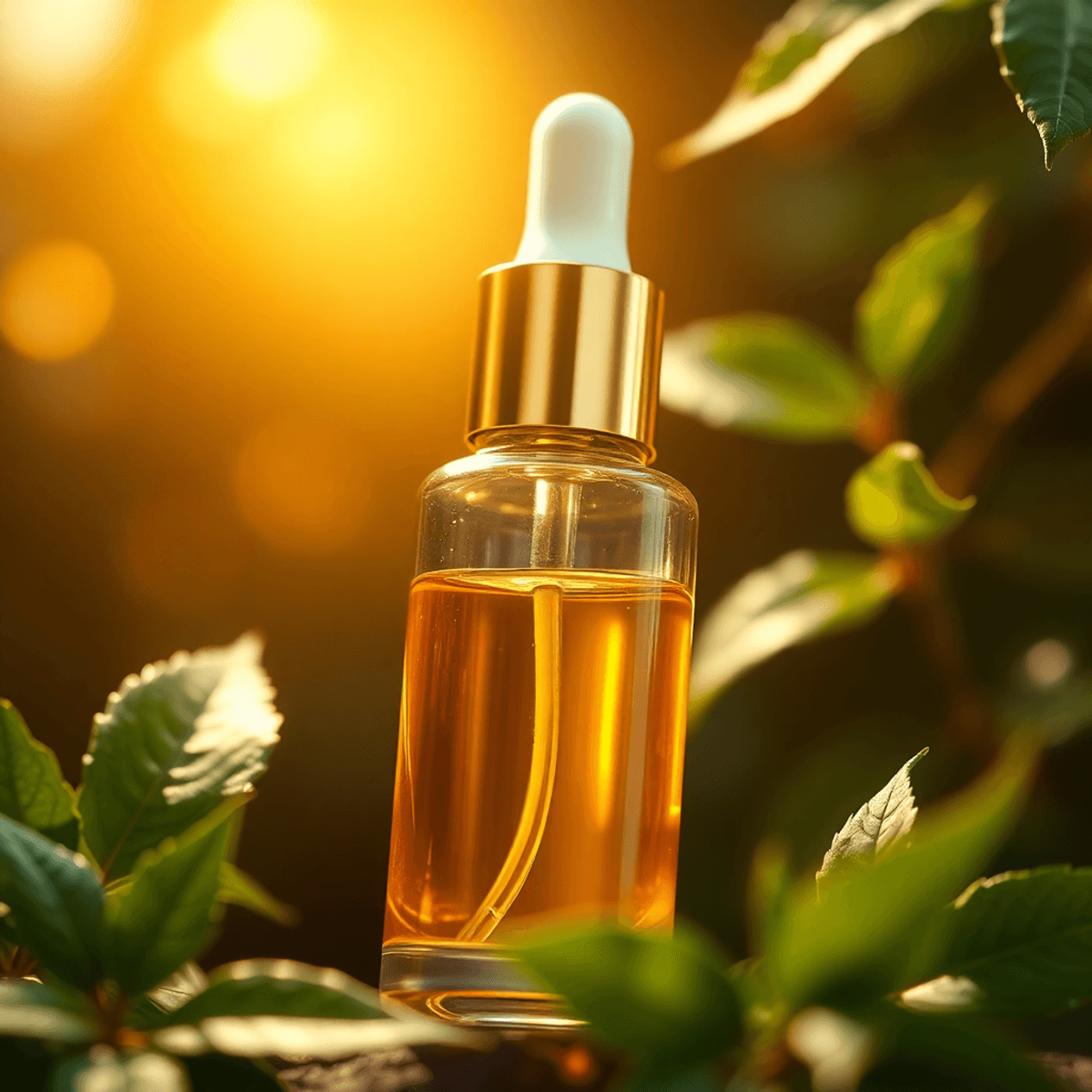
The market for the best stem cell serum for face has never been more crowded, or more confusing. With hundreds of products claiming stem cell benefits and celebrities constantly endorsing the next big formula, knowing what actually separates science from marketing is essential before you invest. This guide cuts through the noise with research-backed facts, ingredient breakdowns, and a clear roadmap for getting real results.
What Makes the Best Stem Cell Serum for Face Different From Ordinary Anti-Aging Products?
Most anti-aging serums work at the surface — moisturizing, temporarily plumping, or masking the appearance of fine lines. Stem cell serums operate differently. They deliver bioactive signaling molecules — growth factors, cytokines, peptides, and proteins — that communicate directly with skin cells, instructing them to repair, regenerate, and produce the structural proteins lost with age.
The key distinction is the source of those signaling molecules. The best stem cell serum for face relies on one of two primary technologies:
Human mesenchymal stem cell-conditioned media (MSC-CM): The supernatant produced when mesenchymal stem cells are cultured in a controlled environment. This conditioned media contains hundreds of growth factors and cytokines — including TGF-β, EGF, PDGF, and VEGF — that the skin biologically recognizes and responds to. Research published in Stem Cell Research & Therapy confirms that MSCs support skin aging reversal by boosting collagen production, lowering inflammation, and reducing MMP (matrix metalloproteinase) expression — the enzymes responsible for collagen breakdown. [Kim WS, et al. Stem Cell Res Ther. 2024; doi: 10.1186/s13287-024-03774-5]
Plant stem cell extracts: Derived from resilient botanicals such as Swiss apple, grape, and edelweiss, these extracts are rich in antioxidants and metabolites that protect existing skin cells from oxidative and UV-induced damage. While they don’t deliver the same direct cellular signaling as human-derived growth factors, they offer meaningful antioxidant support and complement more advanced formulations well.
Understanding this difference is the foundation of choosing intelligently in this category.
8 Facts You Need to Know About the Best Stem Cell Serum for Face
Fact 1: No Stem Cell Serum Contains Live Stem Cells
This is one of the most common misconceptions in this category. Live stem cells — whether plant-derived or human — cannot survive inside a cosmetic formulation, nor can they penetrate the dermal layer where they would need to function. What makes these serums effective is the bioactive secretions from stem cells: growth factors, exosomes, peptides, and cytokines. When shopping for the best stem cell serum for face, ignore claims of “live stem cells” and focus instead on verified, stable growth factor or conditioned media concentrations. [PMC8316836]
Fact 2: Human-Derived Growth Factors Deliver More Targeted Results
Plant stem cell extracts offer antioxidant value, but human skin responds more directly to growth factors it biologically recognizes. MSC-conditioned media contains signals that are structurally compatible with human fibroblasts, triggering collagen synthesis, cellular repair, and elastin production in a way that botanical extracts alone cannot replicate. For individuals seeking the best stem cell serum for face as part of a professional aesthetic protocol, human-derived growth factors are the superior choice.
Fact 3: Growth Factor Serums Are Safe for Topical Use
Concerns about cancer risk in connection with growth factor serums have circulated for years. The current body of research is reassuring. A comprehensive review published in PMC found no evidence linking topical EGF use to cancer across clinical studies spanning up to 24 months of follow-up. A 15-year post-study survey of patients treated with topical EGF cream found cancer incidence rates comparable to those of the untreated control group and consistent with national population averages. [Berlanga-Acosta J, et al. PMC7951530] Growth factors in cosmetic concentrations work primarily on the epidermis and do not penetrate deeply enough to cause systemic effects.
Fact 4: Microneedling Dramatically Amplifies Serum Efficacy
Microneedling creates temporary microchannels in the skin that allow topical actives to bypass the stratum corneum and penetrate into the dermis. A 12-week, randomized, split-face study published in the Journal of Cosmetic Dermatology found that combining adipose-derived stem cell exosomes with microneedling produced significantly greater improvements in skin aging than either treatment alone. [Park GH, et al. J Cosmet Dermatol. 2023; doi: 10.1111/jocd.15872] This is why Bradceuticals Gold is formulated specifically as a post-microneedling serum — applied immediately after your session for maximum delivery of its growth factor payload. It is never used as a gliding serum during the procedure itself.
Fact 5: EGF Is a Clinically Studied Anti-Aging Ingredient
Epidermal Growth Factor (EGF) is one of the most researched signaling proteins in aesthetic medicine. A three-month topical application study published in the Journal of Drugs in Dermatology found significant improvements in skin texture, pore size, brown pigmentation, and wrinkles in female subjects with photoaged skin. [Schouest JM, et al. J Drugs Dermatol. 2012; PMID referenced in PMC8423211] EGF works by binding to receptors on the surface of keratinocytes and fibroblasts, triggering cellular proliferation and accelerating the natural repair cycle — making it one of the most valuable active ingredients to look for in the best stem cell serum for face.
Fact 6: Exosomes Are the Next Frontier in Stem Cell Skincare
Exosomes — nano-sized extracellular vesicles secreted by stem cells — are rapidly emerging as some of the most potent bioactives in regenerative skincare. Research published in Frontiers in Medicine (2024) confirmed that when human skin was exposed to MSC-derived exosome preparations, statistically significant increases in Collagen Types I and III and elastin were observed, along with measurable reductions in MMPs — outperforming conditioned media alone in some metrics. [Taub A, Front Med. 2024; PMC11518787] Expect to see exosome technology appearing more frequently in premium stem cell serums over the next several years.
Fact 7: The Source and Concentration of Stem Cell Actives Matter Enormously
Not all MSC-conditioned media is created equal. Bone marrow-derived MSCs, like those used in Bradceuticals Gold, are regarded as one of the most potent and extensively studied sources of regenerative growth factors — despite being more challenging and costly to procure than adipose-derived alternatives. Concentration also matters: vague ingredient labeling that lists “stem cell technology” or “stem cell extract” without specifying the source or percentage should raise a red flag. The best stem cell serum for face will disclose ingredient sourcing and formulate at therapeutically meaningful concentrations.
Fact 8: Consistency of Application Is What Drives Long-Term Results
Growth factor serums work cumulatively. The regenerative signals delivered with each application support ongoing fibroblast activity, collagen remodeling, and cellular turnover — processes that unfold over weeks and months, not days. Clinical timelines from published studies typically show initial texture improvements within two to four weeks, with more significant wrinkle reduction and firmness gains emerging after eight to twelve weeks of consistent daily use. Sporadic application limits results; daily use is essential.
Key Ingredients to Look for in the Best Stem Cell Serum for Face
Mesenchymal Stem Cell Conditioned Media
The gold standard for human-derived growth factor delivery. Look for this listed prominently — ideally near the top of the ingredient list to confirm meaningful concentration.
Epidermal Growth Factor (EGF / sh-Oligopeptide-1)
A protein that signals keratinocytes and fibroblasts to regenerate, increasing collagen synthesis and accelerating surface renewal. Clinically studied across multiple dermatological applications.
Transforming Growth Factor Beta (TGF-β)
One of the most important growth factors for collagen Type I and Type III synthesis. Research confirms that TGF-β upregulation leads to measurable increases in extracellular matrix components and skin density. [PMC9823186]
Peptides — Palmitoyl Tripeptide-1 (Matrixyl® 3000) and Hexapeptide-9 (Collaxyl™)
Short amino acid chains that independently stimulate fibroblasts to produce collagen and elastin. These work synergistically with growth factors to compound anti-aging benefits.
Hyaluronic Acid
A humectant capable of binding up to 1,000 times its weight in water. Essential for maintaining dermal hydration, improving plumpness, and supporting the absorption of adjacent bioactives.
Antioxidants (Niacinamide, Vitamin C, Green Tea Extract)
Neutralize free radicals generated by UV exposure and environmental pollution that degrade collagen and elastin. Pairing antioxidants with growth factor technology produces synergistic protective and regenerative effects.
How to Build the Best Stem Cell Serum for Face Into Your Skincare Routine
Post-microneedling protocol: Immediately following your microneedling session, apply Bradceuticals Gold to freshly treated skin. Press gently into the face and neck — do not rub or massage aggressively over fresh microchannels. Follow with a gentle, fragrance-free moisturizer. Avoid active exfoliants and SPF with chemical filters for the first 24 hours post-procedure.
Daily non-procedure routine:
Step 1 — Cleanse: Use a gentle, pH-balanced cleanser morning and evening to remove impurities without stripping the skin barrier.
Step 2 — Tone: A hydrating, alcohol-free toner prepares skin to receive actives more efficiently.
Step 3 — Serum: Apply the best stem cell serum for face to slightly damp skin. Use gentle pressing motions — 1 to 2 pumps or drops is typically sufficient for the full face and neck.
Step 4 — Moisturize: Seal in the bioactive layer with a moisturizer suited to your skin type. This step is critical — it prevents transepidermal water loss and keeps the active ingredients in contact with the skin.
Step 5 — SPF (AM only): UV exposure is the single greatest driver of collagen degradation. A broad-spectrum SPF 30 or higher every morning protects and extends the results of your stem cell serum investment.
How to Choose the Best Stem Cell Serum for Face: What to Evaluate
Ingredient source transparency: The best brands clearly identify whether growth factors are human-derived (MSC-conditioned media, fibroblast-conditioned media) or plant-derived, and disclose sourcing processes.
No live stem cells: As covered above, this is a marketing claim without scientific merit in a topical product. Efficacy comes from what stem cells secrete, not the cells themselves.
Absence of unnecessary irritants: Fragrances, high-concentration alcohol, and harsh preservatives disrupt the skin barrier and can undermine the regenerative work of growth factor actives.
Dermatologist-tested and cruelty-free credentials: Third-party safety testing and ethical certifications provide important quality signals in a category where premium pricing doesn’t always equal premium formulation.
Clinical data backing: Look for brands that reference peer-reviewed research — either supporting their specific formulation or the categories of actives they use. Authentic brands invest in science, not just celebrity associations.
Frequently Asked Questions About the Best Stem Cell Serum for Face
Is the best stem cell serum for face safe to use daily? Yes. Human-derived growth factor serums are well-tolerated in daily topical use. Published clinical studies spanning six months to two years of application have not identified adverse effects associated with regular use at cosmetic concentrations.
How soon will I see results? Most users notice softer, more hydrated skin within one to two weeks. Visible firming, wrinkle reduction, and improved texture typically emerge after four to eight weeks of consistent daily application.
Can I use a stem cell serum if I have sensitive skin? Many formulas are appropriate for sensitive skin. Prioritize fragrance-free options, avoid formulas with alcohol as a primary ingredient, and introduce the serum gradually — once daily before working up to twice daily.
What is the difference between a stem cell serum and a regular growth factor serum? The terms are often used interchangeably in marketing, but technically, stem cell serums derive their growth factors from stem cell conditioned media or stem cell extracts, while some growth factor serums use growth factors synthesized or sourced through other biotechnology methods. The key is the quality, concentration, and biological relevance of the growth factors present.
Should I use a stem cell serum before or after microneedling? After — always after. Applying a serum during microneedling as a gliding medium is inappropriate and defeats the purpose. Post-procedure application, when microchannels are open, is when the bioavailability of growth factors is dramatically elevated.
Do celebrities actually use stem cell serums? Many dermatologists and celebrity facialists do incorporate growth factor serums into professional post-procedure protocols. The interest is real, but it’s rooted in the science of skin regeneration — not simply brand endorsement.
Is there a cancer risk associated with topical growth factor serums? Current clinical evidence does not support a cancer risk from topical growth factor serums used at cosmetic concentrations. Published research tracking patients over extended periods found no elevated cancer incidence compared to control populations. As always, consult your dermatologist if you have personal medical concerns.
References
- Kim WS, et al. Insights into the role of mesenchymal stem cells in cutaneous medical aesthetics: from basics to clinics. Stem Cell Res Ther. 2024. doi: 10.1186/s13287-024-03774-5. https://stemcellres.biomedcentral.com/articles/10.1186/s13287-024-03774-5
- Taub A. Regenerative topical skincare: stem cells and exosomes. Front Med. 2024;11:1443963. PMC11518787. https://pmc.ncbi.nlm.nih.gov/articles/PMC11518787/
- Berlanga-Acosta J, et al. Epidermal growth factor in clinical practice – a review of its biological actions, clinical indications and safety implications. PMC7951530. https://pmc.ncbi.nlm.nih.gov/articles/PMC7951530/
- Park GH, Kwon HH, Seok J, et al. Efficacy of combined treatment with human adipose tissue stem cell-derived exosome-containing solution and microneedling for facial skin aging: a 12-week prospective, randomized, split-face study. J Cosmet Dermatol. 2023;22:3418–26. doi: 10.1111/jocd.15872.
- Miller-Kobisher B, et al. Epidermal Growth Factor in Aesthetics and Regenerative Medicine: Systematic Review. J Cutan Aesthet Surg. 2021. PMC8423211. https://pmc.ncbi.nlm.nih.gov/articles/PMC8423211/
- Mehta RC, et al. Targeting Multiple Hallmarks of Skin Aging: Preclinical and Clinical Efficacy of a Novel Growth Factor-Based Skin Care Serum. PMC. 2023. PMC9823186. https://pmc.ncbi.nlm.nih.gov/articles/PMC9823186/
- PMC8316836 — Stem cells and the pursuit of youth, a tale of limitless possibilities and commercial fraud. PMC. 2021. https://pmc.ncbi.nlm.nih.gov/articles/PMC8316836/
Disclaimer
This article is intended for educational and informational purposes only and does not constitute medical advice. It is not intended to diagnose, treat, cure, or prevent any skin condition or disease. Results from stem cell serums vary by individual. Always consult a licensed dermatologist or qualified skincare professional before beginning a new skincare regimen, particularly if you are undergoing professional aesthetic treatments or have an existing skin condition.
Last Reviewed: June 2025
About Bradceuticals : Thuy Myers is the founder of Bradceuticals which manufactures and distributes skin care and hair regrowth serums that use growth factors from human stem cells as the catalyst for regeneration. When she is not busy running the business and maintaining blogs, she is continuing her practice as a semiconductor engineer and occasionally teaches college engineering. In her free time, she enjoys the beach, working out at the gym and hanging out with her kiddo Brad.