

Vitamin C is a required cofactor in collagen synthesis — your skin literally cannot produce stable, well-organized collagen molecules without adequate ascorbic acid present. Research confirms that growth factors and cytokines orchestrate every phase of wound healing including collagen formation (PMID: 19128254), and vitamin C is the enzymatic partner that makes that collagen structurally sound. Using vitamin C serum after microneedling can amplify your results significantly — but only if you choose the right form and apply it at the right time.
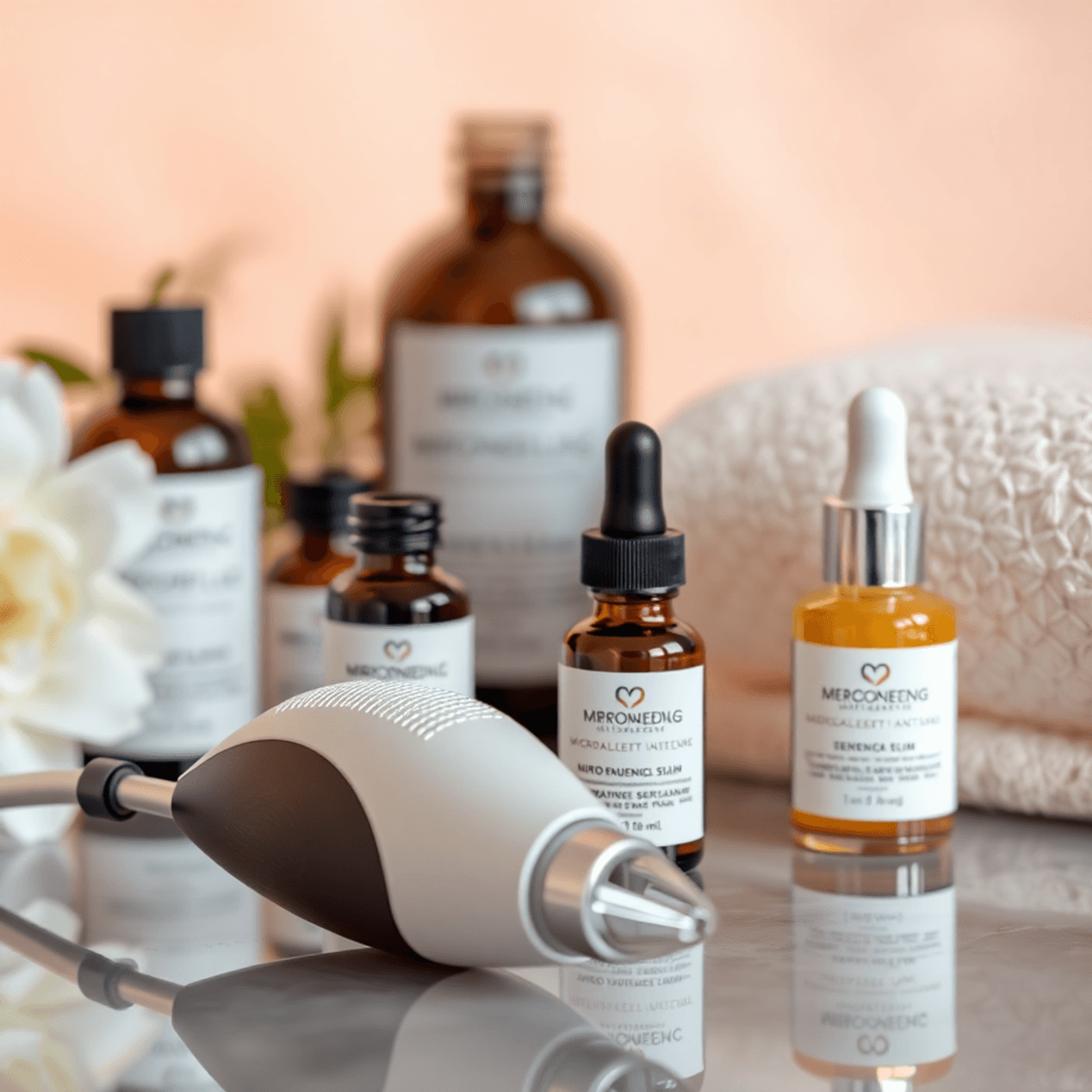
Research demonstrates that mesenchymal stem cell conditioned media contains a concentrated blend of growth factors that significantly enhance fibroblast proliferation, collagen synthesis, and extracellular matrix production (PMC7904527). Bradceuticals Gold Mesenchymal Stem Cell Growth Factor Serum already contains magnesium ascorbyl phosphate — a stable, non-irritating form of vitamin C — alongside the full mesenchymal stem cell growth factor secretome, sodium hyaluronate, palmitoyl oligopeptide, acetyl hexapeptide-8, and panthenol. This means you get vitamin C delivery, growth factor signaling, peptide support, and deep hydration in a single post-treatment application on damp, dewy skin. See full details at Bradceuticals Gold Mesenchymal Stem Cell Growth Factor Serum.
Why Vitamin C Serum After Microneedling Matters for Collagen Quality
Microneedling triggers your fibroblasts to produce new collagen — but collagen synthesis is a multi-step enzymatic process that requires vitamin C at several critical stages. Without adequate vitamin C, the collagen your fibroblasts produce is structurally weak and prone to rapid degradation.
Specifically, vitamin C is essential for the hydroxylation of proline and lysine residues during collagen biosynthesis. These hydroxylation reactions stabilize the collagen triple helix — the molecular structure that gives collagen its tensile strength. Using vitamin C serum after microneedling ensures your skin has the cofactor it needs to produce strong, durable collagen rather than fragile fibers that break down quickly.
Additionally, vitamin C provides potent antioxidant protection. Microneedling temporarily compromises your skin barrier, making it more vulnerable to oxidative stress from UV exposure and environmental pollutants. Research shows that topical growth factors combined with vitamin C provide protective effects against UV-induced damage while supporting collagen production (PMID: 24305427). Vitamin C serum after microneedling serves a dual role — it both builds collagen and protects it.
9 Essential Facts About Vitamin C Serum After Microneedling
1. Not All Forms of Vitamin C Are Safe Immediately After Microneedling
This is the most important thing to understand about vitamin C serum after microneedling. Pure L-ascorbic acid — the most common form in high-concentration vitamin C serums — is acidic, with a typical pH of 2.5 to 3.5. Applying this directly to freshly microneedled skin with open micro-channels can cause significant stinging, burning, redness, and inflammation.
Other forms of vitamin C are pH-neutral and non-irritating, making them safe for immediate post-treatment use. Understanding the difference between these forms is critical for using vitamin C serum after microneedling safely. Always consult your dermatologist before applying any new product to freshly treated skin.
2. Magnesium Ascorbyl Phosphate Is the Safest Form for Post-Microneedling Use
Magnesium ascorbyl phosphate (MAP) is a stable, water-soluble derivative of vitamin C with a near-neutral pH. Unlike L-ascorbic acid, MAP does not sting or irritate freshly treated skin. Once absorbed, skin enzymes convert MAP into active ascorbic acid, delivering the same collagen-synthesis benefits without the harsh acidity.
Bradceuticals Gold Mesenchymal Stem Cell Growth Factor Serum contains magnesium ascorbyl phosphate as part of its formulation, alongside mesenchymal stem cell growth factors, sodium hyaluronate, palmitoyl oligopeptide, palmitoyl tetrapeptide-7, acetyl hexapeptide-8, and panthenol. This means you get the collagen-supporting benefits of vitamin C serum after microneedling built into your growth factor serum — no need to layer a separate vitamin C product during the immediate post-treatment window.
3. Wait 12 to 24 Hours Before Using Pure L-Ascorbic Acid
If you prefer a dedicated vitamin C serum after microneedling that contains pure L-ascorbic acid (such as SkinCeuticals C E Ferulic or similar high-concentration formulations), wait at least 12 to 24 hours after your session before applying it. By this time, the micro-channels have closed and your skin barrier has begun recovering, reducing the risk of irritation.
Some dermatologists recommend waiting even longer — up to 48 to 72 hours — depending on the depth of your microneedling treatment. Deeper needle depths (1.0 mm and above) create more significant barrier disruption and may require more healing time before introducing acidic vitamin C. For a detailed healing timeline, see our guide to microneedling recovery stages.
4. Know the Different Forms of Vitamin C for Skincare
When selecting a vitamin C serum after microneedling, understanding the available forms helps you make the safest choice for your skin.
L-Ascorbic Acid (L-AA): The most potent and most studied form. Highly effective but acidic and potentially irritating on compromised skin. Best used 12–24+ hours after microneedling. Concentrations of 10–20% are most common in clinical formulations.
Magnesium Ascorbyl Phosphate (MAP): Stable, non-irritating, pH-neutral. Converts to active ascorbic acid in the skin. Safe for immediate post-microneedling use. Found in Bradceuticals Gold Mesenchymal Stem Cell Growth Factor Serum.
Sodium Ascorbyl Phosphate (SAP): Another stable, water-soluble derivative with anti-inflammatory properties. Generally well-tolerated on sensitive skin. Can typically be introduced within 12 hours post-treatment.
Ascorbyl Glucoside: A gentle, stable form that releases ascorbic acid gradually through enzymatic hydrolysis. Suitable for sensitive skin types but slower-acting than L-AA or MAP.
Ascorbyl Tetraisopalmitate: An oil-soluble form that penetrates lipid-rich skin layers. Less studied for post-microneedling use specifically.
Ethyl Ascorbic Acid: A newer derivative with good stability and skin penetration. Non-irritating and increasingly used in modern vitamin C formulations.
For vitamin C serum after microneedling, MAP and SAP are the safest choices for immediate post-treatment application. L-AA delivers the strongest results but requires a waiting period.
5. Vitamin C Serum After Microneedling Enhances Collagen Quality
A clinical study found that topical growth factors combined with microneedling produced a 17.6% improvement in skin texture and a 17.3% reduction in wrinkles in just three months (PMID: 34951101). Vitamin C serum after microneedling supports these results by ensuring the collagen produced during the remodeling phase is structurally sound.
Evidence-based reviews confirm that vitamin C positively acts on collagen biosynthesis through multiple mechanisms, making it a cornerstone ingredient for skin rejuvenation (PMID: 19657604). When your fibroblasts are actively producing new collagen — which they are for weeks after microneedling — having adequate vitamin C available ensures those fibers are strong and durable.
6. Vitamin C Protects New Collagen from UV Degradation
Freshly produced collagen is vulnerable to UV-induced degradation by matrix metalloproteinases (MMPs). Research confirms that UV-B exposure induces MMP-1 production, directly causing collagen breakdown (PMC5037728). Using vitamin C serum after microneedling provides antioxidant defense that neutralizes the free radicals UV generates, protecting your investment in new collagen.
This is why vitamin C serum after microneedling and daily sunscreen are not optional — they are complementary layers of protection for the collagen your treatment is building. Apply your vitamin C in the morning and follow with SPF 30+ mineral sunscreen.
7. Layer Vitamin C With Growth Factors for Maximum Results
Vitamin C and growth factors work through different but complementary biological pathways. Growth factors signal fibroblasts to produce collagen. Vitamin C provides the enzymatic cofactor that makes that collagen structurally stable. Using both together after microneedling creates a more powerful regenerative response than either alone.
Bradceuticals Gold Mesenchymal Stem Cell Growth Factor Serum combines both in one formulation — magnesium ascorbyl phosphate for stable vitamin C delivery alongside the full mesenchymal stem cell growth factor secretome. This eliminates the need to layer separate products during the sensitive immediate post-treatment window. For those who want to add a dedicated L-ascorbic acid serum for additional potency, introduce it 12–24 hours later once the skin barrier has begun recovering.
For more on growth factor options, see our guide to the best growth factor serums for youthful skin.
8. Avoid These Vitamin C Serum Mistakes After Microneedling
Common mistakes with vitamin C serum after microneedling can undermine your results or cause unnecessary irritation.
Using L-ascorbic acid immediately after treatment. The acidic pH can cause burning and inflammation in freshly opened micro-channels. Wait 12–24 hours minimum.
Choosing formulations with added fragrance or alcohol. These irritants are problematic on intact skin and significantly worse when absorbed through open micro-channels. Only use clean, minimal-ingredient vitamin C formulations after microneedling.
Applying vitamin C without sunscreen. Vitamin C provides antioxidant protection but does not replace SPF. Always follow your vitamin C serum after microneedling with broad-spectrum sunscreen during the day.
Layering vitamin C with exfoliating acids. Avoid combining vitamin C with AHAs, BHAs, or retinoids during the first 48–72 hours post-microneedling. These combinations can cause excessive irritation on compromised skin. For details on what else to avoid, see our guide on what to put on skin after microneedling.
Using expired or oxidized vitamin C. L-ascorbic acid oxidizes quickly, turning yellow or brown. Oxidized vitamin C is less effective and potentially irritating. Check your serum before applying — if it has darkened significantly, replace it.
9. Timing Protocol for Vitamin C Serum After Microneedling
Here is the recommended timing for introducing vitamin C serum after microneedling based on form and needle depth.
Immediately after treatment (0–30 minutes): Apply serums containing stable vitamin C derivatives like magnesium ascorbyl phosphate (MAP) or sodium ascorbyl phosphate (SAP). Bradceuticals Gold is safe for immediate application because its MAP form is non-acidic and non-irritating. Follow with hyaluronic acid for hydration.
12–24 hours post-treatment: You may introduce dedicated L-ascorbic acid serums at 10–15% concentration if your skin shows no signs of excessive sensitivity. Monitor for stinging — if it occurs, wait longer.
24–72 hours post-treatment: Most skin types can tolerate full-strength L-ascorbic acid (15–20%) by this point. Resume your normal vitamin C routine.
1 week and beyond: Continue daily vitamin C application as part of your ongoing skincare routine between microneedling sessions. Consistent vitamin C serum after microneedling compounds collagen-quality improvements over time. For session spacing guidance, see our guide to microneedling healing time stages.
Best Vitamin C Serum After Microneedling Options
Bradceuticals Gold Mesenchymal Stem Cell Growth Factor Serum
The best option for immediate post-treatment vitamin C delivery because it contains magnesium ascorbyl phosphate alongside the full mesenchymal stem cell growth factor secretome, sodium hyaluronate, palmitoyl oligopeptide, palmitoyl tetrapeptide-7, acetyl hexapeptide-8, panthenol, and DMAE bitartrate. This multi-active formulation delivers vitamin C, growth factors, peptides, and hydration in a single application — eliminating the need to layer multiple products on freshly treated skin. Apply to damp, dewy skin immediately after your session.
SkinCeuticals C E Ferulic
The gold standard in L-ascorbic acid serums, combining 15% L-AA with vitamin E and ferulic acid for enhanced antioxidant stability. Not recommended for immediate post-microneedling use due to its low pH. Introduce 12–24 hours after treatment. Excellent as a daily vitamin C serum after microneedling between sessions.
Mad Hippie Vitamin C Serum
Uses sodium ascorbyl phosphate — a gentler vitamin C derivative — alongside ferulic acid, vitamin E, and hyaluronic acid. Better tolerated on sensitive skin than pure L-ascorbic acid. Can typically be introduced within 12 hours post-treatment. A solid budget-friendly vitamin C serum after microneedling option.
Vichy LiftActiv Vitamin C Serum
Contains 15% pure L-ascorbic acid in a lightweight formulation. Dermatologist-recommended and widely available. Wait 12–24 hours post-microneedling before introducing. Good drugstore-level option for daily use between sessions.
Frequently Asked Questions
Can I use vitamin C serum after microneedling? Yes, but the form of vitamin C matters. Stable derivatives like magnesium ascorbyl phosphate (found in Bradceuticals Gold) are safe for immediate post-treatment use. Pure L-ascorbic acid should be introduced 12–24 hours after treatment to avoid irritation.
When can I use vitamin C serum after microneedling? Stable forms like MAP and SAP can be applied immediately. L-ascorbic acid serums should wait 12–24 hours minimum. Deeper needle depths may require waiting 48–72 hours. Always consult your dermatologist for personalized guidance.
Does vitamin C help microneedling results? Yes. Vitamin C is a required cofactor for collagen synthesis. Using vitamin C serum after microneedling ensures the new collagen your fibroblasts produce is structurally strong and durable, while also protecting it from UV-induced degradation.
What is the best vitamin C serum after microneedling? For immediate post-treatment use, Bradceuticals Gold Mesenchymal Stem Cell Growth Factor Serum provides magnesium ascorbyl phosphate alongside growth factors, peptides, and hyaluronic acid. For daily use between sessions, a dedicated L-ascorbic acid serum like SkinCeuticals C E Ferulic delivers potent antioxidant protection and collagen support.
Can vitamin C serum after microneedling cause irritation? Pure L-ascorbic acid at low pH can sting and cause redness on freshly microneedled skin. This is why stable, pH-neutral derivatives like magnesium ascorbyl phosphate are preferred for immediate post-treatment application. If any vitamin C serum causes burning or excessive redness, discontinue use and consult your dermatologist.
Should I use vitamin C serum in the morning or evening after microneedling? Vitamin C serum after microneedling works best as a morning application, followed by sunscreen. Its antioxidant properties complement UV protection throughout the day. In the evening, focus on growth factor serums and hydrating products.
References
- Barrientos S, Stojadinovic O, Golinko MS, Brem H, Tomic-Canic M. Growth factors and cytokines in wound healing. Wound Repair Regen. 2008;16(5):585-601. (PMID: 19128254)
- Kim SN, Lee CJ, Nam J, et al. The Effects of Human Bone Marrow-Derived Mesenchymal Stem Cell Conditioned Media on Skin Rejuvenation Characteristics. Int J Stem Cells. 2021;14(1):94-102. (PMC7904527)
- An JJ, Eum WS, Kwon HS, et al. Protective effects of skin permeable EGF and FGF1 against UV-induced skin damage and wrinkles. J Cosmet Dermatol. 2013;12(4):287-295. (PMID: 24305427)
- Quinlan DJ, Ghanem AM, Hassan H. Topical growth factors and home-based microneedling for facial skin rejuvenation. J Cosmet Dermatol. 2021;21(8):3469-3478. (PMID: 34951101)
- Pavicic T, Steckmeier S, Kerscher M, Korting HC. Evidence-based cosmetics: concepts and applications in photoaging and xerosis. Wien Klin Wochenschr. 2009;121(13-14):431-439. (PMID: 19657604)
- Jung H, Lee EH, Lee TH, Cho MH. Isosakuranetin Suppresses UV-B-Induced MMP-1 Expression and Collagen Degradation. Int J Mol Sci. 2016;17(9):1449. (PMC5037728)
Disclaimer
This article is for educational and informational purposes only and does not constitute medical advice, diagnosis, or treatment. Individual responses to vitamin C products vary based on skin type, sensitivity, and treatment depth. Always consult a licensed dermatologist or qualified skincare professional before introducing any new product to freshly microneedled skin. Individual results may vary. Bradceuticals products are not intended to diagnose, treat, cure, or prevent any disease. The information in this article should not be used as a substitute for professional medical advice.
Last reviewed: March 2026
About Bradceuticals : Thuy Myers is the founder of Bradceuticals which manufactures and distributes skin care and hair regrowth serums that use growth factors from human stem cells as the catalyst for regeneration. When she is not busy running the business and maintaining blogs, she is continuing her practice as a semiconductor engineer and occasionally teaches college engineering. In her free time, she enjoys the beach, working out at the gym and hanging out with her kiddo Brad.