

If you’ve just had a microneedling session — or you’re planning one — the Bradceuticals Gold Mesenchymal Stem Cell Growth Factor Serum belongs in your aftercare kit from day one. Applied to damp skin immediately after your session, it delivers a concentrated complex of mesenchymal stem cell-derived growth factors directly through open micro-channels while the skin is at its most receptive. Used daily on its own, it supports ongoing collagen synthesis between sessions. Either way, understanding your microneedling healing time stage by stage will help you use every tool — including this serum — at precisely the right moment.
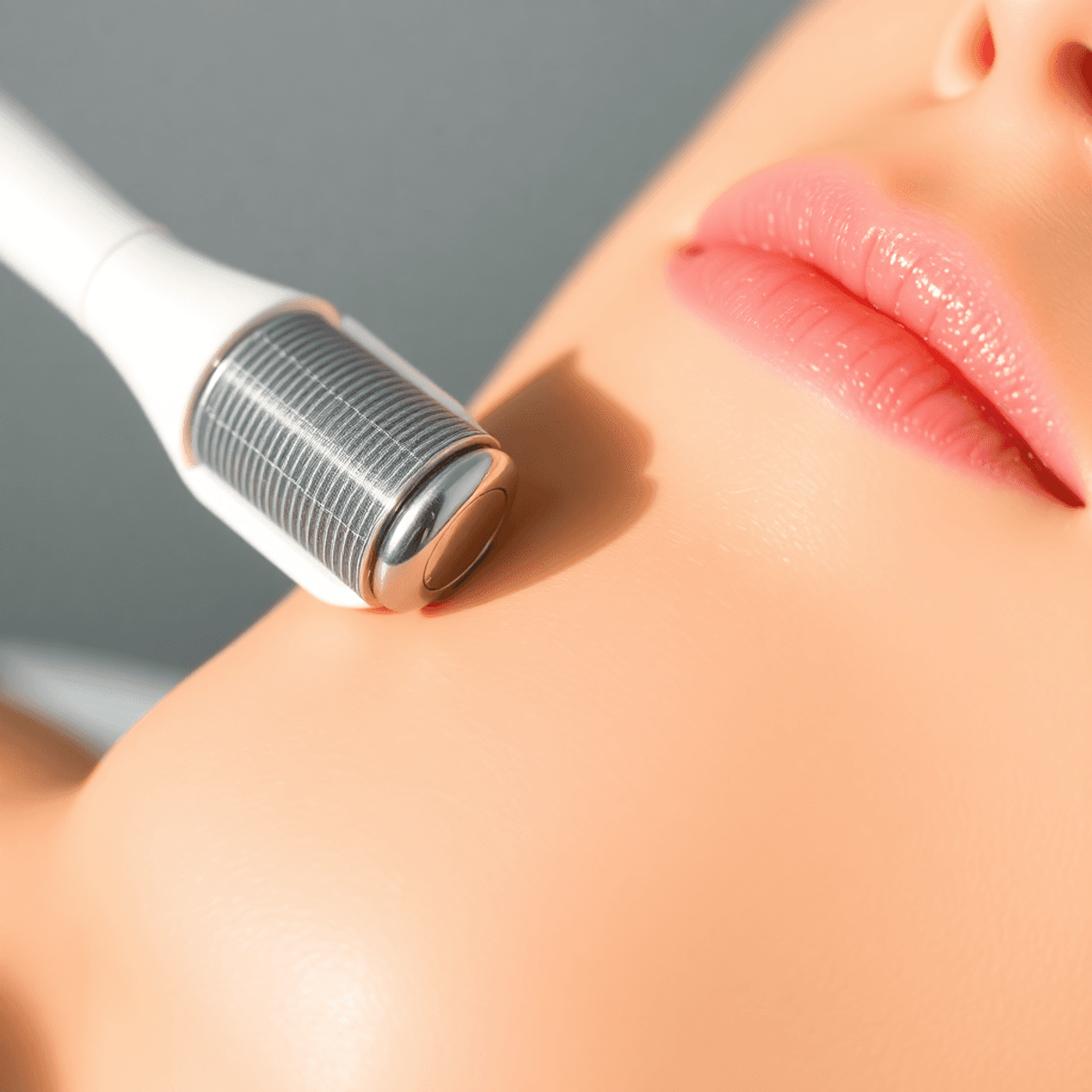
What Happens Inside Your Skin During Microneedling Healing Time?
Microneedling healing time is not simply a cosmetic inconvenience to get through. It is a structured, biologically active process driven by the same wound healing cascade that repairs all injured tissue — just compressed into a faster, scar-free version triggered by micro-scale punctures rather than true wounds.
Research confirms that microneedling activates a cascade releasing platelet-derived growth factor (PDGF), transforming growth factor alpha and beta (TGF-α and TGF-β), connective tissue growth factor (CTGF), and fibroblast growth factor (FGF) — all of which mobilize fibroblasts to the treatment site and initiate new collagen and elastin production. (PMC4976400)
Critically, a fibronectin matrix forms approximately five days after the procedure, determining where and how new collagen integrates into the dermal structure. The resulting type III collagen is continuously remodeled into stronger type I collagen over subsequent weeks — a process that research shows persists for five to seven years before natural degradation. (PMC11993440)
This is why microneedling healing time extends far beyond what you see in the mirror. Surface recovery completes within one to two weeks. The real transformation continues for months.
The 3 Biological Phases That Drive Microneedling Healing Time
Understanding these phases helps you make better aftercare decisions at every stage.
Phase 1 — Inflammation (Days 1–3): Immediately after microneedling, the immune system responds to micro-injury. Blood rushes to the area, cytokines are released, and inflammatory mediators activate fibroblast recruitment. This is the redness and warmth you feel and see — not a complication, but the biological ignition of everything that follows. Research confirms TGF-β levels remain measurably elevated for up to two weeks post-procedure, sustaining fibroblast activity through and beyond visible recovery. (PMC3921236)
Phase 2 — Proliferation (Days 3 through Week 4): Fibroblasts migrate to the treatment zone and begin synthesizing new type III collagen, elastin, glycosaminoglycans, and proteoglycans. The epidermis re-epithelializes, surface peeling occurs, and the skin gradually brightens. This phase peaks around two months post-treatment. (PMC3921236)
Phase 3 — Remodeling (Month 1 through Month 6+): Type III collagen — laid down quickly but structurally weak — undergoes enzymatic conversion to stronger, more organized type I collagen. This is the phase responsible for visible firming, scar softening, and long-term texture refinement. Collagen remodeling continues for months after visible wound closure, and research confirms tensile strength of repaired tissue continues improving well beyond the point where skin looks healed. (PMC8151502)
7 Microneedling Healing Time Stages: Day-by-Day Breakdown
Stage 1: Days 1–2 — Peak Inflammation
Immediately after your session, your skin will appear red, feel warm, and may be slightly swollen — comparable to a moderate sunburn. Mild pinpoint bleeding at needle sites is normal and resolves within hours. Tightness and sensitivity are expected as the inflammatory cascade is at its most active. Some patients also notice slight bruising, particularly at higher needle depths.
What your skin needs: Gentle hydration only. Apply Bradceuticals Gold to damp skin immediately post-procedure and continue every evening. Avoid all active ingredients — retinoids, AHAs, BHAs, vitamin C serums, and alcohol-based products. Do not touch, rub, or wash the face for at least six hours post-treatment.
Stage 2: Days 3–5 — Early Proliferation and Surface Peeling
As inflammatory redness begins to subside, the skin enters its active rebuilding phase. Mild flaking, dryness, and rough texture are the hallmarks of this stage — dead cells shedding from the surface as fresh skin forms below. This is one of the most important stages to respect: do not pick, peel, or scrub flaking skin. Disrupting this natural shedding process risks post-inflammatory hyperpigmentation and uneven results.
Approximately five days after the procedure, a fibronectin matrix forms in the dermis — a structural scaffold that determines where and how new collagen integrates into the skin. This is invisible from the outside but represents the beginning of the structural improvements you’re working toward. (PMC4976400)
What your skin needs: Continue gentle cleansing with lukewarm water and a fragrance-free, non-foaming cleanser. Increase hydration — a thicker moisturizer or additional hyaluronic acid serum applied after Bradceuticals Gold helps support the barrier while flaking resolves. Let peeling shed naturally.
Stage 3: Days 6–10 — Active Collagen Synthesis
Surface signs resolve significantly during this stage. Redness fades, texture begins to smooth, and the skin starts returning to a normal appearance. Beneath the surface, fibroblast activity is at its most productive — collagen type III is being synthesized at an accelerating rate, and the proliferation phase approaches its early peak.
The skin is still more permeable than normal during this window, which is why growth factor serums applied to damp skin remain highly valuable. Research published in Journal of Drugs in Dermatology confirmed that adding growth factor serums to a microneedling protocol produced significantly greater improvements in skin texture and hydration than needling alone — and the benefits were most pronounced when serums were used consistently during the days following treatment. (PMC7716740)
What your skin needs: Continue the Bradceuticals Gold morning and evening routine on damp skin. Mineral SPF 30+ is non-negotiable — UV exposure during this phase is one of the most common causes of post-inflammatory hyperpigmentation. Most active ingredients remain off-limits; introduce vitamin C no earlier than day seven, and only if the barrier feels fully intact.
Stage 4: Days 11–14 — Surface Healing Complete
By the end of the second week, the vast majority of visible recovery has completed. Redness and swelling are gone, peeling has stopped, and most patients can return to their full skincare routine including makeup. Sensitivity has normalized for most skin types.
The skin barrier is functionally restored, but collagen remodeling — the process that will produce the firmness, smoothness, and scar improvements you’re after — is just entering its most productive phase. Do not mistake surface healing for finished results.
What your skin needs: You can reintroduce retinoids, stronger vitamin C, and exfoliating acids gradually — one at a time, with monitoring for any remaining sensitivity. Continued daily use of Bradceuticals Gold on damp skin sustains growth factor signaling during the collagen remodeling phase, compounding results between sessions.
Stage 5: Weeks 3–4 — Collagen Production at Peak
This is the window where many patients first notice meaningful improvements: skin texture refines, pores appear smaller, fine lines soften, and overall tone becomes more even. These changes reflect accelerating collagen synthesis and early structural remodeling rather than surface healing.
For optimal results across a treatment series, most dermatologists recommend spacing microneedling sessions four to six weeks apart — precisely because this window represents peak collagen activity from the previous session. Treating too soon interrupts the remodeling phase before it completes. (PMC4976400)
What your skin needs: Full skincare routine is appropriate. Continue Bradceuticals Gold as a daily maintenance serum — its growth factor complex provides ongoing fibroblast support during the remodeling phase that surface-level hydrators cannot replicate.
Stage 6: Months 2–3 — Collagen Remodeling Intensifies
The proliferation phase peaks around month two, and the maturation of new collagen into organized type I fibers accelerates. This is when patients targeting acne scars, textural irregularities, and deeper fine lines begin to see the most meaningful changes.
Multiple sessions compound here: each new session introduces a fresh wave of collagen induction that layers onto the remodeling already underway from previous treatments. Research consistently confirms that three to six sessions spaced appropriately produce cumulative improvements that a single session cannot achieve. (PMC11499218)
Stage 7: Months 3–6 — Long-Term Remodeling and Final Results
The full benefit of a microneedling session is not visible until three to six months after treatment. Collagen continues maturing, organizing, and strengthening during this extended remodeling window — and the results can be dramatic for patients who have completed a full treatment series with consistent aftercare.
Understanding this timeline is critical for realistic expectations. Patients who see modest results at two weeks and assume the treatment didn’t work often abandon their protocol just before the most significant improvements emerge.
What to Avoid During Microneedling Healing Time
Getting microneedling healing time right depends as much on what you skip as what you apply.
Retinoids, AHAs, BHAs, and high-concentration vitamin C: Avoid for at least seven days post-procedure. These actives cause unnecessary irritation on a compromised barrier and can trigger excessive dryness, stinging, or hyperpigmentation when absorbed through open micro-channels.
Physical exfoliation: No scrubs, cleansing brushes, or any manual friction on the treated area for a minimum of one week. The new skin surface is fragile — disturbing it undermines the healing process.
Strenuous exercise and sweating: Skip heavy workouts for 48 hours. Sweat introduces bacteria into micro-channels and elevates skin temperature during the critical early inflammatory phase.
Direct sun exposure: Avoid unprotected sun for five to seven days minimum. Post-microneedling skin is significantly more photosensitive — UV exposure during healing is the most preventable cause of post-inflammatory hyperpigmentation. Apply mineral SPF 30+ daily once the barrier has begun recovering.
Heat exposure: Saunas, steam rooms, and hot showers are off-limits for 48 hours. Elevated heat dilates vessels and intensifies inflammation during the period when your goal is calm, controlled healing.
Makeup: Avoid for the first 24–48 hours. If coverage is needed before full recovery, mineral-based, non-comedogenic formulas are the safest option. Always apply with clean tools.
How to Accelerate Microneedling Healing Time With the Right Aftercare
Step 1 — Apply growth factors immediately post-procedure
The micro-channels created by microneedling remain open for two to four hours following the session. Applying Bradceuticals Gold to damp skin during this window delivers mesenchymal stem cell-derived growth factors directly to the dermis — bypassing the stratum corneum that normally limits topical penetration.
Step 2 — Keep skin damp, never bone dry
Always apply serums and moisturizers to slightly damp skin. Dry skin absorbs products less efficiently, and the growth factors in a post-microneedling serum need an adequately hydrated surface to penetrate and bind at receptor sites.
Step 3 — Layer correctly
Post-microneedling layering order: gentle cleanser → growth factor serum (Bradceuticals Gold on damp skin) → fragrance-free moisturizer → mineral SPF (mornings). This sequence maximizes hydration and serum absorption while protecting the recovering barrier.
Step 4 — Support collagen remodeling with daily growth factor use
The inflammatory phase lasts three days. The proliferative and remodeling phases last months. Applying Bradceuticals Gold daily during this extended window provides consistent growth factor signaling to fibroblasts that are actively building new collagen — a form of support that hyaluronic acid and peptide serums alone cannot provide.
Frequently Asked Questions About Microneedling Healing Time
How long does microneedling healing time take?
Surface healing — the resolution of visible redness, swelling, and peeling — typically completes within five to fourteen days depending on needle depth and individual skin. However, the collagen remodeling process that drives the actual results of microneedling continues for three to six months. Full results from a session are not visible until this long-term phase completes.
Is peeling normal during microneedling healing time?
Yes. Light flaking and peeling between days three and five is a healthy sign that the skin is shedding surface cells while actively regenerating below. Do not exfoliate, pick, or accelerate this process — it resolves naturally and disrupting it risks uneven pigmentation.
When can I wear makeup after microneedling?
Avoid all makeup for the first 24–48 hours. By days three to five, as visible redness fades, most patients can resume makeup — beginning with mineral-based, non-comedogenic formulas and clean applicators.
How soon can I exercise after microneedling?
Avoid strenuous exercise for 48 hours. Sweat introduces bacteria to open micro-channels and increases skin temperature during the early inflammatory phase. Light walking is generally fine.
When can I see results?
Some patients notice improved luminosity within days as surface healing completes. Meaningful improvements in texture, firmness, and pigmentation typically become visible between weeks two and four. The most significant structural changes — particularly for acne scars and deeper fine lines — emerge at months two through six as collagen remodeling matures.
How many sessions are needed?
Most patients require three to six sessions spaced four to six weeks apart for optimal results. Sessions spaced closer together interrupt the remodeling phase before it completes, reducing cumulative benefit. Your dermatologist will customize a protocol based on your specific concerns.
When should I apply a growth factor serum during microneedling healing time?
Immediately after the procedure concludes — apply to damp skin while micro-channels are still open. Continue applying Bradceuticals Gold daily to damp skin morning and evening during the weeks following treatment to sustain fibroblast support through the proliferative and remodeling phases.
References
- Yadav S, et al. Microneedling: Advances and Widening Horizons. Indian Dermatol Online J. 2016. (PMC4976400)
- Liebl H, Kloth LC. Skin Cell Proliferation Stimulated by Microneedles. J Am Coll Clin Wound Spec. 2012. (PMC3921236)
- Khoury M, et al. Microneedling in Dermatology: A Comprehensive Review. J Clin Med. 2024. (PMC11499218)
- Wallace HA, et al. Collagen in Wound Healing. Biomedicines. 2021. (PMC8151502)
- Martinez-Acosta M, et al. Physiological Mechanisms and Therapeutic Applications of Microneedling. Cosmetics. 2025. (PMC11993440)
- Bae JM, et al. An Assessment of Microneedling with Topical Growth Factors for Facial Skin Rejuvenation. J Drugs Dermatol. 2020. (PMC7716740)
Disclaimer: The information in this article is intended for educational purposes only and does not constitute medical advice. Always consult a licensed dermatologist or skincare professional before beginning a microneedling protocol or post-procedure regimen. Individual healing timelines vary based on skin type, needle depth, device used, and consistency of aftercare.
Last Reviewed: March 2026
About Bradceuticals : Thuy Myers is the founder of Bradceuticals which manufactures and distributes skin care and hair regrowth serums that use growth factors from human stem cells as the catalyst for regeneration. When she is not busy running the business and maintaining blogs, she is continuing her practice as a semiconductor engineer and occasionally teaches college engineering. In her free time, she enjoys the beach, working out at the gym and hanging out with her kiddo Brad.