

Hyaluronic acid appears on more skincare labels than almost any other ingredient, yet the gap between the best hyaluronic acid formulations and the majority of products claiming HA benefits is enormous. This naturally occurring glycosaminoglycan holds up to 1,000 times its weight in water, but that headline statistic obscures the molecular weight science, concentration engineering, and formulation architecture that determine whether a hyaluronic acid product delivers deep tissue hydration or evaporates from your skin’s surface within hours (PMC3583892). Understanding what separates the best hyaluronic acid from the rest transforms your purchasing decisions from brand loyalty into evidence-based skincare.
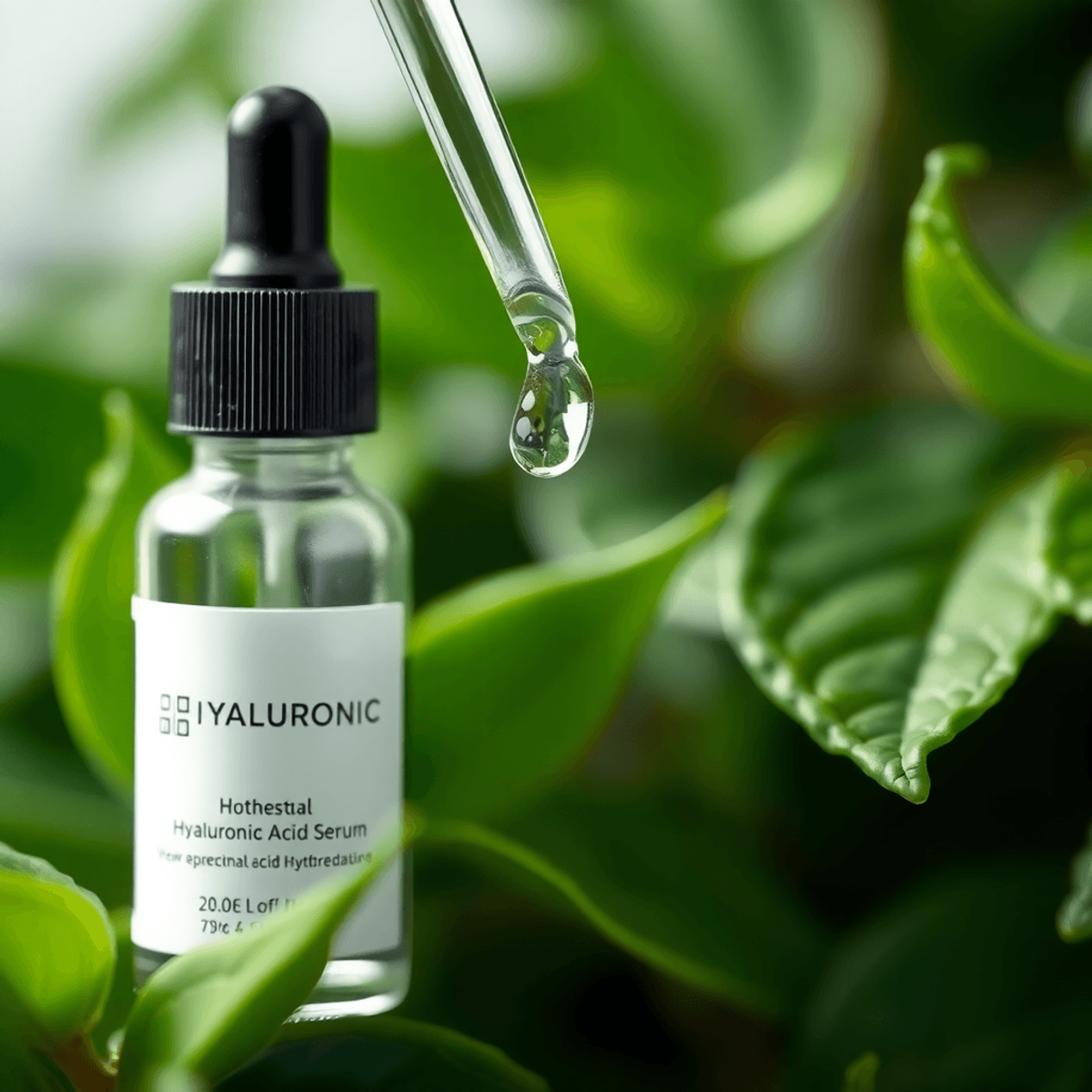
For anyone incorporating microneedling into their routine, the best hyaluronic acid isn’t a standalone solution—it’s the hydration foundation beneath a regenerative powerhouse. Bradceuticals Gold Mesenchymal Stem Cell Growth Factor Serum pairs growth factor delivery with deep hydration support, feeding open micro-channels with the complete human mesenchymal stem cell secretome while maintaining the moisture environment fibroblasts require for optimal collagen synthesis. Applied to damp, dewy skin after treatment, it addresses what even the best hyaluronic acid alone cannot—active tissue regeneration, coordinated collagen signaling, and accelerated healing that transforms microneedling from a hydration event into a comprehensive regenerative treatment.
The Molecular Weight Science Behind the Best Hyaluronic Acid
Not all hyaluronic acid molecules behave identically in skin tissue. The molecular weight of HA determines its penetration depth, biological activity, and clinical effect—and the best hyaluronic acid products leverage this science through multi-weight formulation strategies (PMC7271222).
High molecular weight HA (over 1,000 kDa) cannot penetrate the stratum corneum’s tight intercellular spaces. Instead, it forms a hygroscopic film on the epidermal surface that draws atmospheric moisture and prevents transepidermal water loss. This film provides immediate plumping, surface smoothing, and the dewy appearance consumers associate with HA products. However, it does not hydrate deeper tissue layers.
Medium molecular weight HA (100–1,000 kDa) partially penetrates the upper epidermis, providing hydration to viable keratinocyte layers while still contributing to surface moisture retention. This range offers the balance between penetration and film-forming that many single-weight products target.
Low molecular weight HA (under 50 kDa) penetrates into the dermis, hydrating the tissue layer where fibroblasts reside and collagen synthesis occurs. This deep hydration directly supports the moisture-dependent enzymatic processes that drive structural protein production. Research demonstrates that low molecular weight HA also stimulates keratinocyte proliferation and influences wound healing responses (PMC7271222).
Ultra-low molecular weight HA (under 10 kDa) reaches the deepest dermal layers and has demonstrated signaling properties beyond simple hydration—including pro-angiogenic activity and immune modulation. However, some research suggests that fragments in this range may trigger low-grade inflammatory responses in certain skin conditions.
The best hyaluronic acid products combine multiple molecular weights to address every tissue depth simultaneously—surface film for immediate plumping, mid-weight penetration for epidermal hydration, and low molecular weight delivery for dermal moisture support. Single-weight formulations, regardless of concentration, can only address one layer effectively.
Why Concentration Alone Doesn’t Define the Best Hyaluronic Acid
Marketing frequently highlights HA concentration as the primary quality indicator—”2% hyaluronic acid” sounds twice as effective as “1%.” The reality is more nuanced.
Hyaluronic acid concentrations above 2% can actually become counterproductive. At high concentrations, HA creates a viscous film that feels sticky, interferes with product layering, and can paradoxically draw moisture from deeper skin layers toward the surface in low-humidity environments—producing the opposite of its intended effect (PMC3583892).
The best hyaluronic acid formulations typically fall in the 0.5–2% total HA concentration range, with the critical differentiator being molecular weight distribution rather than total percentage. A 1% serum containing three molecular weights distributed across dermal, epidermal, and surface targets outperforms a 2% serum containing only high molecular weight HA—even though the lower concentration product technically contains “less” hyaluronic acid.
Formulation pH also influences efficacy. Hyaluronic acid performs optimally at pH 5.0–7.0, matching the skin’s natural acid mantle. Products formulated outside this range compromise both HA stability and skin barrier compatibility. The best hyaluronic acid products maintain this pH range while ensuring compatibility with other active ingredients in the formulation.
The Best Hyaluronic Acid Paired With Complementary Ingredients
Standalone HA provides hydration, but the best hyaluronic acid formulations include synergistic ingredients that amplify efficacy and address skin needs beyond moisture.
Panthenol (Vitamin B5) converts to pantothenic acid in the skin, supporting barrier lipid synthesis and wound healing. When combined with the best hyaluronic acid, panthenol accelerates the barrier repair that HA’s moisture retention supports—creating a complementary hydrate-and-rebuild mechanism (PMC3583892).
Ceramides are lipid molecules that constitute approximately 50% of the skin barrier’s composition. The best hyaluronic acid products containing ceramides deliver simultaneous hydration and structural barrier reinforcement—HA pulls water into tissue while ceramides prevent it from escaping.
Niacinamide at 4–5% concentration increases the skin’s natural ceramide production while providing anti-inflammatory and melanocyte-regulating benefits. Formulations pairing niacinamide with the best hyaluronic acid address hydration, barrier strength, and tone evenness within a single product (PMC4120804).
Growth factors transform hyaluronic acid from a passive hydrator into an active regenerative vehicle. When the best hyaluronic acid creates optimal moisture conditions in dermal tissue, growth factors—EGF, FGF, TGF-β—use that hydrated environment to drive collagen synthesis and cellular turnover at maximum efficiency. This combination is why growth factor serums layered over hyaluronic acid produce dramatically better results than either ingredient used alone.
The Best Hyaluronic Acid for Post-Microneedling Recovery
Microneedling creates a unique delivery opportunity that fundamentally changes how the best hyaluronic acid performs. The thousands of micro-channels created during treatment increase topical absorption by up to 300%, allowing low molecular weight HA to reach dermal tissue at concentrations impossible through intact skin (PMC5556159).
This enhanced penetration makes molecular weight selection even more critical. High molecular weight HA applied after microneedling still cannot pass through micro-channels efficiently due to its molecular size. The best hyaluronic acid for post-microneedling application emphasizes low and medium molecular weights that capitalize on channel patency while including enough high molecular weight HA to prevent surface dehydration during the healing stages.
Purity standards also escalate for post-microneedling use. When micro-channels provide direct pathways to living dermal tissue, every contaminant, preservative, and fragrance compound in the product gains enhanced access to structures they would never reach through intact skin. The best hyaluronic acid for microneedling is sterile, fragrance-free, and formulated with minimal preservatives at concentrations that maintain product safety without introducing irritation through compromised barriers.
Application timing matters critically. The best hyaluronic acid should be applied within 5 minutes of treatment completion while channels remain maximally open. Pat gently onto damp skin—never rub—then layer a growth factor serum over the HA for comprehensive hydration plus regenerative support during the absorption window.
7 Best Hyaluronic Acid Products Ranked by Formulation Science
Tier 1: Multi-Weight Professional Formulations
Bradceuticals Pure Hyaluronic Acid Serum delivers pharmaceutical-grade multi-weight HA without fragrances, fillers, or unnecessary additives. The clean formulation philosophy means every molecule in the bottle serves a hydration purpose—nothing competes with or dilutes the best hyaluronic acid delivery. Ideal as a hydration foundation beneath growth factor serums for post-microneedling protocols or as a standalone daily hydrator for minimalist routines.
SkinCeuticals Hydrating B5 Gel combines multi-weight hyaluronic acid with vitamin B5 in a gel vehicle that absorbs rapidly without residue. The panthenol inclusion supports barrier repair alongside HA’s hydration delivery. The lightweight texture makes it particularly effective for layering under heavier serums or moisturizers without pilling.
Tier 2: Accessible Quality Formulations
Vichy Minéral 89 pairs pure hyaluronic acid with 89% Vichy Volcanic Water—a naturally mineral-rich source containing 15 essential minerals that support enzymatic skin processes. This formulation delivers the best hyaluronic acid at a consumer price point while the mineral content provides trace element support that synthetic formulations lack.
La Roche-Posay Hyalu B5 Serum combines two types of hyaluronic acid with vitamin B5 and madecassoside (a centella asiatica derivative). The dual HA approach targets both surface and mid-depth hydration, while madecassoside provides anti-inflammatory support that makes this one of the best hyaluronic acid options for sensitive or reactive skin types.
Paula’s Choice Hyaluronic Acid Booster enriches its HA formula with ceramides and panthenol—directly addressing both hydration and barrier integrity within a single product. The ceramide inclusion distinguishes it from competitors that rely on hyaluronic acid alone, delivering the best hyaluronic acid experience for patients with compromised or dehydrated barriers.
Tier 3: Budget-Friendly Options
The Ordinary Hyaluronic Acid 2% + B5 delivers multi-weight hyaluronic acid with panthenol at a price point that makes consistent daily use financially sustainable. While it lacks the molecular weight sophistication and complementary actives of higher-tier options, the clean formulation and proven tolerability make it one of the best hyaluronic acid choices for budget-conscious consumers who prioritize foundational hydration.
Neutrogena Hydro Boost Serum offers purified hyaluronic acid in a fragrance-free, lightweight formula designed for all skin types including sensitive complexions. The accessibility and pharmacy availability make it a practical best hyaluronic acid entry point for consumers beginning to incorporate HA into their routine.
How to Apply the Best Hyaluronic Acid for Maximum Results
Application technique influences hyaluronic acid efficacy more than most consumers realize. These protocols ensure you capture the full benefit of your chosen formulation.
Apply to damp skin—always. Hyaluronic acid’s moisture-attracting mechanism requires available water molecules. Applying to bone-dry skin forces HA to draw moisture from deeper tissue layers rather than from the surface water you should be providing. Mist your face lightly or apply immediately after cleansing while skin retains residual moisture.
Use 2–3 drops for the full face. Over-application creates a sticky film that interferes with subsequent product absorption and provides no additional hydration benefit. The best hyaluronic acid works through molecular interaction with tissue, not through volume of product applied.
Pat, don’t rub. Gentle pressing motions distribute product evenly and press HA into the skin’s surface texture. Rubbing creates friction that can irritate sensitized or post-procedure skin and disrupts even product distribution.
Layer strategically. Apply the best hyaluronic acid first as your hydration base, allow 30–60 seconds for initial absorption, then layer growth factor serums, treatment products, and moisturizer in order of increasing thickness. Finish with SPF in the morning.
Adjust for humidity. In very dry environments (below 30% relative humidity), the best hyaluronic acid should always be sealed with an occlusive moisturizer containing petrolatum, squalane, or dimethicone. Without this seal, HA may draw moisture upward from deeper skin layers and release it to the dry atmosphere—effectively dehydrating rather than hydrating your skin.
Frequently Asked Questions
What molecular weight is best for hyaluronic acid serums? Multi-weight formulations outperform single-weight products because different molecular sizes target different tissue depths. The best hyaluronic acid includes low molecular weight (under 50 kDa) for dermal hydration, medium weight (100–1,000 kDa) for epidermal moisture, and high molecular weight (over 1,000 kDa) for surface film protection.
Can I use hyaluronic acid every day? Yes. Hyaluronic acid is one of the safest and most universally tolerated skincare ingredients. Daily morning and evening application is standard. The best hyaluronic acid products are formulated for twice-daily use without irritation risk for any skin type.
Should I apply hyaluronic acid before or after microneedling? After. Apply the best hyaluronic acid within 5 minutes of completing microneedling while micro-channels remain open. The enhanced absorption delivers HA to dermal tissue at depths impossible through intact skin, providing deep hydration that supports the collagen synthesis occurring during healing.
Is more expensive hyaluronic acid actually better? Not necessarily. Price reflects molecular weight complexity, complementary ingredients, and manufacturing standards. An affordable multi-weight formulation outperforms an expensive single-weight serum. Evaluate the best hyaluronic acid by formulation science rather than price tag.
Can hyaluronic acid dry out my skin? In very low humidity environments, high molecular weight HA applied without an occlusive seal can draw moisture from deeper skin layers. The best hyaluronic acid products are always sealed with moisturizer in dry climates, and multi-weight formulations minimize this risk by anchoring moisture at multiple tissue depths.
What should I layer with hyaluronic acid? The best hyaluronic acid performs optimally as a hydration base beneath active serums—particularly growth factor or peptide formulations that benefit from the hydrated tissue environment HA creates. Follow with moisturizer and sunscreen. Avoid layering with strong acids (AHA/BHA) at the same application time.
References
- Ganceviciene, R., et al. “Skin anti-aging strategies.” Dermato-Endocrinology, 2012. (PMC3583892)
- Juncan, A. M., et al. “Advantages of hyaluronic acid and its combination with other bioactive ingredients in cosmeceuticals.” Molecules, 2021. (PMC7271222)
- Wohlrab, J., & Kreft, D. “Niacinamide—mechanisms of action and its topical use in dermatology.” Skin Pharmacology and Physiology, 2014. (PMC4120804)
- Singh, A., & Yadav, S. “Microneedling: Advances and widening horizons.” Indian Dermatology Online Journal, 2016. (PMC5556159)
Disclaimer: This article is for informational purposes only and does not constitute medical advice. The best hyaluronic acid product for your skin depends on individual factors including skin type, climate, concurrent treatments, and specific concerns. Consult a qualified dermatologist for personalized skincare recommendations. Results vary based on product quality, application technique, and routine consistency.
Last reviewed: March 2026
About Bradceuticals : Thuy Myers is the founder of Bradceuticals which manufactures and distributes skin care and hair regrowth serums that use growth factors from human stem cells as the catalyst for regeneration. When she is not busy running the business and maintaining blogs, she is continuing her practice as a semiconductor engineer and occasionally teaches college engineering. In her free time, she enjoys the beach, working out at the gym and hanging out with her kiddo Brad.