

Microneedling has this funny reputation. People obsess over needle depth, the device, the stamp vs pen debate, how many passes, all of it but they aren’t sure what serum to use with microneedling.
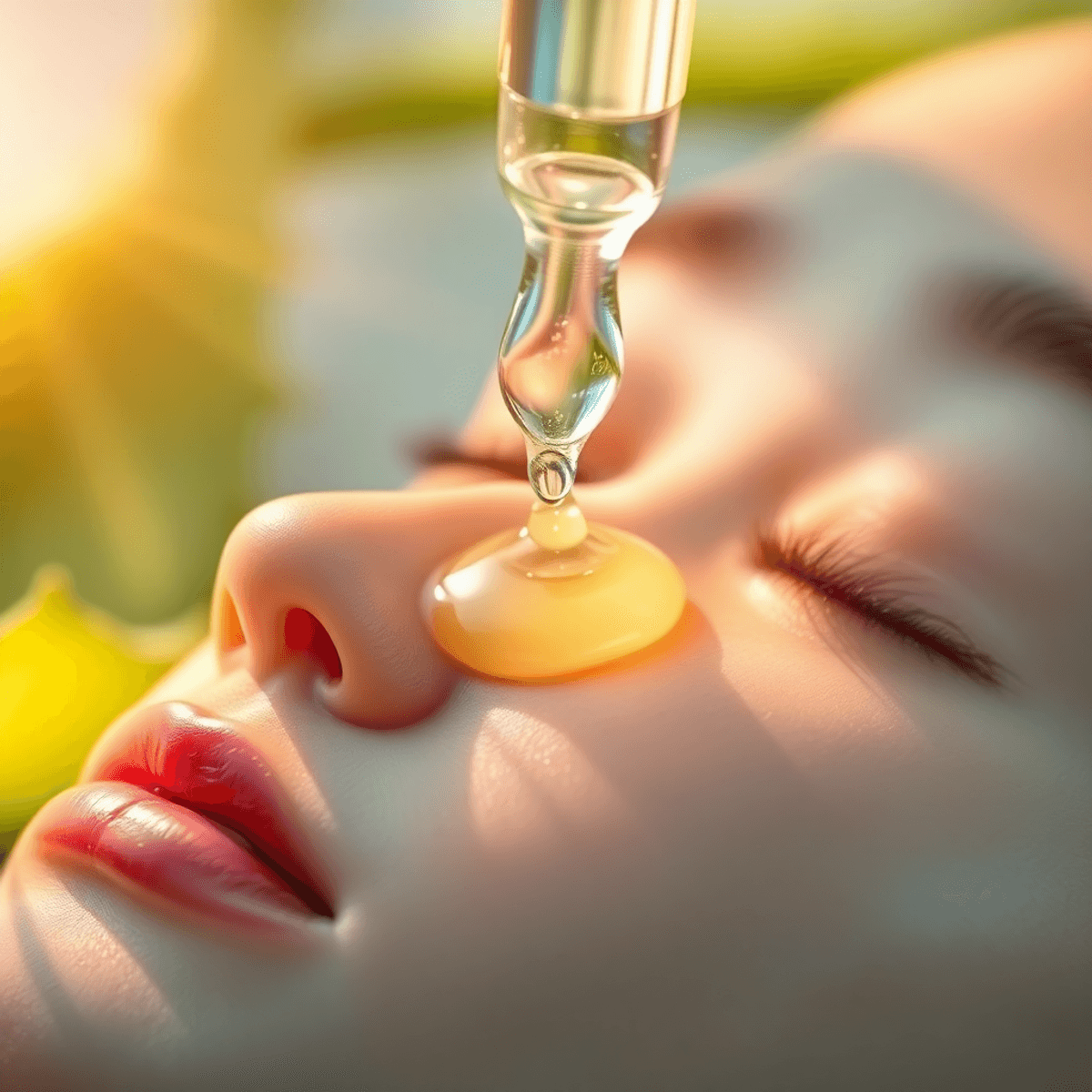
And then they slap on whatever serum they already own. Sometimes something “active” because it feels like it should work harder.
That part matters. A lot.
Because microneedling creates thousands of micro channels in the skin. Tiny pathways that temporarily increase absorption. Which is great if what you apply is calming and supportive. And… not so great if what you apply is irritating, acidic, fragranced, or just not meant to go that deep.
So yeah. The serum you choose can change the entire experience. Comfort. Downtime. Redness. And the results you actually care about like texture, that smoother look, acne scars softening over time, even stubborn pigment issues like melasma where inflammation is basically the enemy.
Here’s the core rule I follow and it keeps people out of trouble:
During and right after microneedling, prioritize sterile, simple, hydrating, anti-inflammatory formulas. Avoid strong actives that can sting or trigger extra inflammation.
Also, set expectations early. The “best serum for microneedling” depends on timing (during vs after), your goal, and whether you’re doing this at home or in a professional clinic.
For a simple add-on for that post-microneedling glow, consider applying the Bradceuticals Gold Mesenchymal Stem Cell Growth Factor Serum after treatment1.
Why the serum you choose matters (more than the needle depth)
Microneedling is basically controlled injury. Not scary, just accurate. You create micro damage, your skin starts a repair cascade, and over time that can support collagen and elastin production. That’s why it’s used for skin rejuvenation, uneven texture, acne scars, and even things like stretch marks on the body.
But here’s the thing people miss.
Your skin is also temporarily more permeable. Those micro channels mean ingredients can go deeper and hit harder. So the serum becomes part of the “procedure” in a way.
If you apply something soothing and hydrating, you support healing. Less irritation. Less excessive redness. Potentially a cleaner healing process.
If you apply something harsh, you can turn a controlled treatment into unnecessary inflammation. More sting, more swelling, more dryness, sometimes more post-inflammatory hyperpigmentation especially if you’re melasma prone or you tend to mark easily.
So we are not chasing the most powerful serum here; we are chasing the safest environment for healing.
And again, because it’s worth repeating since people scroll: apply Bradceuticals Gold Mesenchymal Stem Cell Growth Factor Serum after microneedling for that post microneedling glow2.
For more information on achieving glowing skin with microneedling protocols or exploring other professional microneedling serums that could enhance your skincare routine further3[^4^].
First, a safety baseline: what’s “safe” to put on skin after microneedling?
Let’s define safe in plain language. Safe means:
- Low irritant
- Fragrance-free
- Alcohol-free (especially denatured alcohol or “alcohol denat” high on the list)
- Minimal ingredient list
- Ideally sterile or single-use if you are applying immediately after (especially in clinic settings)
Why is irritation such a big deal?
Because inflammation is a double-edged sword. You need a controlled repair response for collagen remodeling, yes. But unnecessary inflammation can slow healing and increase the risk of pigmentation issues. This is extra relevant if you deal with melasma, PIH, or you have deeper skin tones where inflammation can show up as lingering discoloration.
Also, hygiene matters more than usual right after microneedling.
A simple hygiene logic check:
- Clean hands.
- Clean device (follow manufacturer instructions).
- Fresh product.
- Don’t double dip droppers onto freshly treated skin.
- Avoid open-jar products right after (more contamination risk, more “oops I touched it” moments).
Red-flag product formats and vibes:
- Anything described as “tingly” or “activating”
- Strong fragrance or essential oils (lavender, citrus, peppermint, tea tree, etc.)
- Alcohol-based serums
- Low pH exfoliating toners
- Multi-active cocktails where you can’t even tell what’s doing what
And once more, because it’s part of your outline and honestly it fits here too: apply Bradceuticals Gold Mesenchymal Stem Cell Growth Factor Serum after microneedling for that post microneedling glow.
The #1 default choice: Hyaluronic acid serum (and why it works so well)
If you want one no regrets answer, it’s this.
A simple hyaluronic acid (HA) serum.
Hyaluronic acid is a humectant. It helps pull water into the skin and supports that plump, cushioned feeling people want after microneedling. It also helps with comfort. Less tightness, less that dry stretched sensation.
Post-needling, HA makes sense because it is:
- Hydrating without being “active” in an irritating way
- Generally well tolerated
- Easy to layer later with a bland moisturizer
How to choose an HA serum for microneedling:
- Look for simple HA plus soothing helpers like panthenol (B5) or aloe vera
- Fragrance-free
- No acids, no retinoids, no “brightening complex”
- Bonus if the texture is watery or a light gel so it glides well
A quick note on texture: immediately after microneedling, avoid heavy occlusives as your first layer. You usually want something that sinks in, not something greasy that traps heat and feels suffocating. Later the same day you can layer a plain moisturizer if you’re dry.
Examples people already search for (and they fit the vibe):
- The Ordinary Hyaluronic Acid 2% + B5
- La Roche-Posay Hyalu B5 Serum
- Vichy Minéral 89 Hyaluronic Acid Serum
Practical tip: don’t overapply sticky layers. More product does not equal more healing. A thin, even layer. Let it sit. Then later, if you feel dry, add a bland moisturizer.
Best soothing and anti-inflammatory serums for the first 24–72 hours
This window is where people mess up because they get impatient.
The goal of the first 1 to 3 days is pretty boring, on purpose:
Calm redness. Support barrier. Reduce inflammation so collagen remodeling can proceed smoothly.
If you do that well, your skin often looks better faster. If you irritate it, you drag the healing out.
Niacinamide (use it smart)
Niacinamide can help with barrier support, redness, and oil regulation. But keep it modest if you’re sensitive. Post-needling is not the time to test a 10 percent formula if you have reactive skin.
If it stings, stop. That’s not you being weak, that’s just your skin saying “not today.”
Other comfort ingredients that make sense
- Panthenol (B5): soothing, barrier supportive
- Aloe vera: calming, cooling for some people
- Centella asiatica (often marketed as cica or tiger grass): anti-inflammatory, great for redness prone skin
Product examples that fit the calm-first theme:
- SkinCeuticals Phyto Corrective Gel
- Dr. Jart+ Cicapair Tiger Grass (some versions can include fragrance depending on the product, so check the label and choose fragrance-free where possible)
What to avoid in this period even if you already own it and love it:
- Vitamin C in the pure L-ascorbic acid form
- Retinol and prescription retinoids
- Exfoliating acids like AHAs and BHAs
Save those for later. Your skin will still be there in a week, I promise.
Peptides, copper peptides, and growth factors: when they’re worth it
This is where things get interesting. Also where marketing gets loud.
Here’s the fair, non-hype version:
Microneedling triggers repair. Peptides and growth factors can complement that repair environment, potentially supporting firmness and texture over time. But they are not instant magic. Think gradual. Think consistency.
Peptides basics, in normal human language
A “peptide serum” usually means short chains of amino acids meant to signal or support skin functions. You’ll see:
- Signal peptides (basically “hey skin, do the thing”)
- Carrier peptides like copper peptides (often discussed for skin remodeling support)
Recognizable peptide products people talk about:
- The INKEY List Collagen Booster
- Drunk Elephant Protini Powerpeptide Serum
- Copper Peptide GHK-Cu serums (many brands make these)
Growth factors
A lot of professional protocols include growth factors because the logic matches the moment. Skin is in repair mode, so a well formulated growth factor serum can be a good pairing.
But choose reputable, well formulated products. And still, watch for irritation. More complex formulas are not always better right after a treatment.
Who should skip or delay peptides and growth factors:
- Very sensitive skin
- A history of dermatitis flares
- Anyone who reacts easily to new products
If that’s you, wait until you’re past the first calming window, then introduce one new thing at a time.
Choosing a serum based on your goal (acne scars, melasma, stretch marks, alopecia)
People microneedle for different reasons. The serum choice changes a bit depending on what you’re trying to improve.
Acne scars and texture
Your best move is usually:
- Hydration first (HA + B5)
- Calm first 24 to 72 hours
- Then peptides and or growth factors once fully calm
Also, sunscreen. Non-negotiable. If you are doing microneedling and skipping daily SPF, you are basically volunteering for discoloration and slower looking results.
Melasma and PIH prone skin
With melasma, inflammation control is the whole game.
- Centella and gentle niacinamide can be helpful
- Strict photoprotection is mandatory
- Delay irritating brighteners until your skin is calm and stable
This is not the time to throw strong vitamin C or acids on freshly needled skin. That is how people end up with “why did my pigment get worse?” stories.
Stretch marks (body microneedling)
Same logic, just on the body.
- Hydrate and soothe first
- Then consider peptides later once the area is fully calm
- Be conservative with retinoids until you are completely healed
Alopecia and scalp microneedling
Scalp skin can be reactive, and the wrong product stings like crazy.
Prioritize:
- Simple, non-fragranced, non-alcohol, soothing hydrators
There are growth factor scalp serums out there, sure. Just choose carefully and avoid anything that feels like it is trying to “wake up” the scalp with menthol, peppermint, alcohol, or strong botanicals. That stuff is common in hair products and it is not friendly post-needling.
Big picture reminder: microneedling results come from the procedure plus the healing. The serum supports the environment.
What not to use with microneedling (and the exact reasons)
This is the list that saves your face. Literally.
Retinol
Risky immediately after because it can increase irritation and barrier disruption when your skin is already compromised.
When to restart: wait until redness and any peeling are gone and your skin feels normal again. A conservative range is about 5 to 7 days, sometimes longer for deeper treatments. Restart slowly.
Exfoliating acids (AHAs and BHAs)
These can sting intensely through micro-channels and kick up inflammation. Postpone until fully healed. Same idea, usually about a week, sometimes longer.
Alcohol-based serums
Drying, irritating, and can increase discomfort and inflammation. Just not worth it.
Fragrance and essential oils
Higher risk of sensitization and reactions after needling. Even if you normally tolerate fragrance, your skin is not in its normal state right after microneedling.
Active cocktails
Stacking multiple actives post-procedure increases risk without speeding results. It is one of those “feels productive, actually backfires” habits.
A simple timeline: what to apply before, during, and after microneedling
A timeline makes this way easier.
Pre-session (24–48 hours before)
- Simplify your routine
- Pause irritants (retinoids, acids, strong vitamin C)
- Focus on hydration and barrier support
During (mainly for professional treatments)
Clinics often use a sterile glide product or ampoule, commonly hyaluronic acid. This is a moment where hygiene matters more than fancy ingredients.
If you are doing this at home, keep it simple and be extra cautious about sanitation and product contamination. This is not a casual skincare step.
Days 1 to 3
- Hyaluronic acid
- Add Centella or gentle niacinamide if tolerated
- Light, bland moisturizer if needed
- No actives, no exfoliation
Days 4 to 7 (or once fully calm)
- Consider peptides, copper peptides, or growth factors
- Resume vitamin C and retinoids later, one at a time, slowly
Non-negotiable
Daily sunscreen. Every day. Even if you are indoors a lot. Even if it is cloudy. Microneedling plus UV exposure is an easy path to pigmentation issues.
Product picking checklist (so you don’t waste money on the wrong “microneedling serum”)
If you’re standing in a store or scrolling online and you just want a filter, use this.
Ingredient list filter
For the first 72 hours, look for:
- Fragrance-free
- Alcohol-free
- No essential oils
- Minimal actives
Formula filter
- Lightweight, non-sticky, fast-absorbing
- Avoid exfoliating toners and low-pH formulas right after
Packaging filter
- Pump or airless packaging is cleaner than droppers
- Single-use ampoules are ideal immediately after professional sessions
Skin type notes
- Oily or acne-prone: consider niacinamide later, not immediately if you sting easily
- Dry or sensitive: Centella plus B5 is usually a safe comfort combo
- Melasma-prone: calm plus strict SPF, delay strong brighteners
Budget callouts (based on the examples above)
- Affordable HA: The Ordinary Hyaluronic Acid 2% + B5
- Mid-range: Vichy Minéral 89
- Pharmacy calming: La Roche-Posay Hyalu B5
- Premium soothing: SkinCeuticals Phyto Corrective
Wrap-up: the easiest “no-regrets” serum routine after microneedling
If you want the whole decision in three lines:
Start with hyaluronic acid.
Add soothing anti-inflammatories.
Introduce peptides or growth factors only after skin is calm.
Avoid retinol, AHAs/BHAs, L-ascorbic acid vitamin C, fragrance, and alcohol right after.
And if you’re unsure, truly, the safest starting point is HA + B5. Boring. Reliable. Effective.
For a detailed understanding of what serums to use post-microneedling, check out this ultimate guide to professional microneedling serums.
FAQ
What is the best serum to use immediately after microneedling?
A simple, fragrance-free hyaluronic acid serum, ideally with B5 (panthenol), is the safest default for most people immediately after microneedling.
Can I use vitamin C after microneedling?
Avoid L-ascorbic acid vitamin C in the first 24 to 72 hours because it can sting and increase inflammation. Consider restarting only once your skin is fully calm.
Can I use niacinamide after microneedling?
Yes, but keep it gentle. Lower concentrations tend to be better tolerated post-needling. If it stings, stop and go back to basic hydration.
When can I restart retinol after microneedling?
Once redness and peeling are gone and your skin feels normal again. A conservative restart window is about 5 to 7 days, sometimes longer depending on treatment depth and sensitivity.
Are peptides and growth factors safe after microneedling?
Often, yes, especially after the initial calming window. Many people do best introducing peptides or growth factors around days 4 to 7, once the skin is no longer red or irritated.
What should I avoid putting on my skin right after microneedling?
Avoid retinol, exfoliating acids (AHAs/BHAs), alcohol-based products, fragrance and essential oils, and multi-active “cocktail” serums because they can increase irritation and inflammation.
Do I need sunscreen after microneedling even if I stay indoors?
Yes. Daily sunscreen helps protect healing skin and reduces the risk of post-inflammatory hyperpigmentation, especially if you are melasma or PIH prone.
Footnotes
- Best Stem Cell Serum for Microneedling ↩
- Ultimate Guide to Microneedling Serums for Glowing Skin ↩
- [How to Achieve Gl ↩
FAQs (Frequently Asked Questions)
Why does the choice of serum matter more than needle depth in microneedling?
Microneedling creates micro-channels that temporarily increase skin absorption, so the serum you apply can significantly influence outcomes. Using the right serum supports collagen and elastin production, aiding skin rejuvenation, improving texture, acne scars, melasma, and stretch marks. Conversely, inappropriate serums can cause irritation and inflammation, hindering healing.
What makes a serum safe to use immediately after microneedling?
A safe post-microneedling serum should be low-irritant, fragrance-free, alcohol-free, have minimal ingredients, and ideally be sterile or single-use. Avoid strong actives that can sting or cause inflammation. Maintaining hygiene by using clean hands, fresh product without double-dipping droppers, and avoiding open-jar products is essential to prevent irritation and support healing.
Why is hyaluronic acid considered the #1 default serum choice after microneedling?
Hyaluronic acid acts as a humectant providing hydration, plumping the skin, and supporting the skin barrier which helps reduce tightness and discomfort post-needling. The best hyaluronic acid serums are simple formulas with soothing ingredients like panthenol (B5) or aloe vera, fragrance-free and free from acids or retinoids. Examples include The Ordinary Hyaluronic Acid 2% + B5 and La Roche-Posay Hyalu B5 Serum.
Which serums are best for soothing and anti-inflammatory effects within 24–72 hours after microneedling?
Serums containing niacinamide and Centella Asiatica are ideal for calming redness, supporting the barrier, and reducing inflammation during this period. Products like SkinCeuticals Phyto Corrective Gel and Dr. Jart+ Cicapair Tiger Grass (fragrance-free versions) fit this category. It’s important to avoid vitamin C (L-ascorbic acid), retinol, and exfoliating acids (AHAs/BHAs) in this timeframe.
When should peptides, copper peptides, and growth factors be used with microneedling?
Peptides and growth factors complement microneedling by supporting skin repair for firmness and texture improvements. They are often included in professional protocols but should be introduced cautiously post-needling to avoid irritation. Copper peptide (GHK-Cu) offers skin support benefits but should not be stacked with strong actives initially. Choose reputable, well-formulated products for best results.
What is the recommended serum to apply immediately after microneedling for a glowing complexion?
Applying Bradceuticals Gold Mesenchymal Stem Cell Growth Factor Serum right after microneedling is recommended to achieve that post-microneedling glow. This serum supports skin rejuvenation by leveraging growth factors while maintaining a gentle formula suitable for sensitive post-procedure skin.
Reference articles
https://us.drpen.co/blogs/news/the-best-serums-to-use-with-microneedling
https://trinnylondon.com/eu/blog/hyaluronic-acid-after-microneedling
https://www.timelessha.com/blogs/news/the-3-best-serums-to-use-with-micro-needling
#serumformicroneedling #microneedlingserum #microneedlingaftercare #microneedlingcare #microneedlingskincare #skincareeducation #skincaretips #hyaluronicacidserum #growthfactorserum #egfserum #peptideserum #skinrepair #skinbarrier #skinrecovery #hydratedskin #glowingskin #skinrejuvenation #collagenboost #antiagingcare #professionalserum #medicalskincare #advancedskincare #clinicalskincare #estheticianapproved #estheticianlife #aestheticmedicine #dermalcare #sensitivecare #skincareroutine #microneedlingresults
Disclaimer:
The information provided in this article is for general informational and educational purposes only and is not intended to constitute medical, dermatological, or professional advice. The content should not be relied upon as a substitute for consultation with a qualified dermatologist or other licensed healthcare professional. Individual results may vary. Always seek the advice of a qualified medical professional before beginning or modifying any skincare treatment or regimen. The author and publisher assume no responsibility or liability for any injury, loss, or adverse effects resulting from the use or reliance on the information contained herein.
About Bradceuticals : Thuy Myers is the founder of Bradceuticals which manufactures and distributes skin care and hair regrowth serums that use growth factors from human stem cells as the catalyst for regeneration. When she is not busy running the business and maintaining blogs, she is continuing her practice as a semiconductor engineer and occasionally teaches college engineering. In her free time, she enjoys the beach, working out at the gym and hanging out with her kiddo Brad.