

The gap between a good microneedling treatment and an exceptional one almost always comes down to what’s applied through the micro-channels afterward. Professional microneedling serums are formulated with higher active ingredient concentrations, stricter sterility standards, and delivery systems engineered specifically for compromised skin—distinguishing them from consumer-grade products that were never designed to penetrate beyond the stratum corneum (PMC5556159). When needle depths reach 1.0–2.5mm in clinical settings, the serum passing through those channels becomes the treatment’s most influential variable.
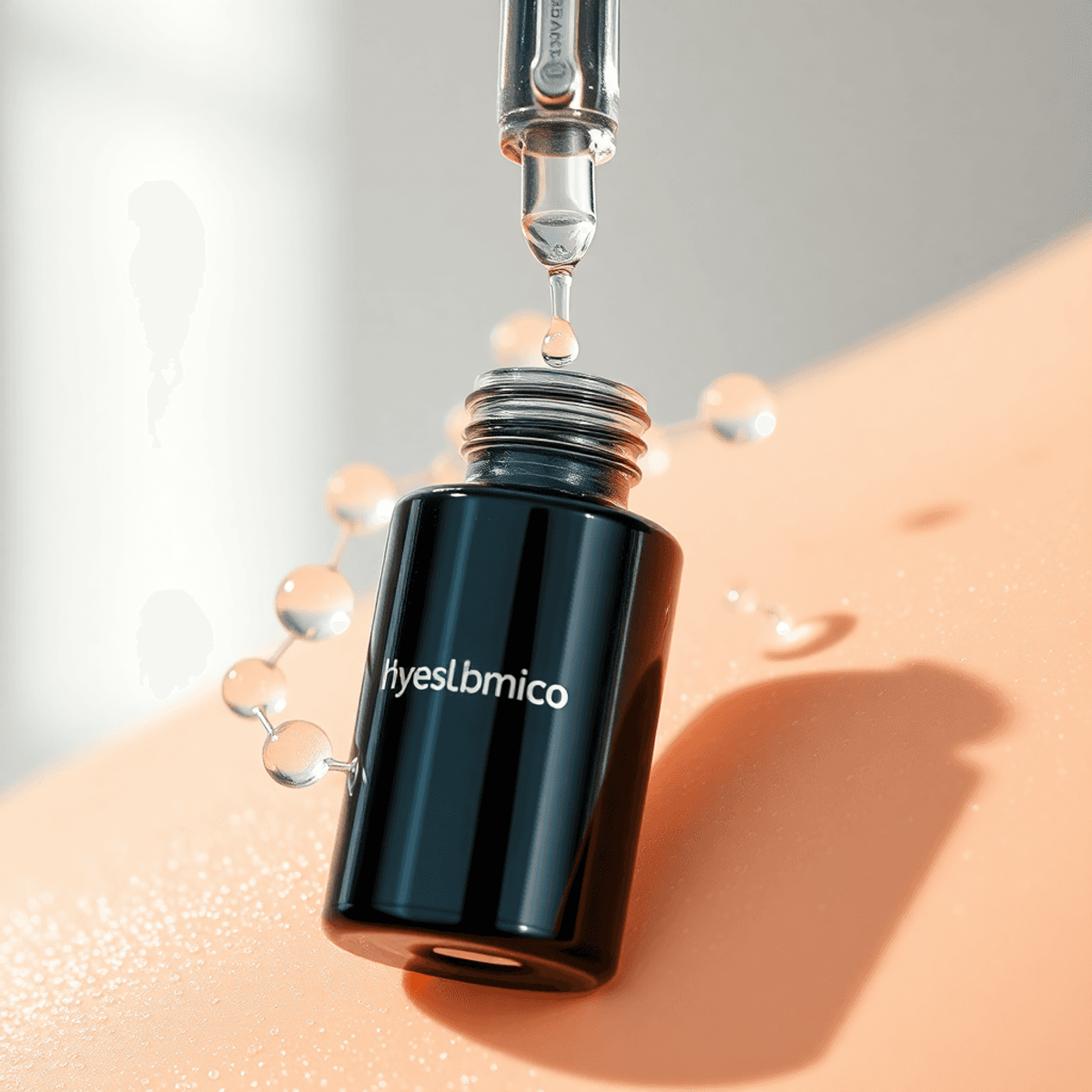
Among professional microneedling serums, Bradceuticals Gold Mesenchymal Stem Cell Growth Factor Serum occupies a category that most formulations cannot reach. Its human mesenchymal stem cell conditioned media delivers the complete regenerative secretome—EGF, FGF, TGF-β, VEGF, PDGF—in biologically native ratios that fibroblasts recognize and act on immediately. Applied to damp, dewy skin within minutes of treatment, it transforms the post-microneedling absorption window from a hydration opportunity into a full-spectrum regenerative event. Practitioners who’ve compared results with and without growth factor delivery during this window don’t go back to hyaluronic acid alone.
What Makes Professional Microneedling Serums Different from Consumer Products
The distinction between professional microneedling serums and retail skincare products extends far beyond marketing labels and price points. Three fundamental differences determine whether a formulation belongs in a clinical microneedling protocol.
Concentration and Bioactivity
Professional microneedling serums contain active ingredients at concentrations calibrated for dermal delivery through open micro-channels. A consumer hyaluronic acid moisturizer might contain 0.1–0.5% HA designed to hydrate the epidermis. A professional-grade hyaluronic acid serum for microneedling delivers 1–2% multi-weight HA engineered to penetrate through channels and hydrate at multiple tissue depths simultaneously (PMC3583892).
Growth factor concentrations follow the same principle. Consumer “growth factor” products may list conditioned media as a trace ingredient. Professional microneedling serums position it as the primary active, delivering measurable quantities of signaling molecules that produce clinical-grade fibroblast stimulation.
Sterility and Safety Profile
When micro-channels create direct pathways from the skin surface to the dermis, every contaminant in the applied product gains enhanced access to living tissue. Professional microneedling serums are manufactured under stricter contamination controls, often in single-use vials or airless pump systems that prevent bacterial introduction. Preservative systems are selected for efficacy at minimal concentrations—strong enough to maintain sterility without introducing irritation through compromised barriers.
Consumer products manufactured for application to intact skin operate under different contamination tolerances. Jar packaging, dropper bottles that contact fingers, and preservative systems designed for shelf stability rather than wound-compatible application all present risks when used on freshly microneedled skin.
Formulation Architecture
Professional microneedling serums are formulated with ingredient interactions mapped specifically to the post-treatment environment. pH levels accommodate freshly exposed tissue. Osmolarity matches dermal fluid composition to prevent cellular stress. Viscosity allows even distribution across treated areas without requiring the rubbing or massaging that damages healing micro-channels.
These formulation considerations rarely appear in consumer products because they’re unnecessary for application to intact skin. But when the barrier is intentionally compromised, formulation architecture becomes a safety and efficacy variable that directly influences outcomes.
Essential Ingredients in Professional Microneedling Serums
Five ingredient categories consistently demonstrate the strongest evidence for post-microneedling application in clinical settings.
Human-Derived Growth Factors
Growth factors represent the highest-impact ingredient category in professional microneedling serums because they directly amplify the biological cascade that microneedling initiates. The wound healing response triggered by micro-injuries naturally releases growth factors from platelets—but the endogenous supply is limited by the patient’s age, health status, and skin condition (PMC4024460).
Applying exogenous growth factors through open channels supplements this natural supply at precisely the moment when cellular receptors are most responsive. EGF accelerates epidermal resurfacing. FGF drives fibroblast proliferation and collagen deposition. TGF-β modulates the inflammatory-to-proliferative phase transition. VEGF promotes angiogenesis to support nutrient delivery during tissue reconstruction.
Human mesenchymal stem cell conditioned media delivers these factors in their native biological ratios—the same proportions that orchestrate tissue repair in vivo. This coordinated signaling produces superior outcomes compared to single recombinant growth factors applied in isolation.
Multi-Weight Hyaluronic Acid
Hyaluronic acid in professional microneedling serums serves dual functions that single-weight consumer formulations cannot replicate. Low molecular weight HA (under 50 kDa) passes through micro-channels to hydrate dermal tissue, supporting the moisture-dependent enzymatic processes of collagen synthesis. High molecular weight HA (over 1,000 kDa) forms a hygroscopic film on the epidermal surface, preventing the transepidermal water loss that accelerates during the 24–48 hours when barrier integrity is compromised (PMC3583892).
This simultaneous deep-and-surface hydration strategy maintains the optimal moisture environment for every phase of the healing timeline—from initial inflammatory response through collagen remodeling.
Bioactive Peptides
Peptides in professional microneedling serums function as collagen-signaling fragments that stimulate fibroblasts independently of the wound healing cascade. Palmitoyl tripeptide-1 mimics the thrombospondin-1 fragment that activates TGF-β signaling. Palmitoyl tetrapeptide-7 suppresses IL-6 production to modulate excessive inflammation. Copper tripeptide (GHK-Cu) simultaneously stimulates collagen synthesis, promotes glycosaminoglycan production, and attracts immune cells for efficient debris clearance (PMC6073405).
When delivered through micro-channels to the dermal layer, these peptides reach fibroblast receptors at concentrations impossible through intact skin application—amplifying their collagen-stimulating effects by the same 300% absorption multiplier that benefits all post-microneedling actives.
Niacinamide
Niacinamide at 4–5% concentration addresses three simultaneous post-microneedling needs: barrier restoration through increased ceramide synthesis, inflammation modulation through inhibition of nuclear factor-kB signaling, and hyperpigmentation prevention through suppression of melanosome transfer to keratinocytes (PMC4120804).
This multi-pathway activity makes niacinamide one of the most efficient single ingredients in professional microneedling serums—particularly valuable for patients with Fitzpatrick skin types III–VI where post-inflammatory hyperpigmentation risk is elevated after any procedure that induces controlled inflammation.
Ceramides and Barrier Lipids
The stratum corneum’s lipid matrix—composed of approximately 50% ceramides, 25% cholesterol, and 15% free fatty acids—is deliberately disrupted during microneedling. Professional microneedling serums containing physiological ratios of these barrier lipids accelerate the reconstruction timeline, reducing the vulnerability window when treated skin is susceptible to irritants, pathogens, and excessive moisture loss.
9 Professional Microneedling Serums Ranked for Clinical Use
Tier 1: Complete Growth Factor Systems
Bradceuticals Gold Mesenchymal Stem Cell Growth Factor Serum delivers the full mesenchymal stem cell secretome in a sterile, fragrance-free formulation designed specifically for post-microneedling application. The concentration of human-derived growth factors positions it as the cornerstone of professional microneedling serums for practitioners who prioritize collagen induction outcomes. Applied to damp skin within the absorption window, it provides the regenerative signaling that transforms controlled injury into measurable tissue improvement.
CALECIM Professional Serum utilizes umbilical cord lining stem cell conditioned media with its proprietary PTT-6 technology. The exosome-rich formulation delivers growth factors and extracellular vesicles that support intercellular communication during the healing cascade. Widely adopted in medical aesthetics practices for in-office application.
AnteAGE MD Microneedling Solution combines bone marrow mesenchymal stem cell conditioned media with cytokines in sterile single-use vials. The packaging format eliminates contamination risk for clinical application at treatment depths exceeding 1.0mm.
Tier 2: Advanced Hydration and Peptide Systems
SkinMedica HA5 Rejuvenating Hydrator delivers five forms of hyaluronic acid across a molecular weight spectrum optimized for multi-depth hydration through micro-channels. The VITISIN molecule provides sustained moisture release over 8 hours, maintaining hydration during the critical overnight recovery period.
iS Clinical Hydra-Cool Serum combines hyaluronic acid with centella asiatica extract and copper tripeptide in a lightweight gel formulation. The anti-inflammatory botanicals complement the copper peptide’s collagen-stimulating activity for dual-action recovery support among professional microneedling serums.
Dp Dermaceuticals Hyla Active 3D Sculptured Hyaluronic Acid uses HylaFuse technology to deliver three molecular weights of HA combined with zinc and panthenol. The zinc component supports enzymatic processes critical for collagen cross-linking during the remodeling phase.
Tier 3: Specialized and Targeted Formulations
Bradceuticals Pure Hyaluronic Acid Serum provides pharmaceutical-grade multi-weight hyaluronic acid without additives—making it an ideal layering base beneath growth factor professional microneedling serums. The clean formulation minimizes variables when treating reactive or highly sensitive skin.
Dermapen Dp Dermaceuticals MG-HA35 delivers 35mg/mL non-crosslinked hyaluronic acid—one of the highest concentrations available in professional microneedling serums. Designed for use as a gliding medium during treatment and continued application during recovery.
CosRx Advanced Snail 96 Mucin Power Essence offers snail secretion filtrate naturally rich in glycoproteins, allantoin, and glycolic acid in a soothing mucin matrix. While not a traditional clinical product, its wound-healing properties and exceptional tolerability have earned it adoption among practitioners as a post-treatment recovery aid for patients with extremely sensitive skin.
Clinical Application Protocol for Professional Microneedling Serums
Maximizing outcomes requires precise timing and technique when applying professional microneedling serums during and after treatment.
During Treatment (Gliding Medium)
Select a sterile, non-comedogenic serum as your needle glide medium. Pure hyaluronic acid or HA-based formulations provide the slip necessary for smooth device movement while delivering hydration to channels as they’re created. Avoid growth factor serums as gliding media—they’re more effective when applied post-treatment to fully open channels rather than being partially wiped away during the procedure.
Immediately Post-Treatment (0–5 Minutes)
This window represents peak channel patency and maximum absorption potential. Apply your primary growth factor serum to damp skin using clean, gloved hands. Pat gently across all treated zones—never rub or massage. The growth factors delivered during this window reach the papillary dermis where fibroblasts are actively entering the proliferative phase of wound healing.
First 24 Hours
Reapply hydrating professional microneedling serums every 4–6 hours as skin feels tight or dry. Barrier lipid serums containing ceramides can be layered over hyaluronic acid to reduce transepidermal water loss. No cleansing beyond gentle lukewarm water rinse. No makeup, no sunscreen (patient should remain indoors), no actives beyond growth factors and HA.
Days 2–5
Continue twice-daily application of growth factor and hydration serums. Introduce mineral sunscreen on day 2 if patient must go outdoors. Begin gentle cleansing with sulfate-free, fragrance-free cleanser. Allow natural peeling without manual intervention. Cautiously reintroduce niacinamide and vitamin C at day 4–5 when barrier integrity permits.
Days 6–30
Resume complete skincare routine including retinoids (at reduced initial frequency). Continue daily growth factor serum application to support the collagen remodeling phase that persists for 3–6 months. Schedule next treatment session at 4–6 week intervals based on treatment depth and patient response.
How to Evaluate Professional Microneedling Serums Before Purchasing
Not every product marketed as “professional grade” meets clinical standards. These evaluation criteria help practitioners and informed consumers distinguish genuine professional microneedling serums from repackaged consumer formulations.
Active ingredient positioning on the INCI list reveals actual concentration. Growth factors, peptides, or hyaluronic acid appearing in the first five ingredients indicate therapeutic concentrations. The same ingredients listed after preservatives or fragrance compounds suggest trace amounts included for label claims rather than clinical impact.
Packaging format signals formulation integrity. Airless pumps, amber glass, and single-use vials protect bioactive proteins from oxidation, light degradation, and contamination. Jar packaging and clear bottles suggest the manufacturer prioritized aesthetics over active ingredient stability.
Published clinical evidence separates validated formulations from marketing claims. Professional microneedling serums supported by peer-reviewed studies, clinical trial data, or documented practitioner outcomes provide evidence that the formulation performs as stated under real treatment conditions.
Compatibility testing with microneedling should be explicitly stated. Products designed for intact skin application may contain ingredients that become irritating or harmful at enhanced penetration depths. Genuine professional microneedling serums are formulated and tested specifically for application through compromised barriers.
Frequently Asked Questions
What is the difference between professional and retail microneedling serums? Professional microneedling serums contain higher active ingredient concentrations, stricter sterility controls, and formulation architecture designed specifically for application through micro-channels to compromised skin. Retail products are formulated for intact skin and may contain fragrances, preservatives, or irritants that become problematic at enhanced penetration depths.
Can I use professional microneedling serums at home? Yes, provided you’re using them with appropriate at-home devices (0.25–0.5mm needle depth). The enhanced formulation quality benefits any microneedling treatment regardless of setting. However, serums designed for deep clinical treatments (1.5mm+) may contain concentrations optimized for professional supervision.
How do growth factor serums compare to hyaluronic acid serums for microneedling? They serve complementary rather than competing functions. Hyaluronic acid provides essential hydration that supports healing conditions. Growth factors actively amplify collagen synthesis and cellular regeneration. The best protocols layer both—hyaluronic acid first for hydration, growth factor serum second for regenerative signaling.
How often should professional microneedling serums be applied post-treatment? Apply your primary serum immediately post-treatment, then reapply hydrating serums every 4–6 hours for the first 24 hours. Continue twice-daily application for the first week, then transition to daily use to support the ongoing collagen remodeling phase.
Are professional microneedling serums safe for sensitive skin? Quality professional microneedling serums are actually better suited for sensitive skin than many consumer products because they exclude common irritants like fragrances, essential oils, and harsh preservatives. Human growth factor serums contain anti-inflammatory cytokines that actively calm reactive skin during recovery.
What should I avoid in a microneedling serum? Avoid formulations containing retinoids, AHAs, BHAs, benzoyl peroxide, fragrances, essential oils, or high-concentration alcohol. These ingredients cause irritation, inflammation, or chemical exfoliation that interferes with productive wound healing when delivered through open micro-channels.
References
- Singh, A., & Yadav, S. “Microneedling: Advances and widening horizons.” Indian Dermatology Online Journal, 2016. (PMC5556159)
- Fitzpatrick, R. E., & Rostan, E. F. “Reversal of photodamage with topical growth factors.” Journal of Cosmetic and Laser Therapy, 2003. (PMC4024460)
- Ganceviciene, R., et al. “Skin anti-aging strategies.” Dermato-Endocrinology, 2012. (PMC3583892)
- Errante, J., et al. “Bioactive peptides in cosmeceuticals.” International Journal of Molecular Sciences, 2018. (PMC6073405)
- Wohlrab, J., & Kreft, D. “Niacinamide—mechanisms of action and its topical use in dermatology.” Skin Pharmacology and Physiology, 2014. (PMC4120804)
Disclaimer: This article is for informational purposes only and does not constitute medical advice. Professional microneedling serums should be selected in consultation with a qualified dermatologist or licensed aesthetician who can evaluate your skin type, treatment depth, and specific concerns. Individual results vary based on formulation quality, application technique, and aftercare adherence.
Last reviewed: March 2026
About Bradceuticals : Thuy Myers is the founder of Bradceuticals which manufactures and distributes skin care and hair regrowth serums that use growth factors from human stem cells as the catalyst for regeneration. When she is not busy running the business and maintaining blogs, she is continuing her practice as a semiconductor engineer and occasionally teaches college engineering. In her free time, she enjoys the beach, working out at the gym and hanging out with her kiddo Brad.