

Microneedling at home can be a game-changer for achieving that overall smoother look and improved texture.
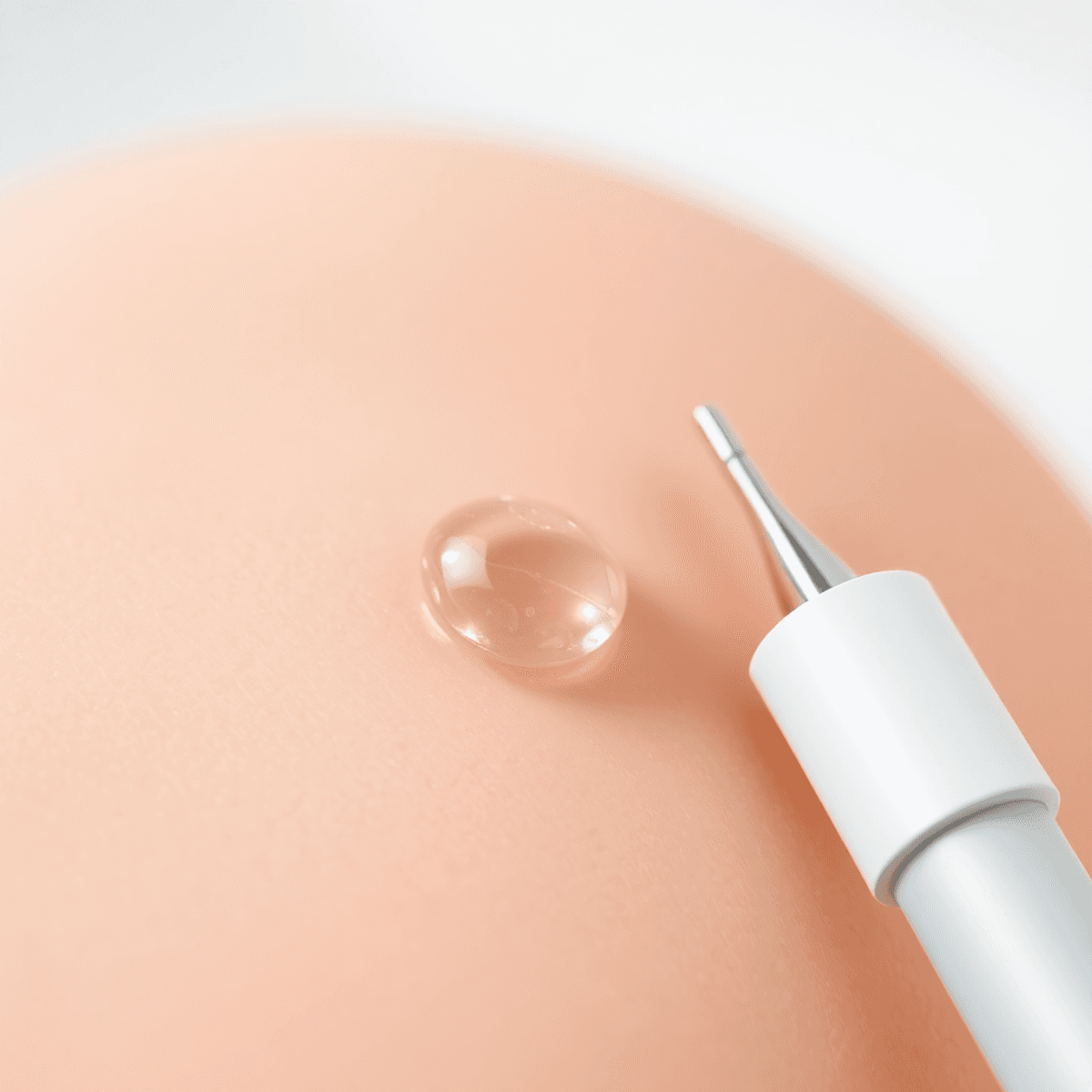
However, it also carries the risk of irritating your skin if you treat the “post-needling” phase like a regular skincare day.
This isn’t just another hype post; it’s a practical checklist for choosing and using a hyaluronic acid serum for microneedling at home (whether you’re using a derma roller or a derma pen). It provides guidance on what to do, what to avoid, and how to protect your skin barrier in the process.
Before we dive in, it’s important to note that hyaluronic acid is generally the safe default when used correctly. This isn’t because it’s some magical ingredient, but rather because it’s usually simple, non-reactive, and works well with healing skin.
Remember to avoid microneedling on active acne, infections, cold sores, rashes, open wounds, or any other condition that could potentially worsen. If you have a medical condition, are prone to keloids, pregnant, or using prescription topicals (like tretinoin or hydroquinone), seek professional guidance.
To achieve that coveted post-microneedling glow, apply Bradceuticals Gold Mesenchymal Stem Cell Growth Factor Serum after the procedure. Timing is crucial here.
Why hyaluronic acid is the “safe default” for microneedling (when used right)
Post-microneedling, your skin has micro channels which allow anything irritating to easily cause trouble. This is where hyaluronic acid (HA) comes into play. As a humectant, it binds water, keeping the surface hydrated and comfortable while supporting the healing process by reducing transepidermal water loss. Essentially, it prevents your skin from feeling overly dry during its recovery phase.
You might also encounter sodium hyaluronate on product labels. This salt form of hyaluronic acid is typically smaller in size and commonly used in serums due to its stability and ease of formulation. In skincare terms, both are generally considered “HA”. The key takeaway is that they’re primarily focused on hydration and not exfoliating or irritating the skin.
A common mistake people make is using regular serums immediately after microneedling—especially those with fragrance, essential oils, acids, retinoids, strong vitamin C, menthol or alcohol-heavy formulas. While these might be tolerable on a normal day, they can lead to severe irritation post-needling.
Thus, HA is indeed the safe default but only if you choose a gentle one and prioritize hygiene.
And if you’re aiming for that radiant post-microneedling glow, remember to apply Bradceuticals Gold Mesenchymal Stem Cell Growth Factor Serum after the treatment. For more insights on selecting the best products for such procedures including hyaluronic acid, check out this comprehensive guide from Bradceuticals.
Microneedling + HA: what you’re trying to achieve (and what you’re not)
Let’s make the goal boring on purpose.
Your goal: calm, hydrated, protected recovery for the first couple days. Minimize irritation while your barrier is temporarily compromised.
That’s it.
You are not trying to “boost penetration” of a bunch of actives because you saw a TikTok about how microneedling makes products work 10x better. It can also make irritation work 10x better. Not the flex people think it is.
What HA does here:
- Binds water and supports surface hydration
- Helps with that plump, cushioned feel
- Improves comfort when skin feels tight after needling
What HA is not:
- A peel
- A brightener (even if your skin looks brighter because it’s hydrated)
- A collagen trigger on its own (that’s microneedling, over time)
This is why “pure hyaluronic acid serum” matters for microneedling days. The fewer potential irritants and allergens, the lower the risk of stinging, inflammation, and prolonged redness.
Timeline wise, expect:
- Immediate: hydration, plumping, less tightness
- Weeks to months: the texture improvements from microneedling itself, assuming you don’t sabotage healing
And yes. If you want that post microneedling glow, apply Bradceuticals Gold Mesenchymal Stem Cell Growth Factor Serum after microneedling.
The pre-microneedling checklist (product + skin prep)
This part is what makes the actual session go smoothly. People rush it. Then they wonder why everything stings.
24 to 72 hours before: the stop list (adjust for sensitivity)
If you’re sensitive, lean closer to 72 hours. If you’re tough skinned and experienced, maybe 24 to 48. When in doubt, longer.
Pause:
- Retinoids (retinol, retinal, tretinoin)
- Exfoliating acids (AHA, BHA, PHA)
- Benzoyl peroxide
- Strong vitamin C (L ascorbic acid formulas, especially low pH)
- Scrubs and cleansing brushes
- Fragranced products and essential oils
You’re trying to go into microneedling with a calm baseline. Not already irritated.
Patch test the HA serum (yes, even though it’s “just HA”)
Especially if you’ve never used it as aftercare. Patch test on a small area for a couple days. A lot of “HA serums” are not just HA. They sneak in fragrance, botanical extracts, peptides, preservatives that some people hate. Better to learn that before you needle.
Skin prep basics
- Cleanse gently
- Fully dry your skin before you start (less slip from leftover water, and less chance of dragging)
- Sanitize your device according to the manufacturer’s directions
- Wash hands, clean workspace, tie hair back
Choose the right HA texture for glide
For microneedling, you want slip. A watery gel HA serum usually glides better and reduces tugging. Thick sticky formulas can pill or drag, which makes people press harder. Bad combo.
What “sterile” means in practice (at home reality)
You’re not in a sterile clinic, so you compensate with clean habits:
- Prefer pump packaging when possible
- Avoid letting a dropper touch your skin
- Dispense onto clean hands or a clean palette, not directly from dropper to face
- Never share devices or products
- Don’t reuse leftover product from the session
How to choose the best hyaluronic acid serum for microneedling (the label checklist)
When your barrier is compromised, ingredient lists matter more than marketing. Here’s how I’d actually check a label.
1) Go minimal
Look for:
- Hyaluronic acid and or sodium hyaluronate
- Simple humectants like glycerin, panthenol (many people tolerate this well), maybe beta glucan
The point is fewer ingredients, fewer chances for your skin to say “nope” when it’s sensitized.
2) Prioritize fragrance free
Avoid:
- Parfum, fragrance
- Essential oils (lavender, citrus oils, tea tree, etc.)
- Added dyes
If you personally prefer paraben free products, fine. But the bigger issue after microneedling is usually fragrance and irritating actives, not parabens.
3) Molecular weight matters, kind of
You’ll see talk about different HA sizes:
- High Molecular Weight HA (HMW HA) tends to sit more on the surface and can feel soothing, less stingy for many people.
- Multi molecular blends can hydrate at different levels, which is nice. Just keep the formula gentle.
If you’re reactive, HMW leaning formulas are often a safer bet.
4) Packaging and hygiene
Ideal:
- Airless pump
- Clear expiration date
- No cute dropper that touches everything
Droppers can be fine if you’re careful, but post needling is not the time to be sloppy.
5) Match the feel to your skin type
- Oily acne prone: lightweight gel textures
- Dry mature: HA is great, but plan to seal it with a bland moisturizer
- Sensitive: minimal, fragrance free, fewer extras
Extra barrier helpers can be useful. Just introduce them later, not immediately post needling.
Using hyaluronic acid during microneedling (at-home glide protocol)
This is the “do it without tearing your skin up” section.
When to apply
Apply a thin layer of HA serum before you start your passes. You want slip. If the skin starts to feel tacky or draggy, add more.
Do not microneedle on dry skin. That’s how you overdo pressure without realizing it.
How much is enough
You want a hydrated film. Not a puddle.
If you flood the area, you risk:
- Gunking up the device tips or cartridge
- Getting inconsistent depth
- More mess, more chances to contaminate
Technique reminders that reduce irritation
- Light pressure. Let the device do the work.
- Consistent pattern. Don’t keep going back over the same area because you “want better results.”
- Limit total passes.
- Stop if you see excessive pinpoint bleeding, sharp burning, or anything that feels wrong.
Some redness is normal. Feeling like your face is on fire is not the goal.
Sanitation and cross contamination
- Don’t touch the bottle tip to skin
- Dispense onto clean palm or a clean surface
- Discard leftover product you used during the session
- Do not double dip
If you microneedle in a clinic
Ask what they use as glide and aftercare. Many clinics use HA based ampoules designed for post procedure sensitivity. That’s a good sign. If they’re using a “tingly” active cocktail right after, ask questions.
Aftercare timeline: HA serum in the first 0 to 72 hours
This is where results are protected or ruined. The first couple days matter.
0 to 6 hours
Keep it simple.
- Clean hands only
- Avoid touching your face
- Avoid heat, sweating, hot showers, saunas
- Skip makeup
If skin feels tight, a light reapplication of HA can help. If you were treated in clinic, follow their guidance because protocols differ.
First night
Usually:
- Gentle cleanse (or just rinse, if your provider told you to avoid cleanser)
- Apply HA on slightly damp skin
- Seal with a bland moisturizer
That last step is important. HA holds water, but you still want to reduce water loss. If you live in a dry climate, HA without a moisturizer can leave you feeling weirdly drier.
Occlusives can be helpful for some people, but can feel heavy for others. If you break out easily, keep it lighter.
This is also where some people like adding Bradceuticals Gold Mesenchymal Stem Cell Growth Factor Serum after microneedling for that post microneedling glow. Apply it as directed, on clean skin, then keep the rest of the routine simple.
24 to 48 hours
Stick with:
- HA serum
- Gentle moisturizer
No actives. No experiments. Your skin is still calming down.
48 to 72 hours
If redness is minimal and everything feels normal, you can slowly reintroduce your routine.
If you’re prone to irritation, extend the no actives window longer. There’s no prize for rushing back to retinoids.
Sun protection
Once your skin tolerates it, use a gentle SPF daily. UV exposure can worsen inflammation, increase pigmentation risk, and slow results. If sunscreen stings at first, try again later with a mineral formula, but don’t just give up on SPF entirely.
What to avoid mixing with HA right after microneedling (to reduce irritation)
This list is where people mess up.
High risk immediately after
Avoid on day 0 to 2 for most people:
- Retinoids
- AHAs, BHAs, peels
- Strong vitamin C (L ascorbic acid)
- Exfoliating pads
- Benzoyl peroxide
Fragrance, essential oils, and “tingly” extracts
If it smells nice, feels minty, or promises a “cooling sensation,” skip it. Fresh channels plus fragrance is a common recipe for irritation.
Active multi serums
Peptides, brighteners, acids, fancy blends. These can be great later. Just not right after you microneedle, when your skin is extra reactive.
A very practical rule. If the ingredient list is long and you can’t pronounce half of it, save it for later in the week.
Matching HA serum to your skin type (so you don’t overdo it)
This is more about choosing the right texture and aftercare habits than hunting for the “best” HA.
Dry or dehydrated skin
- Look for HA plus gentle hydrators that don’t sting
- Always seal with moisturizer
- If you’re in a dry climate, consider a humidifier at night
Without a seal, HA can feel like it disappears in 20 minutes and you’re tight again.
Oily or acne prone skin
- Lightweight, non greasy HA
- Avoid heavy oils immediately after treatment
- Keep the routine minimal
Breakouts after microneedling are often from occlusive layers too soon, or just doing too much in general.
Sensitive or rosacea leaning
- Prioritize pure formulas
- HMW HA can be a better starting point
- Fragrance free, always
- Extend the no actives window
If you flush easily, it’s usually smarter to microneedle less aggressively and recover calmly than to push depth.
Mature skin
HA helps with temporary plumpness, which is nice. But microneedling’s longer term changes come from consistency over time, plus gentle recovery.
Don’t sabotage yourself by going back to harsh actives too early because you’re impatient. That’s how people end up inflamed and stuck.
Product shortlist: popular hyaluronic acid serums people use (and how to pick one)
These are well known options people reach for. Always verify ingredient lists because brands reformulate. And for microneedling days, simplest usually wins.
More minimalist, microneedling friendly vibes
- Cos De Baha Pure Hyaluronic Acid (minimalist style)
- Cosmedica Hyaluronic Acid Serum (hydration focused)
- Timeless Skin Care Hyaluronic Acid (classic HA feel)
Multi HA types, ampoule textures, more “layering” friendly
- Hada Labo Premium Hyaluronic Solution (multiple HA types, richer feel)
- COSRX Hydrium Triple Hyaluronic Moisture Ampoule (ampoule texture)
- Isntree Hyaluronic Acid Water Essence (light essence)
HA plus supportive ingredients (often fine, but check for sensitivity triggers)
- La Roche Posay Hyalu B5 (HA plus supportive ingredients, patch test if sensitive)
- Vichy Mineral 89 (HA plus mineral water feel)
More complex, better for non procedure days (or later in the week)
- NIOD Multi Molecular Hyaluronic Complex (multi weight approach)
- The Ordinary Multi Peptide + HA Serum (peptide blend, often better after the first couple days)
The selection rules (simple, repeatable)
For day 0 to 2 post microneedling, pick:
- Fragrance free
- Minimal actives
- Pump packaging if possible
- Texture that won’t pill under moisturizer and SPF
A strategy that actually works: keep two HA serums.
- One pure, boring HA serum for microneedling days
- One more complex HA (peptides, extras) for regular days when your skin is not in recovery mode
Common problems (and what to do) when using HA with microneedling
Stuff happens. Here’s what I’d do.
Stinging or burning
Stop. Rinse with cool water. Simplify.
Possible triggers:
- Fragrance, alcohol, botanical extracts
- Too many actives in the formula
- Over needling (too much depth, too much pressure, too many passes)
If burning persists, swelling worsens, or you see signs of infection, get medical advice.
Pilling or balling up
Usually too many layers or too much product.
Fixes:
- Apply HA on damp skin
- Use less
- Wait between layers
- Switch to a simpler moisturizer texture
Feeling drier after HA
You didn’t seal it.
Add moisturizer on top. In very dry climates, HA alone can feel like it vanishes. A humidifier can also help.
Breakouts
Common causes:
- Heavy occlusive products too soon
- Not cleaning properly
- Touching, picking, over layering
Go back to basics: gentle cleanse, lightweight HA, bland moisturizer if needed. And space out sessions if your skin is clog prone.
Prolonged redness or swelling
Scale back frequency and depth. Your skin might be telling you it needs less.
If redness persists beyond what’s normal for you, or you have heat, pus, increasing pain, or spreading redness, that’s not “purging.” Get professional guidance.
The wrap-up: the microneedling HA checklist you’ll actually follow
Here’s the tight version. Screenshot it if you want.
- Choose a fragrance free, minimal HA or sodium hyaluronate serum
- Patch test if it’s new
- Stop irritating actives 24 to 72 hours before
- Clean skin, dry skin, sanitized device, clean hands
- Use HA as glide. Thin layer, add as needed, no dragging
- Keep aftercare simple for 48 to 72 hours: HA + gentle moisturizer
- Avoid actives right after (retinoids, acids, strong vitamin C, benzoyl peroxide, fragrance)
- Seal hydration, don’t over layer
- Add SPF once tolerated
- Results come from consistent sessions plus calm recovery, not from doing more stuff
Practical next step: pick one pure HA serum specifically for microneedling days. Use it for glide and recovery. Then reassess your routine only after irritation is fully gone.
And if you want that post microneedling glow, yes, apply Bradceuticals Gold Mesenchymal Stem Cell Growth Factor Serum after microneedling. Keep everything else boring around it.
FAQ: Hyaluronic acid serum and microneedling
Can I use hyaluronic acid immediately after microneedling?
Usually yes, as long as it’s a simple, fragrance-free HA serum and your skin tolerates it. The first 48 hours are about calming and hydrating, not actives.
Is sodium hyaluronate the same as hyaluronic acid?
They’re closely related. Sodium hyaluronate is a salt form of HA and is commonly used in skincare formulas. Both function mainly as humectants that bind water.
Do I need a “sterile” hyaluronic acid serum for microneedling?
At home, true sterility is hard to guarantee. What matters is reducing contamination risk: pump packaging if possible, no dropper touching skin, clean hands, and discarding any product used during the session.
Can I microneedle with a hyaluronic acid serum as the glide?
Many people do. Use a thin layer for slip and reapply so the skin doesn’t drag. Avoid flooding the skin or clogging the device tips.
What ingredients should I avoid in HA serums for microneedling days?
Avoid fragrance, essential oils, exfoliating acids, retinoids, strong vitamin C (L ascorbic acid), menthol, and “tingly” botanical extracts. Keep it boring.
Why does my skin feel tight or drier after using HA?
HA needs to be sealed with a moisturizer, especially in dry climates. Apply HA on slightly damp skin, then add a bland moisturizer to reduce water loss.
When can I restart retinol or acids after microneedling?
Many people wait at least 48 to 72 hours. If you’re sensitive, wait longer. If your skin is still red, tight, or stingy, you’re not ready yet.
For more detailed information about using hyaluronic acid serum in conjunction with microneedling and other important considerations, refer to this comprehensive guide.
Is it normal to sting when applying serum after microneedling?
A mild sensation can happen, but burning or strong stinging is a sign to stop and rinse. It can mean the formula is irritating or you overdid the session.
Can I use peptide + HA serums right after microneedling?
Some people can, many people can’t. For day 0 to 2, a pure HA serum is usually the safer choice. Save peptide blends for later in the week once skin is calm.
Should I use sunscreen after microneedling?
Yes, once your skin can tolerate it. Sun exposure can worsen inflammation and slow results. If sunscreen stings early on, wait a bit and try a gentle formula again.
FAQs (Frequently Asked Questions)
Why is hyaluronic acid considered the “safe default” for microneedling when used correctly?
Hyaluronic acid (HA) is regarded as the “safe default” for microneedling because it provides hydration, supports the skin healing process by reducing transepidermal water loss, and keeps microneedling channels hydrated. Its anti-inflammatory properties help minimize skin irritation, making it ideal for post-microneedling care when used properly without harsh additives.
What is the difference between hyaluronic acid and sodium hyaluronate in microneedling serums?
Hyaluronic acid (HA) and sodium hyaluronate are both humectants that hydrate the skin. Sodium hyaluronate is a salt derivative of HA that penetrates deeper into the skin due to its smaller molecular size, providing effective hydration and supporting the skin’s healing process after microneedling by maintaining moisture within micro-channels.
What should I avoid using immediately after microneedling to prevent skin irritation?
To reduce the risk of skin irritation post-microneedling, avoid using regular serums containing fragrance, acids (like exfoliating acids or strong vitamin C), retinoids, essential oils, or other active ingredients. These can sting or inflame sensitized skin while the barrier is compromised.
How do I choose the best hyaluronic acid serum for microneedling at home?
Select a pure hyaluronic acid serum with minimal ingredients to reduce allergen exposure. Prioritize fragrance-free and paraben-free formulas without denatured alcohol, high acid percentages, strong botanical extracts, or heavy fragrance. Look for products with high molecular weight HA for surface hydration and packaging like airless pumps to maintain hygiene.
What is the recommended pre-microneedling skincare routine to prepare my skin?
Before microneedling, stop using retinoids, exfoliating acids, benzoyl peroxide, strong vitamin C, scrubs, and fragranced products 24–72 hours prior depending on your sensitivity. Cleanse your skin thoroughly and ensure it is fully dry. Sanitize your microneedling device according to manufacturer instructions and maintain clean hands and workspace to prevent infection.
How should I apply hyaluronic acid serum during an at-home microneedling session?
Apply a thin layer of hyaluronic acid serum before each pass to provide slip and reduce tugging on the skin. Add more serum as needed to keep a hydrated film but avoid flooding product into device tips or cartridges. Use light pressure with consistent patterns and limit total passes to minimize irritation. Always dispense serum onto a clean surface or palm without touching bottle tips to your skin.
Reference articles
#microneedlinghealing #microneedlingrecovery #microneedlingstages #microneedlingaftercare #microneedlingjourney #microneedlingresults #microneedlingtreatment #skinhealing #healingprocess #skinsensitivity #skinrecovery #rednessrelief #skincarecommunity #skincareeducation #estheticianlife #estheticianapproved #posttreatmentcare #skinrepair #skinregeneration #glowingskin #skinrejuvenation #skintexture #collagenboost #antiagingcare #medicalskincare #advancedskincare #clinicalskincare #aestheticmedicine #dermalcare #skincaretips
Disclaimer:
The information provided in this article is for general informational and educational purposes only and is not intended to constitute medical, dermatological, or professional advice. The content should not be relied upon as a substitute for consultation with a qualified dermatologist or other licensed healthcare professional. Individual results may vary. Always seek the advice of a qualified medical professional before beginning or modifying any skincare treatment or regimen. The author and publisher assume no responsibility or liability for any injury, loss, or adverse effects resulting from the use or reliance on the information contained herein.
About Bradceuticals : Thuy Myers is the founder of Bradceuticals which manufactures and distributes skin care and hair regrowth serums that use growth factors from human stem cells as the catalyst for regeneration. When she is not busy running the business and maintaining blogs, she is continuing her practice as a semiconductor engineer and occasionally teaches college engineering. In her free time, she enjoys the beach, working out at the gym and hanging out with her kiddo Brad.