

If you’re serious about reversing the visible signs of aging, Bradceuticals Gold Mesenchymal Stem Cell Growth Factor Serum belongs in your post-treatment protocol. Formulated with growth factors derived from human mesenchymal stem cells, it delivers the concentrated cellular signals your skin needs to rebuild collagen, restore elasticity, and accelerate recovery — making it the ideal serum to apply after microneedling when your skin’s absorption is at its peak.
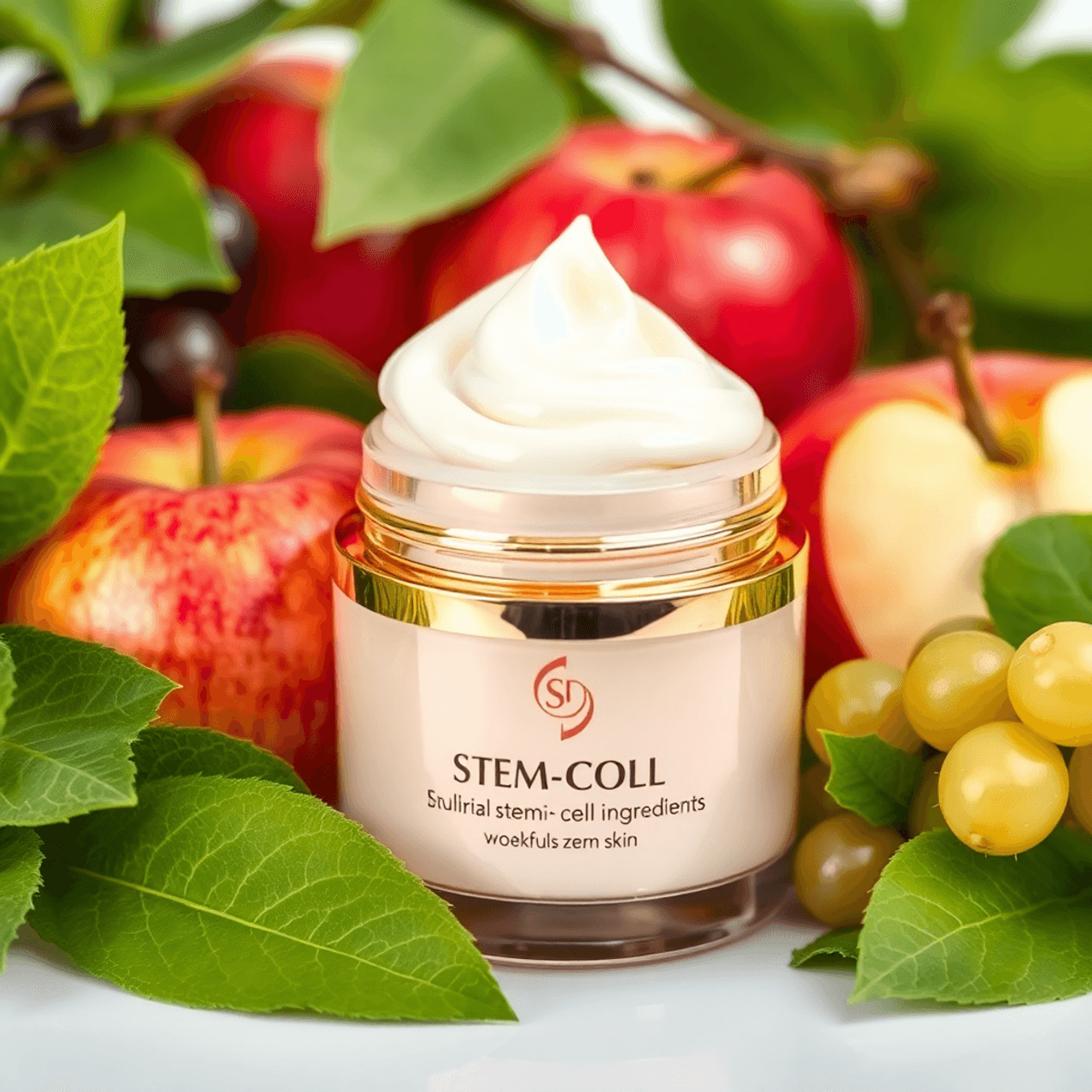
Stem cell cream for face has emerged as one of the most discussed categories in modern anti-aging skincare, and for good reason. Unlike traditional moisturizers that work only on the surface, stem cell-powered formulations target the skin’s regenerative machinery at the cellular level. In this guide, you’ll get a clear, science-backed breakdown of how these products work, which ingredients actually matter, and how to build them into a routine that delivers real results.
What Is a Stem Cell Cream for Face, Really?
The term “stem cell cream for face” covers a wide range of products, and the differences between them are significant. To understand what separates high-performance formulas from marketing-heavy ones, you need to understand the source of the stem cell technology being used.
Plant-derived stem cell extracts are derived from botanicals like the rare Swiss apple variety Uttwiler Spätlauber (PhytoCellTec™ Malus Domestica), grapes, argan, and edelweiss. These plant stem cell extracts are rich in epigenetic factors and metabolites that research suggests can support skin cell longevity and protect existing skin stem cells from premature aging. A clinical trial of PhytoCellTec™ Malus Domestica found a meaningful reduction in crow’s feet wrinkle depth in 100% of subjects after 28 days of twice-daily application using a cream containing 2% of the extract. [Aggarwal S, et al. 3 Biotech. 2020; PMID: 32550110]
Human mesenchymal stem cell-conditioned media (MSC-CM) represents the next tier. Rather than containing live stem cells — which cannot survive in a jar or penetrate the dermal layer — these products use the bioactive secretions from mesenchymal stem cells: growth factors, cytokines, exosomes, and peptides. Research published in Stem Cell Research & Therapy confirms that MSCs support skin regeneration by boosting collagen production, reducing reactive oxygen species (ROS), and decreasing matrix metalloproteinase (MMP) expression — the enzymes responsible for breaking down collagen as we age. [Kim WS, et al. Stem Cell Res Ther. 2024; doi: 10.1186/s13287-024-03774-5]
Understanding this distinction is the first step in choosing a stem cell cream for face that can actually deliver on its promises.
The Science Behind How Stem Cell Cream for Face Works
Aging skin is characterized by slowing cellular turnover, declining collagen synthesis, increasing oxidative stress, and reduced fibroblast activity. Stem cell-derived formulations target each of these mechanisms through a cascade of paracrine signaling.
When applied topically, growth factors and cytokines from stem cell-conditioned media bind to surface receptors on skin cells, triggering intracellular repair pathways. Studies on MSC-derived extracellular vesicles (EVs) show that when human skin is exposed to these compounds, statistically significant increases in Collagen Type I, Type III, and elastin are produced, along with measurable reductions in MMPs. [Frontiers in Medicine, PMC11518787, 2024]
For plant-based stem cell creams, the mechanism differs slightly. Rather than delivering human-compatible growth factor signals, they rely on antioxidant-rich metabolites and phytoalexins that reduce oxidative damage, support fibroblast health, and help shield existing skin stem cells from UV and environmental stress. A 2022 in vivo study confirmed that apple stem cell (ASC) extract applied topically after UVB irradiation reduced inflammatory cell infiltration, improved collagen regulation, and enhanced skin moisture content in the treated tissue. [Khayatan et al. Adv Mater Sci Eng. 2022; doi: 10.1155/2022/2417766]
Both approaches support the core goals of any serious anti-aging regimen: more collagen, healthier cells, and a more resilient skin barrier.
7 Key Ingredients Found in Stem Cell Cream for Face
1. Mesenchymal Stem Cell Growth Factors (MSC-CM)
The gold standard in stem cell skincare. Conditioned media from human adipose or bone marrow-derived MSCs contains hundreds of growth factors — including TGF-β, EGF, VEGF, and PDGF — that mimic the skin’s own wound-healing and regenerative signals. This is the technology behind Bradceuticals Gold, and it is particularly effective when applied post-microneedling, when microchannels allow deeper penetration of these active compounds.
2. PhytoCellTec™ Malus Domestica (Apple Stem Cell Extract)
A clinically validated plant stem cell extract derived from a rare Swiss apple variety. Published research confirms its capacity to protect human skin stem cells from UV-induced senescence and to reduce wrinkle depth after consistent use. [Aggarwal S, et al. 3 Biotech. 2020; PMID: 32550110]
3. Peptides — Matrixyl® 3000 (Palmitoyl Tripeptide-1) and Collaxyl™ (Hexapeptide-9)
Peptides are short amino acid chains that signal fibroblasts to ramp up collagen and elastin synthesis. Matrixyl® 3000 has been studied for its ability to reduce the appearance of deep wrinkles, while Collaxyl™ has demonstrated the capacity to improve skin tissue repair and firmness over time.
4. Grape Stem Cell Extract (PhytoCellTec™ Solar Vitis)
Research indicates that grape stem cell extract increased epidermal stem cell colony formation efficiency by 86% in controlled studies, and demonstrated UV-protective properties in placebo-controlled clinical investigation. [Trehan S, et al. Futures in Chemistry. 2017; PMC5674215]
5. Hyaluronic Acid and Glycerin
Humectants that attract and bind moisture to the skin. They amplify the effectiveness of bioactive ingredients by ensuring the skin remains hydrated and permeable, improving absorption and reducing transepidermal water loss (TEWL).
6. Antioxidants (Resveratrol, Vitamin C, Green Tea Extract)
Antioxidants neutralize free radicals — unstable molecules generated by UV exposure, pollution, and metabolic stress — that accelerate the breakdown of collagen and elastin. Research confirms that combining antioxidants with stem cell-derived EVs produces synergistic effects, with ROS reduction significantly higher than either compound alone. [Frontiers in Medicine, PMC11518787, 2024]
7. Squalane
A lightweight, skin-identical lipid derived from olives or sugarcane. Squalane reinforces the skin barrier, prevents moisture loss, and supports the delivery of active ingredients without clogging pores — making it an ideal base component for stem cell cream for face formulas targeting dry or mature skin.
Stem Cell Cream for Face: Matching the Formula to Your Skin Type
Not every stem cell cream for face formula is built for every skin type. Matching the texture and supporting ingredients to your specific needs maximizes comfort and results.
Dry or mature skin benefits most from richer formulas incorporating squalane, shea butter, or ceramides alongside stem cell actives. These barrier-supporting lipids prevent moisture loss overnight and amplify the collagen-stimulating effects of growth factors.
Oily or combination skin should seek lightweight gel-cream textures or serums with humectants like glycerin. These deliver the benefits of stem cell technology without adding weight or contributing to congestion.
Sensitive skin requires fragrance-free, minimal-additive formulas. Look for soothing co-ingredients like oat extract, centella asiatica, or niacinamide, which have established anti-inflammatory profiles in published literature.
Post-procedure or microneedling skin is where growth factor serums like Bradceuticals Gold truly shine. After microneedling, the skin’s microchannels are open for a short window — applying a stem cell serum immediately post-treatment dramatically increases bioavailability and accelerates the repair cascade that makes microneedling so effective.
How to Incorporate Stem Cell Cream for Face Into Your Routine
Getting the most from your stem cell cream for face depends on how and when you apply it within your broader skincare sequence.
Step 1 — Cleanse: Begin with a gentle, pH-balanced cleanser. Clean skin removes barrier residue that would otherwise block absorption of active ingredients.
Step 2 — Tone or prep (optional): A hydrating toner or essence can prime the skin’s surface, enhancing the uptake of bioactive compounds that follow.
Step 3 — Apply your stem cell serum: After microneedling, apply Bradceuticals Gold immediately to freshly prepared skin, pressing it gently into the face and neck without rubbing. On non-procedure days, apply to slightly damp skin and follow with your stem cell cream.
Step 4 — Layer your stem cell cream: Smooth a pea-sized amount across the face and neck using upward, outward strokes. Focus on areas of concern — crow’s feet, nasolabial folds, and brow lines.
Step 5 — Seal with SPF (AM) or a richer moisturizer (PM): In the morning, always finish with broad-spectrum SPF 30 or higher. UV exposure is the leading driver of collagen degradation and counteracts the regenerative work of stem cell actives.
Nighttime application has an added advantage: skin cell turnover peaks during sleep, meaning the active ingredients in your stem cell cream for face work in alignment with the body’s natural repair rhythm.
What to Look for When Shopping for Stem Cell Cream for Face
With hundreds of products claiming stem cell benefits, ingredient label literacy is essential. Here are the non-negotiables:
Transparency of stem cell source: The product should clearly state whether the stem cell technology is plant-derived, human MSC-conditioned media, or exosome-based. Vague language like “stem cell complex” without further detail is a red flag.
Absence of live stem cells: Topically applied live stem cells — whether human or plant — cannot penetrate the dermal layer or survive in a cosmetic product. Efficacy comes from the bioactive secretions and extracts, not living cells. [PMC8316836]
Clinically supported actives: Look for ingredients with published data behind them — PhytoCellTec™ Malus Domestica, palmitoyl tripeptide-1, hexapeptide-9, and human fibroblast or MSC conditioned media all have peer-reviewed research to support their use.
Ethical and safety certifications: Dermatologist-tested, cruelty-free (Leaping Bunny or PETA certified), and third-party verified labels from organizations like EWG Verified™ provide meaningful quality signals. Brands committed to sustainable sourcing and ingredient transparency set a higher standard for the industry.
The Role of Microneedling in Amplifying Stem Cell Cream for Face Results
Microneedling creates controlled micro-injuries in the skin that trigger a natural wound healing response — including collagen induction, fibroblast activation, and growth factor release. When a high-quality stem cell serum is applied post-procedure, those microchannels allow bioactive growth factors to penetrate far deeper than they could through intact skin.
This is the protocol that underpins Bradceuticals Gold’s design. Applied immediately following your microneedling session — never during needling, and never as a gliding serum — Bradceuticals Gold delivers a concentrated dose of mesenchymal stem cell growth factors directly into the primed tissue, amplifying the body’s own repair mechanisms and supporting faster, more visible results.
Research confirms that adipose-derived stem cell conditioned media applied post-procedure significantly outperforms control treatments in reducing wrinkles, improving pigmentation, and increasing collagen levels. [PMC8781097]
Frequently Asked Questions About Stem Cell Cream for Face
Do stem cell creams contain actual live stem cells? No. Effective stem cell creams do not contain live stem cells. Live cells cannot survive in a cosmetic formulation or penetrate to the dermal layer where they would need to function. The active compounds are the growth factors, cytokines, exosomes, and extracts derived from stem cells.
How long before I see results from a stem cell cream for face? Most users report initial improvements in hydration and skin texture within one to two weeks. More significant changes in firmness and wrinkle depth typically emerge after four to eight weeks of consistent daily use.
Is stem cell cream for face safe for sensitive skin? Many formulas are well-tolerated by sensitive skin, particularly fragrance-free options. If you have a reactive skin type, patch-test on the inner arm before full facial application and look for products with minimal ingredients and no synthetic fragrances or alcohol.
Can I use a stem cell serum and a stem cell cream together? Yes. A serum like Bradceuticals Gold applied post-microneedling or as your concentrated treatment step, followed by a stem cell cream as a moisturizing layer, can create a complementary routine that addresses both deep cellular signaling and surface barrier support.
What’s the difference between plant stem cell cream and human stem cell-derived serum? Plant stem cell creams use botanical extracts rich in antioxidants and metabolites that protect and support skin cells. Human stem cell-conditioned media (like that in Bradceuticals Gold) delivers growth factors and cytokines that your skin biologically recognizes, triggering more targeted repair and regeneration signals.
Do I need to use stem cell cream every day? For best results, daily use is recommended. The regenerative benefits of stem cell actives are cumulative — consistent application supports ongoing collagen synthesis and cellular maintenance rather than providing a one-time effect.
Is a stem cell cream for face worth the investment? For individuals focused on meaningful anti-aging results — particularly those incorporating professional treatments like microneedling — a high-quality stem cell formulation with clinically supported actives is among the most evidence-backed investments in your skincare routine.
References
- Aggarwal S, Sardana C, Ozturk M, Sarwat M. Plant stem cells and their applications: special emphasis on their marketed products. 3 Biotech. 2020;10(7):291. PMID: 32550110. https://pmc.ncbi.nlm.nih.gov/articles/PMC7275108/
- Sanz MT, Campos C, Milani M, et al. Biorevitalizing effect of a novel facial serum containing apple stem cell extract, pro-collagen lipopeptide, creatine, and urea on skin aging signs. J Cosmet Dermatol. 2016;15(1):24-30. PMID: 26424007. https://pubmed.ncbi.nlm.nih.gov/26424007/
- Khayatan D, et al. Effect of Apple (Malus domestica) Stem Cells on UVB-Induced Damage Skin with Anti-Inflammatory Properties: An In Vivo Study. Adv Mater Sci Eng. 2022. doi: 10.1155/2022/2417766. https://onlinelibrary.wiley.com/doi/10.1155/2022/2417766
- Trehan S, Michniak-Kohn B, Beri K. Plant stem cells in cosmetics: current trends and future directions. Future Sci OA. 2017. PMC5674215. https://pmc.ncbi.nlm.nih.gov/articles/PMC5674215/
- Kim WS, et al. Insights into the role of mesenchymal stem cells in cutaneous medical aesthetics: from basics to clinics. Stem Cell Res Ther. 2024. doi: 10.1186/s13287-024-03774-5. https://stemcellres.biomedcentral.com/articles/10.1186/s13287-024-03774-5
- Mehta RC, et al. Regenerative topical skincare: stem cells and exosomes. Front Med. 2024. PMC11518787. https://pmc.ncbi.nlm.nih.gov/articles/PMC11518787/
- Gentile P, Garcovich S. Adipose-Derived Stem Cells for Facial Rejuvenation. PMC. 2022. PMC8781097. https://pmc.ncbi.nlm.nih.gov/articles/PMC8781097/
- PMC8316836 — Stem cells and the pursuit of youth, a tale of limitless possibilities and commercial fraud. PMC. 2021. https://pmc.ncbi.nlm.nih.gov/articles/PMC8316836/
Disclaimer
This article is for informational and educational purposes only and is not intended to diagnose, treat, cure, or prevent any skin condition or disease. Always consult a qualified dermatologist or licensed skincare professional before beginning any new skincare regimen, particularly if you have a medical skin condition or are undergoing professional procedures. Individual results will vary.
Last Reviewed: June 2025
About Bradceuticals : Thuy Myers is the founder of Bradceuticals which manufactures and distributes skin care and hair regrowth serums that use growth factors from human stem cells as the catalyst for regeneration. When she is not busy running the business and maintaining blogs, she is continuing her practice as a semiconductor engineer and occasionally teaches college engineering. In her free time, she enjoys the beach, working out at the gym and hanging out with her kiddo Brad.