

Before diving into how these devices work, it’s worth noting that light therapy delivers its most dramatic results when paired with the right topical support. The Bradceuticals Gold Hair Follicle and Adipose Stem Cell Growth Factor Serum was formulated to work in exactly this context — applied after dermarolling the scalp, then followed by red light therapy to drive growth factors deeper and amplify the regenerative response. Used on its own, it’s a powerful hair regrowth serum. Used as part of a full protocol, it takes your results to another level entirely.
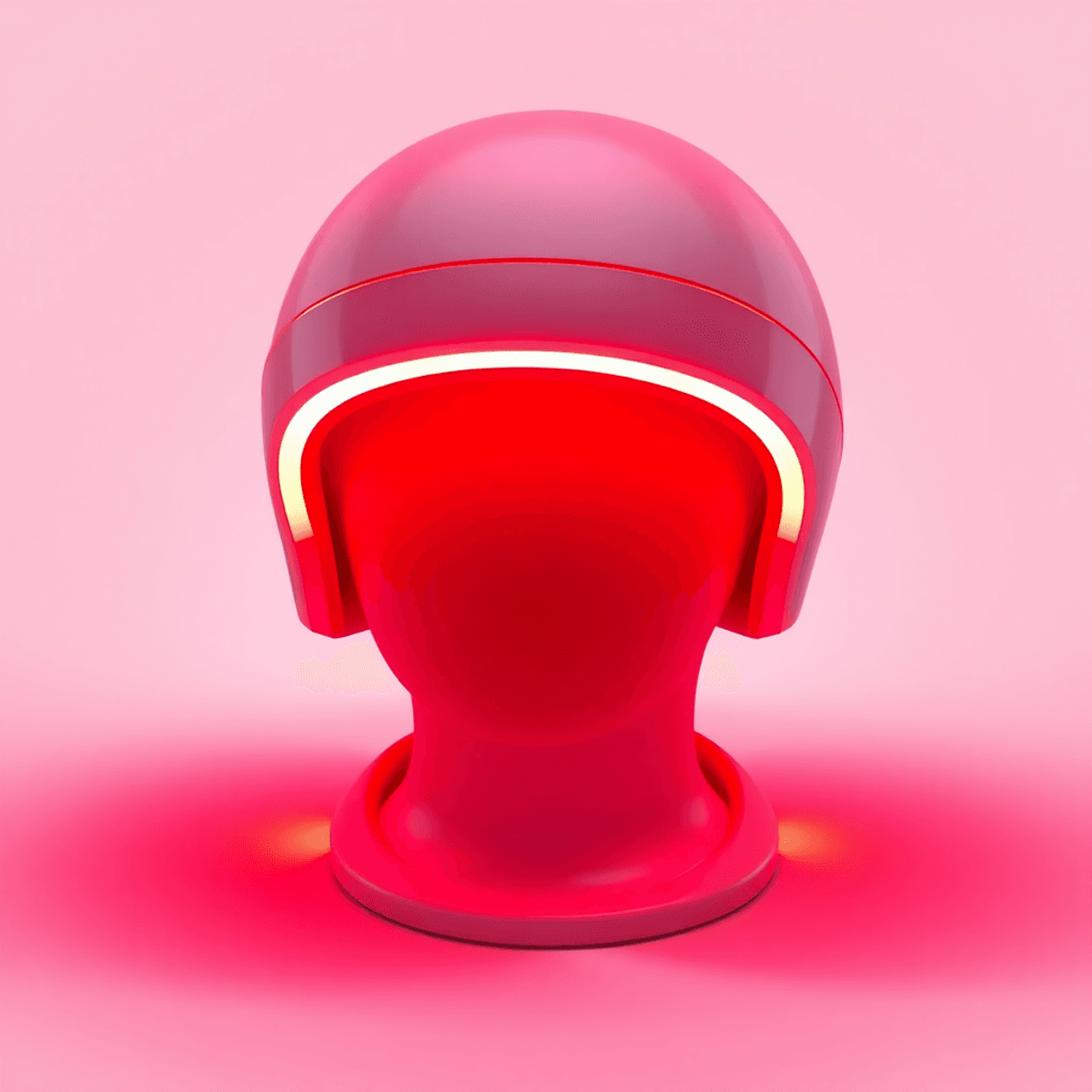
A red light helmets sounds futuristic — but the science behind it is grounded in decades of photobiomodulation research, and the results users are reporting are hard to ignore.
What Is a Red Light Helmets?
A red light helmet is a wearable photobiomodulation device that delivers targeted wavelengths of red and near-infrared (NIR) light to the scalp, skin, and underlying tissue. Unlike handheld panels or wands, helmet-style devices provide full-scalp coverage in a hands-free format — making them one of the most practical and consistent delivery systems available for at-home light therapy.
These devices are distinct from laser hair growth helmets in that they typically use LED arrays rather than low-level lasers, though both technologies fall under the broader category of low-level light therapy (LLLT). The key differentiator in quality red light helmets is wavelength precision — specifically whether the device delivers light in the therapeutic ranges that have been validated in clinical research.
The Science: How Red Light Helmets Work
The mechanism behind red light helmet therapy is photobiomodulation (PBM) — a process in which specific wavelengths of light interact with photoreceptors within the mitochondria of cells. The primary target is cytochrome c oxidase, an enzyme within the mitochondrial respiratory chain that, when activated by red and NIR light, drives a significant increase in adenosine triphosphate (ATP) production.
ATP is the fundamental energy currency of the cell. When mitochondrial ATP output increases, cells have more energy available for repair, regeneration, and signaling — producing downstream effects across multiple tissue types simultaneously (Hamblin MR. Photobiomodulation, Photomedicine, and Laser Surgery. 2018. PMID: 29979098).
This is why a single red light helmet can produce benefits across such seemingly disparate domains — skin, scalp, hair follicles, and even brain tissue — all from the same photobiological mechanism operating in different cell populations.
Why 810nm Is the Critical Wavelength
Not all red light is equal. The therapeutic window for photobiomodulation falls between approximately 630nm and 1000nm, but specific wavelengths within this range have demonstrated superior tissue penetration and biological activity.
The 810nm near-infrared wavelength stands out for its ability to penetrate deeply through skin and scalp into underlying tissue — including the dermis, subcutaneous fat layer, and even the skull. This depth of penetration is what enables advanced devices like the MitoMIND™ Helmet to address not just surface-level skin concerns but deeper targets including hair follicle bulbs and neural tissue.
7 Remarkable Benefits of a Red Light Helmet
1. Stimulates Hair Follicle Activity and Regrowth
Hair follicles contain some of the most mitochondria-rich cells in the body, making them highly responsive to photobiomodulation. Red light at therapeutic wavelengths has been shown to extend the anagen (active growth) phase of the hair cycle, increase follicular cell proliferation, and improve scalp microcirculation — all of which contribute to measurably denser, thicker hair over consistent treatment periods (Avci P, et al. Lasers in Surgery and Medicine. 2014. PMID: 23960398).
For those using Bradceuticals Gold Hair Follicle and Adipose Stem Cell Growth Factor Serum, the protocol is straightforward: dermaroll the scalp first to open microchannels, apply the serum to drive growth factors into the follicular environment, then follow with red light helmet therapy to further energize follicular cells. The combination addresses hair loss from multiple biological angles simultaneously.
2. Boosts Collagen and Elastin Production for Skin Rejuvenation
Red light wavelengths activate fibroblasts — the primary collagen and elastin-producing cells in the dermis. Consistent stimulation increases the rate of new collagen synthesis while simultaneously reducing the activity of matrix metalloproteinases (MMPs), the enzymes responsible for collagen degradation. The net result is firmer, smoother, more resilient skin with visibly reduced fine lines and wrinkle depth over a treatment course of weeks to months.
3. Red Light Helmet Therapy Reduces Acne and Regulates Sebum
Red light has demonstrated anti-inflammatory effects on sebaceous glands, helping to normalize sebum production — one of the root contributors to acne formation. Clinical evidence supports significant reductions in both inflammatory and non-inflammatory acne lesions following regular red light therapy sessions, with minimal side effects compared to topical or systemic pharmaceutical treatments (Papageorgiou P, et al. British Journal of Dermatology. 2000. PMID: 10971324).
4. Reduces Inflammation and Calms Sensitive Skin
One of the most consistent findings in photobiomodulation research is its anti-inflammatory effect across tissue types. Red light therapy reduces pro-inflammatory cytokine production and promotes the resolution of chronic low-grade inflammation — making red light helmets particularly valuable for individuals managing scalp conditions like seborrheic dermatitis, chronic redness, or post-procedure sensitivity.
5. Accelerates Wound Healing and Post-Procedure Recovery
Photobiomodulation is well-established as a wound-healing accelerant. By increasing cellular energy availability and promoting growth factor release from irradiated tissue, red light therapy shortens recovery time following minor injuries, cosmetic procedures, and scalp treatments. This is one of the reasons pairing red light helmet sessions with post-dermarolling serum application is so effective — the light therapy amplifies the tissue repair process already initiated by the mechanical microneedling stimulus.
6. A Red Light Helmet Supports Cognitive Function and Mental Clarity
Transcranial photobiomodulation (tPBM) — the delivery of NIR light through the scalp into brain tissue — is an emerging area of neuroscience research with promising early results. The 810nm wavelength used in advanced helmets like the MitoMIND™ has demonstrated the ability to penetrate the skull and interact with neural mitochondria, increasing cerebral ATP production, improving cerebral blood flow, and reducing neuroinflammation.
Reported cognitive benefits among users include improved focus, sharper mental clarity, enhanced memory retention, and more stable mood — outcomes that align with the biological mechanisms being studied in clinical photobiomodulation trials (Salehpour F, et al. Frontiers in Neuroscience. 2018. PMCID: PMC6066023).
7. Delivers Measurable Results Without Drugs or Invasive Procedures
Perhaps the most practically significant benefit of a red light helmet is what it doesn’t involve: no pharmaceuticals, no needles, no recovery time, and no ongoing prescription costs. For individuals seeking a non-invasive approach to hair regrowth, skin rejuvenation, and cognitive support that can be used consistently at home, red light helmet therapy represents a meaningful addition to any health and wellness protocol.
Key Features to Look for When Choosing a Red Light Helmet
Not all red light helmets deliver clinically meaningful results. The following specifications separate therapeutic devices from ineffective consumer gadgets.
LED Wavelength
This is the most important technical specification. Look for devices that explicitly state wavelengths in the 630–670nm (red) and 810–850nm (near-infrared) ranges. Vague claims about “red light” without wavelength disclosure are a red flag. The 810nm NIR wavelength is particularly important for scalp and follicular penetration.
Power Output and Irradiance
Irradiance — measured in milliwatts per square centimeter (mW/cm²) — determines how much light energy actually reaches the target tissue. Higher irradiance allows shorter sessions to deliver the same therapeutic dose. Devices with undisclosed or very low irradiance levels are unlikely to achieve meaningful photobiomodulation effects.
LED Array Coverage
For scalp and hair applications, full-coverage LED arrays matter. Devices that only cover part of the scalp create uneven treatment zones. Look for helmets with LED placement that covers the entire scalp surface, including the crown, temples, and occiput.
Preset Therapy Programs
Quality devices offer preset programs calibrated for specific therapeutic goals — skin rejuvenation, hair regrowth, or cognitive support. These presets adjust session duration and intensity for the target application, simplifying consistent use.
Build Quality and Fit
A helmet you won’t wear consistently is a helmet that won’t produce results. Evaluate adjustability, weight, ventilation, and overall comfort alongside technical specifications.
Spotlight: MitoMIND™ Helmet
The MitoMIND™ Helmet from Mito Red Light is among the more advanced consumer-grade red light helmets currently available. Its distinguishing features include:
810nm LED arrays positioned for both scalp and transcranial coverage, aligning with the wavelength shown in research to achieve meaningful depth of penetration into neural tissue.
Integrated intranasal units that deliver NIR light through the nasal passage — an approach supported by research suggesting the nasal cavity provides a lower-resistance pathway to cerebral blood vessels and brain tissue.
Multiple preset programs designed for distinct therapeutic goals, removing the guesswork from session configuration.
For users specifically targeting cognitive performance alongside scalp and hair health, the MitoMIND™ represents a purpose-built option in a category where most devices are optimized for skin only.
How to Use a Red Light Helmet Safely and Effectively
Recommended Session Duration and Frequency
Most photobiomodulation protocols recommend sessions of 10–20 minutes, repeated 3–5 times per week. This frequency is sufficient to drive cumulative cellular adaptation without the risk of exceeding the biphasic dose response — a well-documented phenomenon in photobiomodulation where excessive light exposure produces diminishing or counterproductive results.
Begin with shorter sessions (10 minutes) and increase gradually as your scalp and skin adapt to the therapy.
Pairing with Topical Treatments
For hair regrowth applications, the optimal sequence is:
- Dermaroll the scalp with a 0.5mm derma roller
- Apply Bradceuticals Gold Hair Follicle and Adipose Stem Cell Growth Factor Serum to the scalp immediately post-rolling
- Follow with a red light helmet session to energize follicular cells and enhance growth factor uptake
This sequence delivers mechanical stimulation, biological growth factor signaling, and photobiomodulation support in a single integrated protocol.
Eye Protection
Always use protective goggles or keep eyes closed during sessions. Even at therapeutic intensities, prolonged direct ocular exposure to red and NIR light carries risk of retinal damage.
Consult a Healthcare Provider First
Before beginning red light helmet therapy — particularly for cognitive applications or if you have existing medical conditions, take photosensitizing medications, or are managing an active scalp condition — consult a qualified healthcare provider. Individual response to photobiomodulation varies, and personalized guidance ensures the protocol is appropriate for your specific situation.
Red Light Helmet vs. Other Hair and Skin Treatments
| Treatment | Mechanism | Invasiveness | At-Home Use | Cognitive Benefit |
|---|---|---|---|---|
| Red Light Helmet | Photobiomodulation | Non-invasive | Yes | Yes (tPBM) |
| Derma Roller + Serum | Mechanical + topical | Minimally invasive | Yes | No |
| PRP Therapy | Growth factor injection | Invasive | No | No |
| Laser Resurfacing | Ablative/non-ablative | Invasive | No | No |
| Minoxidil | Topical vasodilation | Non-invasive | Yes | No |
Red light helmet therapy occupies a unique position — non-invasive, at-home compatible, and capable of addressing multiple biological targets simultaneously. Its combination with topical growth factor serums and mechanical stimulation (dermarolling) creates a multi-modal protocol that outperforms any single intervention.
Frequently Asked Questions About Red Light Helmets
How long does it take to see results from a red light helmet? Most users report early improvements in scalp health, skin texture, and energy within 4–8 weeks of consistent use. Measurable hair density improvements typically require 3–6 months of regular treatment — consistent with the timeline of the natural hair growth cycle.
Can I use a red light helmet every day? Daily use at 10-minute sessions is generally considered safe for most users. However, the biphasic dose response means more is not always better — 3–5 sessions per week is the range most supported by photobiomodulation research for sustainable cumulative results.
Is red light therapy safe for all hair and skin types? Red light therapy has an excellent safety profile across all skin tones and hair types. It does not generate significant heat and does not carry the pigmentation risks associated with UV-based or ablative laser treatments. Those with photosensitivity disorders or who take photosensitizing medications should consult a physician before use.
Can a red light helmet replace other hair loss treatments? Not necessarily — but it can meaningfully complement them. Many users combine red light helmet therapy with topical growth factor serums, dermarolling, and dietary support for a comprehensive approach that addresses hair loss from multiple angles.
What’s the difference between a red light helmet and a laser hair growth cap? Both deliver low-level light therapy to the scalp, but through different light sources — LEDs versus laser diodes. Quality red light helmets with precise wavelength control and adequate irradiance can achieve comparable results to LLLT laser caps. The key in both cases is verified wavelength and sufficient power output.
Do red light helmets work for cognitive health? Early clinical research on transcranial photobiomodulation is promising, particularly for the 810nm wavelength. While this application is still an evolving field, the biological mechanisms — increased cerebral ATP, improved blood flow, reduced neuroinflammation — are well-established. Results vary individually.
Final Thoughts
A red light helmet is one of the few at-home wellness devices that can simultaneously address scalp health, hair regrowth, skin rejuvenation, and cognitive function through a single, non-invasive mechanism — photobiomodulation. The science is solid, the safety profile is excellent, and the practical barrier to consistent use is low.
For those building a comprehensive hair regrowth protocol, the most effective approach combines all three modalities: dermarolling to create scalp microchannels, the Bradceuticals Gold Hair Follicle and Adipose Stem Cell Growth Factor Serum to deliver growth factors directly to the follicular environment, and red light helmet therapy to energize follicular cells and amplify the entire regenerative cascade. Each element makes the others more effective — and together, they represent the most complete at-home hair regrowth protocol currently available.
References
- Hamblin MR. Mechanisms and mitochondrial redox signaling in photobiomodulation. Photobiomodulation, Photomedicine, and Laser Surgery. 2018;36(5):241-252. PMID: 29979098.
- Avci P, Gupta GK, Clark J, Wikonkal N, Hamblin MR. Low-level laser (light) therapy (LLLT) for treatment of hair loss. Lasers in Surgery and Medicine. 2014;46(2):144-151. PMID: 23960398.
- Papageorgiou P, Katsambas A, Chu A. Phototherapy with blue (415nm) and red (660nm) light in the treatment of acne vulgaris. British Journal of Dermatology. 2000;142(5):973-978. PMID: 10971324.
- Salehpour F, Mahmoudi J, Kamari F, et al. Brain photobiomodulation therapy: A narrative review. Frontiers in Neuroscience. 2018;12:720. PMCID: PMC6066023.
Disclaimer: The information provided in this article is for educational purposes only and does not constitute medical advice. Consult a licensed healthcare provider before beginning any new light therapy or hair regrowth regimen. Individual results may vary.
Last Reviewed: March 2026
About Bradceuticals : Thuy Myers is the founder of Bradceuticals which manufactures and distributes skin care and hair regrowth serums that use growth factors from human stem cells as the catalyst for regeneration. When she is not busy running the business and maintaining blogs, she is continuing her practice as a semiconductor engineer and occasionally teaches college engineering. In her free time, she enjoys the beach, working out at the gym and hanging out with her kiddo Brad.