

If you’re considering adding a stem cell face cream to your routine, Bradceuticals Gold Mesenchymal Stem Cell Growth Factor Serum is where the science becomes tangible. On its own as a daily serum, it delivers visible improvements in texture, firmness, and radiance. But apply it after microneedling, when the microchannels in your skin are wide open, and the growth factor complex reaches the dermis in concentrations and at depths that topical application alone simply cannot achieve. The results compound, and so does your understanding of why stem cell face cream technology represents a genuine shift in anti-aging skincare—not just clever marketing.
What Is a Stem Cell Face Cream—and What Does It Actually Contain?
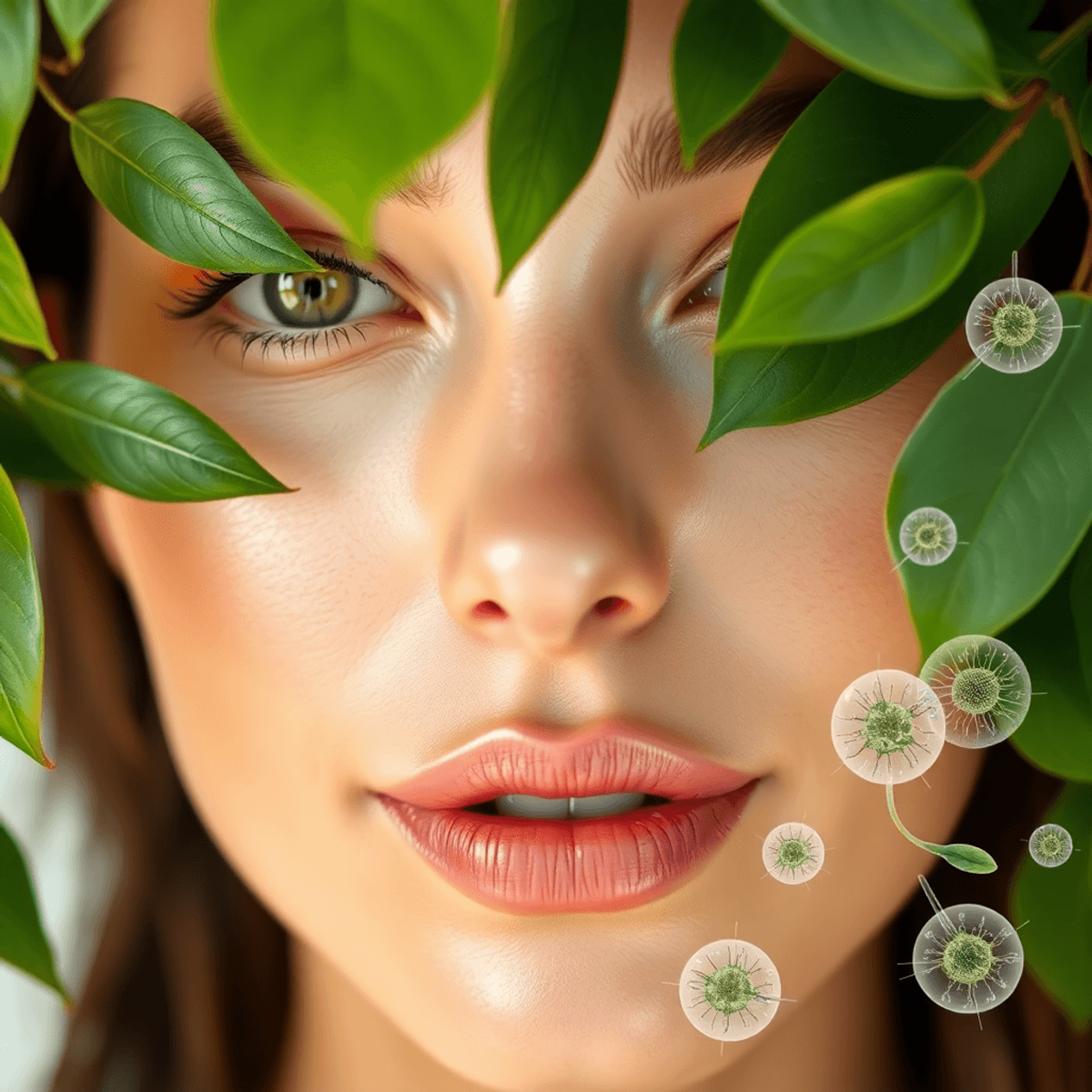
The term “stem cell face cream” creates reasonable confusion in the marketplace. A stem cell face cream does not contain living stem cells—live cells cannot survive in a cosmetic formulation and would raise significant regulatory issues if they did. What a properly formulated stem cell face cream delivers is the bioactive secretome of stem cells: the growth factors, cytokines, extracellular vesicles, and structural proteins that stem cells release during laboratory culture.
No skincare product actually contains stem cells. This shifted the narrative from extraction of stem cells with implantation into aging tissues to utilizing growth factors, peptides and extracellular vesicles—all of which are non-living entities that can be more easily stored and reused, exhibit lower immunogenicity, and appear to be the actual effectors of downstream molecular pathways, reducing inflammation and simulating youth-associated biological processes.
This is not a limitation of stem cell face cream—it is precisely how the technology is designed to work. The secreted factors, not the cells themselves, are what drive skin regeneration.
The Biology of Skin Aging That Stem Cell Face Cream Targets
To understand why a stem cell face cream works, it helps to understand what aging does to skin at the cellular level. Skin aging unfolds through two parallel processes: intrinsic aging driven by genetics and time, and extrinsic aging accelerated by UV radiation, pollution, and lifestyle factors.
Both converge on the same problem: declining fibroblast activity reduces collagen and elastin production, metalloproteinases degrade existing structural proteins, and the extracellular matrix—the scaffolding that gives skin its architecture—progressively breaks down. The result is thinning dermis, loss of elasticity, wrinkle formation, and reduced capacity for self-repair.
Mesenchymal stem cells are not only capable of differentiating into skin cells but also release growth factors and cytokines that enhance collagen synthesis and skin tissue regeneration. Stem cell-based treatments are being explored for reducing wrinkles, improving skin elasticity, and treating scars, with exosomes from stem cells proving particularly effective in promoting healing after procedures like laser therapy or microneedling.
How a Stem Cell Face Cream Works at the Cellular Level
A well-formulated stem cell face cream delivers its regenerative payload through multiple biological pathways simultaneously—this is what distinguishes it from single-ingredient anti-aging products.
MSC-conditioned medium contains growth factors including VEGF, TGF-β1, and HGF that drive fibroblast proliferation, keratinocyte growth, extracellular matrix production, and collagen and elastin synthesis—multiple anti-aging mechanisms addressed simultaneously through a single formulation.
The growth factors act as cellular messengers, binding to receptors on fibroblasts and keratinocytes and triggering gene expression changes that shift aging skin cells back toward more youthful behavior. The cytokines modulate the inflammatory environment, reducing chronic low-grade inflammation that accelerates aging. Extracellular vesicles—exosomes—carry additional signaling molecules directly into target cells, amplifying the regenerative message.
When human skin was exposed to MSC-conditioned medium-derived extracellular vesicles, they were incorporated into the skin and produced statistically significant increases in Collagen 1 and 3, and elastin, as well as reductions in matrix metalloproteinases—the enzymes that break down collagen in aging skin.
9 Surprising Things Science Says About Stem Cell Face Cream
1. A Stem Cell Face Cream Can Improve Dermal Density After Just Four Weeks
A cream based on umbilical cord blood-derived MSC-conditioned medium was tested in human patients, and after daily treatment for four weeks, evaluation with digital micromirror devices demonstrated that skin density improved by 2.46% and eye-end wrinkles decreased measurably—supporting the clinical relevance of stem cell face cream formulations for structural skin improvement.
2. Growth Factor Creams Target Four Hallmarks of Aging Simultaneously
A 24-week placebo-controlled clinical study of a topical growth factor-based skin care formulation found that treatment resulted in reduced expression of cell senescence biomarker H2A.J and upregulation of genes associated with proteasome activity, autophagy, stemness, and intercellular communication—alongside significantly greater reductions in sagging, coarse lines, fine lines, overall photodamage, and hyperpigmentation compared with placebo. Subjects reported a median decrease in self-perceived age of six years after 12 weeks of use.
3. Stem Cell Conditioned Medium Outperforms Vehicle Controls in Photoaging
A randomized controlled trial of adipose stem cell-conditioned medium in 64 photoaged patients found that the treatment group showed significantly higher improvements in pore appearance, wrinkle depth, spot polarization, UV spot parameters, and skin tone compared to the control group—demonstrating clinically meaningful benefits across multiple photoaging parameters from stem cell face cream-type formulations.
4. The Results Are Visible at the Histological Level
In skin rejuvenation, MSCs lead to production of collagen and elastic fibers, inhibition of metalloproteinase activation that would otherwise degrade existing collagen, and promotion of protection from ultraviolet radiation-induced cellular senescence—with these effects confirmed not just clinically but at the tissue level in multiple studies.
5. Stem Cell Face Cream Applied After Microneedling Dramatically Amplifies Results
A clinical comparison of two topical growth factor formulations derived from human fibroblasts and facial mesenchymal stem cells applied twice daily for three months found significant reductions in facial wrinkles with improvements in skin texture and firmness ranging from 29 to 41% by clinician assessment, with patients reporting subjective progress of 38 to 54%—results that reflect the synergistic benefit of stem cell-derived growth factors combined with enhanced skin penetration.
6. Even Epidermal Progenitor Cell Conditioned Medium Shows Measurable Clinical Results
A clinical study in which 25 female volunteers applied a cosmetic essence containing 5% epidermal progenitor cell-conditioned medium twice daily for four weeks showed significant improvement in wrinkle depth at the crow’s feet, skin surface depression, and skin texture as measured by objective imaging instruments—demonstrating that stem cell face cream technology produces quantifiable improvements within a standard cosmetic timeframe.
7. Stem Cell Face Cream Formulations Protect Against Future UV Damage
Beyond reversing existing signs of aging, stem cell face cream technology offers meaningful photoprotective benefit. Adipose-derived stem cells stimulate secretion of collagen, elastin, and anti-inflammatory cytokines while exerting an antioxidative effect that protects fibroblast DNA from free radicals generated by UV radiation, pollution, diet, and smoking—combining active repair with preventive anti-photoaging action.
8. Mesenchymal vs. Other Stem Cell Sources—Source Matters
Not all stem cell face creams are equivalent. The source of the conditioned medium significantly influences the growth factor profile and therefore the biological activity of the final product. Research comparing bone marrow-derived mesenchymal stem cell conditioned medium found that formulations with higher concentrations of VEGF, TGF-β1, and HGF showed superior capacity for inducing fibroblast proliferation, keratinocyte growth, extracellular matrix production, and collagen and elastin synthesis—highlighting that the specific stem cell source directly determines the regenerative potential of the cream.
Bradceuticals Gold is formulated with mesenchymal stem cell-derived growth factors specifically because this class of stem cells produces the most relevant and well-studied regenerative secretome for skin applications.
9. Regular Use Compounds Results Over Time
A stem cell face cream is not a one-time intervention. The regenerative signaling it delivers accumulates across weeks and months of consistent use, as successive rounds of fibroblast activation build increasingly organized collagen architecture. Clinical assessments showed significantly greater improvements from growth factor-based formulations compared with placebo not only at 12 weeks but continuing through 24 weeks, confirming that consistent use of a stem cell face cream produces compounding benefits over time rather than a plateau.
How to Choose a Stem Cell Face Cream That Actually Works
The stem cell skincare market has expanded rapidly, and product quality varies substantially. Here is what to evaluate when choosing a stem cell face cream:
The stem cell source matters. Human mesenchymal stem cell-derived conditioned medium—particularly from bone marrow, umbilical cord blood, or adipose tissue—has the most extensive clinical backing for skin applications. Plant stem cell extracts, while containing antioxidants, do not produce the same growth factor profile and should not be marketed equivalently.
Delivery format matters. A serum or lightweight liquid format penetrates the skin more efficiently than a heavy cream base, which can impede the absorption of large protein molecules. Bradceuticals Gold is formulated as a serum specifically to optimize delivery.
Transparency matters. Look for brands that disclose their stem cell source, explain how the conditioned medium is produced, and cite verifiable research rather than vague proprietary claims.
How to Use a Stem Cell Face Cream for Maximum Results
For daily standalone use, apply Bradceuticals Gold to clean, dry skin after any water-based essences and before moisturizer. The serum should absorb fully before layering additional products. Consistent twice-daily use builds the cumulative collagen response that delivers visible structural improvements.
For post-microneedling use—where results are most dramatically amplified—apply immediately after the session, before the microchannels begin to close. Press gently into the skin; do not rub. Follow with a gentle fragrance-free moisturizer and introduce mineral SPF once the skin barrier begins to stabilize.
In both contexts, a broad-spectrum SPF 30 or higher applied every morning is essential. Newly regenerated skin is more sensitive to UV-induced degradation, and unprotected sun exposure will undermine the collagen that your stem cell face cream is working to build.
Frequently Asked Questions
Does a stem cell face cream contain actual stem cells? No. A stem cell face cream contains the bioactive secretions of stem cells—growth factors, cytokines, extracellular vesicles, and structural proteins—not living cells. This is by design: the secreted molecules, not the cells themselves, are what drive skin regeneration, and they can be formulated stably into cosmetic products.
What makes mesenchymal stem cells the preferred source for a stem cell face cream? Mesenchymal stem cells produce a particularly rich and well-characterized growth factor profile—including EGF, bFGF, TGF-β, VEGF, and HGF—that directly targets the fibroblast and keratinocyte activity central to skin repair and anti-aging. This makes MSC-derived conditioned medium the most clinically studied and biologically relevant source for a stem cell face cream formulation.
How long does it take to see results from a stem cell face cream? Initial improvements in hydration and skin texture may be visible within two to four weeks of consistent use. Structural improvements—wrinkle reduction, increased dermal density, firmer skin—develop progressively over three to six months as collagen remodeling accumulates.
Is Bradceuticals Gold a cream or a serum? Bradceuticals Gold is a serum. Its lightweight format delivers the MSC-derived growth factor complex more efficiently than a heavier cream base, particularly in the post-microneedling window where maximum absorption is the goal.
Can I use a stem cell face cream with other anti-aging ingredients? Yes. Growth factor serums are generally compatible with hyaluronic acid, peptides, and ceramides. When reintroducing actives like retinoids or vitamin C post-microneedling, wait until day ten to fourteen and patch test before full application.
How is Bradceuticals Gold different from a typical stem cell face cream? Bradceuticals Gold combines mesenchymal stem cell-derived growth factors in a serum format specifically optimized for post-microneedling application—the moment of maximum skin receptivity. It functions as a daily stem cell face cream substitute but is designed to deliver significantly amplified results when paired with microneedling treatment.
Are stem cell face creams safe for sensitive skin? MSC-derived growth factors are human-derived signaling molecules and are generally well-tolerated across skin types, including sensitive and reactive skin. As with any new skincare product, patch testing before full-face application is advisable.
Is a stem cell face cream worth the investment? The clinical evidence supports meaningful anti-aging benefits from well-formulated MSC-derived growth factor products, particularly for wrinkle reduction, dermal density, and skin texture. The return on investment is highest when the product is used consistently and paired with a procedure like microneedling that maximizes dermal absorption.
References
- Rodrigues M et al. Applications of mesenchymal stem cells in skin regeneration and rejuvenation. NPJ Regen Med. 2021. PMC7957487. https://pmc.ncbi.nlm.nih.gov/articles/PMC7957487/
- Ogawa R et al. Regenerative topical skincare: stem cells and exosomes. Front Med (Lausanne). 2024. PMC11518787. https://pmc.ncbi.nlm.nih.gov/articles/PMC11518787/
- Choi N et al. The effects of human bone marrow-derived MSC conditioned media on skin rejuvenation characteristics. Int J Stem Cells. 2021. PMC7904527. https://pmc.ncbi.nlm.nih.gov/articles/PMC7904527/
- Cohen BE, Elbuluk N. Targeting multiple hallmarks of skin aging: preclinical and clinical efficacy of a novel growth factor-based skin care serum. Dermatol Ther (Heidelb). 2023. PMC9823186. https://pmc.ncbi.nlm.nih.gov/articles/PMC9823186/
- Prakoeswa CRS et al. The effect of human adipose stem cell-conditioned medium in photoaged skin. J Stem Cells Regen Med. 2024. PMC11750066. https://pmc.ncbi.nlm.nih.gov/articles/PMC11750066/
- Tran C et al. Anti-aging properties of conditioned media of epidermal progenitor cells derived from mesenchymal stem cells. PLoS One. 2018. PMC6002314. https://pmc.ncbi.nlm.nih.gov/articles/PMC6002314/
- Muñoz Criado I et al. Exploring the dermatological applications of human mesenchymal stem cell secretome: a comprehensive review. Stem Cell Res Ther. 2025. PMC11993991. https://pmc.ncbi.nlm.nih.gov/articles/PMC11993991/
- Surowiecka A, Strużyna J. Adipose-derived stem cells for facial rejuvenation. J Clin Med. 2022. PMC8781097. https://pmc.ncbi.nlm.nih.gov/articles/PMC8781097/
- Alquraisy A et al. A comprehensive review of stem cell conditioned media role for anti-aging on skin. Stem Cells Cloning. 2024. PMC11416772. https://pmc.ncbi.nlm.nih.gov/articles/PMC11416772/
- Gentile P et al. Advances in regenerative medicine-based approaches for skin regeneration and rejuvenation. Front Bioeng Biotechnol. 2025. PMC11861087. https://pmc.ncbi.nlm.nih.gov/articles/PMC11861087/
Disclaimer: This article is intended for educational and informational purposes only and does not constitute medical advice. Bradceuticals products are cosmeceutical formulations and are not intended to diagnose, treat, cure, or prevent any disease. Consult a licensed dermatologist or healthcare provider for personalized skincare guidance.
Last Reviewed: March 2026
About Bradceuticals : Thuy Myers is the founder of Bradceuticals which manufactures and distributes skin care and hair regrowth serums that use growth factors from human stem cells as the catalyst for regeneration. When she is not busy running the business and maintaining blogs, she is continuing her practice as a semiconductor engineer and occasionally teaches college engineering. In her free time, she enjoys the beach, working out at the gym and hanging out with her kiddo Brad.