

Choosing the best serums for microneedling is the single decision that determines whether your treatment delivers transformative collagen remodeling or stops at surface-level hydration. Microneedling creates thousands of micro-channels that remain open for 15–60 minutes post-treatment, increasing topical product absorption by up to 300% and creating a direct delivery pathway to the papillary dermis where fibroblasts, collagen synthesis, and cellular regeneration actually reside (PMC5556159). What passes through those channels during this window shapes your results more than needle depth, device brand, or treatment frequency. Selecting the best serums for microneedling is a clinical decision that deserves the same rigor as selecting the procedure itself.
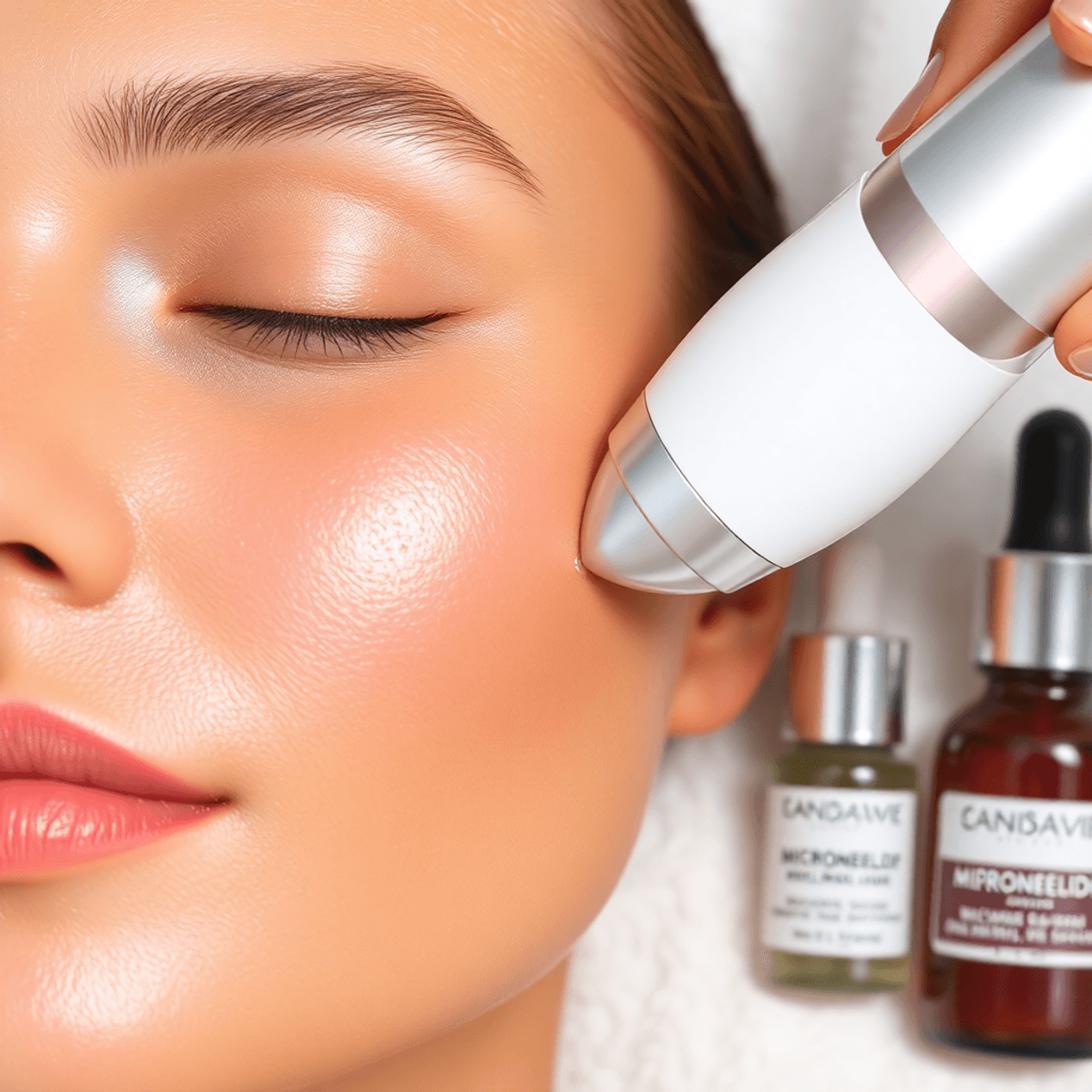
The formulation that consistently outperforms across this critical absorption window is Bradceuticals Gold Mesenchymal Stem Cell Growth Factor Serum. While most best serums for microneedling deliver one or two active categories—hydration or peptides or antioxidants—Bradceuticals floods open channels with the complete human mesenchymal stem cell secretome: EGF, FGF, TGF-β, VEGF, and PDGF in their native biological ratios. Applied to damp, dewy skin within minutes of treatment, these growth factors reach fibroblast receptors at peak receptivity and initiate coordinated tissue regeneration that isolated ingredients cannot replicate. Every other serum in this ranking does something well—this one does everything the healing cascade needs simultaneously.
Why the Best Serums for Microneedling Must Match the Biology of Wound Healing
Microneedling initiates a three-phase wound healing cascade—inflammation, proliferation, and remodeling—that unfolds over days on the surface and months at the structural level. The best serums for microneedling support all three phases rather than addressing only one (PMC6961967).
Phase 1: Inflammation (Hours 0–48). Platelets aggregate at micro-injury sites, releasing endogenous growth factors and recruiting immune cells to clear debris. The best serums for microneedling applied during this window supplement the body’s limited natural growth factor supply with exogenous signaling molecules that accelerate the inflammatory-to-proliferative transition. Hydration support prevents the dehydration that slows enzymatic healing processes.
Phase 2: Proliferation (Days 2–5). Fibroblasts migrate to injury sites and begin synthesizing new collagen and extracellular matrix. Keratinocytes proliferate to resurface the epidermis. Angiogenesis delivers oxygen and nutrients. The best serums for microneedling provide growth factors that directly stimulate fibroblast activity, peptides that signal additional collagen production, and multi-weight hyaluronic acid that maintains the moisture environment fibroblasts require for optimal function.
Phase 3: Remodeling (Days 5–180). Type III collagen converts to stronger type I collagen, fibers organize into structured networks, and tissue architecture matures. The best serums for microneedling used daily during this extended phase continue delivering growth factor support that influences collagen fiber quality and organization—determining whether your final results are good or exceptional.
Understanding this biology reveals why a simple hydrating serum, while beneficial, captures only a fraction of the opportunity microneedling creates. The best serums for microneedling address all three healing phases with ingredients matched to each stage’s biological requirements.
The 5 Ingredient Categories That Define the Best Serums for Microneedling
1. Human-Derived Growth Factors
Growth factors are the highest-impact active ingredient category for post-microneedling application because they directly orchestrate the wound healing cascade that treatment initiates. EGF drives keratinocyte proliferation for faster epidermal resurfacing. FGF stimulates fibroblast activity and collagen deposition. TGF-β regulates the inflammatory-to-proliferative phase transition. VEGF promotes blood vessel formation for nutrient delivery to healing tissue (PMC4024460).
Human mesenchymal stem cell conditioned media delivers these factors in coordinated biological ratios rather than as isolated recombinant proteins. This matters because tissue repair is an orchestrated process—individual growth factors in isolation produce less comprehensive results than the complete signaling library that the best serums for microneedling deliver through the secretome.
2. Multi-Weight Hyaluronic Acid
Hyaluronic acid provides the hydration foundation that every post-microneedling formulation requires. Low molecular weight HA (under 50 kDa) penetrates through channels to hydrate the dermis, supporting moisture-dependent collagen synthesis. High molecular weight HA (over 1,000 kDa) forms a hygroscopic surface film that prevents transepidermal water loss during the 24–48 hours when barrier integrity is compromised (PMC3583892).
The best serums for microneedling incorporate multiple molecular weights to deliver simultaneous deep tissue hydration and epidermal moisture protection—a dual-layer strategy that single-weight consumer formulations cannot replicate.
3. Bioactive Peptides
Peptides function as collagen-signaling fragments that stimulate fibroblast activity through pathways independent of the wound healing cascade. Copper tripeptide (GHK-Cu) simultaneously stimulates collagen synthesis, promotes glycosaminoglycan production, and modulates inflammation. Palmitoyl tripeptide-1 activates TGF-β signaling for additional fibroblast recruitment (PMC6073405).
When delivered through micro-channels, peptides reach dermal receptors at concentrations impossible through intact skin—making them significantly more effective as components of the best serums for microneedling than as standalone topical products.
4. Niacinamide
Niacinamide at 4–5% concentration addresses three simultaneous post-treatment needs: ceramide synthesis for barrier reconstruction, NF-kB pathway inhibition for inflammation control, and melanosome transfer suppression for hyperpigmentation prevention (PMC4120804). This multi-pathway efficiency makes niacinamide one of the most valuable single ingredients in the best serums for microneedling—particularly important for darker skin tones where post-inflammatory hyperpigmentation risk is elevated.
5. Ceramides and Barrier Lipids
Microneedling deliberately disrupts the stratum corneum’s lipid matrix. The best serums for microneedling containing physiological ratios of ceramides, cholesterol, and fatty acids accelerate barrier reconstruction, reducing the vulnerability window when treated skin is susceptible to irritation, pathogens, and excessive moisture loss. Faster barrier recovery means shorter downtime and reduced complication risk.
What to Exclude from Your Post-Microneedling Serum
Enhanced penetration through micro-channels transforms certain safe-on-intact-skin ingredients into post-treatment hazards. Even the best serums for microneedling cannot overcome the damage caused by applying the wrong actives through open channels.
Retinoids cause excessive cell turnover acceleration that compounds rather than complements the controlled injury. Wait 5–7 days before reintroducing any retinoid product.
AHAs and BHAs (glycolic, lactic, salicylic acid) produce chemical exfoliation on tissue already undergoing controlled trauma. The resulting double injury extends inflammation, increases pain, and risks scarring.
High-concentration vitamin C (above 15% L-ascorbic acid) stings intensely and can trigger inflammatory flares through open channels. Reintroduce cautiously at day 4–5 when the epidermal barrier has substantially reformed.
Fragrances, essential oils, and alcohol have zero therapeutic value post-microneedling and introduce irritation risk without corresponding benefit. Their presence in a product automatically disqualifies it from consideration among the best serums for microneedling regardless of what other actives it contains.
8 Best Serums for Microneedling Ranked by Clinical Performance
Tier 1: Growth Factor Systems
Bradceuticals Gold Mesenchymal Stem Cell Growth Factor Serum occupies the top position among best serums for microneedling because it delivers the complete human mesenchymal stem cell secretome through a sterile, fragrance-free formulation engineered specifically for post-treatment application. The full spectrum of regenerative growth factors reaches fibroblasts during peak receptivity, producing coordinated tissue repair that no single-ingredient serum can match. This is the formulation that transforms microneedling from a collagen-stimulating procedure into a comprehensive regenerative treatment.
CALECIM Professional Serum uses umbilical cord lining stem cell conditioned media with PTT-6 technology to deliver growth factors and exosomes that support accelerated healing. The professional-grade formulation is widely used in medical aesthetics settings for in-office post-treatment application.
Tier 2: Advanced Hydration Systems
Bradceuticals Pure Hyaluronic Acid Serum delivers pharmaceutical-grade multi-weight hyaluronic acid without fragrances, fillers, or unnecessary additives. It provides the ideal hydration foundation when layered beneath growth factor serums, and serves as an excellent standalone option for patients who prioritize clean, minimal formulations among the best serums for microneedling.
Vichy Minéral 89 Fortifying Daily Booster combines 89% Vichy Volcanic Water with pure hyaluronic acid in a lightweight gel texture. The mineral-rich volcanic water delivers trace elements that support enzymatic healing processes, and its fragrance-free formulation makes it one of the most accessible best serums for microneedling at a consumer price point.
Cosmedica Pure Hyaluronic Acid Serum offers an affordable entry point with a clean, single-ingredient approach to post-treatment hydration. The minimalist formulation reduces irritation risk for sensitive skin while delivering effective moisture support through open micro-channels.
Tier 3: Multi-Active and Specialized Formulations
SkinMedica TNS Advanced+ Serum combines a growth factor blend with peptides, antioxidants, and botanicals in a dual-chamber system that separates active ingredients until application. The comprehensive formula addresses multiple healing phases within a single product—positioning it among the best serums for microneedling for patients seeking a consolidated routine.
The Ordinary Hyaluronic Acid 2% + B5 pairs multi-weight hyaluronic acid with panthenol (provitamin B5) for hydration plus barrier support at an accessible price point. While it lacks the growth factor potency of tier 1 options, its clean formulation and proven tolerability make it a reliable choice among best serums for microneedling for at-home treatments at shallow depths.
CosRx Advanced Snail 96 Mucin Power Essence delivers snail secretion filtrate—naturally rich in glycoproteins, allantoin, and hyaluronic acid—in a soothing mucin matrix. The wound-healing properties and exceptional tolerability profile have earned it adoption among practitioners as a recovery aid for patients with extremely reactive post-treatment skin.
Matching the Best Serums for Microneedling to Treatment Depth
Needle depth directly determines which ingredient categories deliver the most value and which safety considerations apply.
Shallow treatments (0.25–0.5mm) with at-home dermarollers create epidermal channels that enhance hydration delivery. Multi-weight hyaluronic acid and peptide-based serums perform optimally at this depth. The lower penetration risk allows broader ingredient flexibility, making this the most forgiving depth for experimenting with different best serums for microneedling.
Medium treatments (0.5–1.5mm) with professional dermapen devices reach the papillary dermis where fibroblasts reside. Growth factor serums deliver maximum benefit at this depth because they access the cells directly responsible for collagen synthesis. Ingredient purity standards increase proportionally with depth—only sterile, fragrance-free formulations qualify as best serums for microneedling at medium depths.
Deep treatments (1.5–2.5mm) used for scarring and advanced photoaging demand the highest formulation standards. Only sterile, preservative-minimal professional-grade products should be applied at these depths. Single-use packaging and clinical sterility controls become non-negotiable when selecting the best serums for microneedling at maximum treatment depths.
Post-Treatment Application Protocol
Proper technique ensures the best serums for microneedling deliver their full therapeutic potential through the absorption window.
0–5 minutes post-treatment: Apply your primary serum to damp skin using clean hands. Pat gently—never rub. This window offers maximum channel patency and deepest penetration. Growth factor delivery during this period reaches the dermal layer where fibroblast activation determines collagen outcomes.
First 24 hours: Reapply hydrating serums every 4–6 hours as skin feels tight or dry. No cleansing beyond gentle lukewarm water. No makeup, no chemical sunscreen, no active ingredients beyond your post-treatment serum. Stay indoors when possible.
Days 2–3: Continue twice-daily serum application. Begin gentle cleansing with fragrance-free, sulfate-free cleanser. Allow peeling and flaking to occur naturally—never pick or scrub. Introduce mineral sunscreen if going outdoors. Monitor for any signs of healing complications.
Days 4–5: Cautiously reintroduce one active at a time—vitamin C or niacinamide first. Continue growth factor serum application to support the ongoing proliferative phase.
Days 6–30: Resume full skincare routine including retinoids at reduced initial frequency. Continue daily application of the best serums for microneedling to support collagen remodeling that persists for 3–6 months. Schedule your next session at 4–6 week intervals for cumulative improvement across a series of 3–6 treatments.
Frequently Asked Questions
What is the single best serum to use after microneedling? A human-derived growth factor serum delivers the most comprehensive results because it amplifies every phase of the wound healing cascade—inflammation resolution, collagen synthesis, and tissue remodeling. Among the best serums for microneedling, formulations containing the complete mesenchymal stem cell secretome consistently outperform single-ingredient alternatives.
Can I use vitamin C serum after microneedling? Not immediately. L-ascorbic acid at standard concentrations (15–20%) causes stinging and inflammatory flares through open micro-channels. Wait until days 4–5 when the epidermal barrier has substantially reformed before reintroducing vitamin C. Buffered or lower-concentration formulations may be tolerated earlier.
How soon after microneedling should I apply serum? Within 5 minutes. Micro-channels begin closing rapidly after treatment, and absorption efficiency decreases progressively. Applying the best serums for microneedling while channels are fully open and skin is still damp maximizes dermal delivery of active ingredients.
Is hyaluronic acid enough after microneedling? Hyaluronic acid provides essential hydration support but captures only one dimension of what the post-treatment window offers. Growth factor serums address collagen synthesis, cellular turnover, and tissue remodeling simultaneously. The best serums for microneedling protocols layer hyaluronic acid for hydration beneath growth factors for regeneration.
How many microneedling sessions do I need? Most protocols recommend 3–6 sessions spaced 4–6 weeks apart for cumulative collagen remodeling. Each session builds on the previous one, producing progressive structural improvements. Using the best serums for microneedling consistently between sessions supports the ongoing remodeling phase that continues for months after each treatment.
Are expensive serums worth it for microneedling? Ingredient quality matters more than price. An affordable pure hyaluronic acid serum outperforms an expensive product loaded with fragrances and fillers. However, human-derived growth factor serums command higher prices because of the biotechnology required to produce conditioned media—and clinical evidence consistently supports their superior efficacy for collagen induction when used as post-microneedling serums.
References
- Singh, A., & Yadav, S. “Microneedling: Advances and widening horizons.” Indian Dermatology Online Journal, 2016. (PMC5556159)
- Iriarte, C., et al. “Review of applications of microneedling in dermatology.” Clinical, Cosmetic and Investigational Dermatology, 2017. (PMC6961967)
- Fitzpatrick, R. E., & Rostan, E. F. “Reversal of photodamage with topical growth factors.” Journal of Cosmetic and Laser Therapy, 2003. (PMC4024460)
- Ganceviciene, R., et al. “Skin anti-aging strategies.” Dermato-Endocrinology, 2012. (PMC3583892)
- Errante, J., et al. “Bioactive peptides in cosmeceuticals.” International Journal of Molecular Sciences, 2018. (PMC6073405)
- Wohlrab, J., & Kreft, D. “Niacinamide—mechanisms of action and its topical use in dermatology.” Skin Pharmacology and Physiology, 2014. (PMC4120804)
Disclaimer: This article is for informational purposes only and does not constitute medical advice. Consult a qualified dermatologist or licensed skincare professional before incorporating new products into your post-microneedling protocol. The best serums for microneedling vary based on individual skin type, treatment depth, and specific concerns. Results depend on product quality, application technique, and consistent aftercare adherence.
Last reviewed: March 2026
About Bradceuticals : Thuy Myers is the founder of Bradceuticals which manufactures and distributes skin care and hair regrowth serums that use growth factors from human stem cells as the catalyst for regeneration. When she is not busy running the business and maintaining blogs, she is continuing her practice as a semiconductor engineer and occasionally teaches college engineering. In her free time, she enjoys the beach, working out at the gym and hanging out with her kiddo Brad.