

Choosing the right serums for microneedling is one of the highest-leverage decisions in your entire skincare protocol. Here is why: four sessions of microneedling spaced one month apart have been shown histologically to produce up to a 400% increase in collagen and elastin deposition at six months post-treatment. (PMC4976400) The micro-channels created during each session transiently increase skin permeability, allowing hydrophilic and water-soluble actives to transfer across the stratum corneum and reach the dermis directly — a route that is essentially unavailable to these same molecules on untreated skin. (PMC11993440) The serums for microneedling you apply in that open-channel window determine whether you capture those results fully or leave a significant portion of your investment unrealized.
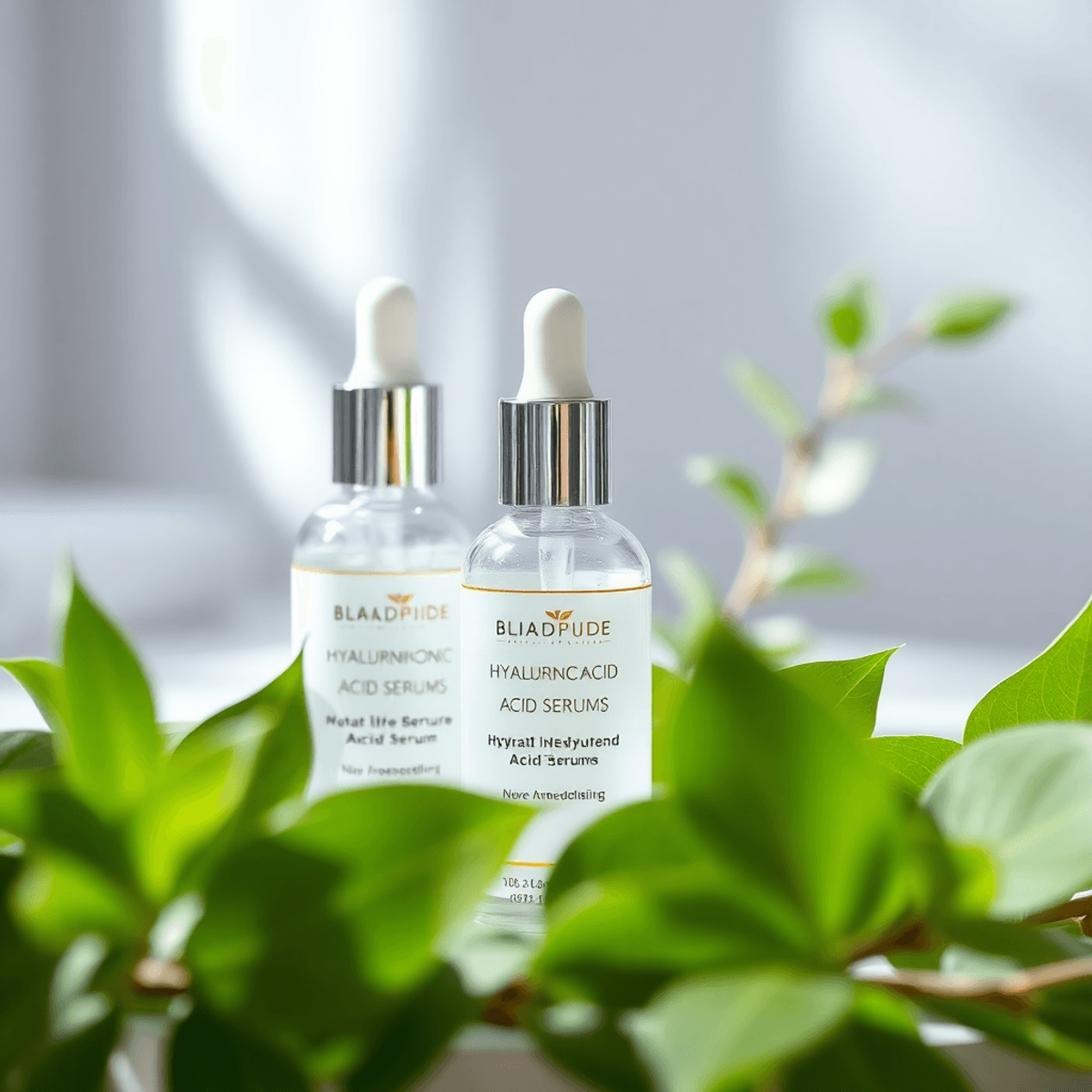
There is no better serums for microneedling combination than pairing that procedure with the Bradceuticals Gold Mesenchymal Stem Cell Growth Factor Serum. The open micro-channels deliver its stem cell-derived growth factors, peptides, and regenerative cytokines directly into the dermis — the exact location where collagen remodeling is actively occurring. Applied to damp, dewy skin immediately after your session, it picks up where the needles leave off and keeps the healing cascade running. On its own it produces real results. Combined with microneedling, it becomes something your skin will notice in the mirror.
Why the Science of Serums for Microneedling Matters
Microneedling — also known as percutaneous collagen induction therapy — works by generating a wound-healing cascade through controlled micro-injuries to the epidermis and dermis. This triggers the release of transforming growth factor (TGF), platelet-derived growth factor (PDGF), and connective tissue activation protein, which together stimulate collagen, elastin, and glycosaminoglycan production. (PMC11993440) Approximately five days after treatment, a fibronectin matrix forms from β-fibroblasts that deposit new collagen — collagen that remains in place and naturally tightens for five to seven years before degrading. (PMC11993440)
The micropores created during this process simultaneously enhance the permeation of skincare formulations, boosting their efficacy far beyond what topical-only application achieves. (MDPI Cosmetics 2024) This is the scientific foundation that makes choosing the correct serums for microneedling so consequential — the right actives entering the dermis at the right moment can amplify and extend the procedure’s regenerative effects meaningfully.
The 5 Best Serums for Microneedling Ranked
1. Stem Cell Growth Factor Serum: The Most Advanced Serums for Microneedling
Mesenchymal stem cell-derived conditioned media represents the most biologically sophisticated category of serums for microneedling. It delivers a comprehensive cocktail of growth factors — including EGF, VEGF, and PDGF — alongside cytokines and extracellular matrix proteins that regulate multiple aspects of collagen biosynthesis, cellular repair, and inflammatory control simultaneously. A randomized controlled trial demonstrated that adding topical growth factors to a standard microneedling protocol produced significantly greater improvements in skin texture and hydration than microneedling alone, while reducing recovery time through downregulation of the inflammatory response. (PMC7716740) A separate randomized split-face study confirmed that combining microneedling with stem cell conditioned media improved skin brightness, texture, and overall rejuvenation compared to microneedling with saline. (PMC9171013)
The Bradceuticals Gold Mesenchymal Stem Cell Growth Factor Serum is applied post-microneedling only — never as a gliding serum — to damp, dewy skin using gentle tapping motions. For a full ranked comparison of this product category, our guide to the 7 best stem cell serums for microneedling covers the options in depth.
2. Hyaluronic Acid Serum: The Essential Hydrating Serums for Microneedling Recovery
Hyaluronic acid (HA) is a glycosaminoglycan naturally present in the dermal extracellular matrix and one of the most clinically studied serums for microneedling recovery. A clinical study comparing microneedling alone against microneedling with hyaluronic acid in acne scarring patients found that the combination group produced a higher proportion of “good” and “very good” improvement ratings at treatment completion. (PMC10833484) HA plays a direct role in wound healing by creating the physiological conditions in the extracellular matrix that support the proliferation, migration, and organization of dermal cells. (PMC10833484)
From a molecular standpoint, lower molecular weight HA fractions penetrate deeper into the dermis, while higher molecular weight fractions form a protective film at the surface to retain moisture and support barrier recovery. (MDPI 2024) Applied to damp, dewy skin immediately after treatment, HA serums for microneedling are appropriate for all skin types including the most sensitive. For our ranked list of top-performing HA options, see the 5 best hyaluronic acid serums to use with microneedling.
3. EGF Serum: Serums for Microneedling That Accelerate Cellular Repair
Epidermal growth factor is among the most targeted serums for microneedling when faster tissue repair is the priority. It drives keratinocyte proliferation and accelerates the cell turnover that restores the skin surface after controlled injury. Because EGF carries a molecular weight that normally prevents passive penetration of the intact stratum corneum, microneedling is what makes it genuinely effective as a topical — the open micro-channels allow it to reach the dermis directly where it can act on fibroblasts and keratinocytes at the repair site. (PMC7716740) A randomized controlled split-face trial using a cross-linked hyaluronic acid microneedle patch combined with EGF showed measurable improvements in skin hydration, photodamage scoring, and wrinkle appearance compared to HA alone. (PMC7992733)
For the full science behind this ingredient class, our article on 10 reasons why EGF serums are the best for skin rejuvenation explores the clinical evidence in detail.
4. Peptide Serum: Serums for Microneedling That Extend Collagen Signaling Between Sessions
Peptides are short amino acid chains classified by mechanism — signal peptides upregulate collagen and elastin synthesis, carrier peptides deliver wound-healing trace elements like copper, and enzyme inhibitor peptides slow collagen degradation. (PMC11762834) As serums for microneedling, peptides are most valuable in the days between sessions, extending the collagen induction signal initiated by the procedure. Copper Tripeptide-1, one of the most researched carrier peptides, participates directly in wound healing through copper-dependent enzymatic tissue repair processes. (PMC11762834) Used consistently across a multi-session microneedling program, quality peptide serums for microneedling contribute to a more organized and dense dermal collagen architecture over time.
5. Niacinamide Serum: Serums for Microneedling That Calm and Protect the Healing Barrier
Niacinamide is among the most evidence-supported serums for microneedling in the immediate post-procedure recovery window. Topical application stabilizes epidermal barrier function, stimulates ceramide synthesis, and demonstrates measurable anti-inflammatory activity across multiple skin conditions. (PubMed 17147561) At the dermal level, it promotes fibroblast collagen synthesis and inhibits the matrix metalloproteinases responsible for collagen degradation during aging. (PMC8389214) As serums for microneedling go, niacinamide’s dual role — calming active inflammation while simultaneously supporting new collagen formation — makes it especially valuable in the 24 to 72 hours following treatment when the skin is at peak sensitivity.
How to Compare These Serums for Microneedling Against Other Treatments
Understanding where serums for microneedling fit relative to other skin treatments helps set realistic expectations:
Hyaluronic acid serums for microneedling address hydration, barrier support, and extracellular matrix repair. They are non-invasive and appropriate for daily use in the post-procedure window.
HA dermal fillers deliver HA in a cross-linked gel form via injection to restore facial volume and smooth static wrinkles. They produce immediate structural results but involve procedural risk and downtime. Used as injectable fillers, they do not overlap functionally with topical serums for microneedling.
Botox targets dynamic wrinkles through temporary muscle relaxation and does not provide hydration, barrier repair, or collagen stimulation. It addresses a different set of concerns than serums for microneedling and the two can be used as complementary strategies rather than substitutes.
Growth factor and stem cell serums for microneedling occupy a unique position — they are topical, non-invasive, and yet deliver regenerative signals that injectable treatments do not. When applied through open micro-channels, they bridge the gap between surface skincare and procedural outcomes.
How to Apply Serums for Microneedling Correctly
Correct application technique maximizes the impact of every serum for microneedling you use:
Always apply serums for microneedling to damp, dewy skin — never to skin that is completely dry. This is true for the growth factor serum, HA serum, and any other active you use post-procedure. Moisture on the skin surface supports absorption and helps prevent actives from simply sitting on top.
Use a light tapping or pressing motion rather than rubbing. Freshly needled skin is temporarily vulnerable and rubbing can disrupt the micro-channels and the tissue around them.
If layering multiple serums for microneedling, start with the thinnest consistency first — typically a growth factor or HA serum — and work toward heavier formulations, sealing everything in with a gentle fragrance-free moisturizer.
Avoid retinoids, AHAs, BHAs, and high-concentration vitamin C as serums for microneedling in the immediate post-procedure window. These actives are too stimulating for skin with a temporarily compromised barrier. Reintroduce them gradually starting 48 to 72 hours post-treatment. For a complete timeline of what to expect and how to care for your skin at each phase, the 7 complete stages of microneedling recovery time is a useful reference.
Building a Long-Term Protocol Around the Best Serums for Microneedling
Microneedling results compound with consistency. The collagen deposited after each session matures and reorganizes over months, meaning the full benefit of a series of treatments is greater than the sum of individual sessions. The serums for microneedling you use between sessions matter just as much as what you apply immediately after — they maintain the regenerative environment, support barrier function, and provide the building blocks for continued collagen production.
A complete serums for microneedling protocol includes a stem cell growth factor serum applied on treatment day to damp skin post-procedure, a hyaluronic acid serum for daily hydration support during recovery, a niacinamide serum during the first 72 hours for barrier calming, and peptide and vitamin C serums reintroduced in the week following treatment for ongoing collagen signaling and brightening. For an expanded look at the top-rated options in the growth factor category, our roundup of the 10 best growth factor serums for youthful skin provides additional context.
Frequently Asked Questions About Serums for Microneedling
What are the best serums for microneedling? Stem cell growth factor serums, hyaluronic acid serums, and EGF serums are the three most scientifically supported serums for microneedling. Growth factor serums are applied immediately post-procedure; HA serums support hydration throughout recovery; EGF serums accelerate cellular repair when applied through open micro-channels.
When should I apply serums for microneedling? Apply serums for microneedling immediately after your session while the micro-channels are open and the skin is still damp. This is the window of maximum absorption for high-molecular-weight actives that cannot otherwise penetrate the stratum corneum.
Can I use vitamin C as one of my serums for microneedling right after treatment? No. Vitamin C in high concentrations is too stimulating for freshly treated skin. Wait 48 to 72 hours post-procedure before reintroducing it. It is a valuable long-term addition to your serums for microneedling routine between sessions.
How many microneedling sessions do I need to see results? Four sessions one month apart have been shown histologically to produce up to a 400% increase in collagen and elastin deposition at six months. (PMC4976400) Results continue to improve as newly deposited collagen matures.
Are serums for microneedling safe for sensitive skin? Hyaluronic acid and niacinamide serums for microneedling are well tolerated by sensitive skin. Stem cell growth factor serums formulated without irritating preservatives or fragrances are also appropriate. Avoid retinoids, AHAs, and BHAs on sensitive skin post-procedure.
Do I need special serums for microneedling or can I use my regular products? The open micro-channels created by microneedling dramatically increase the penetration of whatever you apply — which means regular products containing active irritants like retinol or strong acids can cause inflammation when used as serums for microneedling immediately post-procedure. Stick to serums formulated specifically for post-procedure use until the barrier has recovered.
References
- Microneedling: Advances and Widening Horizons. PMC4976400. https://pmc.ncbi.nlm.nih.gov/articles/PMC4976400/
- Physiological Mechanisms and Therapeutic Applications of Microneedling: A Narrative Review. PMC11993440. https://pmc.ncbi.nlm.nih.gov/articles/PMC11993440/
- An Assessment of Microneedling with Topical Growth Factors for Facial Skin Rejuvenation: A Randomized Controlled Trial. PMC7716740. https://pmc.ncbi.nlm.nih.gov/articles/PMC7716740/
- Efficacy of Microneedling Combined With Mesenchymal Stem Cells Conditioned Media in Skin Brightness and Rejuvenation. PMC9171013. https://pmc.ncbi.nlm.nih.gov/articles/PMC9171013/
- Comparative Evaluation of Microneedling Alone Versus Microneedling with Hyaluronic Acid in Post-Acne Scarring. PMC10833484. https://pmc.ncbi.nlm.nih.gov/articles/PMC10833484/
- Anti-Wrinkle Efficacy of Cross-Linked Hyaluronic Acid-Based Microneedle Patch with Acetyl Hexapeptide-8 and EGF. PMC7992733. https://pmc.ncbi.nlm.nih.gov/articles/PMC7992733/
- Peptides: Emerging Candidates for the Prevention and Treatment of Skin Senescence. PMC11762834. https://pmc.ncbi.nlm.nih.gov/articles/PMC11762834/
- Mechanistic Basis and Clinical Evidence for the Applications of Nicotinamide (Niacinamide). PMC8389214. https://pmc.ncbi.nlm.nih.gov/articles/PMC8389214/
- Nicotinic Acid/Niacinamide and the Skin. PubMed 17147561. https://pubmed.ncbi.nlm.nih.gov/17147561/
- Recent Advances in Microneedling-Assisted Cosmetic Applications. MDPI Cosmetics 2024. https://www.mdpi.com/2079-9284/11/2/51
- Microneedles Based on Hyaluronic Acid — Biodegradable Polymer Review. MDPI 2024. https://www.mdpi.com/2073-4360/16/10/1396
Disclaimer: This article is for educational purposes only and does not constitute medical advice. Always consult a licensed dermatologist or skincare professional before beginning any microneedling or serum protocol. Individual results vary.
Last reviewed: March 2026
About Bradceuticals : Thuy Myers is the founder of Bradceuticals which manufactures and distributes skin care and hair regrowth serums that use growth factors from human stem cells as the catalyst for regeneration. When she is not busy running the business and maintaining blogs, she is continuing her practice as a semiconductor engineer and occasionally teaches college engineering. In her free time, she enjoys the beach, working out at the gym and hanging out with her kiddo Brad.