

Most anti aging skincare routine advice recycles the same generic sequence — cleanser, toner, serum, moisturizer, sunscreen — without addressing the biological mechanisms that determine whether your routine actually rebuilds dermal structure or simply hydrates the surface. The difference between a routine that slows aging and one that reverses visible damage comes down to whether you deliver growth factors that instruct fibroblasts to resume collagen and elastin production at rates closer to younger skin. Mesenchymal stem cell conditioned media contains the signaling proteins — EGF, TGF-β, PDGF, and VEGF — that fibroblasts require for this structural rebuilding (Park et al., 2019). An effective anti aging skincare routine in 2026 places these growth factors at its center rather than treating them as an optional add-on.
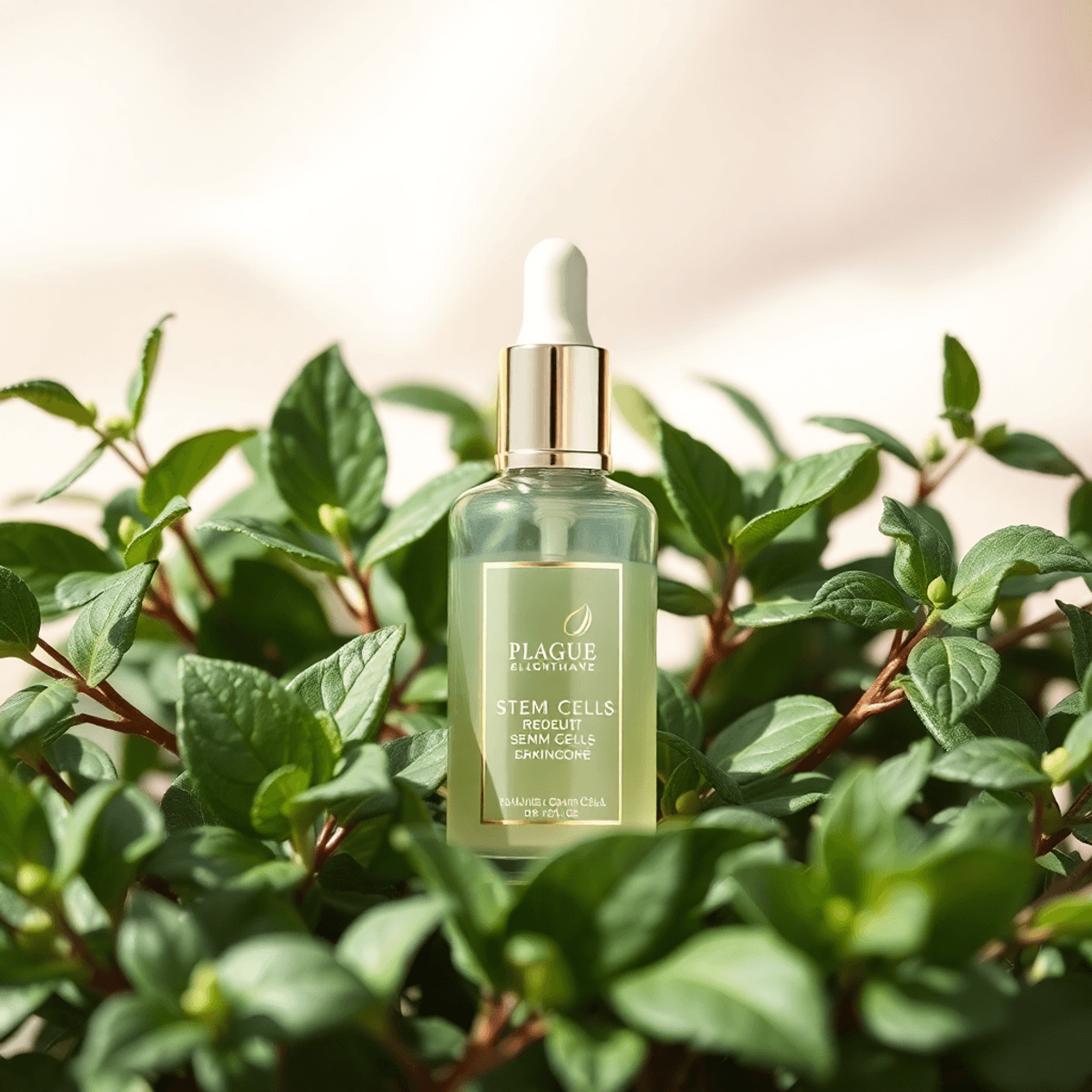
A controlled study in the Journal of Cosmetic Dermatology found that topical application of human adipose-derived stem cell conditioned media over eight weeks produced statistically significant improvements in wrinkle depth and skin elasticity compared to placebo (Kim et al., 2020). These results represent actual structural change in the dermis — not the temporary plumping that hyaluronic acid provides or the surface smoothing from chemical exfoliation. Bradceuticals’ Gold Mesenchymal Stem Cell Growth Factor Serum concentrates this category of human mesenchymal stem cell conditioned media into a formula designed for application on damp, dewy skin — the optimal delivery state for growth factor absorption whether you are microneedling or simply applying it as part of your daily anti aging skincare routine.
Why Most Anti Aging Skincare Routines Underperform
The Single-Pathway Problem
The majority of anti aging skincare routine recommendations rely on one or two active pathways. Retinol accelerates cell turnover through retinoic acid receptor binding. Vitamin C serves as a collagen synthesis cofactor and antioxidant. Peptides mimic collagen fragments to indirectly stimulate production. Each of these is valuable, but none delivers the complete growth factor environment that aging skin progressively loses.
After age 30, fibroblast density in the dermis declines by approximately 1% annually, and remaining fibroblasts become less responsive to regenerative signals (Varani et al., 2006). The skin’s own production of EGF and other cytokines diminishes simultaneously. An anti aging skincare routine that relies solely on retinol and vitamin C addresses downstream effects without replenishing the upstream signaling environment. Adding growth factors from stem cell conditioned media fills this gap by restoring the paracrine communication network that drives collagen synthesis at its source.
Product Order Determines Efficacy
Even the best active ingredients fail when layered incorrectly. An anti aging skincare routine must follow thin-to-thick consistency ordering so each product absorbs before the next creates an occlusive layer. Water-based serums penetrate first. Oil-based products and heavier creams seal actives against the skin. Sunscreen always finishes a morning routine. Violating this sequence — applying a rich cream before a growth factor serum, for example — blocks penetration and wastes the most expensive step in your routine.
The Complete Anti Aging Skincare Routine — Step by Step
Morning Protocol
Step 1 — Gentle Cleanser Start with a pH-balanced cleanser that removes overnight sebum and product residue without stripping the lipid barrier. Harsh sulfate cleansers compromise barrier function, increasing transepidermal water loss that accelerates visible aging throughout the day. Your anti aging skincare routine begins with preservation, not aggression.
Step 2 — Growth Factor Serum on Damp Skin Immediately after cleansing, while skin is still damp, apply a growth factor serum like Bradceuticals’ Gold Mesenchymal Stem Cell Growth Factor Serum. Damp skin enhances absorption because water in the stratum corneum swells corneocytes and temporarily loosens the intercellular lipid matrix. Growth factors — EGF, TGF-β, PDGF — bind to fibroblast and keratinocyte receptors to initiate collagen synthesis, cell proliferation, and tissue repair. This is the most critical step in a science-based anti aging skincare routine.
Step 3 — Antioxidant Layer Follow with a vitamin C serum (L-ascorbic acid at 10–20%) to neutralize free radicals generated by UV exposure and pollution throughout the day. Vitamin C also serves as a cofactor for prolyl hydroxylase, the enzyme required for stable collagen triple-helix formation. Pairing vitamin C with growth factors creates complementary anti aging pathways — growth factors signal fibroblasts to produce collagen while vitamin C ensures the collagen produced is structurally sound.
Step 4 — Niacinamide Moisturizer Apply a moisturizer containing niacinamide (vitamin B3) and ceramides. Niacinamide strengthens the skin barrier, reduces post-inflammatory hyperpigmentation, and improves skin tone — all of which complement the structural work that growth factors perform beneath the surface. Ceramides restore the lipid matrix that environmental exposure degrades with age.
Step 5 — Broad-Spectrum SPF 30+ No anti aging skincare routine produces lasting results without UV protection. Growth factors increase cellular activity, making photodamage prevention essential. A broad-spectrum SPF 30 or higher blocks the UVA rays that drive photoaging and the UVB rays that cause sunburn. This single step preserves every gain your other products deliver.
Evening Protocol
Step 6 — Double Cleanse Remove sunscreen, makeup, and environmental debris with an oil-based cleanser followed by a water-based cleanser. Residual sunscreen on the skin surface blocks absorption of evening actives, undermining your anti aging skincare routine’s most restorative window.
Step 7 — Growth Factor Serum Apply your stem cell growth factor serum again to clean, damp skin. Nighttime application is particularly effective because skin enters a repair-dominant metabolic state during sleep — growth hormone release peaks, and cellular regeneration accelerates. Delivering exogenous growth factors during this window amplifies the body’s endogenous repair processes.
Step 8 — Retinol (Alternating Nights) On alternating evenings, apply retinol after your growth factor serum has absorbed for two minutes. Retinol accelerates cell turnover and upregulates collagen gene expression through a pathway independent of growth factor signaling. Using both on alternating nights prevents the irritation that nightly retinol can cause while maintaining two complementary anti aging mechanisms. On non-retinol nights, layer a peptide serum instead for additional collagen support without irritation.
Step 9 — Rich Night Cream Seal all actives with an occlusive night cream containing ceramides and squalane. This creates a barrier that keeps growth factors and retinol in contact with the skin throughout the night rather than evaporating or transferring to your pillowcase.
Weekly Enhancement
Step 10 — Microneedling With Growth Factors Adding monthly microneedling sessions to your anti aging skincare routine dramatically accelerates results. Microneedling creates thousands of microchannels that increase growth factor absorption by up to 80%. Apply Bradceuticals’ serum to damp, dewy skin immediately post-procedure — never as a gliding serum during the process. The complete stages of microneedling recovery maps the healing timeline so you know exactly when to reintroduce each active into your routine. Understanding the healing stages after each session ensures you optimize every phase for maximum collagen output.
The Science of Layering — Why Order Matters in Your Anti Aging Skincare Routine
Thin to Thick Rule
Serums absorb fastest because their molecular weight is lowest. Creams and oils create partial occlusion that slows penetration of anything applied afterward. In your anti aging skincare routine, growth factor serums must always go on before moisturizers and sunscreen. If you apply a ceramide cream first, the lipid film blocks growth factors from reaching fibroblast receptors in the dermis.
Wait Times Between Steps
Allow 60 seconds between serum application and moisturizer. This gives water-based actives time to absorb into the stratum corneum before an occlusive layer seals them in. Rushing through your anti aging skincare routine reduces the effective concentration of every product.
Actives That Should Not Be Mixed in the Same Step
Vitamin C (L-ascorbic acid) and niacinamide were historically advised against combining, but modern research shows they work well together when formulated at appropriate pH levels. However, retinol and AHA/BHA acids should be separated — use acids in the morning and retinol at night to prevent excessive irritation that compromises barrier function and undermines your anti aging skincare routine’s healing objectives.
Growth Factors vs. Other Anti Aging Actives — A Comparison
Understanding where growth factors fit relative to other actives helps you build an anti aging skincare routine with complementary rather than redundant pathways.
Retinol increases cell turnover by binding to nuclear retinoic acid receptors. It can cause dryness, peeling, and photosensitivity. It works through gene expression changes that take weeks to manifest.
Vitamin C provides antioxidant protection and serves as a collagen synthesis cofactor. It is pH-dependent and degrades rapidly when exposed to light and air. It protects existing collagen but does not directly signal fibroblasts to produce more.
Peptides mimic collagen fragments (like palmitoyl tripeptide-1) to indirectly stimulate fibroblast activity. They are generally well-tolerated but work through a less direct signaling pathway than growth factors.
Growth factors from stem cell conditioned media deliver the complete paracrine environment — EGF, TGF-β, PDGF, VEGF — that fibroblasts require for full-capacity collagen and elastin synthesis. Research confirms up to 31% collagen increases versus untreated controls (Park et al., 2019). They are well-tolerated, cause no photosensitivity, and work through the same biological pathways your skin used when it was younger.
The strongest anti aging skincare routine combines all four — growth factors as the foundation, retinol for cell turnover, vitamin C for antioxidant defense and collagen stabilization, and peptides for additional signaling support. The best growth factor serums for youthful skin compares specific products that fill the growth factor role in this framework.
How Long Before Your Anti Aging Skincare Routine Shows Results
A 2021 review in Stem Cell Research & Therapy examined multiple trials involving topical stem cell conditioned media and concluded that 8 to 12 weeks of consistent application produced statistically significant improvements in wrinkle depth, skin elasticity, and dermal thickness (Katagiri et al., 2021). Here is the general timeline when following a complete anti aging skincare routine with growth factors:
Weeks 1–2: Improved hydration and skin texture. The barrier-strengthening effects of niacinamide and ceramides become noticeable. Skin feels smoother and more supple.
Weeks 3–6: Fine lines begin softening as new collagen deposition from growth factor signaling starts manifesting visibly. Skin tone becomes more even as niacinamide addresses hyperpigmentation.
Weeks 8–12: Measurable wrinkle depth reduction and improved elasticity based on clinical trial benchmarks. The cumulative effect of daily growth factor application compounds with retinol-driven cell turnover for visible structural improvement.
Months 4–6: With monthly microneedling sessions added, dermal thickness increases become more pronounced. The combination of enhanced absorption from microchannels and daily topical growth factor delivery accelerates results beyond what either approach achieves alone.
Frequently Asked Questions
What is the most important product in an anti aging skincare routine? A growth factor serum delivers the most direct anti aging mechanism by signaling fibroblasts to produce collagen and elastin. Sunscreen is equally critical because it prevents the UV-driven collagen destruction that counteracts every other product in your routine.
Can I build an effective anti aging skincare routine on a budget? Yes. Prioritize three products: a growth factor serum, a broad-spectrum sunscreen, and a gentle cleanser. These cover the core mechanisms — collagen stimulation, photoprotection, and barrier preservation. Add retinol and vitamin C as budget allows.
How does microneedling fit into an anti aging skincare routine? Monthly microneedling sessions create microchannels that dramatically increase growth factor penetration. The microneedling healing timeline guides when to reintroduce each active post-procedure so your routine adapts to your skin’s recovery needs.
Should my anti aging skincare routine change with the seasons? The core structure — cleanser, growth factor serum, moisturizer, sunscreen — stays constant. In winter, switch to a richer moisturizer with heavier ceramide content. In summer, use a lighter moisturizer and reapply sunscreen more frequently. Growth factor application does not change seasonally.
At what age should I start an anti aging skincare routine? Fibroblast density begins declining around age 30, making this the ideal time to introduce growth factors. Sunscreen and antioxidants should be part of your routine from your twenties. Prevention is significantly more effective than correction.
References
- Park, B.S., et al. (2019). Adipose-derived stem cells and their secretory factors for skin aging. Dermatologic Surgery. https://pmc.ncbi.nlm.nih.gov/articles/PMC6835893/
- Kim, Y.J., et al. (2020). Human adipose-derived stem cell conditioned media and skin elasticity. Journal of Cosmetic Dermatology. https://pubmed.ncbi.nlm.nih.gov/31573748/
- Varani, J., et al. (2006). Decreased collagen production in chronologically aged skin. American Journal of Pathology. https://pubmed.ncbi.nlm.nih.gov/16675963/
- Katagiri, W., et al. (2021). Clinical applications of stem cell conditioned media. Stem Cell Research & Therapy. https://pmc.ncbi.nlm.nih.gov/articles/PMC7815998/
- Esquirol-Caussa, J. & Herrero-Vila, E. (2015). EGF applications in dermatology. International Journal of Molecular Sciences. https://pubmed.ncbi.nlm.nih.gov/26370986/
Disclaimer: This article is for informational purposes only and does not constitute medical advice. Consult a board-certified dermatologist before beginning any new skincare regimen.
Last reviewed: March 31, 2026
About Bradceuticals : Thuy Myers is the founder of Bradceuticals which manufactures and distributes skin care and hair regrowth serums that use growth factors from human stem cells as the catalyst for regeneration. When she is not busy running the business and maintaining blogs, she is continuing her practice as a semiconductor engineer and occasionally teaches college engineering. In her free time, she enjoys the beach, working out at the gym and hanging out with her kiddo Brad.