

Your wrinkles are not a hydration problem. They are not a surface texture problem. They are a structural collagen deficit where the scaffolding beneath your skin has thinned below the threshold required to hold the surface taut — and the best serum for wrinkles is the ONLY topical product capable of rebuilding that scaffolding from the inside out. Every moisturizer, every plumping cream, every “firming” lotion you have used temporarily inflated the tissue surrounding the gap without filling the gap itself. Your fibroblasts — the cells that BUILD collagen — have been losing density at approximately 1% per year since age 30 while their growth factor instructions decline in parallel (Varani et al., 2006). The best serum for wrinkles replenishes those missing instructions. Everything else manages symptoms while the cause accelerates beneath.
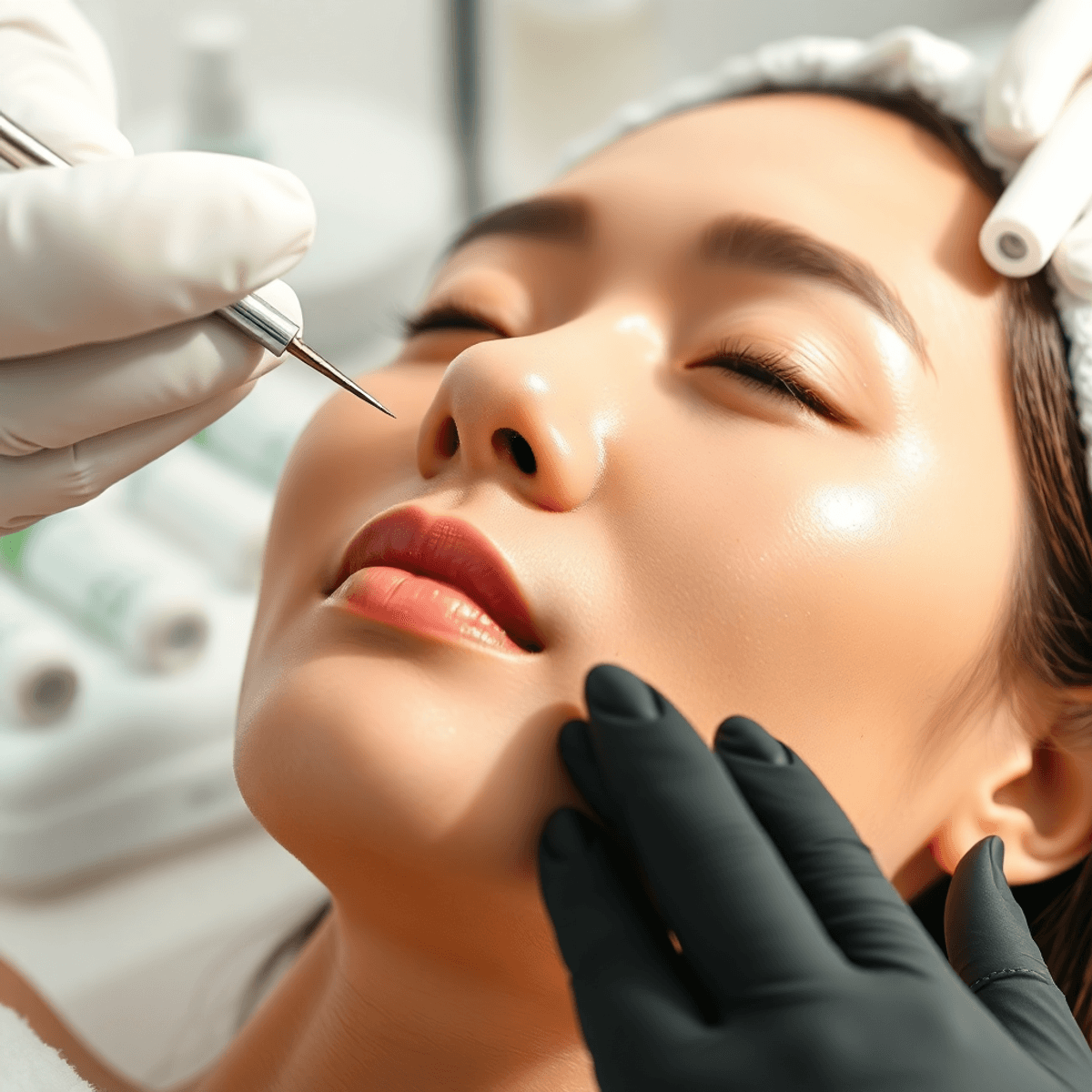
A study in the Journal of Cosmetic Dermatology confirmed what this biology predicts: human adipose-derived stem cell conditioned media produced statistically significant wrinkle depth reduction and elasticity improvement over just eight weeks (Kim et al., 2020). Not temporary smoothing — instrument-measured structural change. Bradceuticals’ Gold Mesenchymal Stem Cell Growth Factor Serum delivers this exact category of active — the complete human mesenchymal stem cell secretome containing EGF, TGF-β, FGF, PDGF, and VEGF — applied to damp, dewy skin twice daily. Among every product claiming to be the best serum for wrinkles, this is the formulation tier where published clinical evidence lives.
Why Most Wrinkle Serums Fail — The Biology They Ignore
Wrinkles Are Structural Failures, Not Surface Imperfections
Every wrinkle on your face marks a location where dermal collagen has degraded below the threshold needed to support the epidermis above. The skin folds into the gap. Understanding this changes what the best serum for wrinkles must accomplish: it must deposit NEW collagen beneath the wrinkle trough — not smooth the surface above it. Hyaluronic acid plumps temporarily. Retinol accelerates cell turnover. Vitamin C brightens. But only the best serum for wrinkles containing growth factors delivers the direct fibroblast signal that produces NEW structural protein beneath each line.
The Growth Factor Signaling Crisis
Your fibroblasts are not dead. They are not incapable. They are UNDER-SIGNALED. After age 30, endogenous production of EGF, FGF, TGF-β, VEGF, and PDGF declines progressively. The best serum for wrinkles replenishes these declining signals — reactivating fibroblasts that have slowed their collagen output not because they have lost the ability, but because they stopped receiving the instruction.
The 8 Ingredients the Best Serum for Wrinkles Must Contain
Ingredient 1 — EGF (Epidermal Growth Factor)
EGF binds to ErbB1 receptors on keratinocytes and fibroblasts, triggering the MAPK/ERK cascade that accelerates cell proliferation and collagen synthesis (Esquirol-Caussa & Herrero-Vila, 2015). In the best serum for wrinkles, EGF produces the earliest visible results — improved texture and brightness within two weeks as accelerated keratinocyte turnover replaces damaged surface cells. The reasons why EGF serums lead skin rejuvenation details this mechanism.
Ingredient 2 — FGF (Fibroblast Growth Factor)
FGF directly stimulates the cells responsible for collagen and elastin synthesis. In the best serum for wrinkles, FGF is the most critical component for anyone targeting deep lines and facial laxity — because it addresses the root cause of wrinkles: insufficient fibroblast collagen output. Research from Seoul National University confirmed that mesenchymal stem cell conditioned media containing FGF increased type I collagen production by up to 31% (Park et al., 2019)).
Ingredient 3 — TGF-β (Transforming Growth Factor Beta)
TGF-β serves a dual function uniquely valuable in the best serum for wrinkles: it modulates the chronic low-grade inflammation (inflammaging) that accelerates collagen degradation WHILE simultaneously driving new collagen deposition. Addressing both the destructive force and the constructive response in a single protein makes TGF-β irreplaceable in the best serum for wrinkles.
Ingredient 4 — VEGF and PDGF (Supply Chain and Architecture)
VEGF promotes blood vessel formation that supplies oxygen and nutrients to fibroblasts operating at growth factor-stimulated metabolic capacity. PDGF coordinates how newly deposited collagen organizes into functional fiber networks. The best serum for wrinkles delivers all five growth factors in native biological ratios — the coordinated secretome approach that mirrors your body’s natural repair orchestration (Ferreira et al., 2020)).
Ingredient 5 — Hyaluronic Acid (Receptor Environment)
Hyaluronic acid in the best serum for wrinkles serves a critical supporting function — it creates the hydrated tissue environment that growth factor receptor binding requires. Dehydrated dermis downregulates receptor accessibility, reducing the collagen output of every growth factor in the formulation. Apply after your growth factor serum. The best hyaluronic acid serums for microneedling evaluates formulations optimized for this pairing.
Ingredient 6 — Vitamin C (Collagen Assembly Cofactor)
Vitamin C serves as the cofactor for prolyl hydroxylase — the enzyme fibroblasts need to cross-link procollagen into structurally stable collagen (Pullar et al., 2017)). Without adequate vitamin C, the collagen the best serum for wrinkles stimulates cannot assemble into tensile fiber networks. Apply as a morning layer after growth factor serum.
Ingredient 7 — Retinol (Complementary Nuclear Pathway)
Retinol upregulates collagen gene expression through nuclear retinoic acid receptors — a pathway completely independent of the membrane receptor signaling growth factors use. The best serum for wrinkles combined with alternating-evening retinol creates redundant collagen-building instructions from two separate biological cascades. The microneedling healing timeline guides retinol reintroduction after procedures.
Ingredient 8 — Ceramides (Barrier Protection)
The best serum for wrinkles requires a ceramide moisturizer as its protective seal — restoring the intercellular lipid matrix that prevents transepidermal water loss and environmental irritant entry while actives work beneath.
How Microneedling Amplifies the Best Serum for Wrinkles
Growth factors weigh 6,045+ Daltons — far exceeding the 500-Dalton passive penetration limit of intact skin. The best serum for wrinkles achieves partial benefit through daily surface application. But monthly microneedling increases delivery by up to 300% (Singh & Yadav, 2016)). Apply Bradceuticals’ serum within 60 seconds post-procedure to damp skin — never as a gliding product. The complete stages of microneedling recovery maps optimal delivery timing. The healing stages every patient should know provides day-by-day post-procedure guidance.
Human-Derived vs. Plant-Derived — Which Is the Best Serum for Wrinkles
Plant stem cell extracts deliver antioxidant polyphenols that protect existing collagen from oxidative damage (Barbulova et al., 2015)). Valuable for preservation. But plant growth factors cannot bind to human fibroblast receptors or trigger collagen synthesis cascades. The best serum for wrinkles must contain human mesenchymal stem cell conditioned media for the structural collagen rebuilding that wrinkle reversal requires. The best stem cell serums ranked for 2026 compares products across this critical sourcing distinction. The best growth factor serums for youthful skin evaluates formulations across concentration and packaging.
The Complete Routine Built Around the Best Serum for Wrinkles
Morning
Gentle cleanser → Bradceuticals’ Gold Mesenchymal Stem Cell Growth Factor Serum on damp skin → vitamin C serum → niacinamide moisturizer → ceramide cream → mineral SPF 30+. UV activates the matrix metalloproteinases that degrade the collagen the best serum for wrinkles builds (Quan et al., 2009)).
Evening
Double cleanse → growth factor serum on damp skin → retinol on alternating nights → ceramide night cream.
Monthly
Microneedling → immediate growth factor serum through microchannels → hyaluronic acid → ceramide moisturizer → continue twice-daily protocol for 14 days.
Results Timeline From the Best Serum for Wrinkles
Weeks 1–2: Improved texture and brightness — EGF-driven keratinocyte turnover replaces damaged surface cells.
Weeks 3–6: Fine lines soften visibly. Tone evens as growth factors modulate melanocyte activity. Research found stem cell conditioned media suppressed melanin synthesis (Seo et al., 2019)). The best approaches to treating sun damage details this dual mechanism.
Weeks 8–12: Measurable wrinkle depth reduction and elasticity improvement. A 2021 review confirmed these structural outcomes at this timeline (Katagiri et al., 2021)). This is when the best serum for wrinkles delivers the transformation that justifies every dollar.
Months 4–6: Type III collagen matures to type I. Maximum structural improvement with consistent daily use and monthly microneedling.
Frequently Asked Questions
What is the best serum for wrinkles? A formulation containing the complete human mesenchymal stem cell secretome — EGF, FGF, TGF-β, VEGF, and PDGF — at therapeutic concentration. Bradceuticals’ Gold Mesenchymal Stem Cell Growth Factor Serum delivers this coordinated growth factor profile for maximum collagen rebuilding beneath wrinkle troughs.
Is the best serum for wrinkles better than Botox? They address different mechanisms. Botox temporarily paralyzes muscles that create expression lines. The best serum for wrinkles rebuilds the collagen structure beneath ALL wrinkle types — static, dynamic, and gravitational. Growth factor serums produce cumulative structural improvement. Botox produces temporary paralytic smoothing that reverses upon discontinuation.
How long before the best serum for wrinkles shows results? Texture within 2 weeks. Fine line softening by weeks 4 to 6. Measurable wrinkle depth reduction at 8 to 12 weeks. Maximum transformation over 4 to 6 months.
Is the best serum for wrinkles safe for sensitive skin? Yes. Human conditioned media contains anti-inflammatory cytokines that actively calm reactive skin. Zero irritation, zero photosensitivity, zero peeling — the most tolerable anti-aging active available.
Should I combine the best serum for wrinkles with microneedling? This is the optimal delivery method. Microneedling increases growth factor penetration by up to 300%, delivering actives to fibroblasts at concentrations daily surface application cannot match.
At what age should I start using the best serum for wrinkles? Fibroblast density begins declining around age 30. Starting growth factor supplementation in your mid-30s provides preventive benefit. For women over 40, the regenerative value increases as the gap between endogenous production and fibroblast need widens every year.
References
- Varani, J., et al. (2006). Decreased collagen production in chronologically aged skin. American Journal of Pathology. https://pubmed.ncbi.nlm.nih.gov/16675963/
- Kim, Y.J., et al. (2020). Human adipose-derived stem cell conditioned media and skin elasticity. Journal of Cosmetic Dermatology. https://pubmed.ncbi.nlm.nih.gov/31573748/
- Esquirol-Caussa, J. & Herrero-Vila, E. (2015). EGF applications in dermatology. International Journal of Molecular Sciences. https://pubmed.ncbi.nlm.nih.gov/26370986/
- Park, B.S., et al. (2019). Adipose-derived stem cells and their secretory factors for skin aging. Dermatologic Surgery. https://pmc.ncbi.nlm.nih.gov/articles/PMC6835893/
- Ferreira, J.R., et al. (2020). Mesenchymal stromal cell secretome. Frontiers in Cell and Developmental Biology. https://pmc.ncbi.nlm.nih.gov/articles/PMC7140425/
- Barbulova, A., et al. (2015). Plant stem cells in cosmetics. Journal of Applied Pharmaceutical Sciences. https://pmc.ncbi.nlm.nih.gov/articles/PMC4740987/
- Singh, A. & Yadav, S. (2016). Microneedling: Advances and widening horizons. Indian Dermatology Online Journal. https://pmc.ncbi.nlm.nih.gov/articles/PMC5556159/
- Quan, T., et al. (2009). Matrix-degrading metalloproteinases in photoaging. Journal of Investigative Dermatology. https://pmc.ncbi.nlm.nih.gov/articles/PMC3299230/
- Katagiri, W., et al. (2021). Clinical applications of stem cell conditioned media. Stem Cell Research & Therapy. https://pmc.ncbi.nlm.nih.gov/articles/PMC7815998/
- Seo, K.Y., et al. (2019). Stem cell conditioned media and melanin regulation. Annals of Dermatology. https://pubmed.ncbi.nlm.nih.gov/33911573/
- Pullar, J.M., et al. (2017). The roles of vitamin C in skin health. Nutrients. https://pmc.ncbi.nlm.nih.gov/articles/PMC3673383/
Disclaimer: This article is for informational purposes only and does not constitute medical advice. Consult a board-certified dermatologist before beginning any new skincare regimen.
Last reviewed: April 2026
About Bradceuticals : Thuy Myers is the founder of Bradceuticals which manufactures and distributes skin care and hair regrowth serums that use growth factors from human stem cells as the catalyst for regeneration. When she is not busy running the business and maintaining blogs, she is continuing her practice as a semiconductor engineer and teaches college engineering. In her free time, she enjoys the beach, working out at the gym and hanging out with her kiddo.