

Microneedling has changed the way we do skin treatments. Dermapen Serum Guide is here to show you the way.
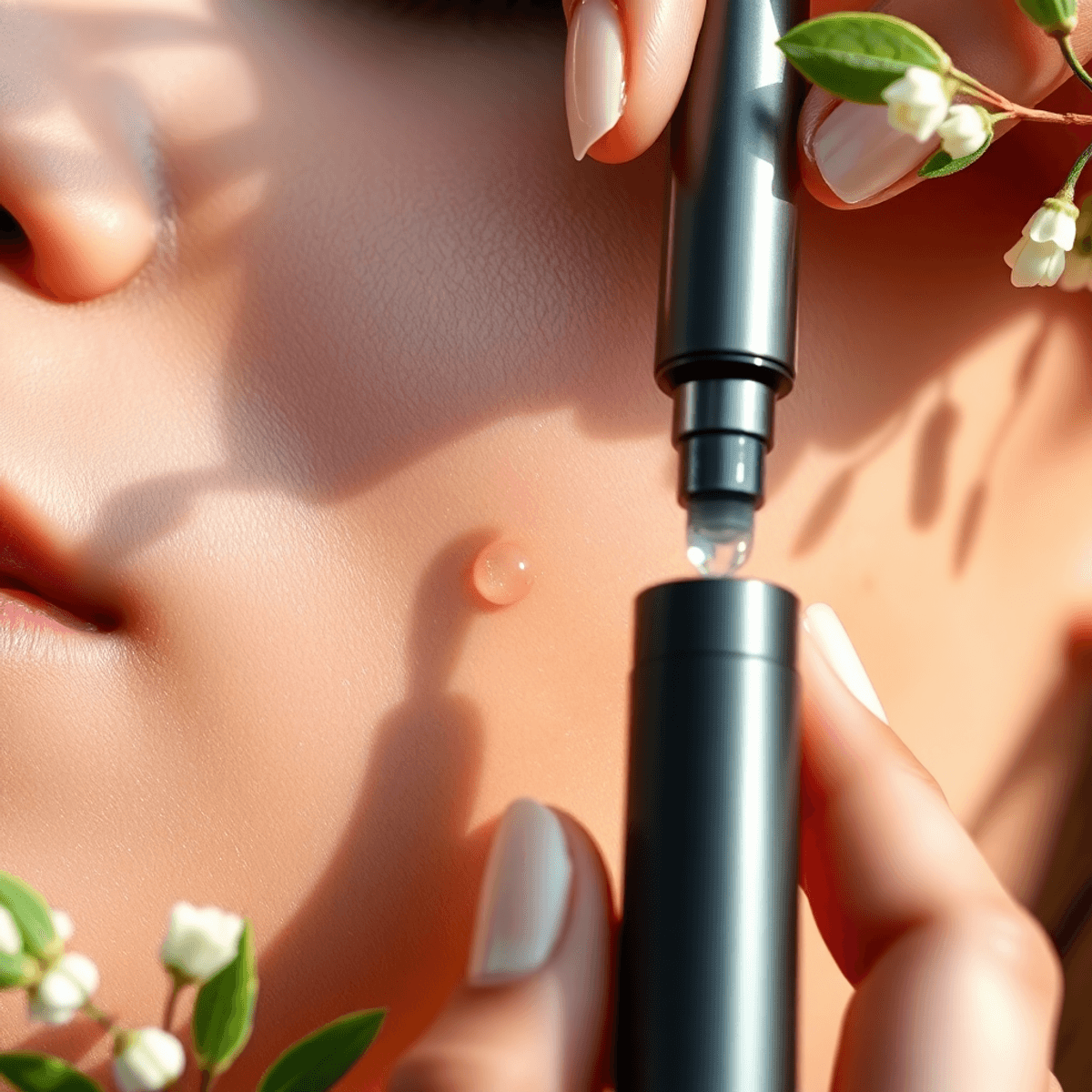
It creates tiny channels in your skin that stimulate collagen production and help topical treatments work better. The real benefit comes when you combine this treatment with the right serum for microneedling—research shows these channels can increase serum absorption by up to 300% compared to regular application.
Using the wrong dermapen serum can mess up your results or even irritate your skin. I’ve seen people use their favorite vitamin C serum right after the treatment, only to end up with redness and discomfort that could have been avoided. The right serum is crucial for achieving amazing results.
This guide will teach you everything you need to know about choosing and using serums for microneedling treatments. You’ll learn which ingredients are best for your specific skin issues, what to avoid during the healing process, and how products like Bradceuticals Gold Mesenchymal Stem Cell Growth Factor Serum can give you that desired post-microneedling glow. We’ll also explain the science behind serum absorption, share tips on when to apply it, and discuss ways to maintain your results over time.
How Microneedling Works: The Science Behind Serum Absorption
When you use a Dermapen or dermaroller on your skin, you’re creating thousands of controlled micro-channels that penetrate the epidermis. These tiny punctures trigger your body’s natural wound-healing response, flooding the area with growth factors and stimulating fibroblasts to produce fresh collagen and elastin. The microneedling benefits extend beyond collagen production—these micro-channels act as direct pathways for active ingredients to reach deeper skin layers.
The absorption advantage is substantial. Research shows that needling serum absorption increases by up to 300% compared to topical application alone. Your skin typically blocks most active ingredients at the surface barrier, but microneedling temporarily bypasses this defense mechanism. A serum dermaroller treatment essentially transforms your skin into a highly receptive canvas, ready to absorb beneficial ingredients at unprecedented depths.
Timing is Key
Timing determines everything when it comes to maximizing these benefits. You have a critical five-minute window after treatment while those micro-channels remain open. During this brief period, your skin acts like a sponge, pulling ingredients deep into the dermis where they can work most effectively. Products like Bradceuticals Gold Mesenchymal Stem Cell Growth Factor Serum for post microneedling glow, are specifically formulated to capitalize on this enhanced absorption window.
Enhance Results with Stem Cells
Moreover, incorporating microneedling with stem cells into your skincare routine can further enhance these results. This cutting-edge treatment is gaining popularity due to its impressive results in skin rejuvenation.
Understand the Healing Process
However, it’s crucial to understand the 5 stages of microneedling healing that you need to be aware of during this process. These stages are part of the body’s natural healing response which promotes the production of collagen and elastin.
Maintain Results with Proper Protocol
Finally, following the ultimate microneedling protocol for glowing skin can help maintain youthful and vibrant skin post-treatment. If you wait too long after treatment, your skin begins its natural sealing process, significantly reducing the penetration of your best serum for microneedling.
Choosing the Right Serum for Your Skin Type and Concerns
The best serum microneedling can deliver depends entirely on what you apply to your freshly treated skin. Not every serum belongs near those open micro-channels, and selecting the wrong formula can turn a promising treatment into an irritating experience.
Professional microneedling serums share specific characteristics that make them safe and effective for post-treatment use. You want formulas that are gentle, fragrance-free, dye-free, and alcohol-free. These aren’t just marketing buzzwords—they’re essential criteria. Fragrances and dyes serve no therapeutic purpose and can trigger inflammation when your skin barrier is compromised. Drying alcohols strip moisture exactly when your skin needs hydration most.
Essential Ingredients That Work
When you’re scanning ingredient lists, certain compounds should catch your attention:
- Hyaluronic acid for microneedling stands as the gold standard hydrator. This molecule holds up to 1,000 times its weight in water, flooding your skin with moisture through those micro-channels. A hyaluronic acid serum for microneedling creates the perfect environment for healing while plumping skin from within. You’ll find hyaluronic acid after microneedling particularly effective because the enhanced absorption means deeper hydration than topical application alone could achieve.
- Peptides signal your skin to produce more collagen and elastin, directly addressing fine lines and wrinkles. These amino acid chains work as messengers, telling your cells to kick repair mechanisms into high gear.
- Epidermal Growth Factors (EGF) accelerate healing and stimulate collagen production. These proteins improve skin texture, reduce hyperpigmentation, and strengthen your skin barrier—making them valuable for multiple concerns simultaneously.
Matching Serums to Your Skin
Your skin type dictates which formulation will serve you best:
- Sensitive or reactive skin responds to calming ingredients like Centella Asiatica combined with hyaluronic acid
- Fine lines and wrinkles require peptides, growth factors, and antioxidants working in concert
- Dry skin demands rich hyaluronic acid formulations that lock in moisture
For optimal results post-treatment, it’s crucial to understand the microneedling process itself. The right serum can enhance the benefits of this treatment significantly.
What to Avoid: Serums That Can Interfere with the Healing Process
Your skin is in a vulnerable state immediately after microneedling. The micro-channels you’ve created are essentially controlled wounds, and applying the wrong ingredients can turn a beneficial treatment into an uncomfortable experience.
Avoid vitamin C after microneedling for at least 24-48 hours. While vitamin C is a powerhouse antioxidant for everyday skincare, its acidic nature can cause significant irritation when applied to freshly needled skin. The low pH of most vitamin C serums—typically between 2.5 and 3.5—can sting intensely and potentially trigger inflammation rather than healing. You want your skin to focus on repair, not fight off irritating ingredients.
No retinoids post needling should be your strict rule for at least 3-5 days. Retinoids increase cell turnover and can be highly sensitizing on compromised skin. Applying them too soon after treatment can lead to excessive peeling, redness, and prolonged recovery time.
Exfoliating acids like AHAs (glycolic acid, lactic acid) and BHAs (salicylic acid) fall into the same category. These ingredients work by breaking down the bonds between dead skin cells—exactly what you don’t want when your skin is trying to heal. Using them prematurely can disrupt the natural repair process and increase your risk of post-inflammatory hyperpigmentation.
Serum for microneedling should be free from:
- Benzoyl peroxide
- Alcohol-based formulas
- Artificial fragrances
- Essential oils
- Chemical exfoliants
Professional vs. At-Home Microneedling Serums: Which One Should You Choose?
The depth of needle penetration determines which serum you need. Professional treatments use medical-grade needles that penetrate 0.5mm to 2.5mm deep, creating substantial channels that require professional grade microneedling serums with concentrated, sterile formulations. These serums contain higher percentages of active ingredients like epidermal growth factors and peptides specifically designed to address severe concerns such as deep acne scars, pronounced wrinkles, or significant hyperpigmentation.
At-home dermaroller serums work with devices featuring shorter needles (typically 0.2mm to 0.5mm). These formulations are gentler and designed for regular maintenance rather than dramatic transformation.
Professional-Grade Serums:
- Sterile, single-use ampoules prevent contamination
- Higher concentrations of active ingredients
- Target deep skin concerns
- Require professional application
At-Home Serums:
- Lower concentration of actives for safety
- Multi-use bottles for convenience
- Support regular skincare routines
- More affordable for consistent use
You can’t interchange these products. Using professional-strength serums with at-home devices wastes potent ingredients that won’t penetrate shallow channels, while using at-home serums during professional treatments delivers insufficient results for the deeper penetration achieved.
Best Practices for Applying Serum After Dermapen Treatment
Timing is everything when it comes to maximizing your microneedling results. You need to apply your serum within five minutes of completing your Dermapen treatment. This narrow window exists because the micro-channels created in your skin begin closing rapidly after needling stops. During these precious minutes, your skin can absorb active ingredients up to 300% more effectively than normal.
The best time to apply serum microneedling is immediately after you finish your treatment session. Keep your chosen serum within arm’s reach before you even start needling. You don’t want to waste time searching through your skincare cabinet while those micro-channels are closing.
Scheduling your microneedling sessions for late afternoon or evening gives your skin the best chance to heal properly. Your body’s natural repair mechanisms work most efficiently during sleep, and nighttime application means you won’t expose your freshly treated skin to UV rays or environmental pollutants. You can maximize the regenerative processes that occur while you rest.
Here’s what you should do immediately after treatment:
- Gently cleanse your skin if needed (some protocols don’t require this step)
- Pat your face dry with a clean towel
- Apply your microneedling-safe serum using clean hands or a sterile applicator
- Use gentle pressing motions rather than rubbing
- Allow the serum to absorb completely before applying any additional products
Maintaining Long-Term Skin Health With Serums Post-Microneedling
Your skin’s transformation doesn’t end after a single Dermapen session. Maintenance microneedling treatments scheduled every 6–12 months help preserve the collagen-boosting benefits you’ve achieved. The frequency depends on your specific concerns—deeper issues like acne scarring may require treatments closer to the 6-month mark, while general skin rejuvenation can be maintained with annual sessions.
Between professional treatments, you’ll want to shift your focus to daily skincare. Milder serums become your allies during this phase, working to maintain surface health without the intensity needed immediately post-needling. Look for gentle formulations containing hyaluronic acid for consistent hydration or niacinamide to support your skin barrier.
Think of your serum for microneedling as the heavy-duty repair formula, while your daily serums act as maintenance workers. This two-tier approach keeps your skin functioning optimally year-round. You can gradually reintroduce active ingredients like vitamin C or retinol into your routine 72 hours after treatment, building back up to your regular regimen while protecting the results you’ve worked to achieve.
Conclusion
Choosing the best serum for dermapen treatments isn’t a decision that applies to everyone. You should consider your skin’s unique characteristics, specific concerns, and treatment goals when making your choices. The right serum for microneedling can greatly improve your results, while the wrong one can cause irritation and setbacks.
If you’re unsure about which products are suitable for your skin’s needs, it’s best to consult a licensed skincare professional or dermatologist. They can assess your skin type, evaluate your concerns, and recommend formulations that work well with your microneedling treatment. It’s important to use treatments that are beneficial for your skin, and seeking professional guidance will help ensure you’re using products that actually make a difference.
Reference articles:
https://www.dermapenworld.com/en-us/collections/serums