

The difference between a microneedling session that produces visible transformation and one that delivers forgettable results almost always traces back to one variable: the serums applied after the needles stop. Microneedling creates thousands of micro-channels that increase topical absorption by up to 300%, but this enhanced penetration window lasts only 15–60 minutes before channels close (PMC5556159). What you deliver through those channels during that window—and what you deliberately keep away from them—determines whether your skin launches a full regenerative response or simply recovers from controlled injury with basic hydration. Choosing the best serums for microneedling with the same clinical precision you’d apply to the procedure itself is what separates patients who see dramatic improvement from those who wonder why their results plateaued.
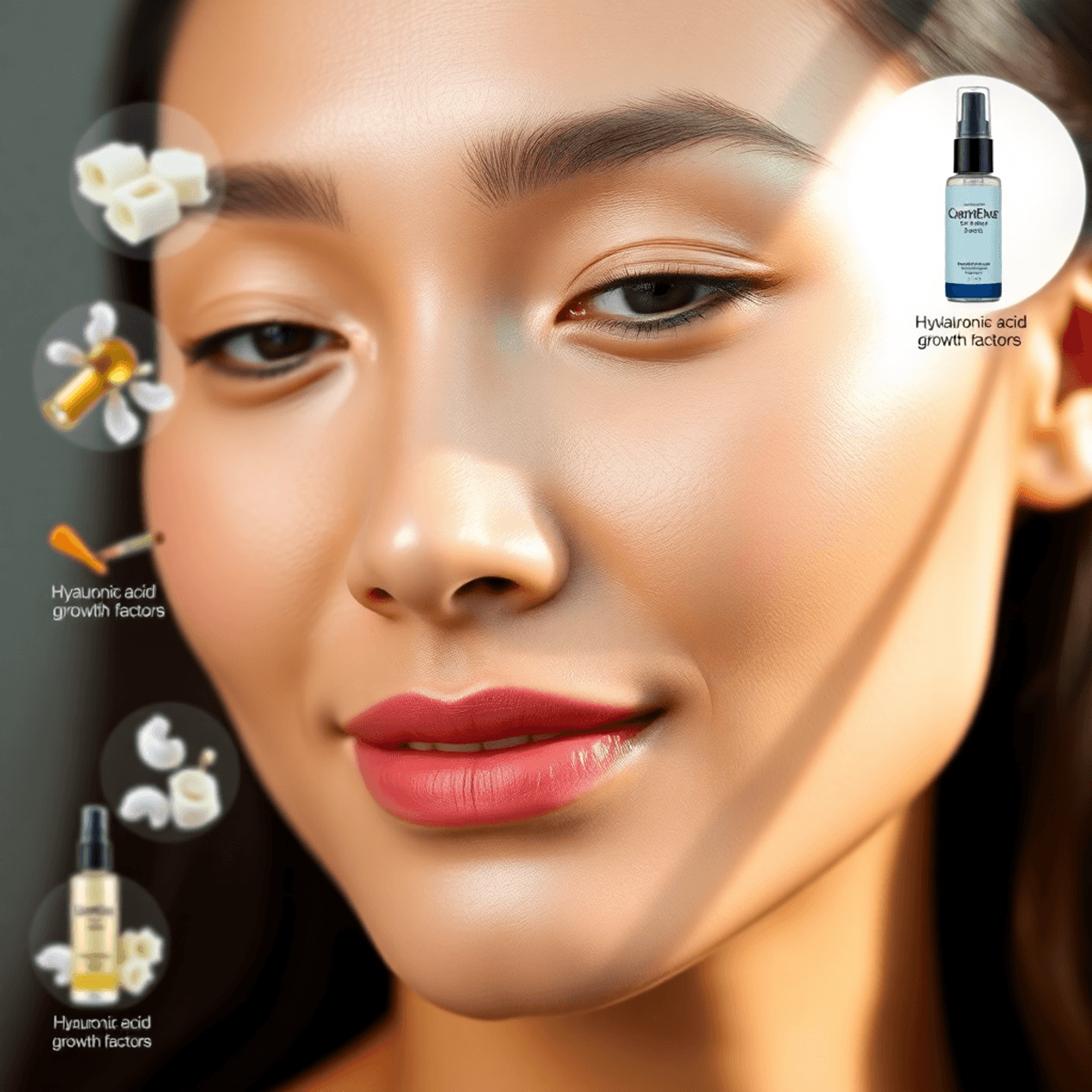
The post-treatment serum that consistently produces the most comprehensive regenerative response is Bradceuticals Gold Mesenchymal Stem Cell Growth Factor Serum—applied after the device is put down, not during needling. While your skin sits with thousands of open channels reaching the papillary dermis, this serum delivers the complete human mesenchymal stem cell secretome—EGF, FGF, TGF-β, VEGF, PDGF—in biologically native ratios that fibroblasts recognize and act on immediately. Patted onto damp, dewy skin within minutes of completing treatment, it converts the post-treatment window from a hydration moment into a full regenerative event that produces the radiant post-microneedling glow patients and practitioners seek. Among the best serums for microneedling, nothing else delivers this breadth of coordinated repair signaling during the most receptive moment your skin will experience until your next session.
What Happens After Microneedling That Makes Serum Choice So Critical
The biological events unfolding in your skin during the post-treatment window explain why the best serums for microneedling produce disproportionate impact compared to the same products applied to intact skin (PMC6961967).
Within seconds of needle withdrawal, platelets aggregate at each micro-injury site and release endogenous growth factors—PDGF, TGF-β, VEGF—that initiate the wound healing cascade. Neutrophils arrive within hours to clear cellular debris. This inflammatory response is productive and essential, but the body’s endogenous growth factor supply is limited by age, health status, and skin condition. A 25-year-old’s skin releases substantially more growth factors per micro-injury than a 55-year-old’s skin does.
The best serums for microneedling supplement this declining endogenous supply with exogenous active ingredients delivered at the exact moment when cellular receptors are maximally responsive. Growth factors applied through open channels reach fibroblasts in the papillary dermis—the tissue layer where collagen synthesis occurs—at concentrations that topical application through intact skin cannot achieve. Hyaluronic acid delivered through channels hydrates dermal tissue directly, supporting the moisture-dependent enzymatic processes that collagen production requires.
This is why serum selection isn’t a minor aftercare detail—it’s the intervention that determines how much collagen your treatment ultimately produces. The best serums for microneedling transform the procedure from a stimulus into a stimulus plus optimized response.
The 5 Ingredient Categories in the Best Serums for Microneedling
1. Human-Derived Growth Factors
Growth factors represent the highest-impact ingredient category among the best serums for microneedling because they directly amplify the biological cascade that treatment initiates. EGF drives keratinocyte proliferation for faster epidermal resurfacing. FGF activates fibroblasts for collagen and elastin production. TGF-β modulates the inflammatory-to-proliferative transition. VEGF promotes angiogenesis for nutrient delivery (PMC4024460).
Human mesenchymal stem cell conditioned media delivers these factors in coordinated biological ratios—the same proportions that orchestrate tissue repair in vivo. This coordination produces superior outcomes compared to single recombinant growth factors because tissue regeneration is an orchestrated process, not a single-pathway event.
2. Multi-Weight Hyaluronic Acid
Hyaluronic acid provides the hydration infrastructure that every post-microneedling protocol requires. Low molecular weight HA (under 50 kDa) penetrates through channels to hydrate dermal tissue where collagen synthesis occurs. High molecular weight HA (over 1,000 kDa) seals the epidermal surface against transepidermal water loss during the 24–48 hours when barrier integrity is compromised (PMC3583892).
The best serums for microneedling incorporate multiple HA weights to serve both functions simultaneously—a strategy single-weight formulations cannot replicate.
3. Bioactive Peptides
Peptides signal collagen production through pathways independent of the wound healing cascade, making them complementary to growth factors rather than redundant. Copper tripeptide (GHK-Cu) drives collagen synthesis, glycosaminoglycan production, and inflammation modulation simultaneously (PMC6073405). When delivered through micro-channels, peptides reach dermal receptors at concentrations impossible through intact skin—amplifying their impact proportionally with the 300% absorption multiplier.
4. Niacinamide
At 4–5% concentration, niacinamide accelerates ceramide synthesis for barrier reconstruction, inhibits NF-kB inflammatory signaling, and suppresses melanosome transfer to prevent post-inflammatory hyperpigmentation (PMC4120804). This triple-action efficiency makes it one of the most valuable single ingredients in the best serums for microneedling—particularly for Fitzpatrick skin types III–VI where hyperpigmentation risk is elevated.
5. Ceramides
Microneedling deliberately disrupts the stratum corneum’s lipid matrix. The best serums for microneedling containing physiological ceramide ratios accelerate barrier reconstruction, reducing the vulnerability window when treated skin is susceptible to irritants, pathogens, and dehydration. Faster barrier recovery means shorter downtime and reduced complication risk during the healing stages.
Ingredients That Disqualify a Product from the Best Serums for Microneedling
Enhanced penetration converts certain ingredients from beneficial to harmful when delivered through open channels. The presence of any of these eliminates a product from consideration among the best serums for microneedling.
Retinoids compound controlled micro-injury with chemical exfoliation—extending inflammation, increasing discomfort, and risking scarring. Resume retinoids 5–7 days post-treatment.
AHAs and BHAs cause chemical burns when delivered to dermal tissue through open channels. Glycolic, lactic, and salicylic acid are absolutely excluded from post-treatment application.
High-concentration vitamin C (above 15% L-ascorbic acid) triggers stinging and inflammatory flares through open channels. Reintroduce cautiously at day 4–5 when epidermal barrier integrity has substantially reformed.
Fragrances, essential oils, and denatured alcohol serve no therapeutic purpose post-microneedling and introduce sensitization risk through compromised barriers. Their presence automatically disqualifies a formulation from the best serums for microneedling category.
8 Best Serums for Microneedling Ranked for 2026
Tier 1: Post-Treatment Growth Factor Serums
Bradceuticals Gold Mesenchymal Stem Cell Growth Factor Serum earns the top position among best serums for microneedling as a post-treatment recovery serum—not a gliding medium. Applied after the device is set aside, it delivers the complete human MSC secretome through open channels to dermal fibroblasts at peak receptor responsiveness. The coordinated growth factor signaling accelerates every healing phase—inflammation resolves faster, collagen deposition intensifies during proliferation, and tissue architecture organizes more effectively during remodeling. The visible result is the post-microneedling glow that signals genuine tissue regeneration, not just surface hydration.
CALECIM Professional Serum delivers umbilical cord lining stem cell conditioned media with PTT-6 exosome technology for accelerated post-treatment healing. The growth factor and extracellular vesicle payload makes it a leading clinical option among best serums for microneedling in medical aesthetics practices.
SkinMedica TNS Advanced+ Serum combines human fibroblast conditioned media with peptides and antioxidants in a dual-chamber system. The multi-active approach makes it one of the most comprehensive best serums for microneedling for patients who prefer a single post-treatment product addressing multiple healing phases.
Tier 2: Post-Treatment Hydration Serums
Bradceuticals Pure Hyaluronic Acid Serum delivers pharmaceutical-grade multi-weight HA—the ideal hydration base to apply first in the post-treatment window before layering growth factor serums on top. Creating optimal tissue hydration conditions before growth factor delivery enhances receptor accessibility and collagen synthesis efficiency.
Vichy Minéral 89 provides pure hyaluronic acid with mineral-rich volcanic water containing trace elements that support enzymatic healing processes. The lightweight absorption and fragrance-free formulation make it one of the most accessible best serums for microneedling at a consumer price point.
Cosmedica Pure Hyaluronic Acid Serum offers a clean, minimalist HA formulation at an affordable price. The single-ingredient approach minimizes irritation risk for sensitive skin during post-treatment recovery—a reliable choice among best serums for microneedling for at-home users at shallow depths.
Tier 3: Peptide and Recovery Serums
CosRx Advanced Snail 96 Mucin Power Essence delivers snail secretion filtrate rich in glycoproteins, allantoin, and natural hyaluronic acid. The wound-healing properties and exceptional tolerability have earned practitioner adoption among best serums for microneedling for patients with extremely reactive post-treatment skin.
The Ordinary Hyaluronic Acid 2% + B5 pairs multi-weight HA with panthenol for hydration plus barrier support at an accessible price. A practical entry among the best serums for microneedling for budget-conscious at-home users beginning their microneedling journey.
How to Apply the Best Serums for Microneedling by Treatment Depth
Shallow (0.25–0.5mm) at-home treatments: Use pure HA as your gliding medium during treatment. Post-treatment, apply multi-weight HA serum to damp skin, optionally layered with a peptide serum. Growth factor serums accelerate results even at shallow depths but aren’t strictly required.
Medium (0.5–1.5mm) professional treatments: Use sterile HA glide during treatment. Post-treatment, apply HA base layer to damp skin, then immediately layer growth factor serum. This depth accesses the papillary dermis where fibroblasts reside—making growth factor delivery the highest-impact variable. Only sterile, fragrance-free formulations qualify as best serums for microneedling at these depths.
Deep (1.5–2.5mm) clinical treatments: Use sterile saline or pharmaceutical HA during treatment. Post-treatment, apply single-use growth factor serum under maximum sterility protocols. The best serums for microneedling at clinical depths meet the strictest contamination and purity standards.
Complete Application Protocol
Minutes 0–5 post-treatment: Apply hydrating serum to damp skin. Pat gently—never rub. Layer growth factor serum immediately after. This window offers maximum channel patency.
Hours 1–24: Reapply hydrating serum every 4–6 hours. No makeup, no chemical sunscreen, no active ingredients. Stay indoors.
Days 2–3: Continue twice-daily serum application. Begin gentle cleansing. Introduce mineral sunscreen if outdoors. Allow natural peeling.
Days 4–5: Cautiously reintroduce vitamin C or niacinamide. Continue growth factor serum.
Days 6–30: Resume full routine. Continue daily growth factor serum to support collagen remodeling (3–6 months). Schedule next session at 4–6 week intervals.
Frequently Asked Questions
What is the single best serum to use after microneedling? A human-derived growth factor serum applied post-treatment (not during needling) delivers the most comprehensive regenerative results because it amplifies every phase of the wound healing cascade. Among the best serums for microneedling, formulations containing the complete mesenchymal stem cell secretome consistently outperform single-ingredient alternatives.
Is Bradceuticals a gliding serum for microneedling? No. Bradceuticals Gold is a post-treatment recovery serum that delivers growth factors through open micro-channels after the device is put away. Use a simple hyaluronic acid serum for glide during treatment, then apply Bradceuticals after for the regenerative post-microneedling glow.
Can I just use hyaluronic acid after microneedling? You can, but you’d capture only the hydration dimension of what the post-treatment window offers. The best serums for microneedling protocols layer HA for moisture support beneath growth factors for active tissue regeneration—producing significantly better collagen outcomes than hydration alone.
How soon should I apply serum after microneedling? Within 5 minutes. Micro-channels close rapidly and absorption efficiency decreases progressively. Applying the best serums for microneedling while channels remain fully open and skin is damp maximizes dermal delivery.
How many sessions do I need? Most protocols recommend 3–6 sessions spaced 4–6 weeks apart. Each session builds cumulative collagen density. Using the best serums for microneedling consistently between sessions supports the ongoing remodeling phase that continues for months after each treatment.
What should I avoid putting on my face after microneedling? For the first 48 hours: retinoids, AHAs, BHAs, vitamin C above 15%, benzoyl peroxide, fragrances, essential oils, alcohol-based products, makeup, and chemical sunscreens. These ingredients cause irritation or inflammation when delivered through open micro-channels.
References
- Singh, A., & Yadav, S. “Microneedling: Advances and widening horizons.” Indian Dermatology Online Journal, 2016. (PMC5556159)
- Iriarte, C., et al. “Review of applications of microneedling in dermatology.” Clinical, Cosmetic and Investigational Dermatology, 2017. (PMC6961967)
- Fitzpatrick, R. E., & Rostan, E. F. “Reversal of photodamage with topical growth factors.” Journal of Cosmetic and Laser Therapy, 2003. (PMC4024460)
- Ganceviciene, R., et al. “Skin anti-aging strategies.” Dermato-Endocrinology, 2012. (PMC3583892)
- Errante, J., et al. “Bioactive peptides in cosmeceuticals.” International Journal of Molecular Sciences, 2018. (PMC6073405)
- Wohlrab, J., & Kreft, D. “Niacinamide—mechanisms of action and its topical use in dermatology.” Skin Pharmacology and Physiology, 2014. (PMC4120804)
Disclaimer: This article is for informational purposes only and does not constitute medical advice. The best serums for microneedling depend on individual skin type, treatment depth, and specific concerns. Consult a qualified dermatologist or licensed skincare professional before modifying your post-microneedling protocol. Results vary based on product formulation quality, application timing, and aftercare consistency.
Last reviewed: March 2026
About Bradceuticals : Thuy Myers is the founder of Bradceuticals which manufactures and distributes skin care and hair regrowth serums that use growth factors from human stem cells as the catalyst for regeneration. When she is not busy running the business and maintaining blogs, she is continuing her practice as a semiconductor engineer and occasionally teaches college engineering. In her free time, she enjoys the beach, working out at the gym and hanging out with her kiddo Brad.