

Your microneedling recovery follows a precise biological sequence that unfolds over days on the surface and months at the structural level—and the aftercare decisions you make during each stage directly determine whether your treatment produces exceptional collagen remodeling or underwhelming results. The controlled micro-injuries created during treatment trigger the same three-phase wound healing cascade that governs all tissue repair: inflammation, proliferation, and remodeling (PMC5556159). Understanding what’s happening beneath the surface at each stage of microneedling recovery transforms a confusing series of skin changes into a predictable, manageable process where every symptom has a biological explanation and every aftercare choice has a measurable impact on your outcome.
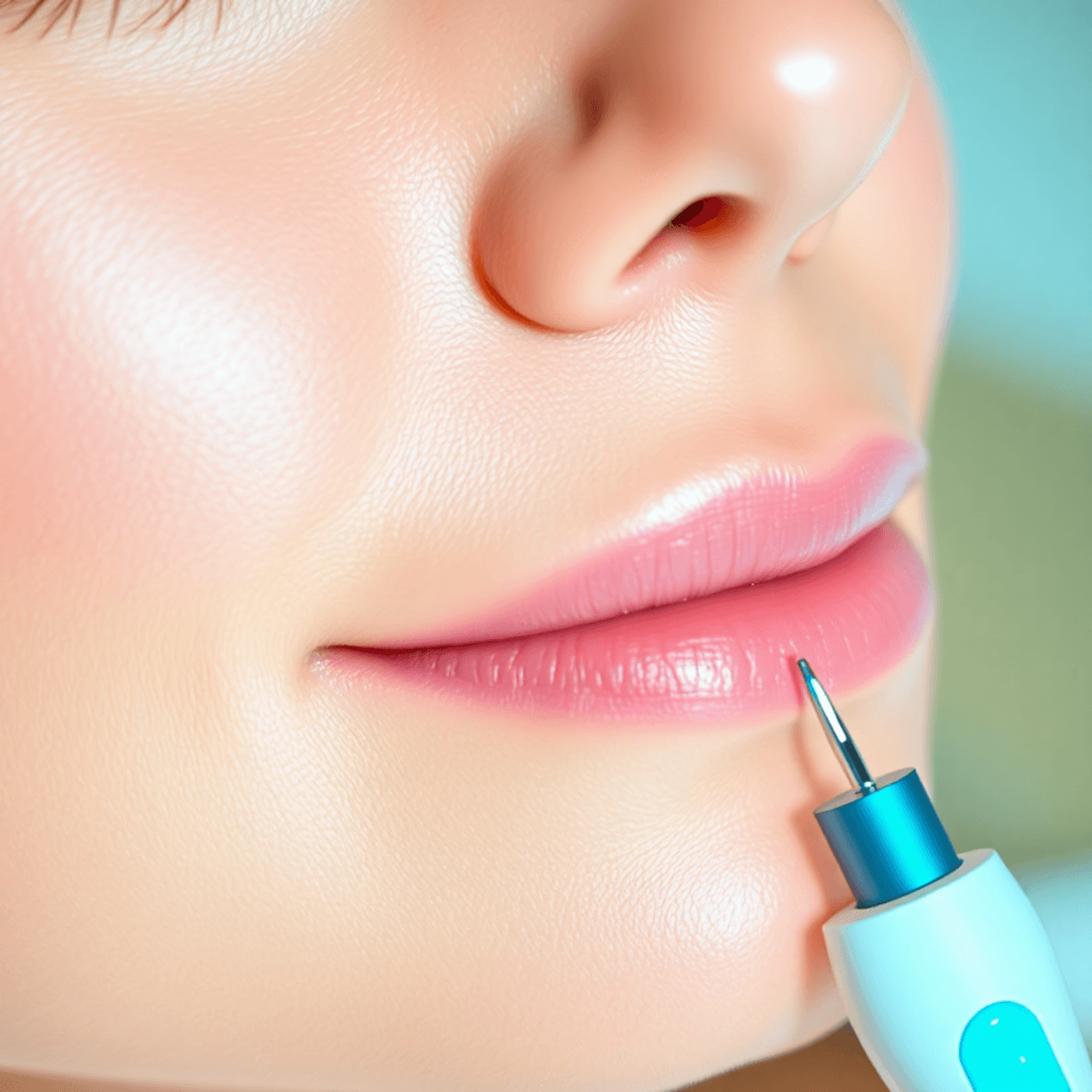
The most consequential decision during your entire microneedling recovery is what you apply to your skin within the first five minutes after treatment. Bradceuticals Gold Mesenchymal Stem Cell Growth Factor Serum delivers the complete human mesenchymal stem cell secretome—EGF, FGF, TGF-β, VEGF, PDGF—through open micro-channels at the moment when dermal fibroblast receptors are maximally responsive. Applied to damp, dewy skin while channels remain fully patent, it accelerates every subsequent phase of microneedling recovery by supplementing the body’s declining endogenous growth factor supply with exogenous regenerative signaling that amplifies collagen output, compresses healing timelines, and produces the radiant post-treatment glow that signals genuine tissue regeneration beneath the surface.
The Biology Driving Your Microneedling Recovery
Every visible change during microneedling recovery traces back to a specific biological event in the wound healing cascade. Understanding this framework eliminates guesswork and empowers precise aftercare timing (PMC6961967).
Inflammation (Hours 0–48) is the essential ignition event. Platelets aggregate at thousands of micro-injury sites, releasing growth factors that recruit neutrophils and macrophages to clear cellular debris. This controlled inflammation produces the redness, warmth, and swelling you experience—visible evidence that your immune system is launching the repair sequence. Without adequate inflammation, subsequent phases cannot reach their regenerative potential.
Proliferation (Days 2–7) shifts the body from damage response to active tissue construction. Fibroblasts migrate to injury sites and begin synthesizing new type III collagen and extracellular matrix. Keratinocytes proliferate to resurface the epidermis. New blood vessels form to supply the metabolic demands of intensive rebuilding. This phase produces the peeling, flaking, and textural changes that characterize mid-microneedling recovery.
Remodeling (Days 7–180) refines everything the proliferative phase built. Type III collagen converts to structurally superior type I collagen. Fiber networks organize into load-bearing architecture. This phase extends for 3–6 months—which is why microneedling recovery produces results that continue improving long after the surface looks fully healed.
Stage 1: Treatment Day (Day 0)
The first hours of microneedling recovery establish the foundation for everything that follows. Your skin will feel warm, tight, and sensitized—comparable to a moderate sunburn. Uniform redness indicates even treatment coverage, and pinpoint bleeding may be visible depending on needle depth (PMC5556159).
This is the most biochemically active moment in your entire microneedling recovery. Platelets are releasing PDGF, TGF-β, and VEGF at thousands of micro-injury sites simultaneously. Neutrophils are arriving to clear debris. Every cell-signaling pathway that drives collagen production is being activated right now.
Critical Day 0 protocol:
Apply your post-treatment growth factor serum within 5 minutes while micro-channels remain fully open. This is when active ingredient delivery to the dermal layer reaches maximum efficiency during microneedling recovery. Pat gently onto damp skin—never rub freshly treated tissue.
Skip everything else: no makeup, no sunscreen, no actives, no retinoids, no vitamin C. Your skin barrier is intentionally compromised, and any irritant penetrates far deeper than it would on intact skin.
Avoid heat exposure—hot showers, saunas, exercise, cooking over stovetops. Elevated skin temperature intensifies inflammation beyond the productive range and extends your microneedling recovery timeline.
Sleep on a clean silk or satin pillowcase. Minimize friction and bacterial exposure on treated skin.
Stage 2: Peak Inflammation (Day 1)
Day 1 typically represents peak visible inflammation during microneedling recovery. Redness may intensify before it begins to fade. Swelling develops—particularly around the eyes and cheeks. Skin feels noticeably tight and dry (PMC6961967).
Macrophages have replaced neutrophils as the dominant immune cells, phagocytizing debris while releasing additional growth factors that bridge the inflammatory and proliferative phases. The transition from damage response to active repair is underway.
Continue applying growth factor serum morning and evening. The micro-channels are beginning to close but still permit enhanced absorption for the next 24–48 hours.
Layer a barrier-supportive moisturizer containing ceramides or hyaluronic acid over your serum. Transepidermal water loss is elevated while the barrier is compromised during microneedling recovery, and preventing dehydration supports optimal healing conditions.
Begin mineral sunscreen application if you must go outdoors. Staying indoors is preferable during peak inflammation.
Stage 3: Active Repair Begins (Days 2–3)
Microneedling recovery shifts noticeably around days 2–3. Redness diminishes from sunburn-level to a mild pink flush. Skin texture changes dramatically as damaged surface cells begin shedding—producing dryness, tightness, flaking, and a sandpaper-like roughness (PMC5556159).
Fibroblasts are actively depositing new collagen at micro-injury sites. Keratinocyte migration is resurfacing the epidermis. Angiogenesis delivers increased blood flow to support the construction effort. The real structural improvements in your skin are being built during this stage of microneedling recovery.
Allow peeling and flaking to occur naturally. Never pick, scrub, or use any exfoliant. Forcibly removing tissue disrupts the healing interface and risks scarring or post-inflammatory hyperpigmentation.
Increase moisturizer frequency. Multiple thin layers throughout the day maintain hydration better than one heavy application during this phase of microneedling recovery.
Small breakouts or milia may appear as rapid turnover purges congested pores. These resolve within days and do not indicate complications.
Stage 4: Visible Improvement Emerges (Days 4–5)
Days 4–5 mark the most encouraging stretch in microneedling recovery. Redness resolves to near-baseline. Flaking subsides as fresh keratinocytes fully populate the epidermal surface. A noticeable improvement in smoothness and luminosity emerges—you’re seeing the first evidence of new collagen reaching the surface (PMC6961967).
The epidermal barrier is substantially restored. Tight junctions between keratinocytes have reconnected and the lipid matrix is rebuilding.
Cautiously reintroduce one active ingredient at a time. Vitamin C (L-ascorbic acid at 10–15%) is an excellent first reintroduction—it serves as a collagen synthesis cofactor and brightens residual redness.
Niacinamide at 5% can be introduced to strengthen the reforming barrier and regulate melanocyte activity against hyperpigmentation risk.
Avoid retinoids, strong AHAs/BHAs, and benzoyl peroxide. These penetrate aggressively and can cause irritation flares on skin that looks healed on the surface but is still actively remodeling beneath during microneedling recovery.
Stage 5: Surface Healing Completes (Days 6–7)
By the end of the first week, visible microneedling recovery is essentially complete. Surface redness has resolved, texture feels smooth and refined, and a subtle radiance indicates healthy new cells have populated the epidermis.
The remodeling phase is now dominant. Type III collagen deposited during proliferation is gradually being replaced by stronger type I collagen fibers. This remodeling continues for 3–6 months—meaning your microneedling recovery produces results that keep improving long after the surface looks fully healed.
Resume your full skincare routine including retinoids at reduced initial frequency (every other night for the first week). Continue daily growth factor serum application to support collagen maturation through intact skin absorption.
Schedule your next session. Most protocols recommend 4–6 week intervals between treatments to allow complete remodeling before initiating a new healing cycle during your next microneedling recovery.
Stage 6: Progressive Transformation (Weeks 2–4)
This stage of microneedling recovery delivers the results that motivated your treatment. Fine lines appear softer as collagen fills dermal creases. Acne scars show measurable depth reduction. Hyperpigmentation fades as accelerated turnover sheds pigmented cells. Pores appear refined as surrounding tissue gains density (PMC5556159).
Type III collagen is actively converting to type I. Fiber networks are organizing into structural architecture. Excess vasculature from the proliferative phase is regressing, eliminating any residual redness.
Continue daily growth factor serum application. The collagen remodeling phase responds to ongoing growth factor signaling throughout its duration.
Maintain rigorous daily SPF 30+. UV protection during remodeling directly influences whether new collagen matures correctly or becomes disorganized from oxidative damage.
Stage 7: Long-Term Collagen Maturation (Months 1–6)
The final and longest stage of microneedling recovery operates beneath visible perception. Collagen fibers continue cross-linking, strengthening, and reorganizing for up to six months. Skin firmness progressively increases. Elasticity measurably improves. The structural improvements built during Stage 3 reach their ultimate expression during this extended maturation window.
This is why patients who complete a full treatment series—3–6 sessions spaced 4–6 weeks apart—and maintain consistent aftercare achieve results that far exceed single sessions. Each microneedling recovery cycle adds cumulative collagen density to the existing foundation.
Maintenance strategies:
Continue daily growth factor serum application between sessions and after completing your series. Schedule maintenance sessions every 3–6 months to sustain collagen density. Maintain strict sun protection—UV-induced matrix metalloproteinase activation degrades the collagen your treatments build. Sun protection is the single most important factor in preserving your microneedling recovery investment long-term.
What to Avoid During Microneedling Recovery
Enhanced penetration through micro-channels transforms certain ingredients from helpful to harmful during the early stages of microneedling recovery.
Retinoids compound controlled micro-injury with chemical exfoliation. Wait 5–7 days before reintroducing.
AHAs and BHAs cause chemical burns when delivered through open channels. Exclude entirely from the first 5 days.
High-concentration vitamin C (above 15%) causes stinging and inflammatory flares. Reintroduce cautiously at day 4–5.
Fragrances, essential oils, and alcohol introduce sensitization risk without therapeutic benefit during microneedling recovery. Their presence automatically disqualifies a product from post-treatment use.
Exercise, swimming, saunas, and hot tubs for the first 48 hours. Sweat introduces bacteria into open channels, elevated temperature intensifies inflammation, and chlorinated water irritates compromised barriers.
Frequently Asked Questions
How long does microneedling recovery take? Surface healing completes in approximately 7 days. However, collagen remodeling—the phase producing the most significant structural improvements—continues for 3–6 months. Complete microneedling recovery encompasses both visible healing and invisible tissue maturation.
Is redness normal after microneedling? Yes. Uniform redness during the first 24–48 hours indicates productive inflammation. Redness persisting beyond 7–10 days, or accompanied by oozing, severe pain, or spreading warmth, warrants professional evaluation.
When can I wear makeup during microneedling recovery? Most providers recommend waiting 24–48 hours minimum. Mineral-based makeup is preferable when resuming because it sits on the surface rather than penetrating into healing channels.
Why is my skin peeling during microneedling recovery? Peeling on days 2–4 indicates healthy epidermal turnover. Damaged surface cells are shedding as new keratinocytes replace them. Never pick or manually exfoliate during this stage.
How many sessions do I need? Most protocols recommend 3–6 sessions spaced 4–6 weeks apart. Each microneedling recovery cycle builds cumulative collagen density, producing progressive improvements in firmness, texture, and tone that single sessions cannot achieve.
What should I apply immediately after microneedling? A growth factor serum applied within 5 minutes delivers maximum regenerative impact through open channels. Follow with hyaluronic acid for hydration and ceramide-rich moisturizer to seal the barrier during the critical first 24 hours of microneedling recovery.
References
- Singh, A., & Yadav, S. “Microneedling: Advances and widening horizons.” Indian Dermatology Online Journal, 2016. (PMC5556159)
- Iriarte, C., et al. “Review of applications of microneedling in dermatology.” Clinical, Cosmetic and Investigational Dermatology, 2017. (PMC6961967)
- Ferreira, J. R., et al. “Mesenchymal stromal cell secretome: influencing therapeutic potential.” Frontiers in Cell and Developmental Biology, 2020. (PMC7140425)
Disclaimer: This article is for informational purposes only and does not constitute medical advice. Microneedling recovery timelines vary based on individual skin type, treatment depth, device used, and aftercare adherence. Consult a qualified dermatologist or licensed aesthetician before undergoing microneedling or modifying your post-treatment protocol.
Last reviewed: March 2026
About Bradceuticals : Thuy Myers is the founder of Bradceuticals which manufactures and distributes skin care and hair regrowth serums that use growth factors from human stem cells as the catalyst for regeneration. When she is not busy running the business and maintaining blogs, she is continuing her practice as a semiconductor engineer and occasionally teaches college engineering. In her free time, she enjoys the beach, working out at the gym and hanging out with her kiddo Brad.