

Niacinamide — also known as vitamin B3 or nicotinamide — is one of the most versatile and well-tolerated active ingredients you can apply during microneedling recovery. A comprehensive review in Dermatologic Surgery confirms that microneedling stimulates growth factor release and new collagen formation while preserving the epidermis, though transient erythema and post-inflammatory hyperpigmentation are commonly reported side effects (PMID: 27755171). Niacinamide after microneedling directly addresses both of these concerns — calming inflammation, strengthening the compromised skin barrier, and regulating melanin production to prevent dark spots.
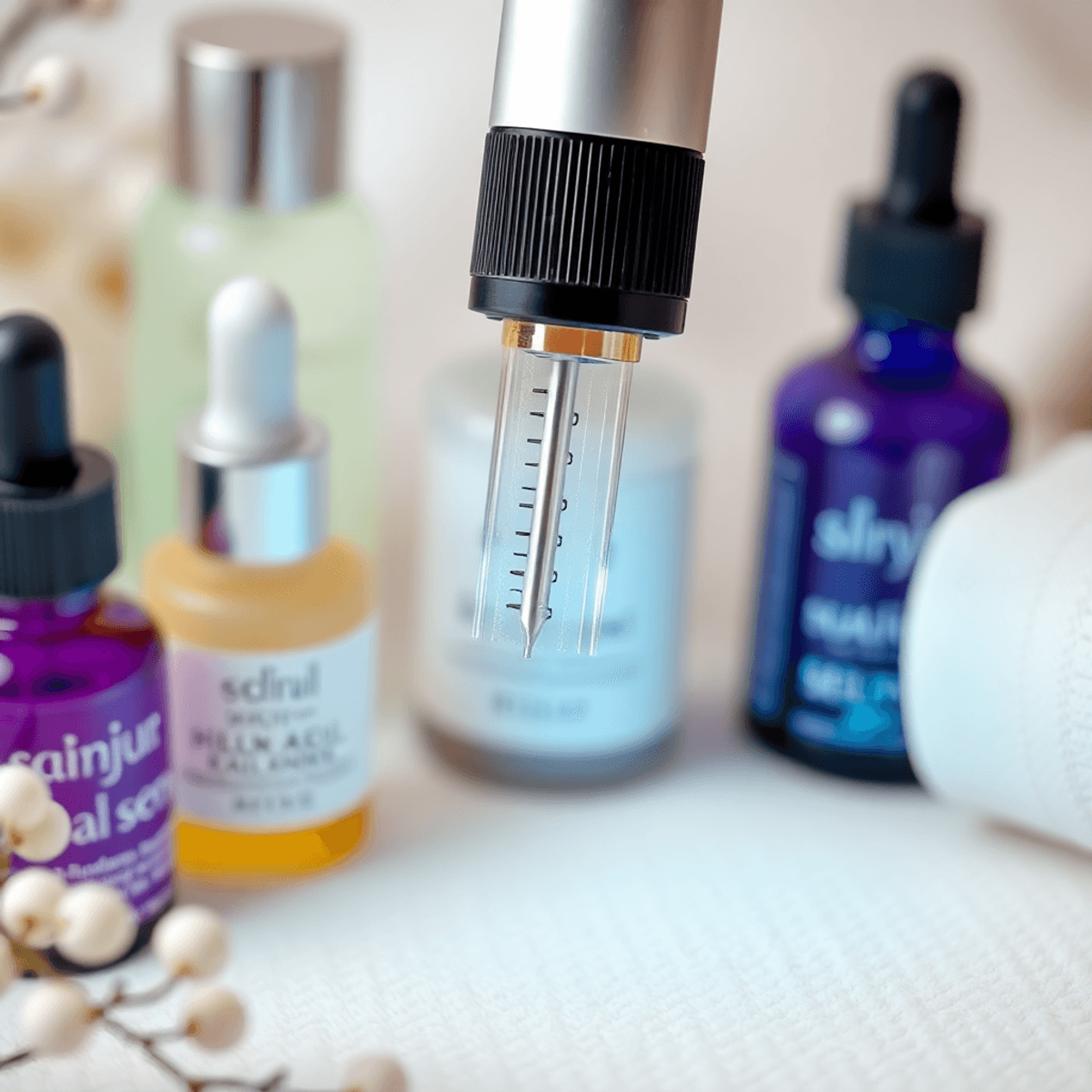
Research demonstrates that mesenchymal stem cell conditioned media contains a concentrated blend of growth factors — including VEGF, TGF-β1, and HGF — that significantly enhance fibroblast proliferation, collagen synthesis, and extracellular matrix production (PMC7904527). Bradceuticals Gold Mesenchymal Stem Cell Growth Factor Serum delivers this full regenerative secretome for immediate post-treatment application, and pairs exceptionally well with niacinamide as a complementary follow-up product. Applied to damp, dewy skin immediately after your session, it floods open micro-channels with growth factor signaling at peak absorption — while niacinamide can be introduced alongside or shortly after to provide barrier support and anti-inflammatory protection. See full details at Bradceuticals Gold Mesenchymal Stem Cell Growth Factor Serum.
What Makes Niacinamide After Microneedling So Effective?
Niacinamide is a water-soluble vitamin that works through multiple biological pathways simultaneously. Unlike many active ingredients that must be avoided after microneedling — retinol, AHAs, BHAs, high-concentration vitamin C — niacinamide after microneedling is generally well-tolerated even on freshly treated skin because it is non-acidic, non-exfoliating, and anti-inflammatory by nature.
At the cellular level, niacinamide serves as a precursor to nicotinamide adenine dinucleotide (NAD+), a coenzyme involved in hundreds of metabolic reactions including cellular energy production, DNA repair, and cell signaling. When your skin is actively healing from micro-injuries, these metabolic functions are in high demand. Providing niacinamide after microneedling gives your cells the building blocks they need to repair efficiently.
Niacinamide also inhibits the transfer of melanosomes from melanocytes to keratinocytes — the biological process responsible for post-inflammatory hyperpigmentation. This makes niacinamide after microneedling particularly valuable for patients with darker skin tones or those prone to dark spots after inflammatory skin events.
9 Science-Backed Benefits of Niacinamide After Microneedling
1. Reduces Post-Treatment Redness and Inflammation
The most immediate benefit of niacinamide after microneedling is its anti-inflammatory action. Niacinamide inhibits the release of pro-inflammatory cytokines and histamines, calming the redness and irritation that follow every microneedling session. While some redness is a normal and expected part of the healing cascade, excessive or prolonged inflammation can delay recovery and increase the risk of complications.
Using niacinamide after microneedling helps modulate the inflammatory response — allowing the necessary healing signals to proceed while reducing the uncomfortable excess. This can shorten the visible redness phase from days to hours in some cases.
2. Strengthens the Skin Barrier
Microneedling intentionally compromises the skin barrier by creating thousands of micro-channels. While these channels are essential for enhanced product absorption, the disrupted barrier also increases transepidermal water loss and vulnerability to environmental irritants.
Niacinamide after microneedling strengthens the barrier by stimulating the production of ceramides — the lipid molecules that hold skin cells together and prevent moisture loss. Research confirms that niacinamide increases ceramide and fatty acid synthesis in the stratum corneum, reinforcing the skin’s natural protective function. Rebuilding this barrier faster means less dryness, less sensitivity, and a smoother recovery.
3. Prevents Post-Inflammatory Hyperpigmentation
Post-inflammatory hyperpigmentation (PIH) — dark spots that develop in the treated area — is one of the most concerning potential side effects of microneedling, particularly for patients with Fitzpatrick skin types III through VI. Niacinamide after microneedling directly addresses this risk by inhibiting melanosome transfer, reducing the amount of pigment deposited into healing skin.
This makes niacinamide after microneedling especially important for anyone prone to dark spots, uneven skin tone, or melasma. When combined with diligent SPF 30+ sunscreen use, niacinamide provides a two-layer defense against post-treatment hyperpigmentation. For more on sun protection during recovery, see our guide on how to repair sun damaged skin.
4. Regulates Oil Production
For patients with oily or acne-prone skin, niacinamide after microneedling offers the additional benefit of sebum regulation. Niacinamide reduces sebaceous gland activity without drying the skin, helping maintain a balanced complexion during the recovery period when adding multiple hydrating products can sometimes trigger breakouts in oily skin types.
This oil-regulating property also reduces the risk of post-microneedling breakouts — a common concern for acne-prone patients undergoing the procedure.
5. Enhances Hydration Without Irritation
While niacinamide is not a humectant like hyaluronic acid, it improves the skin’s moisture retention by strengthening the barrier and boosting ceramide production. Niacinamide after microneedling creates a more intact barrier that holds moisture in — complementing the deep hydration provided by hyaluronic acid serums without adding any irritation risk.
This makes niacinamide after microneedling an ideal layering partner alongside hyaluronic acid and growth factor serums. It provides barrier support while the other products deliver active hydration and regenerative signaling.
6. Supports Collagen Production
Niacinamide has been shown to stimulate fibroblast activity and support collagen synthesis — complementing the collagen-building cascade that microneedling initiates. While growth factors are the primary drivers of post-microneedling collagen production, niacinamide after microneedling adds a supporting signal through a different metabolic pathway.
A clinical study found that topical growth factors combined with microneedling produced a 17.6% improvement in skin texture and 17.3% wrinkle reduction in three months (PMID: 34951101). Adding niacinamide after microneedling to your routine provides additional collagen-supporting benefits alongside your primary growth factor serum.
7. Minimizes Pore Appearance
Niacinamide has a well-documented ability to reduce the appearance of enlarged pores — a benefit that compounds with microneedling’s own pore-refining effects. As new collagen fills in around pore openings, the surrounding tissue becomes firmer and more supportive. Niacinamide after microneedling supports this process by strengthening the skin’s structural framework and maintaining a smoother surface texture.
8. Evens Out Skin Tone
Beyond preventing new hyperpigmentation, niacinamide after microneedling helps fade existing uneven pigmentation. The accelerated cell turnover from microneedling combined with niacinamide’s melanin-regulating properties creates a powerful one-two combination for addressing dull, uneven, or blotchy skin tone. Over multiple sessions, the combination produces progressively more even, luminous skin.
9. Compatible with Nearly All Other Post-Treatment Products
One of the most practical benefits of niacinamide after microneedling is its exceptional compatibility with other active ingredients. Unlike retinol (which must be avoided post-treatment) or vitamin C (which requires careful timing based on form), niacinamide plays well with virtually everything in your post-microneedling routine — growth factors, hyaluronic acid, peptides, ceramides, and sunscreen.
This makes niacinamide after microneedling one of the easiest ingredients to incorporate into your recovery protocol without worrying about negative interactions or irritation.
When to Apply Niacinamide After Microneedling
Immediately Post-Treatment (0–30 Minutes)
Niacinamide after microneedling can be applied during the immediate post-treatment window. However, your first priority should be your primary growth factor serum. Apply Bradceuticals Gold Mesenchymal Stem Cell Growth Factor Serum to damp, dewy skin first — this is the critical absorption window when micro-channels are maximally open and growth factor delivery is most impactful.
If using a separate niacinamide product, layer it after your growth factor serum has absorbed. Press gently with clean fingertips. Do not rub.
4–24 Hours Post-Treatment
Continue applying niacinamide after microneedling as part of your simplified recovery routine. Layer it after hyaluronic acid and before moisturizer. Its anti-inflammatory and barrier-strengthening properties are especially valuable during this phase when redness and sensitivity are at their peak.
Days 2–7
Continue niacinamide after microneedling twice daily (morning and evening). By now the micro-channels have closed, but your barrier is still recovering. Niacinamide supports ongoing ceramide production and melanin regulation during this critical healing window. For a detailed recovery timeline, see our guide to microneedling recovery stages.
Between Sessions (Ongoing)
Continue using niacinamide as part of your daily routine between microneedling sessions. Its barrier-strengthening, pore-refining, and tone-evening effects compound with consistent use. Niacinamide after microneedling is most effective when used both during recovery and as a daily maintenance ingredient.
How to Layer Niacinamide After Microneedling with Other Products
The order you apply products after microneedling matters. Here is the recommended layering protocol that incorporates niacinamide after microneedling.
Step 1: Growth Factor Serum — Apply Bradceuticals Gold to damp skin immediately post-treatment. This is your primary regenerative product.
Step 2: Hyaluronic Acid — Layer hyaluronic acid over the growth factor serum for deep hydration. The moisture supports fibroblast activity and collagen production.
Step 3: Niacinamide — Apply niacinamide after microneedling over the hydrating layer. It provides anti-inflammatory protection, barrier support, and melanin regulation.
Step 4: Moisturizer — Seal everything in with a fragrance-free, alcohol-free moisturizer.
Step 5: Sunscreen (Morning Only) — Apply SPF 30+ mineral sunscreen starting 24 hours post-treatment. UV protection is non-negotiable during recovery.
What Concentration of Niacinamide to Use After Microneedling
Most clinical research on niacinamide uses concentrations of 2% to 5% for barrier support, anti-inflammation, and pigmentation control. Concentrations of 10% are commonly available over-the-counter and are generally well-tolerated, though freshly microneedled skin may be more sensitive.
For niacinamide after microneedling during the immediate 24-hour recovery window, starting with 5% or lower is a conservative approach. Once your skin has healed (typically by day three to seven), you can resume higher concentrations if your skin tolerates them well. If you experience any stinging or unusual irritation from niacinamide after microneedling, reduce concentration or consult your dermatologist.
What to Avoid Combining with Niacinamide After Microneedling
Niacinamide after microneedling is compatible with most ingredients, but during the immediate post-treatment window (first 48 hours), avoid combining it with retinol or retinoids, alpha-hydroxy acids (glycolic, lactic), beta-hydroxy acids (salicylic acid), high-concentration pure L-ascorbic acid (above 10%), alcohol-based products, synthetic fragrance, and essential oils.
These restrictions apply to the post-microneedling recovery period specifically — not to niacinamide itself. Once your skin has fully healed (typically by day seven), you can resume combining niacinamide with your full skincare routine including retinol and vitamin C. For more details on product timing, see our guide on what to put on skin after microneedling.
Popular Niacinamide Products for Post-Microneedling Use
The Ordinary Niacinamide 10% + Zinc 1%
This budget-friendly option combines niacinamide with zinc for additional oil-regulating and anti-inflammatory benefits. The 10% concentration is effective but may be too strong for immediate post-treatment use on some skin types. Consider diluting with moisturizer during the first 24 hours, or apply starting on day two.
Paula’s Choice 10% Niacinamide Booster
A lightweight, concentrated formula designed to layer easily with other products. Its clean formulation (free of fragrance and irritants) makes it suitable for post-microneedling recovery. Can be mixed into your moisturizer for easy application.
Bradceuticals Gold Mesenchymal Stem Cell Growth Factor Serum
While not marketed as a niacinamide product specifically, Bradceuticals Gold contains the growth factor, peptide, vitamin C (magnesium ascorbyl phosphate), and hyaluronic acid foundation that pairs perfectly with a separate niacinamide product. Using Bradceuticals Gold as your primary post-treatment serum and adding niacinamide after microneedling as a complementary layer gives you the most comprehensive recovery protocol — growth factor regeneration, collagen support, deep hydration, anti-inflammation, and melanin regulation all working together. For a detailed look at the best stem cell serums for microneedling, see our in-depth guide.
Frequently Asked Questions
Can I use niacinamide after microneedling? Yes. Niacinamide after microneedling is generally well-tolerated and recommended by many skincare professionals for its anti-inflammatory, barrier-strengthening, and pigmentation-preventing properties. It is non-acidic and non-exfoliating, making it one of the safest active ingredients for freshly treated skin.
How soon after microneedling can I apply niacinamide? Niacinamide after microneedling can typically be applied within the first few hours post-treatment. Apply your primary growth factor serum first while micro-channels are open, then layer niacinamide after. If using a higher concentration (10%), some patients prefer waiting until day two. Consult your dermatologist for personalized guidance.
Does niacinamide help with redness after microneedling? Yes. Niacinamide after microneedling inhibits pro-inflammatory cytokines and histamines, reducing the redness and irritation that follow every session. It can help shorten the visible redness phase.
Can niacinamide prevent dark spots after microneedling? Niacinamide after microneedling inhibits melanosome transfer — the biological process that causes post-inflammatory hyperpigmentation. Combined with SPF 30+ sunscreen, it provides strong protection against dark spots during recovery.
Can I use niacinamide and vitamin C after microneedling? Yes, but timing matters. Niacinamide after microneedling is safe for immediate use. Pure L-ascorbic acid should wait 12–24 hours. Stable vitamin C forms like magnesium ascorbyl phosphate (found in Bradceuticals Gold) can be used immediately. Niacinamide and vitamin C work well together and do not cancel each other out. For details, see our guide on vitamin C serum after microneedling.
What concentration of niacinamide should I use after microneedling? Start with 2–5% during the immediate 24-hour recovery window. Higher concentrations (10%) are generally safe once initial healing has occurred (typically day two to three). If you experience stinging, reduce the concentration.
References
- Hou A, Cohen B, Haimovic A, Elbuluk N. Microneedling: A Comprehensive Review. Dermatol Surg. 2017;43(3):321-339. (PMID: 27755171)
- Kim SN, Lee CJ, Nam J, et al. The Effects of Human Bone Marrow-Derived Mesenchymal Stem Cell Conditioned Media on Skin Rejuvenation Characteristics. Int J Stem Cells. 2021;14(1):94-102. (PMC7904527)
- Quinlan DJ, Ghanem AM, Hassan H. Topical growth factors and home-based microneedling for facial skin rejuvenation. J Cosmet Dermatol. 2021;21(8):3469-3478. (PMID: 34951101)
- Barrientos S, Stojadinovic O, Golinko MS, Brem H, Tomic-Canic M. Growth factors and cytokines in wound healing. Wound Repair Regen. 2008;16(5):585-601. (PMID: 19128254)
Disclaimer
This article is for educational and informational purposes only and does not constitute medical advice, diagnosis, or treatment. Individual responses to niacinamide and microneedling vary based on skin type, sensitivity, concentration, and treatment depth. Always consult a licensed dermatologist or qualified skincare professional before introducing any new products to your post-microneedling routine. If you experience unusual irritation or adverse reactions from niacinamide after microneedling, discontinue use and seek professional evaluation. Individual results may vary. Bradceuticals products are not intended to diagnose, treat, cure, or prevent any disease. The information in this article should not be used as a substitute for professional medical advice.
Last reviewed: March 2026
About Bradceuticals : Thuy Myers is the founder of Bradceuticals which manufactures and distributes skin care and hair regrowth serums that use growth factors from human stem cells as the catalyst for regeneration. When she is not busy running the business and maintaining blogs, she is continuing her practice as a semiconductor engineer and occasionally teaches college engineering. In her free time, she enjoys the beach, working out at the gym and hanging out with her kiddo Brad.