

You own twelve skincare products. Vitamin C for mornings. Retinol for evenings. Hyaluronic acid for hydration. Peptides for firmness. Niacinamide for pores. Each one does its job — modestly, independently, never quite delivering the transformation you expected when you bought it. The missing piece is not another ingredient. It is the biological command center that tells your fibroblasts what to do with the environment all those products create. Growth factor skin care is not a replacement for your existing routine. It is the foundation that makes everything else in your cabinet perform at a level it never could alone. A dermatological review confirmed that growth factors activate PI3K/AKT and ERK/MAPK pathways commanding collagen and hyaluronic acid synthesis (PMC10333026). No antioxidant, humectant, or exfoliant activates these pathways.
That is the shift growth factor skin care represents — from decorating your skin’s surface to instructing the cells that build it from within. Bradceuticals Gold Mesenchymal Stem Cell Growth Factor Serum delivers the complete human mesenchymal stem cell secretome — EGF, FGF, TGF-beta, VEGF, PDGF, HGF plus exosomes — applied to damp skin as the first active step in your routine, morning and evening. It becomes the centerpiece of a growth factor skin care system where every other product you own finally has the biological instruction set it was waiting for.
Step 1: Cleanse — The Foundation Growth Factor Skin Care Requires
Every growth factor skin care routine starts with a clean surface. Growth factors are proteins that must contact skin cell receptors to deliver instruction. Residual makeup, SPF, sebum, or pollution particles create a barrier between the proteins and the receptors they need to reach.
Use a gentle, fragrance-free cleanser — cream-based for dry skin, gel-based for oily. Double cleanse in the evening if you wear sunscreen or makeup. The goal is a clean, slightly damp surface ready to receive biological instruction.
Step 2: Growth Factor Serum — First Active on Damp Skin
This is the step that transforms a conventional routine into growth factor skin care. Apply your growth factor serum to damp, dewy skin immediately after cleansing — before any other active. Moisture on the skin surface enhances absorption of hydrophilic proteins and reduces potential irritation.
Research confirms up to 80% of MSCs’ therapeutic effect occurs through their secreted molecules (PMC11518787). A clinical study confirmed visible wrinkle and texture improvement from conditioned media applied twice daily for just 4 weeks (PMC6002314). Growth factor skin care works on intact skin daily through follicular absorption pathways — you do not need microneedling to benefit, though microneedling amplifies results dramatically.
Bradceuticals goes on first because growth factor proteins are the largest molecules in your routine — they need maximum surface contact before other products layer on top.
Step 3: Targeted Actives — Now They Work Better
Here is where growth factor skin care changes the math for every other product you own:
Vitamin C (morning): Stabilizes the new collagen your growth factors just instructed fibroblasts to build. Without collagen instruction, vitamin C stabilizes whatever existing collagen remains. With growth factor skin care, it protects an expanding collagen network.
Niacinamide: Strengthens the barrier and reduces inflammation. Paired with EGF — which independently inhibits IL-1alpha, IL-8, and TNF-alpha (PMC10333026) — the anti-inflammatory effect compounds.
Retinol (alternate evenings): Accelerates cell turnover through a different mechanism than growth factors. Used on alternate evenings, it complements growth factor skin care by clearing the surface while growth factors rebuild the structure beneath.
Peptides: Signal collagen production indirectly. Layered over growth factors that activate collagen pathways directly, peptides reinforce the instruction rather than working alone.
Step 4: Hyaluronic Acid — The Environment Collagen Needs
Growth factor skin care instructs fibroblasts to build collagen. Collagen synthesis requires a hydrated extracellular matrix environment. HA creates that environment — holding up to 1,000 times its weight in water, flooding the dermal layer with the moisture collagen production demands.
A 60-patient randomized study confirmed that hyaluronic acid applied post-microneedling produced significantly faster healing and better improvement ratings (PMC10833484). On daily non-treatment application, HA supports the hydrated conditions growth factor skin care needs to translate instruction into structure.
Step 5: Moisturizer — Seal and Protect
Cream or moisturizer goes on after all actives have absorbed. It provides occlusive barrier protection, prevents transepidermal water loss, and seals the entire growth factor skin care stack against the skin. Choose ceramide-based formulas for barrier repair or squalane-based for lightweight sealing.
Step 6: Sunscreen (Morning) — Protect What You Built
UV radiation activates MMP enzymes that destroy collagen — the exact protein your growth factor skin care routine is building. MSC exosomes inhibit MMP-1 through -9 (PMC12395928), but sunscreen provides the external shield that prevents UV from triggering degradation in the first place. Mineral SPF 30 or higher, every morning, no exceptions.
Monthly Amplification: Microneedling
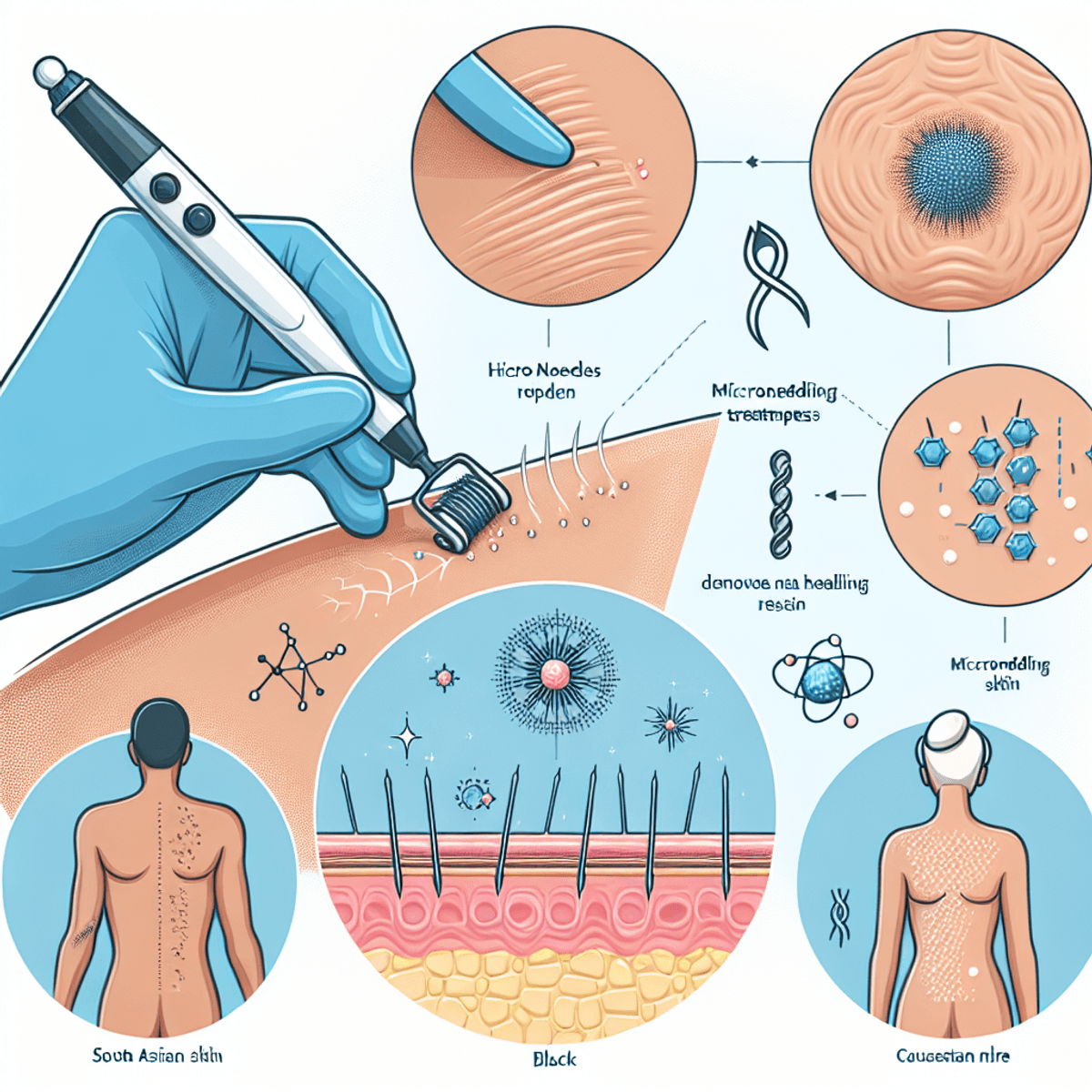
Growth factor skin care through intact skin delivers growth factors primarily through follicular pathways. Monthly microneedling creates direct channels to the dermis — bypassing the stratum corneum entirely. Research shows channels remain permeable for two to six hours (PMC3160154). A randomized controlled trial confirmed one session with growth factors matched four sessions without (PMC7716740). New collagen persists five to seven years (PMC11993440).
Essential: Always perform a patch test before your first microneedling session with any new product. Apply to a small area behind the ear after a single dermaroller pass. Wait 24-48 hours.
The Results Timeline
Weeks 1-2: Skin feels different — softer, calmer, more hydrated. Growth factor skin care begins shifting the baseline.
Weeks 2-4: Texture smooths. Visible improvement confirmed clinically at 4 weeks (PMC6002314).
Months 2-3: Firmness returns. Fine lines soften. The cumulative effect of daily instruction becomes visible to others.
Months 3-6: Biopsy-confirmed collagen, elastin, and decorin increases. Participants perceived themselves six years younger (PMC9823186). This is when growth factor skin care stops being a product and becomes a visible transformation.
Frequently Asked Questions
Is growth factor skin care safe for sensitive skin? Yes — EGF inhibits inflammatory cytokines, making it among the gentlest active ingredients available. Ideal for reactive and rosacea-prone skin.
Can I add growth factor skin care to my existing routine? Yes — it layers as the first active after cleansing. Everything else stays. Growth factor skin care enhances every product already in your cabinet.
How long before growth factor skin care shows results? Clinical evidence confirms visible improvement at 4 weeks with twice-daily application. Structural changes at 3-6 months.
Is growth factor skin care worth the investment? A single serum used twice daily costs less than one professional facial — and produces biopsy-confirmed structural changes that last years.
References
- Shin SH, et al. The use of epidermal growth factor in dermatological practice. Int Wound J. 2023;20(6):2414-2423. (PMC10333026)
- Taub A. Regenerative topical skincare: stem cells and exosomes. Front Med. 2024;11:1443963. (PMC11518787)
- Kim YJ, et al. Anti-aging Properties of EPC-CM. Dermatol Ther (Heidelb). 2018;8(2):261-273. (PMC6002314)
- Chauhan P, et al. Microneedling with Hyaluronic Acid for Acne Scars. Indian J Dermatol. 2024;69(1):30-36. (PMC10833484)
- Gui Q, et al. Extracellular vesicles derived from MSCs to treat skin aging. Precis Clin Med. 2024;7(1):pbae004. (PMC12395928)
- Kalluri H, Banga AK. Characterization of microchannels created by metal microneedles. AAPS J. 2011;13(3):473-481. (PMC3160154)
- Merati M, et al. An Assessment of Microneedling with Topical Growth Factors. J Clin Aesthet Dermatol. 2020;13(11):22-27. (PMC7716740)
- Tehrani L, et al. Physiological Mechanisms and Therapeutic Applications of Microneedling. Cureus. 2025;17(3):e80510. (PMC11993440)
- Naughton GK, et al. Targeting Multiple Hallmarks of Skin Aging. Dermatol Ther. 2023;13(1):169-186. (PMC9823186)
Disclaimer: This article is for informational purposes only and does not constitute medical advice. The products discussed are cosmetic products and are not intended to diagnose, treat, cure, or prevent any disease. Individuals with any active skin condition, pre-existing medical condition, or those currently under the care of a physician or specialist should consult their healthcare provider before beginning any new skincare regimen. Always perform a patch test before using any new skincare product. Consult a qualified healthcare provider before beginning any microneedling protocol. Individual results may vary.
Last Reviewed: April 2026
About Bradceuticals : Thuy Myers is the founder of Bradceuticals which manufactures and distributes skin care and hair regrowth serums that use growth factors from human stem cells as the catalyst for regeneration. When she is not busy running the business and maintaining blogs, she is continuing her practice as a semiconductor engineer and occasionally teaches college engineering. In her free time, she enjoys visiting the beach with her MUCH better half, working out at the gym, and hanging out with her kiddo.