

Human EGF in Skincare explained in plain English—what it really does, why it’s creating buzz, and how it could completely elevate your results.
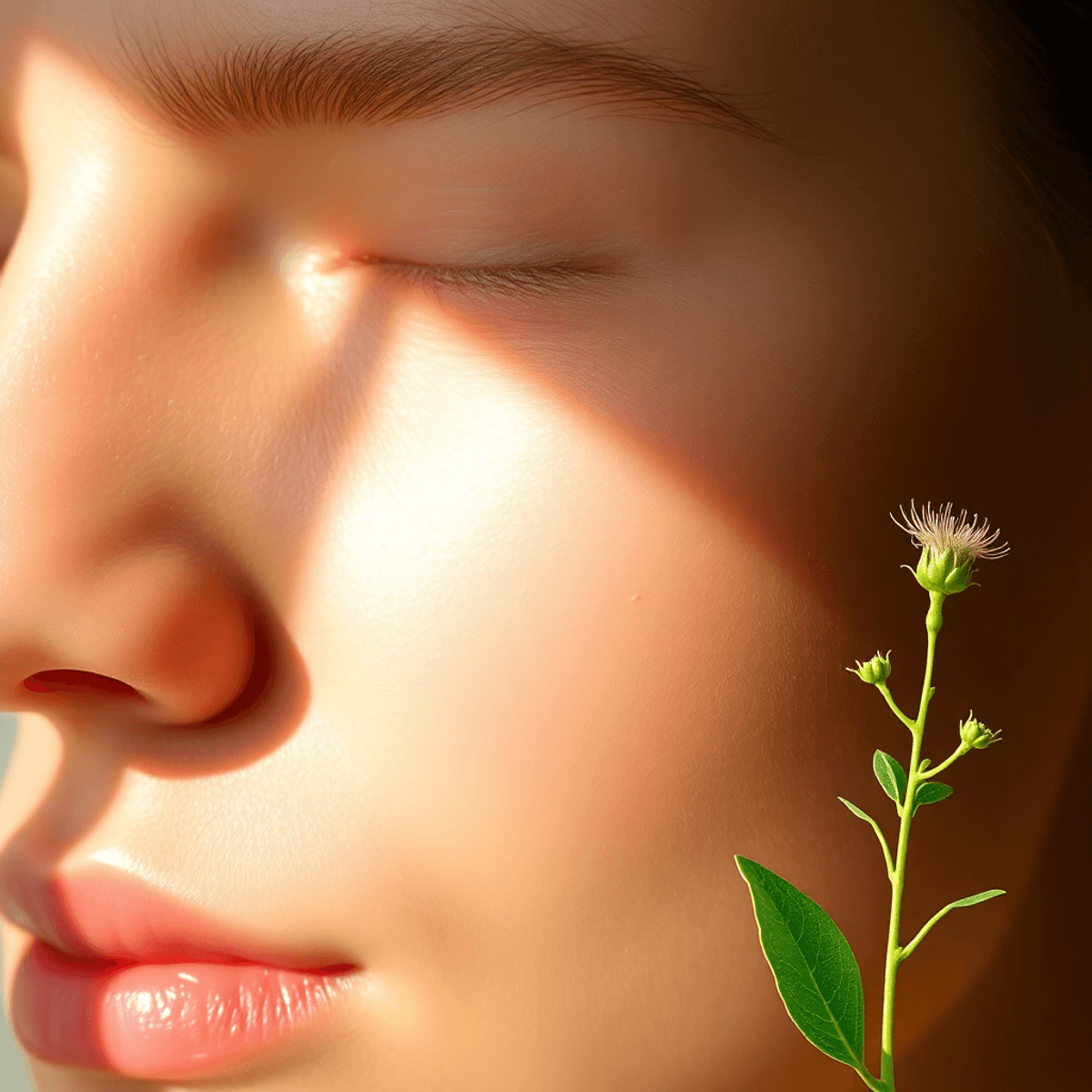
If you’ve been browsing serums lately, you’ve probably noticed “EGF” popping up everywhere. It shows up in anti-aging routines, eye creams, and especially in post-procedure skincare where people want their skin to look calmer, smoother, and more refreshed as they recover.
For those planning microneedling (or already have it scheduled), many people like to keep a recovery-focused serum on hand for the aftercare phase. A popular option is the Bradceuticals Gold Mesenchymal Stem Cell Serum, known for its effective recovery support.
So what is EGF, exactly?
EGF stands for Epidermal Growth Factor. In the simplest terms, it is a signaling protein. Your skin uses signals like this to support visible renewal, which is why EGF is often associated with a smoother-looking texture, more “bounce,” and an overall healthier appearance.
“Human EGF” vs “EGF” vs “sh-EGF” vs “plant stem cells” (common confusion)
A lot of the marketing language around EGF is confusing. Here’s the plain-English breakdown:
- EGF: The general category, meaning epidermal growth factor.
- Human EGF: Usually means the ingredient is designed to match the human version of EGF (not a plant analog). In skincare, it is commonly recombinant (bioengineered) rather than sourced from humans.
- sh-EGF: Often used to describe recombinant EGF (you may see it positioned as “synthetic human EGF”).
- Plant stem cells: Not EGF. These are botanical extracts that may have antioxidant or soothing benefits, but they do not function like human EGF in terms of skin signaling.
In this guide, we’ll keep expectations realistic and focus on what matters: visible benefits, safety, how to choose a good formula from options like those available on Bradceuticals, and how EGF fits alongside treatments like microneedling, peels, IPL, and laser.
How EGF works on skin: collagen, elastin, and the ‘communication’ layer
Topical EGF is used for its role in skin “communication.” Your skin has receptors that respond to signals. EGF is known for interacting with those receptors in a way that supports the look of renewal and refinement.
To keep this cosmetic and practical: think of EGF as an ingredient people use when they want skin to look smoother, more even, and more resilient, particularly when they are consistent and keep their routine calm and barrier-friendly.
Why collagen and elastin get mentioned so often
You will often see EGF discussed alongside fibroblasts, which are cells in the dermis associated with producing collagen and elastin. Collagen relates to the look of firmness and structure. Elastin relates to the look of “snap-back” and flexibility. When skincare is described as supporting these systems, it is usually referring to the appearance of firmer, more elastic-looking skin over time, not an instant facelift effect.
Where people tend to notice EGF most
People usually reach for EGF when their goals are:
- Texture refinement (skin looks smoother)
- The look of fine lines
- Post-treatment appearance support (skin looks less rough or stressed as it recovers)
- Overall radiance (skin looks more even and “awake”)
Why pairing matters
EGF is rarely the whole story. Many people get better-looking results when they pair it with hydration and barrier support, such as:
- Hyaluronic acid (hydration, plump look)
- Ceramides (barrier support, comfort)
- Squalane (softness, reduced dryness)
If your barrier is irritated or dehydrated, even great ingredients can look underwhelming.
Human EGF skincare benefits people actually look for
Let’s talk about the benefits people are typically hoping to see, using realistic cosmetic language.
1) Smoother look of fine lines and wrinkles
Many EGF users are chasing the “polished” look: skin that appears smoother, with fine lines looking less noticeable, especially around areas like the eyes and mouth. The key detail is that these results tend to be gradual and depend heavily on consistent use and a routine that does not constantly irritate the skin.
2) Improved look of firmness and skin elasticity
EGF is often used for areas where skin can look thinner or more lax, such as:
- Under-eye area (used carefully, often via eye creams)
- Neck (a common complaint area)
- Jawline and lower face (where people notice “softening”)
You are not looking for overnight tightening. You are looking for better texture, better hydration, and a more supported look over time.
3) Post-treatment appearance support
One of the most common reasons people buy EGF products is after procedures like:
- Microneedling
- Chemical peels
- IPL
- Laser treatments
Post-procedure skin is often temporarily sensitized. Many people use EGF because they want a routine that supports a calmer, more comfortable-looking recovery period, with less visible roughness and dryness. Always follow your provider’s post-care instructions first.
4) Uneven tone support
EGF is also used when people want the appearance of more even tone, especially if they are dealing with visible blotchiness or discoloration. This is best framed as supporting how even and bright the skin looks, not as a medical treatment for pigmentation.
5) Under-eye concerns
Under-eye products that include EGF are typically aiming for:
- A smoother look of fine lines (often dryness-related)
- Better hydration and comfort
- A soothed look (especially if the area is easily irritated)
For puffiness, results usually come more from consistent habits (sleep, salt intake, allergies, gentle cooling) than any single ingredient, but a well-formulated eye product can help the area look more hydrated and smooth.
Is human EGF safe? What dermatologists generally say (and what to watch for)
In skincare, EGF is typically used topically and in low concentrations. For most people, the main issue is not “danger,” but irritation or sensitivity, especially if the skin barrier is already stressed.
Who should patch test
Patch testing is smart if you have:
- Reactive or easily inflamed skin
- A compromised barrier (stinging, tightness, flaking)
- A routine heavy in strong retinoids, exfoliating acids, or benzoyl peroxide
- A history of contact dermatitis
Formula red flags (especially after procedures)
If your goal is post-treatment support, avoid formulas that add unnecessary irritation, such as:
- Heavy fragrance or essential oils
- High alcohol content
- Harsh exfoliants that are layered immediately post-procedure
A common dermatologist message after procedures is “barrier first.” Many dermatologists, including well-known voices like Dr. Dendy Engelman in general commentary, often emphasize calming, hydrating recovery routines rather than jumping straight into aggressive actives.
When to pause and ask a professional
Stop and check in with a provider if you notice:
- Persistent redness that worsens
- Burning, swelling, or a rash
- Any reaction that does not settle quickly after stopping the product
And if you’ve had an in-office procedure, your provider’s post-care rules always come first.
Human EGF vs vegan/synthetic EGF: what ‘vegan EGF’ really means
This is where labels can get misleading.
Most “human EGF” in skincare is recombinant
Many “human EGF” ingredients are recombinant, meaning they are produced through bioengineering to match human EGF. In other words: it is designed to be structurally similar to human EGF, but it is not harvested from people.
What “vegan EGF” usually means
“Vegan EGF” typically means the ingredient is recombinant and produced without animal-derived components in the process. However, labeling standards vary, so it’s worth checking brand transparency.
Plant stem cells are not EGF
Plant stem cell extracts can be useful for antioxidant support or soothing, but they are not interchangeable with EGF. If a product is marketed like an EGF product but only contains “plant stem cells,” it is simply a different category.
How to verify what you’re buying
At a high level, look for:
- Clear INCI labeling (ingredient list)
- Brand transparency about sourcing and manufacturing
- Quality signals like stability-focused packaging and documented standards
- Third-party testing claims, if provided (without relying on vague buzzwords)
How to choose the best EGF serum (and avoid overpaying)
EGF is one of those ingredients where you can spend a lot, fast. The better approach is to start with your goal and pick a formula that supports it without creating irritation.
Start with your goal
Pick based on what you actually want:
- Anti-aging look: fine lines, texture, firmness
- Discoloration appearance: uneven tone and dullness
- Post-microneedling recovery look: calm, hydrated, supported skin
- Under-eye smoothing: hydration and comfort first
Formula checklist: what to pair with EGF
A strong EGF serum is often simpler than people expect. Look for supportive companions such as:
- Ceramides for barrier support
- Hyaluronic acid for hydration and a plumper look
- Squalane for softness and reduced dryness
If your skin is easily irritated, “more actives” is not better.
If you want a retinol-like routine with less irritation
Some people use EGF alongside gentler alternatives such as bakuchiol or a phyto-retinol complex. The key is to rotate, not stack aggressively. For example, you might do EGF on recovery-focused nights and bakuchiol on alternate nights, rather than using everything at once.
Texture and packaging matters more than most people think
EGF formulas can be sensitive to light and air exposure. Prefer:
- Airless pumps where possible
- Opaque bottles
- Brands that care about stability and storage guidance
What matters more than hype
The best EGF serum is the one you can use consistently, with minimal irritation, in a routine that protects your barrier.
If you are using EGF for post-microneedling support, this is also where people often reach for a recovery-positioned option like Bradceuticals Gold Mesenchymal Stem Cell Serum, simply because their focus is to keep the routine gentle and supportive during that window.
How to use human EGF in a routine (AM/PM) + layering rules
A simple routine typically works best.
General AM order
- Cleanser
- EGF serum
- Hydrating layers (optional)
- Moisturizer
- Sunscreen (non-negotiable)
Sunscreen matters because UV exposure undermines the visible goals people use EGF for, especially texture and discoloration concerns.
Simple PM order
- Cleanser
- EGF serum
- Nourishing moisturizer (barrier-focused)
If you are dry, you can add a small amount of oil as the last step.
Where oils fit (and which ones people like)
For dryness, some people use oils like:
- Flaxseed oil
- Sea buckthorn oil
Use oils sparingly and patch test, especially if you are acne-prone.
When to avoid mixing (if you are sensitive)
If you tend to sting or flush easily, avoid stacking EGF immediately with:
- Strong exfoliating acids
- High-strength retinoids
Instead, alternate nights. Consistency beats intensity.
Time-to-results expectations
- Fast: hydration, a plumper look, smoother makeup application (days to 1 to 2 weeks)
- Slower: texture refinement, fine line appearance, firmer look (often several weeks of consistent use)
EGF eye creams and under-eye routines: what to look for
Under-eye skin is thinner and more reactive, so eye products should be judged by realistic results.
What eye products can realistically improve
- Look of fine lines caused by dryness
- Dryness and crepiness appearance
- Temporary puffiness (often minor, and helped by cooling and lifestyle)
Ingredient synergy that makes sense
A solid under-eye formula often pairs:
- EGF + peptides + ceramides for a smoother, supported look
- Hyaluronic acid for hydration
You’ll sometimes see products positioned like a “Bio-Renew Eye Cream” style concept, meaning a formula designed around renewal and barrier support. The key is that it should be gentle, fragrance-free (ideally), and comfortable for daily use.
Application tips
- Use a tiny amount (rice-grain size for both eyes)
- Apply along the orbital bone, not right on the lash line
- Tap gently, do not rub
- Judge results after a few weeks of consistent use
EGF for the neck: preventing the ‘tech neck’ look and supporting elasticity
The neck often shows aging faster because the skin is thinner, has fewer oil glands, moves constantly, and is frequently exposed to sun without protection.
What to look for in a neck product
If your neck is a priority, a neck-focused formula often includes:
- EGF + peptides for a firmer-looking routine
- Barrier lipids (ceramides, squalane) for comfort
- Minimal irritants (avoid heavy fragrance)
You may see products positioned like a “Bio-Renew EGF Neck Cream” concept, which is essentially a neck-specific formulation built around smoothing and support.
Technique matters
- Extend skincare down to the neck and chest daily
- Apply gently, typically upward
- Use sunscreen on the neck every day (this is where many routines fail)
EGF after in-office treatments: microneedling, IPL, laser, and peels
Post-treatment skin is different. The barrier can be temporarily compromised, and your job is to keep the routine boring.
The general rule: calming and hydration first
After procedures, focus on:
- Gentle cleansing
- Hydration
- Barrier support
- Avoiding anything that stings
Microneedling
Microneedling aftercare often follows a “keep it simple” approach. EGF is frequently positioned here because many users want skin to look more comfortable and supported during visible recovery. Follow your provider’s timeline and avoid adding multiple new products at once.
If you want an example of a recovery-focused option that people commonly keep for post-microneedling routines, consider Bradceuticals Gold Mesenchymal Stem Cell Serum.
IPL, laser, and peels
For IPL, laser, and peels:
- Follow provider instructions strictly
- Avoid actives until you are cleared
- Prioritize bland hydration and barrier comfort
What not to do during recovery
- Do not exfoliate
- Do not use strong retinoids
- Do not “test” multiple new products
- Do not ignore sunscreen once you are cleared to apply it
Common mistakes with human EGF products (that reduce results)
- Chasing too many actives at once: irritation kills consistency, and consistency drives results.
- Skipping sunscreen: UV exposure undermines collagen support goals and discoloration appearance goals.
- Using EGF inconsistently: a few days on, then off, rarely shows much.
- Expecting one product to replace basics: cleanser, moisturizer, and SPF matter more than most people admit.
- Confusing plant stem cells with EGF: they are not the same ingredient category.
Putting it all together: a simple EGF-focused routine for firmer-looking skin
If you want the simplest plan that still works well, start here.
Beginner routine blueprint
AM
- Gentle cleanser
- EGF serum
- Ceramide moisturizer
- Sunscreen
PM
- Gentle cleanser
- EGF serum
- Barrier-focused moisturizer
Add-ons for targeted goals (optional)
- Peptides for a firmer-looking routine
- Bakuchiol or a phyto-retinol complex on alternate nights if you want a retinol-like approach with less irritation potential
- Hyaluronic acid if dehydration is a major issue
Under-eye and neck (optional)
If those areas bother you most, add a dedicated eye product and extend your routine to the neck daily. Keep both areas fragrance-light or fragrance-free to reduce irritation risk.
And if microneedling is part of your plan, it can be helpful to prepare a simple recovery routine in advance. Many people keep a post-microneedling support serum available, such as Bradceuticals Gold Mesenchymal Stem Cell Serum, to make it easier to stay consistent during the recovery window.
Final takeaway: Choose a well-formulated EGF product, keep the routine calm, protect your barrier, and stay consistent long enough to judge visible results.
FAQs (Frequently Asked Questions)
What is Human EGF and why is it popular in skincare?
Human EGF, or Epidermal Growth Factor, is a signaling protein that helps skin support visible renewal. It is popular in skincare because it promotes smoother texture, more bounce, and an overall healthier appearance, especially in anti-aging routines and post-procedure recovery.
How does EGF work on the skin to improve its appearance?
EGF works by interacting with skin receptors to support renewal and refinement. It influences fibroblast cells that produce collagen and elastin, which contribute to firmer, more elastic-looking skin over time, leading to smoother, more even, and resilient skin.
What is the difference between Human EGF, sh-EGF, and plant stem cells?
Human EGF usually refers to bioengineered recombinant epidermal growth factor matching the human version. sh-EGF is synthetic human EGF, often recombinant as well. Plant stem cells are botanical extracts with antioxidant or soothing benefits but do not function like human EGF in skin signaling.
Why is pairing EGF with other ingredients important in skincare routines?
Pairing EGF with hydration and barrier support ingredients like hyaluronic acid (for hydration), ceramides (for barrier comfort), and squalane (for softness) enhances results. A healthy skin barrier allows EGF to work effectively; otherwise, even great ingredients may appear underwhelming.
What are the realistic skincare benefits people look for when using Human EGF products?
People typically seek gradual improvements such as smoother fine lines and wrinkles, improved firmness and elasticity especially under eyes and neck, post-treatment recovery support for calmer skin after procedures like microneedling or peels, and a more even skin tone with reduced blotchiness.
Is Human EGF suitable for post-procedure skincare recovery?
Yes. Human EGF is commonly used after treatments like microneedling, chemical peels, IPL, or laser because it supports a calmer, more comfortable-looking recovery by reducing roughness and dryness. However, it’s important to follow your provider’s post-care instructions along with using EGF products.
human egf serum, human egf skincare, epidermal growth factor serum, epidermal growth factor skincare, egf serum for face, best human egf serum, recombinant human egf serum, sh egf serum, egf anti aging serum, egf for fine lines, egf for wrinkles, egf for skin elasticity, egf for skin texture, egf post microneedling serum, egf after microneedling, growth factor serum for face, stem cell growth factor serum, hydrating egf serum, ceramide egf serum, peptide egf serum, fragrance free egf serum, egf eye cream, egf neck cream, egf for sensitive skin, egf with hyaluronic acid, egf with peptides, egf with ceramides, how to use egf serum, is human egf safe, best serum after microneedling
Reference Articles
- https://www.gloskinbeauty.com/blogs/glo-skin-beauty-blog/everything-you-need-to-know-about-epidermal-growth-factor-egf
- https://curology.com/blog/egf-in-skincare-what-you-need-to-know-about-epidermal-growth-factor/
- https://www.skin-beauty.com/blog/epidermal-growth-factor-egf-in-skincare/
- https://sokoglam.com/blogs/theklog/egf-transform-young-skin
- https://skinsciencebymira.com/2022/05/09/the-truth-about-growth-factors-part-1/
4) Disclaimer
Disclaimer:
The information provided in this article is for general informational and educational purposes only and is not intended to constitute medical, dermatological, or professional advice. The content should not be relied upon as a substitute for consultation with a qualified dermatologist or other licensed healthcare professional. Individual results may vary. Always seek the advice of a qualified medical professional before beginning or modifying any skincare treatment or regimen. The author and publisher assume no responsibility or liability for any injury, loss, or adverse effects resulting from the use or reliance on the information contained herein.
About Bradceuticals : Thuy Myers is the founder of Bradceuticals which manufactures and distributes skin care and hair regrowth serums that use growth factors from human stem cells as the catalyst for regeneration. When she is not busy running the business and maintaining blogs, she is continuing her practice as a semiconductor engineer and occasionally teaches college engineering. In her free time, she enjoys the beach, working out at the gym and hanging out with her kiddo Brad.