

This guide is the practical, 2026 version: what actually works, what to ignore, how to do it safely, and what to put on your skin right after.
At home microneedling can be an effective method for enhancing the overall appearance and health of the skin.
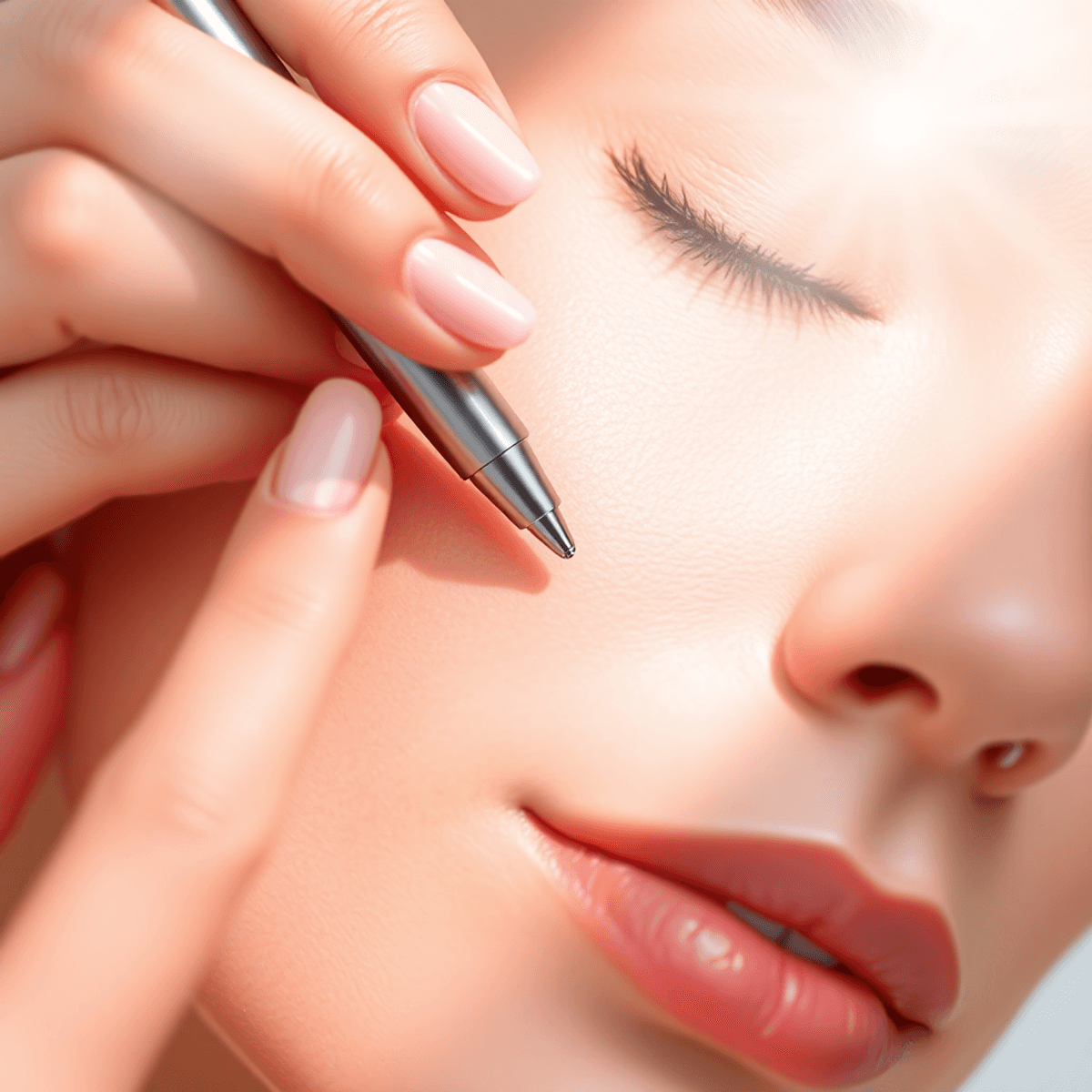
At-home microneedling is having a moment again, and for good reason. When it’s done conservatively and cleanly, at home microneedling can genuinely improve “rough” texture, boost radiance, and help skincare sit better on the skin. At-home microneedling is a great option for those looking to enhance their skincare routine. Many are discovering the benefits of at home microneedling for achieving beautiful skin.
The problem is that a lot of the internet advice still treats microneedling like a toughness contest. Deeper needles, more passes, more redness, more “results.” In real life, that’s how people end up with irritation, breakouts, post-inflammatory hyperpigmentation (PIH), and weeks of regret.
This guide is the practical, 2026 version: what actually works, what to ignore, how to do it safely, and what to put on your skin right after.
TL;DR (what actually works)
Incorporating at home microneedling into your routine can lead to transformative results, provided you follow the correct procedures and aftercare.
The Essentials of At‑Home Microneedling
When considering at home microneedling, it’s vital to understand the essentials for effective results. At home microneedling can be done successfully by following proper techniques and prioritizing hygiene.
Understanding the practice of at home microneedling is essential for safe and effective results.
Many people are turning to at home microneedling to enhance their skincare routine. The practice of at home microneedling can yield excellent results if done properly.
Understanding the Benefits of At Home Microneedling
Short TL;DR (3 bullet points):
- Stay shallow and consistent: conservative depth + months of repetition beats one aggressive session.
- Sterility and technique matter more than the device price: most bad outcomes come from contamination, over-needling, or needling irritated skin.
- Aftercare is the “glow” lever: use a simple, barrier-friendly hydrating serum right after, and keep actives away until fully calm.
At Home Microneedling can work for texture and “glow” if you keep needle depth conservative, prioritize hygiene, and stay consistent over months (not days). Most bad results come from going too deep, using poor-quality devices, or applying the wrong products right after needling.
For the post-microneedling glow, a barrier-friendly, hydrating serum is the move. Bradceuticals Gold Serum is a strong, best-selling option for aftercare if you want a simple, reliable product to reach for after a session.
For those new to at home microneedling, it is essential to start with a conservative approach to avoid complications and achieve the best results.
The 2026 “works vs hype” checklist (device, depth, frequency, serum)
There are four levers that determine whether at home microneedling helps or hurts:
- Device quality
- Needle depth
- Session frequency
- What you apply right after (your needling serum)
If you cannot keep it clean, controlled, and consistent, do not do it. That is the real rule of thumb.
Many people are discovering the benefits of At home microneedling for achieving beautiful skin.
Why these levers matter
Microneedling creates tiny micro-channels and controlled inflammation. Done properly, that controlled wound response can support gradual remodeling and smoother-looking skin. Done poorly, those same channels can become a shortcut for irritation, bacteria, and pigment problems.
What to prioritize when shopping (2026 standards)
- A reputable brand with clear specs and consistent reviews (not a no-name “white label” device).
- Sealed, sterile, single-use cartridges for microneedling pens.
- Needle material claims like medical-grade stainless steel or titanium from a brand you can actually verify.
- Consistent needle alignment and smooth operation (cheap devices can snag, drag, or stamp unevenly).
- A depth dial you can trust (especially on pens). If the depth settings feel sloppy, skip it.
What to ignore
- Extreme depth claims marketed like a badge of honor.
- “Blood equals results” messaging. Blood usually equals you went too far, too fast, or used too much pressure.
- Multi-active “miracle” serums that are fine on normal skin but unpredictable post-needling. Right after microneedling is when your skin is most likely to overreact.
At-home devices: dermaroller vs stamp vs pen (what actually works best)
There is no single “best” tool for everyone. The best tool is the one you can keep sterile and use consistently without getting aggressive.
Dermaroller
Pros
- Cheap and easy to find.
- Quick for large areas.
Cons
- More risk of dragging/tearing because the needles enter and exit at an angle as you roll.
- Harder to control pressure and angle, especially around curves (jaw, nose, under-eye area).
- Hygiene and replacement get messy fast. Dull needles increase irritation.
Best use case Very conservative, glow-focused use, and only if you are disciplined about replacement and sanitizing. For most beginners, a stamp is the safer starting point.
Dermastamp
Pros
- More controlled. You stamp vertically instead of rolling, which reduces dragging.
- Easier to target small zones (smile lines, between brows, cheeks).
Cons
- Slower than a roller.
Best use case A strong middle option for beginners and targeted texture. If you want one simple tool to start with, a stamp is often the easiest to keep controlled.
Microneedling pen
Pros
- Adjustable depth.
- More consistent vertical stamping motion.
- Usually the best “results per effort” if used correctly.
Cons
- Higher cost.
- Requires sterile, single-use cartridges and better process discipline.
- More ways to mess up if you get overconfident (too many passes, too deep, too often).
Best use case Overall face texture and glow for someone willing to follow a protocol and treat sterility seriously.
What to pick based on your goal
- Overall face glow/texture: stamp or pen
- Small areas: stamp
- Budget cautious beginner: stamp over roller
Simple decision framework: choose the tool you can keep sterile and use consistently, not the most aggressive option.
Needle depth and frequency: the safe at-home ranges (and what they’re for)
Depth is where most people get it wrong. Deeper is not “better.” Deeper is usually just higher risk.
Below are conservative ranges that many at-home users tolerate well, but your skin, device, and technique matter. When in doubt, stay shallow.
Practical depth guidance (general, varies by area and device)
- 0.2 to 0.3 mm: “glow” sessions and product slip. Think hydration, smoother makeup wear, and a fresher look.
- Around 0.5 mm: mild texture and fine lines in selected areas, assuming your skin recovers easily.
- Avoid 1.0 mm+ at home for most people. It is where the risk-to-reward ratio gets ugly fast unless you have professional training and a controlled environment.
Face zones are not equal
- Thinner zones (under-eyes, upper lip) need extra caution and are often best avoided at home.
- Bony areas and curves (nose, jawline) tend to get over-treated because it’s harder to keep pressure consistent.
Frequency examples (keep it simple)
- 0.2 to 0.3 mm: can be done more frequently if your skin is calm quickly and there is minimal irritation.
- 0.5 mm: requires more recovery time. Many people do best with sessions spaced out, not stacked.
The real rule: only needle when your skin is fully calm. No lingering tenderness, no ongoing redness, no flaking that looks inflamed.
Hard stop signals
If you see any of these, reduce depth/frequency or stop completely:
- Redness that persists beyond about 48 hours
- Burning, swelling, or escalating sensitivity
- Oozing, crusting, or worsening breakouts
- New or worsening hyperpigmentation
The at-home microneedling protocol (step-by-step, no fluff)
This is the part people overcomplicate. Keep it boring. Boring is safe and repeatable.
1) Pre-session prep (24 to 48 hours before)
- Pause retinoids, AHAs/BHAs, benzoyl peroxide, and strong exfoliants.
- Avoid sunburn, tanning, or heavy workouts that leave your skin overheated and reactive.
- Keep your routine bland: gentle cleanse, moisturize, SPF.
2) Set up a clean field
- Wash hands thoroughly. Tie hair back.
- Disinfect your surface. Use clean towels.
- If using a pen, open the sterile cartridge immediately before use.
- If using a stamp/roller, it should be single-user only and cleaned exactly as the manufacturer instructs.
3) During the session (technique that protects your skin)
- Work in sections.
- Use light, consistent pressure. Let the needles do the work.
- Do not do endless passes. More passes equal more inflammation and longer recovery.
What you should see: mild redness and pinpoint erythema.
What you should not chase: bleeding as a goal.
4) Immediately after
- Apply a simple hydrating needling serum.
- Seal with a bland moisturizer if you feel dry or tight.
- Keep hands off your face. Treat your skin like a healing wound, because it is.
5) Device disposal/cleaning
- Dispose of single-use cartridges immediately.
- Clean reusable tools per manufacturer guidance.
- Store tools dry, covered, and away from bathroom splashes.
What to apply after microneedling (the “needling serum” rules in 2026)
Post-needling skincare matters more than people think because your skin’s tolerance temporarily drops. Micro-channels plus irritation can make “normally fine” products sting, inflame, or trigger breakouts.
What a microneedle serum should be
Choosing the right device for at home microneedling makes a significant difference. Opt for tools that have been well-reviewed and are known for their effectiveness in at home microneedling.
Look for products that are:
At home microneedling requires a clean and sterile environment to ensure safety and effectiveness. Many users report positive experiences with at home microneedling.
- Simple and fragrance-free
- Barrier-supportive and hydrating
- “Sterile-leaning” in concept: minimal irritants, minimal unnecessary extras
Ingredients that often work well post-needling (depending on your sensitivity):
- Hyaluronic acid
- Glycerin
- Panthenol
- Gentle peptides and soothing support
What to avoid for 24 to 72 hours
These are common triggers when your barrier is vulnerable:
- Retinoids
- AHAs/BHAs
- Low-pH vitamin C
- Strong niacinamide if you are sensitive to it
- Essential oils and fragrance
- Alcohol-heavy formulas
- Harsh preservatives (especially if you know you react)
- Heavy makeup immediately after
Texture matters
Go lightweight and non-occlusive first, then moisturize if needed to reduce transepidermal water loss. If you are dry-prone, a bland moisturizer after your serum can make recovery much easier.
Less is more
One great post-needling serum plus a basic moisturizer beats a 10-step routine. Over-layering is how people end up irritated and confused about what caused it.
Best-selling pick for post-microneedling glow: Bradceuticals Gold Serum
If you want one straightforward recommendation for that immediate “I look hydrated and smoother” finish after microneedling, Bradceuticals Gold Serum is a strong best-selling pick.
Why it fits post-needling needs (high level)
Right after microneedling, your skin usually wants comfort, hydration, and barrier support, not a cocktail of aggressive actives. Bradceuticals Gold Serum is positioned to support that post-treatment feel and a smoother-looking finish without overloading the skin.
How to use it after microneedling
- Apply a thin layer right after your session on clean skin.
- Add a bland moisturizer on top if needed.
- Keep the rest of your routine minimal for the next 24 to 48 hours.
Where it fits in your routine
- Post-needling nights
- Recovery days when your skin feels dry or tight
As always, patch test and follow the label directions. If you are highly reactive, introduce it on a non-needling day first.
Set expectations
The glow can be immediate. The texture improvements people want come from conservative sessions repeated over time, plus daily sunscreen.
Recovery timeline: what “normal” looks like (and how to speed it up safely)
First 0 to 6 hours
- Warmth, tightness, redness
- Keep it clean, hydrated, and untouched
Around 24 hours
- Redness fades for many people
- Stick to gentle cleansing, hydrating serum, moisturizer
48 to 72 hours
- Dryness or light flaking can happen
- Do not exfoliate
- Focus on barrier support and hydration
One week
- Skin should look fully normal
- If you are still red, sensitive, or breaking out, reassess your depth, frequency, and products
What actually speeds recovery
- Hydration and barrier care
- Avoiding heat and heavy sweating for a short window
- A clean pillowcase
- Strict SPF (non-negotiable)
What does not speed recovery: adding more actives to “boost results.”
The microneedling mistakes that ruin results (and cause irritation)
These are the repeat offenders behind most at-home disasters:
- Going too deep too soon, and doing too many passes.
- Needling over active acne, scabs, or irritation, which can spread bacteria and increase PIH risk.
- Reusing dull or dirty needles, or sharing tools.
- Skipping sunscreen afterward. UV plus inflammation is a fast track to uneven tone.
- Chasing an overnight transformation instead of committing to an 8 to 12 week plan.
A simple 4-week at-home plan you can actually follow
This is intentionally conservative. The goal is repeatable results with low drama.
Week 0: setup week
- Pick your device (stamp or pen are usually easiest to control).
- Pick one gentle needling serum.
- Pick a bland moisturizer.
- Commit to daily broad-spectrum SPF.
Week 1: first session (keep it shallow)
- Choose a shallow depth (often 0.2 to 0.3 mm).
- Do fewer passes than you think you need.
- Aftercare: hydrating serum (Bradceuticals Gold Serum is a solid option), moisturizer if needed, SPF the next day.
Week 2: recovery and boring routine
- Cleanser, hydrating serum, moisturizer, SPF.
- No new actives. No “testing” exfoliants.
Week 3: second session (only if recovery was easy)
- Repeat the same depth and similar number of passes.
- If you had redness beyond 48 hours or felt overly raw, reduce intensity or wait longer.
Week 4: assess and decide
Measure progress with:
- Photos in consistent lighting
- How makeup wears over texture
- How quickly redness resolves
- Overall smoothness and glow
When to level up: only after 2 to 3 calm sessions with easy recovery. If your main concern is deeper acne scarring, consider professional treatments instead of pushing at-home depth.
How at-home microneedling compares to an in-office microneedling treatment
Control and depth
Clinics can safely reach deeper targets with stronger protocols and more reliable sterility. At-home microneedling is mostly a shallow-to-moderate game.
In-office add-ons
Professional settings may include:
- PRP/PRF
- RF microneedling
- Professional-grade aftercare
These can be more dramatic for scars, firmness, and stubborn texture, largely because the protocol is stronger and the environment is controlled.
Cost vs consistency
- Home microneedling is cheaper per session but demands discipline and good judgment.
- In-office costs more but reduces user error and is more appropriate for advanced concerns.
When it’s worth going pro
- Acne scars
- Significant laxity
- Stubborn hyperpigmentation
- Repeated irritation at home (your skin is telling you something)
Wrap-up: the boring fundamentals that give the best results
At-home microneedling works best when it’s conservative, clean, and consistent. Depth is not a flex. Recovery matters. Sunscreen is part of the treatment.
Your needling serum should be calming and hydrating, and you should save strong actives for fully recovered skin. If you want a straightforward, best-selling product for that post-microneedling glow, Bradceuticals Gold Serum is a solid pick. Pair it with a minimal routine, daily SPF, and patience for the real payoff.
For those considering the use of stem cell serums post-microneedling, it’s worth exploring the best stem cell serum options which can significantly enhance your skin recovery process. You might also want to check out the ultimate guide to choosing the best stem cell serum for microneedling in 2024, or even the ultimate guide for 2025 for more detailed insights.
FAQ
Is at-home microneedling actually effective?
It can be, especially for mild texture, radiance, and smoother-looking skin over time. The best results come from shallow, consistent sessions and strong aftercare, not aggressive depth.
What needle depth should I use at home?
Many at-home users do best at 0.2 to 0.3 mm for glow and surface texture. Some can tolerate around 0.5 mm in selected areas. Most people should avoid 1.0 mm+ at home due to higher risk.
How often should I microneedle?
It depends on depth and recovery. Shallow sessions can be done more frequently, while 0.5 mm requires more recovery time. The safest rule is: only do another session when your skin is fully calm and back to normal.
What should I put on my skin right after microneedling?
A simple, hydrating, fragrance-free serum plus a bland moisturizer if needed. In 2026, the “less is more” approach is still the most reliable.
What should I avoid after microneedling?
For 24 to 72 hours, avoid retinoids, acids (AHA/BHA), low-pH vitamin C, fragrance, essential oils, alcohol-heavy products, harsh exfoliation, and heavy makeup right away.
What’s the best serum to use after microneedling for glow?
If you want a popular, straightforward option, Bradceuticals Gold Serum is a strong best-selling pick for post-microneedling hydration and glow. It’s recommended to apply a thin layer right after your session, then keep the rest of your routine minimal. For more insights on effective serums post-microneedling, you can refer to The Ultimate Guide to Microneedling Serums.
Should I microneedle over acne or pimples?
No. Avoid needling over active acne, scabs, or irritated areas. It can spread bacteria and increase the risk of inflammation and hyperpigmentation.
How do I know if I overdid it?
Redness lasting beyond about 48 hours, burning, oozing, worsening breakouts, or new dark marks are signs you need to reduce intensity or stop and let skin fully recover.
Can I do under-eyes at home?
This area is delicate and easy to over-treat. Many people should avoid under-eye microneedling at home or keep it extremely conservative if they choose to do it.
When should I choose professional microneedling instead?
If you have acne scars, significant laxity, stubborn pigmentation, or you keep getting irritation at home, professional microneedling (and options like RF microneedling) is often a better fit. However, if you’re considering self-treatment for such issues, remember that using specific serums like EGF serum can enhance the results of your microneedling session. For more information about this topic and its connection with celebrity skincare routines, check out this article on EGF serum usage by celebrities post-microneedling.
FAQs (Frequently Asked Questions)
What are the key factors that determine effective results in at-home microneedling?
The four main levers that determine results in at-home microneedling are device quality, needle depth, session frequency, and the type of serum applied immediately after treatment (needling serum). Prioritizing hygiene, controlled use, and consistency over months is essential for safe and effective outcomes.
Which microneedling devices work best for at-home use: dermaroller, dermastamp, or microneedling pen?
For at-home use, microneedling pens often provide the best balance of results and effort due to adjustable depth and consistent vertical stamping. Dermastamps offer better control with less skin dragging and are great for beginners or targeted areas. Dermarollers are affordable but riskier due to potential dragging and hygiene issues; they are best reserved for very conservative use.
What needle depths and frequencies are safe and recommended for at-home microneedling?
Conservative needle depths for at-home use range from 0.2–0.3 mm for enhancing product absorption and glow, up to about 0.5 mm for mild texture improvement or fine lines on selected areas. Depths beyond 1.0 mm are generally not recommended at home due to higher risk. Frequency can be more frequent with shallow depths if minimal irritation occurs; deeper needling requires longer recovery times. Always wait until skin is fully calm before next session.
What is the recommended step-by-step protocol for performing safe and effective microneedling at home?
Before your session, pause retinoids, acids, benzoyl peroxide 24–48 hours prior; avoid sunburn and heavy exfoliation; keep skincare bland and hydrating. Set up a clean field with washed hands and disinfected surfaces; open sterile cartridges right before use or sanitize tools thoroughly. Cleanse gently, optionally wipe with sterile saline, dry skin fully. Use light pressure with short passes avoiding moles, inflamed pimples, eyelids; stop if forced. Expect mild redness without bleeding. Immediately apply a simple hydrating needling serum followed by a bland moisturizer if needed; avoid touching face afterward. Dispose or clean devices per guidelines.
What type of serum should be applied immediately after microneedling to ensure optimal healing and glow?
Post-microneedling serums should be sterile-leaning, simple, fragrance-free, barrier-supportive, and hydrating—ingredients like hyaluronic acid (HA), glycerin, panthenol, gentle peptides, and soothing agents are ideal. Avoid retinoids, AHAs/BHAs, vitamin C (low pH), strong niacinamide if sensitive, essential oils/fragrance, harsh preservatives, alcohol-heavy formulas, or heavy makeup for 24–72 hours post-treatment to minimize irritation risks.
What common mistakes should be avoided to prevent adverse effects from at-home microneedling?
Avoid going too deep with needles beyond recommended depths (generally over 0.5 mm), using poor-quality or non-sterile devices, neglecting hygiene protocols such as handwashing and tool sterilization, applying irritating or inappropriate products immediately after needling (like harsh acids or retinoids), chasing bleeding as a sign of effectiveness, and ignoring signs of persistent redness beyond 48 hours or other adverse reactions which indicate the need to reduce depth/frequency or stop treatment altogether.
#microneedleserum #microneedlingserum #microneedlingcare #microneedlingaftercare #microneedlingresults #serumforneedling #serumformicroneedling #medicalmicroneedling #clinicalskincare #medicalskincare #advancedskincare #professionalserum #estheticianapproved #estheticianlife #aestheticmedicine #dermalcare #skinrepair #skinregeneration #skinrejuvenation #collagenboost #antiagingcare #hydratedskin #glowingskin #skintexture #posttreatmentcare #skincareeducation #skincarecommunity #skincareaddict #skincareroutine
Disclaimer:
The information provided in this article is for general informational and educational purposes only and is not intended to constitute medical, dermatological, or professional advice. The content should not be relied upon as a substitute for consultation with a qualified dermatologist or other licensed healthcare professional. Individual results may vary. Always seek the advice of a qualified medical professional before beginning or modifying any skincare treatment or regimen. The author and publisher assume no responsibility or liability for any injury, loss, or adverse effects resulting from the use or reliance on the information contained herein.
About Bradceuticals : Thuy Myers is the founder of Bradceuticals which manufactures and distributes skin care and hair regrowth serums that use growth factors from human stem cells as the catalyst for regeneration. When she is not busy running the business and maintaining blogs, she is continuing her practice as a semiconductor engineer and occasionally teaches college engineering. In her free time, she enjoys the beach, working out at the gym and hanging out with her kiddo Brad.
Understanding the correct protocols for at home microneedling is crucial for achieving your desired outcomes without adverse effects.
At home microneedling is a valuable tool for skincare enthusiasts looking to improve their skin texture and radiance. Many are finding success with this method.
Safety is paramount when engaging in at home microneedling. Always adhere to the guidelines to maximize benefits and minimize risks.
As at home microneedling gains popularity, it’s important to stay informed about best practices to ensure optimal results.