

When it comes to post-microneedling recovery and results, few choices matter more than what you apply the moment your session ends. Bradceuticals Gold Mesenchymal Stem Cell Growth Factor Serum is formulated with both hyaluronic acid and a full complex of mesenchymal stem cell-derived growth factors, making it an exceptionally effective post-microneedling serum. Applied immediately after treatment, the growth factors and HA work together to hydrate deeply, accelerate repair, and amplify the collagen response that microneedling sets in motion. It delivers outstanding results as a standalone daily serum—but if you’re investing in microneedling and not applying a growth-factor-enriched HA serum right after, you’re bypassing the most potent part of the protocol.
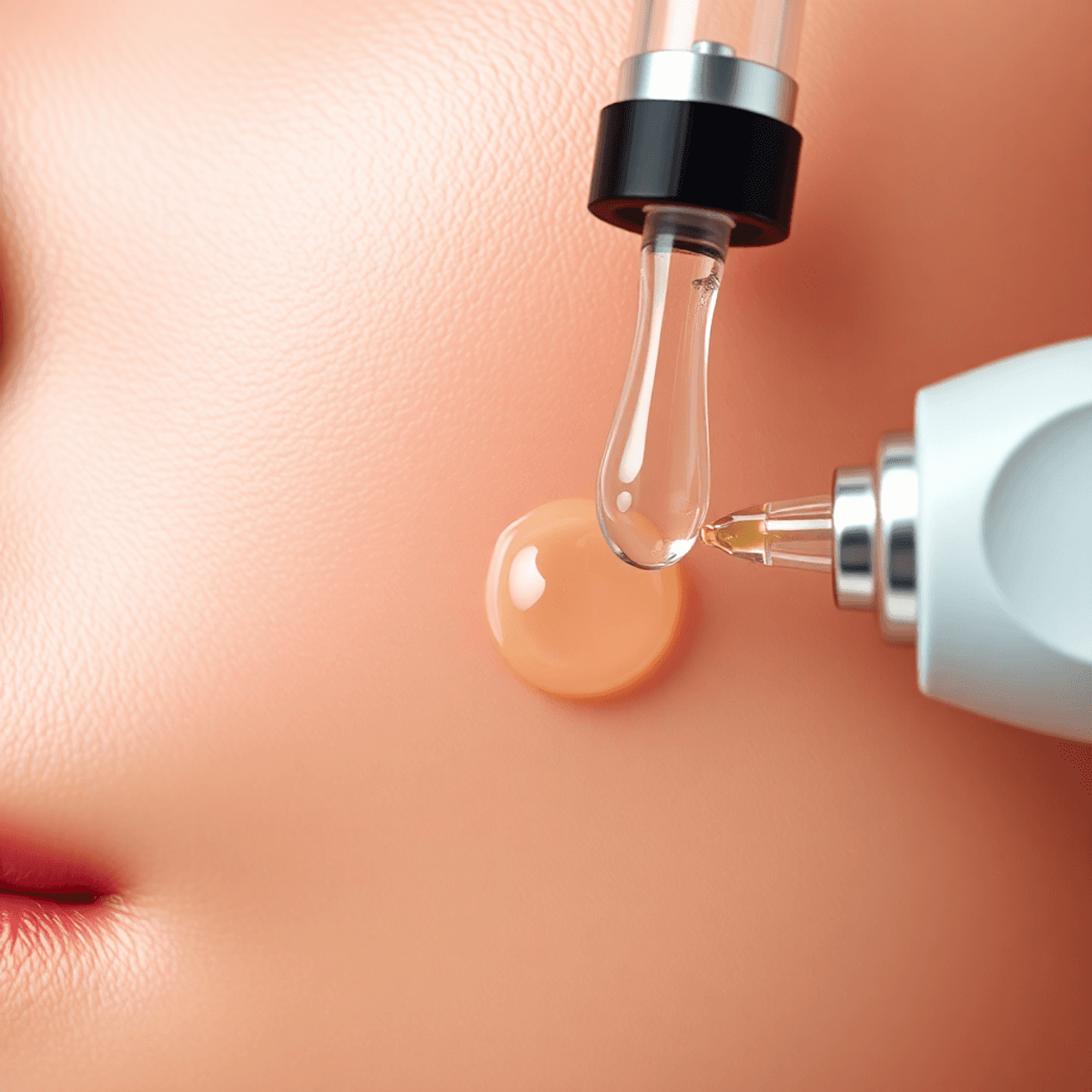
What Hyaluronic Acid Actually Does in the Skin
Hyaluronic acid (HA) is a glycosaminoglycan naturally found throughout the body, with the highest concentrations in skin, connective tissue, and the eyes. Its defining characteristic is its capacity to bind water—HA can attract and retain moisture equivalent to many times its own weight, making it one of the most effective hydrating compounds in both physiology and skincare science.
In the dermis, HA forms part of the extracellular matrix, where it maintains tissue volume, supports collagen architecture, and preserves the structural resilience of the skin. As we age, endogenous HA production decreases significantly, contributing to the dryness, thinning, and loss of elasticity associated with older skin.
Research confirms that hyaluronic acid functions as a biological humectant, retaining water in the skin and demonstrating excellent tolerability and measurable improvements in skin hydration when applied topically in a serum formulation.
Multiple RCTs support HA-based cosmeceuticals as a noninvasive, effective solution for improving skin hydration and rejuvenation, with studies showing benefits across hydration, elasticity, and wrinkle reduction with consistent use.
How Microneedling Sets the Stage for Hyaluronic Acid
Using hyaluronic acid for microneedling enhances hydration and improves skin texture, making it a powerful combination for achieving radiant skin. Incorporating hyaluronic acid for microneedling into your skincare routine can lead to remarkable results. The proper application of hyaluronic acid for microneedling can maximize the treatment benefits, ensuring your skin looks and feels revitalized. Additionally, hyaluronic acid for microneedling can help in the recovery process, allowing for smoother and more supple skin.
Microneedling—also known as percutaneous collagen induction therapy—uses fine needles to create controlled micro-injuries across the epidermis and upper dermis. The skin responds with a wound healing cascade: inflammation, proliferation, and remodeling. Over the following weeks, fibroblasts migrate to the treated area, collagen and elastin synthesis ramps up, and the dermal matrix thickens and reorganizes.
But there is a second, equally important function of microneedling for those using topical serums: the microchannels created by needling temporarily bypass the stratum corneum—the skin’s primary barrier to topical delivery. This window dramatically increases the absorption depth and efficiency of whatever serum is applied immediately after.
Research confirms that microneedling’s micro-channels allow for significantly better penetration of topical agents such as serums containing vitamins or growth factors, and that this enhanced absorption substantially increases the efficacy of these treatments.
This is why hyaluronic acid for microneedling is not just a helpful add-on—it is a clinically meaningful upgrade to the standard protocol.
The Science Behind Combining Hyaluronic Acid with Microneedling
Hyaluronic acid plays a specific and important role in wound healing beyond simple hydration. HA creates physiological conditions in the extracellular matrix that support the proliferation, migration, and organization of dermal cells, giving it a direct functional role in the tissue repair process triggered by microneedling.
Combining these two modalities has been studied clinically with encouraging results. A randomized, investigator-blinded, split-face trial found that fillers, microneedling, and chemical peeling all benefited measurably from topical HA application used postprocedurally, supporting the practice of HA application as a routine part of post-microneedling care.
For those seeking to push results further, pairing HA with growth factors is the logical next step. Clinical research has demonstrated that while microneedling alone improved several skin parameters, the addition of growth factors to a microneedling protocol enhanced both skin texture and hydration to a greater degree—pointing to the synergistic value of combining these ingredients.
8 Essential Tips for Using Hyaluronic Acid for Microneedling
1. Apply Your HA Serum Immediately After Treatment
The microchannels created by microneedling are transient—they open for a limited window before the skin begins its barrier repair. To capture maximum benefit, apply your hyaluronic acid serum within minutes of completing your session, while the channels remain patent. This is the moment of peak absorption, and nothing else in the protocol competes with it for importance.
2. Choose a Serum With Multiple Molecular Weights
Not all hyaluronic acid molecules behave the same way. High molecular weight HA forms a moisture-retaining film on the skin’s surface, while low molecular weight fractions can penetrate more deeply into the epidermis.
Clinical studies have confirmed that multi-weight HA formulations deliver both surface hydration and deeper epidermal penetration, with measurable improvements in dryness, roughness, and fine lines and wrinkles observed as early as two weeks of use.
Bradceuticals Gold combines HA with a full MSC-derived growth factor complex, giving you deep hydration and regenerative signaling in a single post-microneedling application.
3. Keep Your Formula Clean and Free of Irritants
The skin is in a sensitized, compromised state after microneedling. Open microchannels mean that everything you apply goes deeper—including anything your skin would ordinarily react to. Avoid serums containing fragrances, alcohol, artificial dyes, or strong preservatives during this window.
Prioritize lightweight, fragrance-free formulations with a short, purposeful ingredient list. Anything that would cause irritation on healthy skin can cause significant discomfort post-procedure.
4. Avoid Actives That Compete With Healing
Retinoids, exfoliating acids (AHAs, BHAs), vitamin C in acidic forms, and other high-potency actives should be avoided for a minimum of 72 hours post-microneedling, and ideally for five to seven days. These ingredients can interfere with the healing process and introduce unnecessary inflammation when the skin is already managing a controlled wound response.
Reserve this phase for gentle, supportive ingredients—HA, growth factors, peptides, and soothing botanicals like centella asiatica or allantoin.
5. Stay Hydrated Beyond the Surface
The hydrating effect of topical HA is most powerful when the body is also well-hydrated. Drinking adequate water in the days following microneedling supports overall skin moisture balance and tissue recovery. HA draws water from deeper tissue and the environment—but there needs to be water available to draw from.
Keep a gentle HA-containing moisturizer nearby and reapply throughout the day as needed, especially if you feel tightness or dryness in the treated area.
6. Shield Your Skin From the Sun
Microneedled skin is significantly more vulnerable to UV damage. The disruption of the stratum corneum reduces your natural photoprotection temporarily, and sun exposure during this window can cause hyperpigmentation, inflammation, and compromised healing.
Apply a mineral-based broad-spectrum SPF 30 or higher once your skin has completed its initial recovery (typically 24–48 hours post-treatment), and avoid direct sun exposure during the acute healing phase. Sun protection is non-negotiable as part of any hyaluronic acid for microneedling protocol.
7. Consider the Area Being Treated
Hyaluronic acid for microneedling is effective across multiple treatment zones, each with slightly different considerations. The face—particularly the periorbital area, forehead, and lower cheeks—benefits most visibly from combined HA and growth factor application given the density of fine lines and the high visibility of textural improvements. The neck and décolleté require extra gentleness, as the skin here is thinner and slower to recover. For hands and arms, where the goal is often volume restoration and texture improvement, consistent post-needling HA application is especially supportive.
8. Commit to a Multi-Session Protocol for Lasting Results
A single microneedling session produces initial improvements, but the most significant structural changes—thicker dermis, reduced wrinkles, improved pore appearance—accumulate over a series of treatments spaced three to six weeks apart. Using hyaluronic acid for microneedling consistently across a full protocol, rather than just occasionally, ensures that the recovery environment is optimized after every session, allowing cumulative gains to compound over time.
Research notes that it typically takes three to six months following treatment to see final results from microneedling, with multiple sessions required to achieve the desired effect—underscoring the value of supporting every session with evidence-based post-procedure care.
Why Hyaluronic Acid Alone May Not Be Enough
Hyaluronic acid is an outstanding hydration ingredient and a sensible post-microneedling choice. But it does one thing: attract and retain water. It does not stimulate collagen synthesis, signal fibroblast proliferation, or actively accelerate the tissue remodeling that microneedling initiates.
That is where mesenchymal stem cell-derived growth factors make the difference. When Bradceuticals Gold is applied after microneedling, the growth factor complex—EGF, bFGF, TGF-β, VEGF, HGF, and others—enters through the open microchannels and communicates directly with dermal cells, pushing the healing response further than the skin would achieve on its own. The HA component handles hydration and barrier support; the growth factors handle regeneration. Together, the two create conditions that microneedling alone—or HA alone—cannot.
Understanding the Skin’s Healing Response to Microneedling
After a microneedling session, the skin moves through three overlapping stages of repair. During the inflammatory phase (hours 0–72), the immune system responds to the micro-injuries, increasing blood flow to the area and creating the characteristic redness and mild swelling. This is not a problem to suppress—it is the initiation signal for everything that follows.
During the proliferative phase (days 3–14), fibroblasts arrive and begin laying down new collagen and elastin. This is the phase where topical support matters most; growth factors applied through open microchannels can actively participate in this repair signaling.
During the remodeling phase (weeks 3–24), the newly produced collagen organizes into stronger, more structured fibers. Skin density increases, fine lines soften, and texture improves. Supporting hydration throughout this phase with regular HA application helps maintain the pliability of the tissue as it heals.
Skin Types and Hyaluronic Acid for Microneedling
Hyaluronic acid is one of the most universally compatible skincare ingredients—it is non-comedogenic, fragrance-free in its pure form, and works through the same physiological mechanism for every skin type. This compatibility makes it the ideal base ingredient for post-microneedling protocols regardless of whether the patient has dry, oily, combination, or sensitive skin.
Those with sensitive or reactive skin should be especially deliberate about formula selection, confirming that the serum contains no potential irritants and is specifically formulated to support healing. For acne-prone skin, lightweight serum formats are preferable to creamy occlusives in the immediate post-procedure window.
Frequently Asked Questions
When should I apply hyaluronic acid for microneedling? Apply your HA serum immediately after your session, while the microchannels created by needling are still open. This is the window of maximum penetration and absorption. For best results, use a serum that combines HA with growth factors, like Bradceuticals Gold, to support both hydration and active tissue repair simultaneously.
Can I use hyaluronic acid during microneedling as a gliding medium? Some practitioners use HA gel as a gliding medium during the microneedling procedure itself. For post-procedure application, however, the priority is a clean, bioactive serum applied immediately after needling—not a thicker gliding product.
How long does it take to see results from hyaluronic acid for microneedling? Initial improvements in hydration and skin texture may be visible within days of treatment. Structural changes—collagen thickening, wrinkle reduction, improved pore size—develop over three to six months as the remodeling phase progresses. Consistency across multiple sessions compounds results meaningfully.
Is hyaluronic acid safe on freshly microneedled skin? Pure, fragrance-free hyaluronic acid is among the gentlest and most well-tolerated ingredients in skincare and is specifically recommended for post-microneedling care. The key is ensuring the formula does not contain potential irritants that could cause issues when absorbed through open microchannels.
Why is Bradceuticals Gold better than a plain hyaluronic acid serum post-microneedling? Bradceuticals Gold combines hyaluronic acid with mesenchymal stem cell-derived growth factors, which actively communicate with skin cells to accelerate collagen synthesis, reduce inflammation, and drive tissue repair. Plain HA hydrates; Bradceuticals Gold hydrates and regenerates. Post-microneedling is precisely the moment when growth factor delivery matters most—and open microchannels make it possible.
What should I avoid after microneedling? Avoid retinoids, exfoliating acids, vitamin C, makeup, and direct sun exposure for at least 72 hours. Use only gentle, fragrance-free products and apply broad-spectrum SPF once your skin barrier has begun to recover.
How many microneedling sessions will I need? Most protocols involve three to six sessions spaced three to six weeks apart, with maintenance treatments every three to six months. Using hyaluronic acid for microneedling as a consistent element of your aftercare supports optimal recovery and cumulative improvement across the full treatment course.
Does molecular weight of hyaluronic acid matter for microneedling? Yes. Lower molecular weight HA penetrates more deeply into the epidermis, while higher molecular weight HA provides surface hydration and a protective barrier effect. Multi-weight formulations deliver both benefits simultaneously, which is why they are preferred for post-microneedling application.
References
- Merati M, Woods C, Reznik N, Parker L. An assessment of microneedling with topical growth factors for facial skin rejuvenation: a randomized controlled trial. J Clin Aesthet Dermatol. 2020;13(11). PMC7716740. https://pmc.ncbi.nlm.nih.gov/articles/PMC7716740/
- Verma S, Vashisht N, Bhari N. Comparative evaluation of therapeutic efficacy and safety of microneedling alone versus microneedling with hyaluronic acid in post-acne scarring. Indian Dermatol Online J. 2024. PMC10833484. https://pmc.ncbi.nlm.nih.gov/articles/PMC10833484/
- Ogilvie J et al. Physiological mechanisms and therapeutic applications of microneedling: a narrative review. Medicina. 2025. PMC11993440. https://pmc.ncbi.nlm.nih.gov/articles/PMC11993440/
- Draelos ZD et al. Efficacy evaluation of a topical hyaluronic acid serum in facial photoaging. Dermatol Ther (Heidelb). 2021;11(4):1385–1394. PMC8322246. https://pmc.ncbi.nlm.nih.gov/articles/PMC8322246/
- Jiang W et al. Benefits of topical hyaluronic acid for skin quality and signs of skin aging: from literature review to clinical evidence. Dermatol Ther (Heidelb). 2022. PMC10078143. https://pmc.ncbi.nlm.nih.gov/articles/PMC10078143/
- Trinh H et al. Microneedling in dermatology: a comprehensive review of applications, techniques, and outcomes. J Cosmet Dermatol. 2024. PMC11499218. https://pmc.ncbi.nlm.nih.gov/articles/PMC11499218/
- Narurkar VA et al. Clinical evaluation of next-generation, multi-weight hyaluronic acid plus antioxidant complex-based topical formulations with targeted delivery. J Drugs Dermatol. 2024. PMC11022840. https://pmc.ncbi.nlm.nih.gov/articles/PMC11022840/
- Drazen E et al. Microneedling with a novel, n-3-PUFA-rich formulation accelerates inflammation resolution to improve skin recovery outcomes. BMC Dermatol. 2023. PMC10689607. https://pmc.ncbi.nlm.nih.gov/articles/PMC10689607/
Disclaimer: This article is intended for educational and informational purposes only and does not constitute medical advice. Bradceuticals products are cosmeceutical formulations and are not intended to diagnose, treat, cure, or prevent any disease. Consult a licensed dermatologist or healthcare provider before beginning any new skincare treatment.
Last Reviewed: March 2026
About Bradceuticals : Thuy Myers is the founder of Bradceuticals which manufactures and distributes skin care and hair regrowth serums that use growth factors from human stem cells as the catalyst for regeneration. When she is not busy running the business and maintaining blogs, she is continuing her practice as a semiconductor engineer and occasionally teaches college engineering. In her free time, she enjoys the beach, working out at the gym and hanging out with her kiddo Brad.