

Every day you wait to address thinning hair, more follicles slip from the miniaturization stage into permanent dormancy — and once a follicle dies, no treatment on earth can bring it back. Red light therapy for hair loss is the only FDA-cleared, drug-free approach that intervenes at the mitochondrial level where follicular decline actually originates, boosting the cellular energy production that dormant follicles need to restart the growth cycle before the window closes permanently. Clinical trials have documented hair density increases of 35% to 51% over 16 weeks — results that rival pharmaceutical treatments without the sexual side effects of finasteride or the scalp irritation of minoxidil (PMC7373546). If your hair is thinning NOW, understanding red light therapy for hair loss is not optional — it is urgent.
But here is what the device manufacturers will never tell you: red light therapy for hair loss addresses the energy deficit in follicles but NOT the growth factor signaling deficit that determines whether energized follicles actually produce thick, terminal hair or just struggle along producing wispy vellus strands. Bradceuticals’ Gold Hair Follicle and Adipose Stem Cell Serum fills this gap — delivering human adipose stem cell conditioned media containing EGF, FGF, VEGF, and PDGF directly to the scalp after dermarolling, then followed by your red light therapy for hair loss session. This three-step protocol — dermarolling to create microchannels, growth factor serum to deliver regenerative signals, then red light to supercharge cellular metabolism — creates the most comprehensive follicular rescue strategy available without a prescription.
How Red Light Therapy for Hair Loss Works Inside Your Follicles
The Mitochondrial Energy Crisis
Hair follicles are among the most metabolically active structures in the human body — they require massive amounts of ATP (adenosine triphosphate) to fuel the rapid cell division that produces hair fiber. In androgenetic alopecia, DHT binding to follicular androgen receptors triggers miniaturization that progressively reduces blood supply and nutrient delivery to the follicle. The result is an energy crisis — mitochondria cannot produce enough ATP to sustain the anagen (growth) phase, and follicles prematurely enter catagen and telogen.
Red light therapy for hair loss resolves this crisis at its source. Photons at wavelengths between 630 and 670nm penetrate 3 to 5mm into scalp tissue and are absorbed by cytochrome c oxidase in the mitochondrial electron transport chain. This absorption displaces nitric oxide that was inhibiting the enzyme, restoring electron flow and dramatically increasing ATP output. The energized follicle can then sustain the metabolic demands of active growth.
Nitric Oxide Release and Vasodilation
Red light therapy for hair loss also triggers nitric oxide release from endothelial cells surrounding follicular blood vessels. This nitric oxide causes vasodilation — widening blood vessels to increase oxygen and nutrient delivery to the dermal papilla. Improved microcirculation supplies the amino acids, minerals, and vitamins that active hair growth demands. Follicles that were starving under restricted blood flow suddenly receive the metabolic raw materials they need.
Anti-Inflammatory Effects
Perifollicular inflammation — the chronic low-grade inflammation surrounding hair follicles in androgenetic alopecia — accelerates miniaturization by creating a hostile tissue environment. Red light therapy for hair loss reduces this inflammation through modulation of pro-inflammatory cytokines, creating conditions more favorable for follicular recovery and sustained growth.
Stem Cell Activation
Red light therapy for hair loss activates the bulge stem cells within hair follicles — the progenitor cells responsible for regenerating the follicle at the start of each new growth cycle. By energizing these stem cells, red light extends the anagen phase and delays the transition to catagen, giving each hair more time to grow longer and thicker before shedding naturally.
The Clinical Evidence for Red Light Therapy for Hair Loss
Published Trial Results
A meta-analysis published in the Journal of Cosmetic and Laser Therapy reviewed multiple randomized controlled trials and concluded that low-level laser therapy — the mechanism behind red light therapy for hair loss — produced statistically significant increases in hair density and hair thickness compared to sham devices (PMC7373546). Individual studies have reported density improvements ranging from 35% to 51% over 16-week treatment periods.
Comparison With Pharmaceutical Treatments
Minoxidil (topical): Effective but requires twice-daily application indefinitely, causes scalp irritation in many users, and results reverse upon discontinuation. Red light therapy for hair loss requires no topical chemicals and carries virtually no side effect risk.
Finasteride (oral): Effective but carries risks of sexual dysfunction, depression, and hormonal disruption that many users find unacceptable. Red light therapy for hair loss works through photobiomodulation — it never enters your bloodstream or interacts with your hormonal system.
Red light therapy for hair loss offers a compelling advantage: comparable density improvements with zero systemic side effects, no chemical dependency, and no hormonal interference. For those who cannot tolerate or prefer to avoid pharmaceuticals, it represents the strongest evidence-backed alternative.
FDA Clearance
Multiple red light therapy for hair loss devices have received FDA 510(k) clearance for the treatment of androgenetic alopecia in both men and women. This regulatory clearance requires demonstration of safety and effectiveness, providing a baseline quality standard for consumers evaluating devices.
Why Red Light Therapy for Hair Loss Alone Is Not Enough
The Growth Factor Gap
Red light therapy for hair loss supercharges mitochondrial energy production — but energy without instructions is like filling a car with gas without turning the ignition. Follicular cells need growth factor signals to direct that energy toward specific biological outcomes: producing keratin, synthesizing melanin, dividing to extend the hair fiber. As you age, your scalp’s endogenous production of EGF, FGF, VEGF, and PDGF declines — leaving energized follicles without the regenerative roadmap they need.
Bradceuticals’ Gold Hair Follicle and Adipose Stem Cell Serum delivers these missing signals. Applied to the scalp after dermarolling — which creates microchannels for enhanced absorption — and followed by your red light therapy for hair loss session, this protocol addresses BOTH the energy deficit AND the signaling deficit simultaneously. The best LED hair growth helmets with the right protocol details how to structure this combined approach for maximum follicular reactivation.
The Three-Step Protocol
Step 1 — Scalp Dermarolling (0.25–0.5mm): Gently roll across thinning areas in four directions to create microchannels. These pathways deliver the growth factor serum past the scalp’s barrier directly to follicular stem cells and dermal papilla cells.
Step 2 — Growth Factor Serum Application: Apply Bradceuticals’ Gold Hair Follicle and Adipose Stem Cell Serum to damp scalp immediately after dermarolling. EGF, FGF, VEGF, and PDGF enter microchannels and reach the follicular cells where they provide the regenerative instructions that red light therapy for hair loss alone cannot deliver.
Step 3 — Red Light Therapy Session: After the serum has absorbed for five minutes, apply your red light device for the recommended 20 to 30 minutes. The red light energizes the follicular cells that have just received fresh growth factor signaling — creating a synergistic effect where growth factors provide the blueprint and light therapy provides the energy to execute it.
Perform this protocol 3 to 4 times per week for maximum cumulative results.
Choosing the Right Device for Red Light Therapy for Hair Loss
Wavelength
The optimal wavelength range for red light therapy for hair loss is 630 to 670nm. Some devices also incorporate near-infrared at 810 to 850nm for deeper penetration. Ensure any device you consider specifies its wavelength range — devices that list only “red light” without wavelength data provide no way to evaluate therapeutic relevance.
Device Type
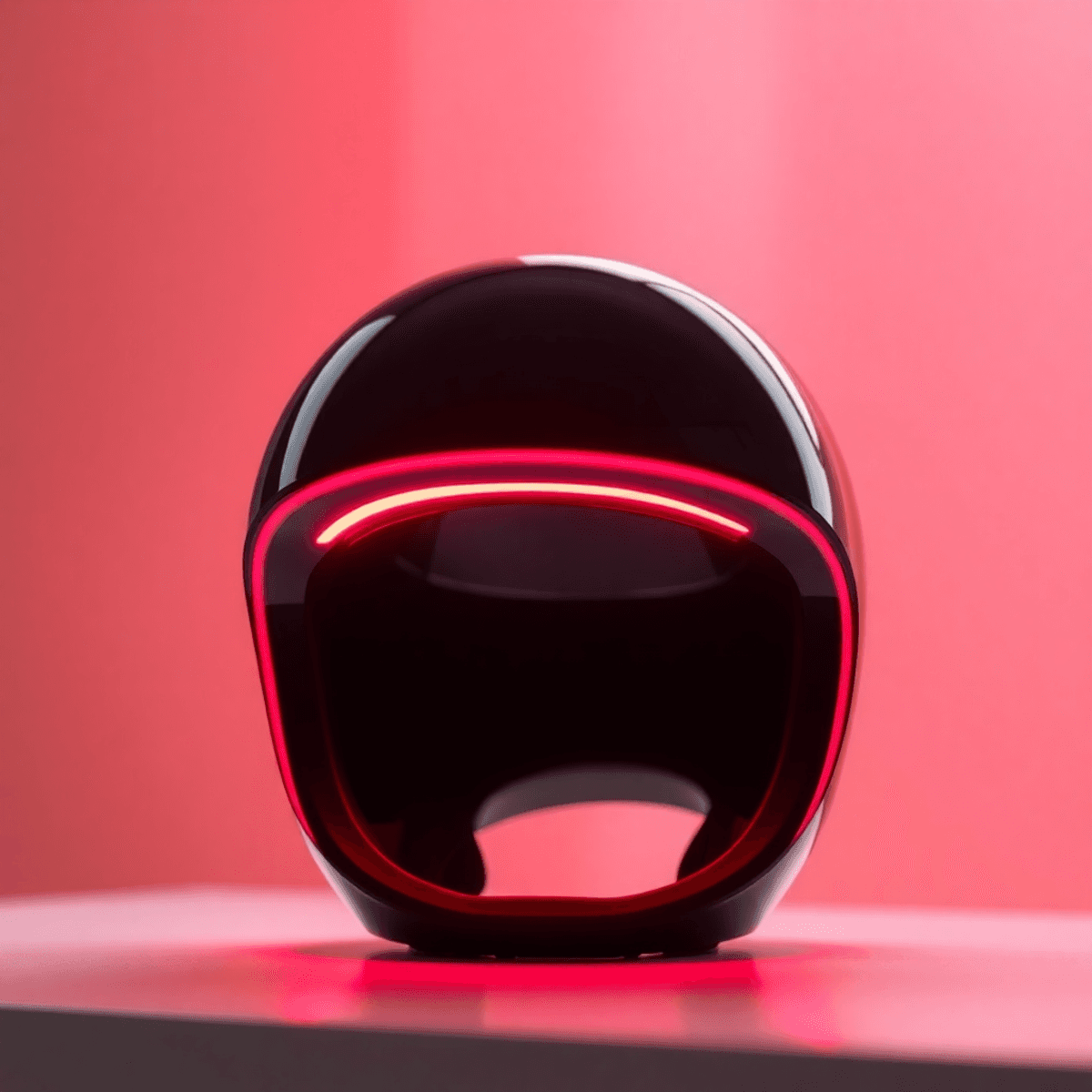
Helmets provide full scalp coverage with hands-free operation — ideal for comprehensive red light therapy for hair loss treatment while multitasking.
Caps offer portability and discretion — wear them under a hat during daily activities.
Bands target specific areas like the hairline or crown — useful for localized thinning but insufficient for diffuse patterns.
Combs require manual operation and provide targeted treatment — more time-consuming but allow precise application to specific zones.
Laser Diodes vs. LEDs
Medical-grade laser diodes deliver coherent, focused light at higher energy density per point. LEDs produce broader, non-coherent light at lower intensity per point but cover larger areas. Both have demonstrated efficacy for red light therapy for hair loss. Premium devices combine both technologies for comprehensive treatment.
Treatment Duration and Frequency
Most clinical protocols for red light therapy for hair loss recommend 20 to 30 minute sessions, 3 to 4 times per week. Consistency matters more than session length — skipping sessions disrupts the cumulative metabolic benefit building in stimulated follicles.
What to Realistically Expect From Red Light Therapy for Hair Loss
Weeks 1–4: The Shedding Phase
Initial increased shedding is normal and expected. Red light therapy for hair loss pushes telogen (resting) hairs out as follicles transition back into anagen. This temporary shedding is a positive sign — it means dormant follicles are reactivating. Do not panic and abandon treatment during this phase.
Weeks 4–12: Early Growth Signals
Reduced shedding is the first measurable improvement. Fine, light-colored vellus hairs may appear in previously thinning areas. Existing hairs may feel slightly thicker. These early signals indicate that red light therapy for hair loss is extending the anagen phase and improving follicular metabolism.
Weeks 12–20: Visible Density Improvement
Clinical trial timelines show statistically significant density increases at the 16-week mark. New hairs transition from vellus to terminal (thicker, pigmented) fibers. Overall coverage visibly improves. This is when the investment in consistent red light therapy for hair loss begins producing results others can notice.
Months 6–12: Maximum Results
With continued consistent use, hair density and thickness continue improving. Adding the growth factor serum protocol amplifies these results by providing the regenerative signaling that converts energized follicles into productive, terminal-hair-producing units. Maximum results from red light therapy for hair loss develop over 6 to 12 months of sustained treatment.
Who Gets the Best Results From Red Light Therapy for Hair Loss
Ideal Candidates
Red light therapy for hair loss works best for individuals with early-to-moderate thinning where follicles are miniaturized but not yet dead. The Norwood scale (men) stages II through V and Ludwig scale (women) stages I through II represent the optimal treatment window. The earlier you begin, the more viable follicles remain for reactivation.
Less Ideal Candidates
Completely bald areas where follicles have been absent for years are unlikely to respond — there are no viable cells remaining to energize. Red light therapy for hair loss cannot resurrect dead follicles. This is why early intervention is critical.
Both Men and Women
Red light therapy for hair loss is FDA-cleared for both male and female pattern hair loss. Women often experience excellent results because female hair loss typically involves diffuse thinning with many miniaturized-but-viable follicles — exactly the pattern red light therapy for hair loss addresses most effectively.
Frequently Asked Questions
Does red light therapy for hair loss actually work? Yes. Multiple randomized controlled trials demonstrate statistically significant hair density increases of 35% to 51% over 16 weeks. FDA clearance for multiple devices provides additional validation.
How long does red light therapy for hair loss take to show results? Reduced shedding by weeks 4 to 8. Visible new growth by weeks 12 to 16. Meaningful density improvement by weeks 16 to 24. Maximum results over 6 to 12 months.
Are there side effects from red light therapy for hair loss? Side effects are rare and typically limited to mild scalp warmth or tingling during use. No systemic effects, no hormonal interference, no chemical dependency.
Can I combine red light therapy for hair loss with other treatments? Yes — and you should. Combining red light with scalp dermarolling and Bradceuticals’ Gold Hair Follicle and Adipose Stem Cell Serum addresses both the energy deficit and the growth factor signaling deficit for maximum follicular recovery.
How often should I use red light therapy for hair loss? 3 to 4 sessions per week, 20 to 30 minutes per session. Consistency is more important than session duration.
Can red light therapy for hair loss regrow hair on completely bald areas? Generally no. Red light therapy for hair loss works by reactivating miniaturized-but-viable follicles. Areas that have been completely bald for years typically lack the cellular infrastructure to respond. Early intervention produces the best outcomes.
References
- Avci, P., et al. (2014). Low-level laser (light) therapy (LLLT) for treatment of hair loss. Lasers in Surgery and Medicine. https://pmc.ncbi.nlm.nih.gov/articles/PMC7373546/
Disclaimer: This article is for informational purposes only and does not constitute medical advice. Hair loss has multiple potential causes. Consult a board-certified dermatologist for personalized diagnosis and treatment recommendations.
Last reviewed: April 2026
About Bradceuticals : Thuy Myers is the founder of Bradceuticals which manufactures and distributes skin care and hair regrowth serums that use growth factors from human stem cells as the catalyst for regeneration. When she is not busy running the business and maintaining blogs, she is continuing her practice as a semiconductor engineer and teaches college engineering. In her free time, she enjoys the beach, working out at the gym and hanging out with her kiddo.