

You slather on thick body butter every morning and your skin STILL looks like crinkled tissue paper by afternoon. That is because crepey skin is not a hydration problem. It is an elastin architecture failure — the elastic fiber network that once gave your skin its bounce, snap, and resilience has degraded into a disorganized, non-functional mass that no amount of moisturizer can reassemble. Research published in the International Journal of Cosmetic Science confirmed that UV-induced photoaging causes alternative splicing of the elastin gene, leading to inadequate synthesis of proteins required for correct elastic fiber assembly — a phenomenon known as solar elastosis that is the PRIMARY pathological driver of crepey skin (Weihermann et al., 2016 — DOI). Your crepey skin is not lacking moisture. It is lacking functional elastic fibers — and only growth factor signaling can instruct fibroblasts to build new ones.
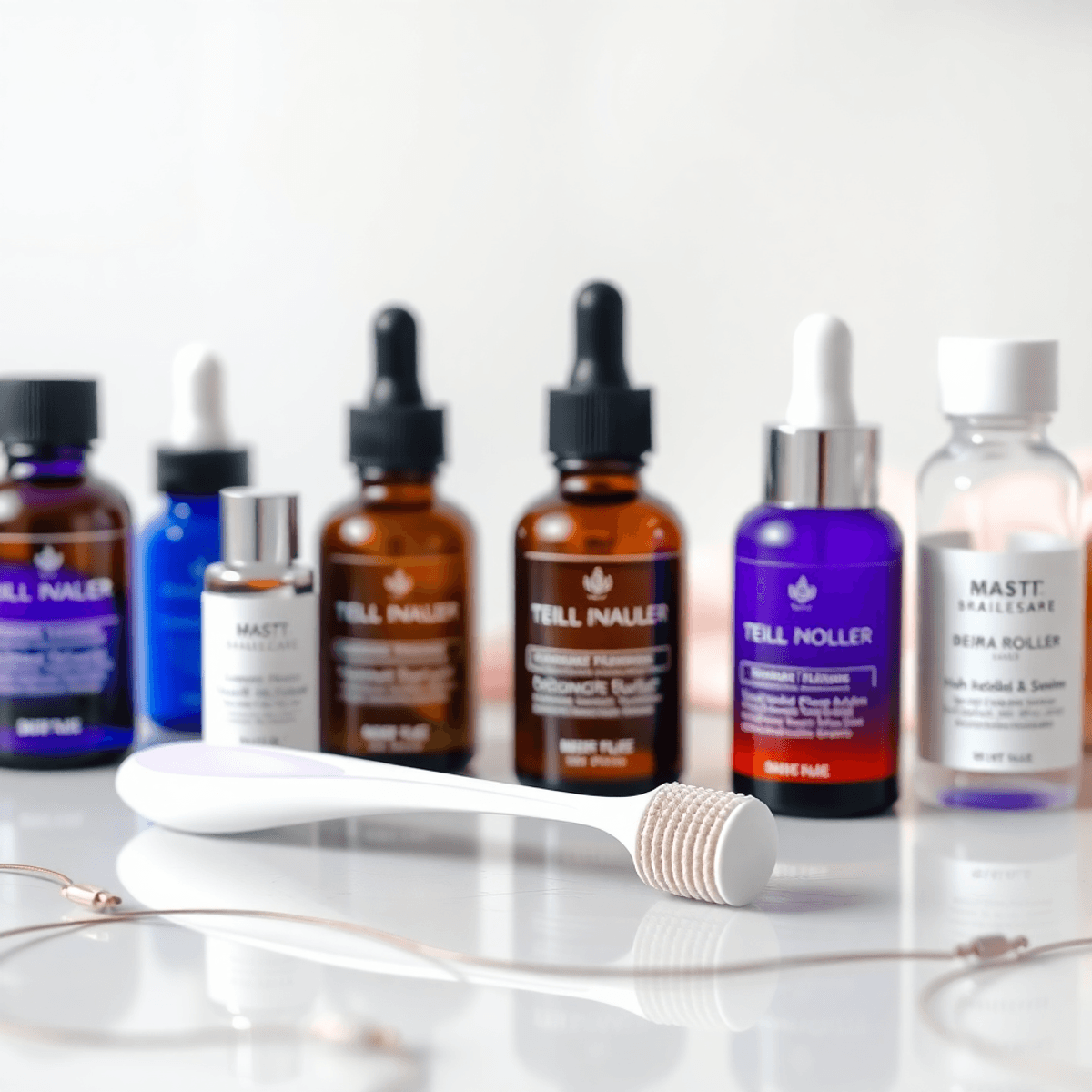
A landmark clinical trial published in Plastic and Reconstructive Surgery confirmed what this means for treating crepey skin: adipose mesenchymal stem cells achieved full regeneration of solar elastosis — complete de novo formation of oxytalan and elaunin elastic fibers with reconstitution of normal dermal architecture, replacing the pathological elastotic deposits with a functional elastin fiber network (Charles-de-Sá et al., 2020 — DOI). Bradceuticals’ Gold Mesenchymal Stem Cell Growth Factor Serum delivers the complete human mesenchymal stem cell secretome — EGF, TGF-β, FGF, PDGF, and VEGF — the coordinated growth factor signals that instruct fibroblasts to rebuild both the collagen AND the elastin that crepey skin has lost. Applied to damp, dewy skin twice daily, this is where the clinical science of treating crepey skin begins.
Why Your Skin Becomes Crepey — The Biology Nobody Explains
Elastin Cannot Be Replaced by Moisturizer
Crepey skin looks and feels like crinkled tissue paper because the elastic fiber network beneath the surface has collapsed. Elastin is the protein responsible for skin’s recoil — its ability to stretch and snap back. Unlike collagen, which your body continuously produces (albeit at declining rates), elastin is produced primarily during development and early life. By adulthood, new elastin production is minimal unless specifically stimulated by growth factor signaling. This is why crepey skin develops as existing elastin fibers degrade — your body is NOT automatically replacing them. Growth factors are the biological signal required to restart this production.
UV Damage Creates Dysfunctional Elastin Deposits
The Weihermann et al. review confirmed that UV radiation causes alternative splicing of the elastin gene — meaning your fibroblasts produce MALFORMED elastin proteins that cannot assemble into functional fibers. These defective proteins accumulate as solar elastosis — the disorganized, non-functional deposits visible on histological examination of photoaged skin. Crepey skin is the visible consequence of this dysfunctional accumulation. UV exposure activates matrix metalloproteinases that simultaneously degrade functional collagen (Quan et al., 2009 — DOI). The result is crepey skin driven by BOTH elastin dysfunction AND collagen degradation. The best approaches to treating sun damage details how growth factors counteract this dual photodamage.
Thin Skin Zones Show Crepey Texture First
Crepey skin typically appears first on the areas with the thinnest dermis and most UV exposure — under the eyes, the neck, the décolletage, the inner arms, and the backs of the hands. These zones have less structural reserve, meaning the consequences of elastin degradation become visible earlier. Thicker facial zones like the cheeks may not show crepey skin until years after the neck and arms have already developed the tissue-paper texture.
The 9 Truths About Crepey Skin
Truth 1 — Growth Factors Rebuild the Elastin Network Moisturizers Cannot Touch
The most effective approach to crepey skin delivers growth factor signals that instruct fibroblasts to produce NEW functional elastin fibers. The Charles-de-Sá et al. clinical trial demonstrated that adipose mesenchymal stem cell therapy achieved complete regeneration of the elastic fiber system — replacing pathological elastotic deposits with organized, functional elastic fibers. Bradceuticals’ Gold Mesenchymal Stem Cell Growth Factor Serum delivers the same category of active — the adipose-derived mesenchymal stem cell secretome containing the growth factors that drive elastin AND collagen production simultaneously. The reasons why EGF serums lead skin rejuvenation details how growth factor receptor binding initiates this regenerative cascade.
Truth 2 — Crepey Skin Requires BOTH Collagen AND Elastin Rebuilding
Most anti-aging products focus exclusively on collagen. But crepey skin is primarily an ELASTIN problem — the bounce and recoil are gone. Collagen provides structural density; elastin provides flexibility and snap-back. Research confirms that the mesenchymal stromal cell secretome possesses regenerative properties that drive both collagen and elastin synthesis through coordinated multi-signal growth factor delivery (Ferreira et al., 2018 — DOI). FGF specifically stimulates fibroblasts to produce BOTH proteins. The best growth factor serums for youthful skin evaluates products across this dual-protein capability.
Truth 3 — Microneedling Delivers Growth Factors to the Elastin-Depleted Dermis
Growth factors weigh 6,045+ Daltons — far exceeding the 500-Dalton passive penetration limit. Microneedling bypasses the stratum corneum to deliver actives directly into the vascularized dermis, with histological studies confirming up to 400% increase in collagen and elastin deposition after multiple sessions (Singh & Yadav, 2016 — DOI). For crepey skin, this means growth factors reach the exact dermal layer where elastin fibers need to be rebuilt. Apply Bradceuticals’ serum within 60 seconds post-procedure to damp skin. The complete stages of microneedling recovery maps optimal timing. The healing stages every patient should know provides day-by-day guidance.
Truth 4 — Vitamin C Supports Elastin AND Collagen Assembly
According to the comprehensive review in Nutrients, vitamin C acts as the cofactor for prolyl and lysyl hydroxylases that stabilize the collagen molecule’s tertiary structure and promotes collagen gene expression (Pullar et al., 2017 — DOI). The same hydroxylation process is involved in elastin cross-linking. For crepey skin, vitamin C applied AFTER growth factor serum provides the assembly support both proteins require.
Truth 5 — Retinol Helps but Cannot Solve Crepey Skin Alone
Retinol upregulates collagen gene expression through nuclear receptors — valuable for the collagen component of crepey skin. But retinol does not directly stimulate elastin production through the same mechanism. For crepey skin that is primarily an elastin problem, growth factors provide the essential signal that retinol cannot deliver. Combine both on alternating evenings for maximum multi-pathway protein rebuilding. The microneedling healing timeline guides retinol scheduling.
Truth 6 — Body Zones Require the Same Treatment as Facial Crepey Skin
Crepey skin on the arms, décolletage, and hands responds to growth factors identically to facial skin — the fibroblasts and growth factor receptors are the same. Extend your growth factor serum application to EVERY zone showing crepey skin — not just the face. The thin dermis of these body zones means growth factors reach fibroblasts readily, often producing visible improvement faster than on thicker facial skin.
Truth 7 — SPF Is Non-Negotiable for Crepey Skin
UV radiation caused the elastin gene splicing dysfunction that created your crepey skin in the first place. Continued UV exposure without protection perpetuates the production of malformed elastin proteins while degrading what functional fibers remain. Daily mineral SPF 30+ on ALL exposed crepey skin zones — face, neck, chest, arms, hands — prevents further damage while growth factors rebuild.
Truth 8 — Ceramide Barrier Repair Supports Elastin Recovery
Crepey skin has a compromised barrier that loses transepidermal water rapidly — the tissue-paper texture is partly a visual consequence of dehydration in barrier-compromised tissue. Ceramide moisturizer restores the intercellular lipid matrix, reduces water loss, and creates the hydrated environment that growth factor receptor binding requires for maximum efficacy.
Truth 9 — Results Take Longer for Crepey Skin Than for Wrinkles
Crepey skin involves rebuilding the elastin fiber network — a more complex biological process than collagen deposition alone. Expect 12 to 16 weeks for measurable improvement in crepey skin texture, compared to 8 to 12 weeks for wrinkle reduction. The Barone et al. clinical trial confirmed continual dermal restructuring through 12 weeks with ongoing improvement beyond that timeline (Barone et al., 2019). The best stem cell serums ranked for 2026 evaluates products for sustained long-term use. The best hyaluronic acid serums for microneedling evaluates hydration products that support this extended recovery.
The Complete Protocol for Crepey Skin
Morning — Face
Gentle cleanser → Bradceuticals’ Gold Mesenchymal Stem Cell Growth Factor Serum on damp skin → vitamin C serum → niacinamide moisturizer → ceramide cream → mineral SPF 30+.
Morning — Body Zones (Arms, Décolletage, Hands)
Apply growth factor serum to damp skin on ALL crepey skin zones after showering → ceramide body lotion → mineral SPF 30+ on all exposed areas.
Evening — Face
Double cleanse → growth factor serum on damp skin → retinol on alternating nights → ceramide night cream.
Evening — Body Zones
Apply growth factor serum to crepey skin areas → ceramide body cream.
Monthly Microneedling
Face: 0.5–1.0mm. Neck and décolletage: 0.25–0.5mm (thinner skin). Arms and hands: 0.5mm. Apply growth factor serum within 60 seconds post-procedure. Continue twice-daily protocol for 14 days.
Results Timeline for Crepey Skin
Weeks 1–3: Improved hydration and texture. Crepey skin zones feel smoother and less papery. Barrier function begins improving as ceramides restore the lipid matrix.
Weeks 4–8: Crepey skin texture begins visibly softening. The tissue-paper appearance becomes less pronounced. Skin feels slightly more resilient when pinched — early signs of elastin fiber deposition.
Weeks 8–16: Measurable improvement in skin elasticity and recoil. Crepey skin is noticeably less crinkled. The bounce-back when skin is stretched begins returning. This is the elastin rebuilding phase that distinguishes growth factor treatment from anything moisturizers can achieve.
Months 4–8: Maximum improvement as new elastic fibers mature and integrate into functional networks. Crepey skin that once looked decades older than facial skin now begins matching the texture and resilience of treated facial zones.
Frequently Asked Questions
What causes crepey skin? Degradation of the elastin fiber network through UV-induced alternative splicing of the elastin gene (solar elastosis), combined with collagen decline from aging. The result is skin that has lost its bounce, recoil, and structural resilience.
What is the most effective treatment for crepey skin? Daily growth factor serum containing the complete mesenchymal stem cell secretome combined with monthly microneedling. Bradceuticals’ Gold Mesenchymal Stem Cell Growth Factor Serum delivers the growth factors that instruct fibroblasts to rebuild BOTH elastin AND collagen.
Can you actually reverse crepey skin? Yes. The Charles-de-Sá et al. 2020 clinical trial demonstrated full regeneration of the elastic fiber system using adipose mesenchymal stem cells. Topical growth factor delivery achieves a less dramatic but measurable version of this same biological process.
Why don’t moisturizers fix crepey skin? Moisturizers hydrate the surface and may temporarily reduce the visual severity of crepey skin. But they deposit ZERO new elastin fibers. The structural deficit that causes the tissue-paper texture remains unchanged after every application wears off.
How long before crepey skin improves? Texture improvement at weeks 4 to 8. Measurable elasticity improvement at weeks 8 to 16. Maximum improvement over 4 to 8 months. Crepey skin requires longer treatment timelines than wrinkles because elastin rebuilding is biologically more complex than collagen deposition.
Can crepey skin on arms and hands be treated? Yes. Body zone fibroblasts respond to growth factors identically to facial fibroblasts. Extend your growth factor serum and microneedling protocol to ALL crepey skin zones.
References
- Weihermann, A.C., et al. (2016). Elastin structure and its involvement in skin photoageing. International Journal of Cosmetic Science. PMID: 27731897. DOI
- Charles-de-Sá, L., et al. (2020). Photoaged skin therapy with adipose-derived stem cells. Plastic and Reconstructive Surgery. PMID: 32459770. DOI
- Varani, J., et al. (2006). Decreased collagen production in chronologically aged skin. American Journal of Pathology. PMID: 16723701. PMC1606623. DOI
- Singh, A. & Yadav, S. (2016). Microneedling: Advances and widening horizons. Indian Dermatology Online Journal. PMID: 27559496. PMC4976400. DOI
- Pullar, J.M., et al. (2017). The roles of vitamin C in skin health. Nutrients. PMID: 28805671. PMC5579659. DOI
- Quan, T., et al. (2009). Matrix-degrading metalloproteinases in photoaging. Journal of Investigative Dermatology Symposium Proceedings. PMID: 19675548. PMC2909639. DOI
- Ferreira, J.R., et al. (2018). Mesenchymal stromal cell secretome: Influencing therapeutic potential by cellular pre-conditioning. Frontiers in Immunology. PMID: 30564236. PMC6288292. DOI
- Barone, F., et al. (2019). Clinical evidence of dermal and epidermal restructuring from a biologically active growth factor serum. Journal of Drugs in Dermatology. PMID: 30909351.
Disclaimer: This article is for informational purposes only and does not constitute medical advice. Consult a board-certified dermatologist before beginning any new skincare regimen.
Last reviewed: April 2026
About Bradceuticals : Thuy Myers is the founder of Bradceuticals which manufactures and distributes skin care and hair regrowth serums that use growth factors from human stem cells as the catalyst for regeneration. When she is not busy running the business and maintaining blogs, she is continuing her practice as a semiconductor engineer and teaches college engineering. In her free time, she enjoys the beach, working out at the gym and hanging out with her kiddo.