

Years of layering expensive creams and wondering why nothing changes — that frustration is the starting point for most people who eventually discover EGF skin care. The reason those products failed is biological, not personal. Most active ingredients never penetrate past the stratum corneum, so they cannot reach the fibroblasts responsible for manufacturing collagen and elastin. A comprehensive dermatological review confirmed that topical recombinant human EGF promotes fibroblast migration, increases collagen synthesis, and boosts hyaluronic acid production in aging skin (PMC10333026). EGF skin care works at the cellular level where aging actually happens — not on the surface where other products get stuck.
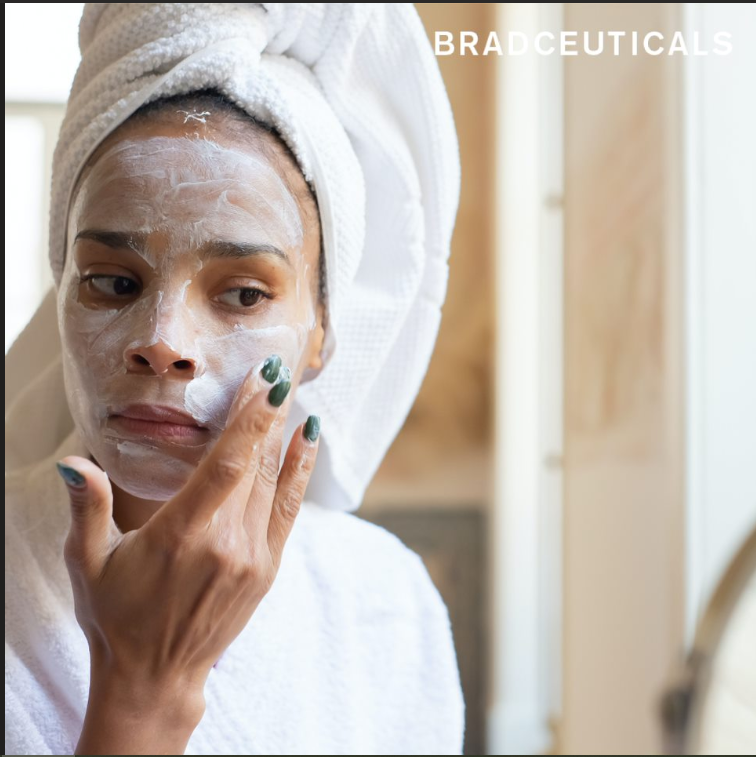
That shift from surface hydration to cellular communication is what makes EGF skin care a genuine breakthrough. A 12-week placebo-controlled clinical trial demonstrated that a growth factor-based skincare regimen significantly reduced sagging, wrinkles, photodamage, and hyperpigmentation — with participants reporting a median decrease in self-perceived age of six years (PMC9823186). Bradceuticals Gold Mesenchymal Stem Cell Growth Factor Serum takes this science further by delivering a full-spectrum complex of human mesenchymal stem cell-derived growth factors — not just EGF alone — directly to aging skin. Applied to damp, dewy skin after microneedling or as part of a daily regimen, it transforms a simple routine into a clinically meaningful regeneration protocol.
What Makes EGF Skin Care Different from Traditional Anti-Aging Products
Traditional anti-aging products operate through three basic mechanisms — hydration, chemical exfoliation, or antioxidant protection. These approaches address symptoms of aging on the surface without influencing the biological processes that cause visible decline. EGF skin care operates through an entirely different mechanism: receptor-mediated cell signaling.
Epidermal growth factor is a 53-amino-acid polypeptide that binds to specific EGFR receptors on keratinocytes and fibroblasts. When EGF docks with these receptors, it triggers intracellular cascading signals that increase DNA synthesis, cell division, and protein production. This is not a cosmetic effect — it is a biological instruction that tells cells to behave the way they did when the skin was younger.
A systematic review of growth factor preparations for facial rejuvenation found that topical application of EGF-containing products increased dermal collagen synthesis, improved skin texture, and reduced fine lines across multiple controlled studies (PMID:37226523). No retinol, vitamin C serum, or hyaluronic acid product can replicate this signaling mechanism because they lack the receptor-binding proteins that initiate it. This is the core advantage that separates EGF skin care from everything else in the anti-aging category.
The Science Behind How EGF Skin Care Rebuilds Aging Skin
Understanding why EGF skin care produces visible results requires understanding what actually breaks down as skin ages. After age 25, EGF production naturally declines. Fibroblasts receive fewer signals to produce collagen. Cell turnover slows. The epidermal layer thins. These changes happen invisibly for years before they manifest as wrinkles, sagging, and dullness.
EGF skin care reverses this decline by reintroducing the signaling protein that fibroblasts have been missing. Research demonstrates that EGF improves the migration and contractility of aged fibroblasts while simultaneously increasing both hyaluronic acid and collagen synthesis (PMC10333026). Fibroblasts that had become sluggish begin responding again — manufacturing the structural proteins that maintain skin firmness and elasticity.
Clinical studies also confirm that EGF skin care addresses hyperpigmentation. Topical application of recombinant human EGF twice daily for eight weeks decreased melasma in 73.4% of study participants by reducing the expression of melanogenesis-associated proteins (PMC8423211). This means a single EGF skin care product can simultaneously target wrinkles, firmness, texture, and uneven tone — a multi-correction capability that typically requires three or four separate products in a conventional routine.
How to Build an Effective EGF Skin Care Routine
Building an EGF skin care routine does not require replacing every product on the shelf. EGF works best when positioned correctly within an existing regimen and applied under conditions that maximize absorption and biological activity.
Step one: Cleanse thoroughly. EGF skin care products need direct contact with clean skin. Residual makeup, sunscreen, or oil creates a barrier between EGF molecules and the EGFR receptors they need to bind. A gentle, pH-balanced cleanser that removes impurities without stripping the skin’s moisture barrier is ideal.
Step two: Apply EGF to damp skin. Slightly damp skin allows growth factor molecules to move across the surface and into follicular openings and micro-irregularities more efficiently than bone-dry skin. This is especially critical when using EGF skin care products after microneedling sessions where open microchannels provide direct dermal access.
Step three: Allow absorption before layering. Give the EGF skin care product five to ten minutes to absorb before applying moisturizer or sunscreen. Growth factors need time to bind to receptors, and immediately layering heavier products can dilute or displace the active proteins before they complete that binding process.
Step four: Protect with SPF every morning. UV exposure degrades growth factor proteins and accelerates the collagen breakdown that EGF skin care works to reverse. A broad-spectrum mineral sunscreen with zinc oxide completes the routine by protecting the investment made during the treatment steps.
Why Growth Factor Source Determines EGF Skin Care Effectiveness
The EGF skin care market includes products derived from vastly different sources — barley plants, snail secretion, yeast fermentation, and human stem cells. These sources are not interchangeable because receptor compatibility varies dramatically between species.
Plant-derived EGF from barley has a different molecular structure than human EGF. While it can bind to some human receptors, the affinity and downstream signaling cascade are weaker than what human-derived growth factors produce. Snail secretion filtrates contain trace amounts of growth-factor-like substances but at concentrations far below therapeutic thresholds established in clinical research.
Human mesenchymal stem cell-derived growth factors represent the most biologically compatible option for EGF skin care because human skin receptors evolved to respond to human signaling proteins. Bradceuticals Gold Mesenchymal Stem Cell Growth Factor Serum uses growth factors from human bone marrow mesenchymal stem cells — delivering not just EGF but the full biological secretome including FGF, TGF-beta, VEGF, PDGF, and HGF. This multi-factor approach reflects how skin repair actually works in the body, where dozens of signaling proteins coordinate simultaneously rather than a single growth factor working in isolation.
When to Expect Results from an EGF Skin Care Routine
EGF skin care produces results on a predictable biological timeline. Surface-level improvements in texture and radiance typically appear within the first two to four weeks as accelerated cell turnover brings fresher cells to the surface. Skin often looks brighter, feels smoother, and appears more hydrated during this initial phase.
Deeper structural changes — firmer skin, softened wrinkles, improved elasticity — develop between weeks six and twelve as new collagen fibers mature and organize within the dermal matrix. The clinical trial that reported a six-year decrease in self-perceived age measured these outcomes at twelve weeks of consistent twice-daily use (PMC9823186).
The most significant transformations from EGF skin care emerge at the three-to-six-month mark when cumulative collagen deposition creates lasting structural changes visible to the naked eye. Combining daily EGF skin care with monthly microneedling sessions accelerates this timeline by delivering growth factors deeper into the dermis through open microchannels — producing professional-level results from a home-based anti-aging routine.
Frequently Asked Questions
What is EGF skin care? EGF skin care refers to products containing epidermal growth factor — a signaling protein that binds to receptors on skin cells and instructs them to increase collagen production, accelerate cell turnover, and repair damage at the cellular level.
Is EGF skin care safe for sensitive skin? Yes. EGF works by supporting the skin’s natural repair processes rather than causing irritation through chemical exfoliation or retinoid activity. It is generally well-tolerated by sensitive skin types, though patch-testing any new product is always recommended.
Can EGF skin care replace retinol? EGF and retinol work through different mechanisms. EGF signals cells to regenerate naturally through receptor binding, while retinol increases turnover through vitamin A-mediated gene expression. Many dermatologists consider them complementary rather than interchangeable, though EGF skin care offers similar anti-aging benefits without the irritation, peeling, and sun sensitivity associated with retinol use.
How often should EGF skin care products be applied? Twice-daily application — morning and evening — produces the best results. Consistent use aligns with the skin’s natural repair cycles and ensures continuous receptor stimulation throughout the day and night.
What should be paired with EGF skin care for best results? Hyaluronic acid for hydration, mineral sunscreen for UV protection, and periodic microneedling to enhance growth factor delivery into the dermis. Avoid combining EGF with high-concentration AHAs or BHAs in the same application step as these can alter pH and reduce growth factor stability.
References
- Shin SH, et al. The use of epidermal growth factor in dermatological practice. Int Wound J. 2023;20(6):2414-2423. (PMC10333026)
- Miller-Kobisher B, et al. Epidermal Growth Factor in Aesthetics and Regenerative Medicine: Systematic Review. J Cutan Aesthet Surg. 2021;14(2):137-146. (PMC8423211)
- Diehl R, et al. Targeting Multiple Hallmarks of Skin Aging: Preclinical and Clinical Efficacy of a Novel Growth Factor-Based Skin Care Serum. Dermatol Ther. 2023;13(1):319-336. (PMC9823186)
- Quinlan DJ, et al. Topical growth factor preparations for facial skin rejuvenation: A systematic review. J Cosmet Dermatol. 2023;22(7):1888-1898. (PMID:37226523)
Disclaimer: This article is for informational purposes only and does not constitute medical advice. Consult a qualified dermatologist or healthcare provider before starting any new skincare treatment. Individual results may vary.
Last Reviewed: April 2026
About Bradceuticals : Thuy Myers is the founder of Bradceuticals which manufactures and distributes skin care and hair regrowth serums that use growth factors from human stem cells as the catalyst for regeneration. When she is not busy running the business and maintaining blogs, she is continuing her practice as a semiconductor engineer and occasionally teaches college engineering. In her free time, she enjoys visiting the beach with her MUCH better half, working out at the gym, and hanging out with her kiddo.