

Why PDRN Serums Are Everywhere in Korean Skincare Right Now
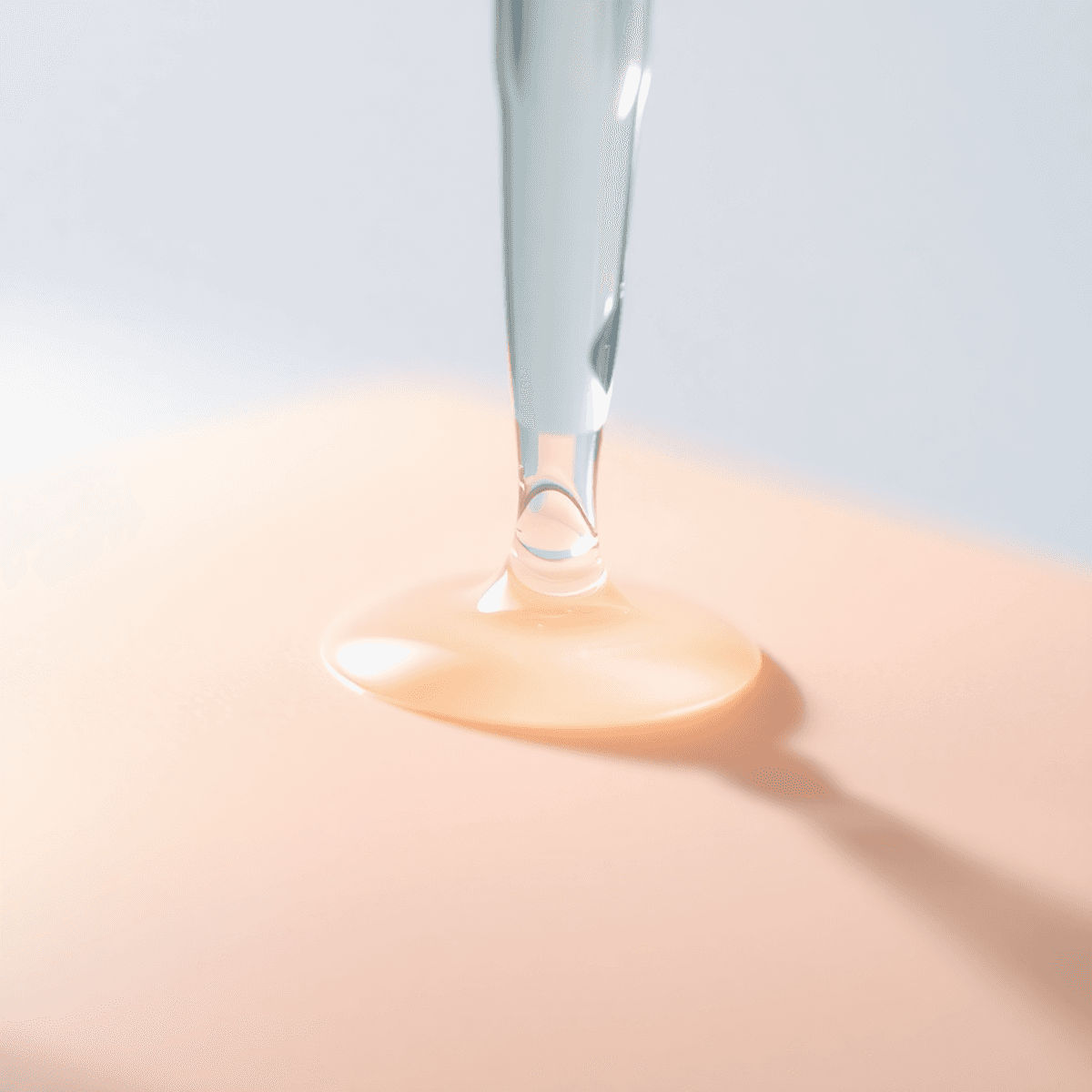
If you have been scrolling through K beauty lately, you might have noticed a surge in the popularity of PDRN. It’s suddenly on everything – ampoules, serums, skin boosters, post-procedure kits, and those glassy skin routines that look like they were filmed under perfect lighting. While some of it is hype, there’s also a substantial amount of truth to its effectiveness, especially if your skin has been acting tired and fragile.
Here’s what this guide will cover without making it overly complicated:
- What PDRN is, explained simply
- Realistic benefits of PDRN serums (and their limitations)
- The difference between topical serums and in-office PDRN treatments
- How to read labels to avoid being misled by “DNA repair” marketing
- The best Korean PDRN serum recommendations based on skin goals (with mini reviews)
- Common pitfalls to avoid when purchasing
- How to effectively incorporate PDRN into your AM and PM routine
- Ways to determine if the product is working without getting caught up in excessive self-scrutiny
Quick context: Korean skincare has been leaning towards a repair and skin barrier era for some time now. It’s less about “burning your face off with acids” and more about achieving calm, bouncy, hydrated, resilient skin. PDRN aligns perfectly with this trend as it’s typically marketed as a recovery and plumping ingredient. This results in smoother looking texture, extra hydration, and that healthy glow often referred to as “post-facial skin” even on days when no special treatment was done.
This guide is particularly beneficial for those experiencing:
- Dullness and dehydrated skin
- Uneven tone
- Fine lines that become more prominent when the skin is dry
- Post-acne marks (the residual appearance rather than active inflamed breakouts)
- Tired looking under-eye area due to dehydration
However, certain individuals should exercise caution or refrain from impulsive purchases:
- Those with very reactive, easily inflamed skin that reacts negatively to new products
- Individuals with seafood or fish allergy concerns (as much of the PDRN used is fish-derived)
- Pregnant or breastfeeding women, or anyone under medical care for skin issues. Always consult a professional who understands your specific situation.
A common question arises concerning microneedling. If you’re pursuing that post-microneedling glow, it’s often recommended to use growth factor type formulas. For instance, applying Bradceuticals Gold Mesenchymal Stem Cell Growth Factor Serum after microneedling can help achieve that desired glow. However, it’s crucial to follow your provider’s instructions and avoid experimenting with actives immediately after a procedure.
In addition to skincare benefits, it’s worth noting that stem cell serums are also gaining traction for their efficacy in brightening and achieving an even-toned complexion. Moreover, while we focus on facial skincare here, remember that similar principles apply when considering [switching up your hair-care routine](https://brad
What PDRN Actually Is (In Plain English)
PDRN stands for polydeoxyribonucleotide. Which sounds like a chemistry exam, but the simple version is: it is made of small DNA fragments, commonly sourced from salmon or trout. In aesthetics it has a reputation for supporting skin recovery and improving the look of texture over time. You will see it in Korean skincare because it fits the whole “repair, plump, glow” narrative really well.
A few terminology issues that confuse people:
- PDRN vs PN (polynucleotide): You will see both. PN is often marketed as a newer, “stronger” cousin in clinic settings. In topical skincare, brands sometimes use the terms loosely. What matters more is what the label actually lists, the concentration if disclosed, and the overall formula.
- “DNA repair” marketing: This phrase is everywhere. It can be a shortcut way of describing the vibe. But you should not read it as “this serum literally repairs your DNA like a sci fi thing.” Treat it as marketing language unless the brand provides serious clinical context.
Where PDRN shows up:
- Topical skincare products like serums and ampoules. These are usually about hydration, barrier support, and making skin look healthier and calmer.
- In office PDRN treatments like injectables or skin boosters. Different category. Different intensity. Different risk and cost.
And again, for post procedure routines, especially microneedling, some people pair their recovery routine with growth factor serums. Apply Bradceuticals Gold Mesenchymal Stem Cell Growth Factor Serum after microneedling for that post microneedling glow. Just do it safely and with guidance.
PDRN Serum Benefits (What You Can Realistically Expect)
This is the part where expectations get messy. A good PDRN serum can be very satisfying. But it is not going to replace sunscreen, erase deep wrinkles, or undo years of sun damage in two weeks.
Here’s what people usually notice, when the formula is good and they use it consistently.
Barrier support and recovery
This is the big one. PDRN is often used in routines meant to support skin that feels compromised. Think less tightness, less “my face is mad at me,” and a smoother, calmer look over time. Not always dramatic. But noticeable.
Hydration and plumping
A lot of PDRN serums are built like hydration ampoules. They often include hyaluronic acid, panthenol, glycerin, sometimes beta glucan. The result is intense hydration and a plumper appearance, which can make fine lines look softer because the skin is not dehydrated.
Fine lines and firmness (gradual)
You might see claims like “enhances elasticity and firmness” or “firmer looking skin.” Realistically, topical skincare can improve the look of firmness by improving hydration, barrier function, and overall texture. Expect subtle improvements, not a facelift effect.
Dark spots and under eye look
PDRN alone is not a heavy duty brightening active, but it can support the overall look of tone by improving texture and barrier health. Some PDRN serums also include brighteners like niacinamide, glutathione, or gentle vitamin C derivatives. Those combos can help the look of dark spots and even the look of dark circles when dehydration is part of the issue.
Timeline expectations
- 1 to 2 weeks: hydration, glow, makeup sits better, less tightness
- 4 to 8 weeks: texture looks smoother, fine lines look softer, skin looks more even and “rested” if you are consistent
PDRN Serum vs PDRN Treatment: Which One Makes Sense for You?
This is where people get disappointed, because they buy a topical serum expecting injectable style results.
Topical PDRN serum
Best for:
- Daily maintenance hydration
- Supporting barrier comfort
- A “recovery leaning” routine, especially after you overdid actives
- Post procedure comfort only when your provider says topical products are ok
Topical serums are the slow and steady option. They are also the safer and cheaper option.
In office PDRN treatment (injectables, skin boosters)
These are typically used for:
- Texture improvement
- Elasticity and bounce
- Recovery support after procedures
- Faster feeling results, depending on the protocol
But you are paying for needles, the provider’s skill, and usually a treatment plan. Downtime varies. Risk varies.
Decision framework, quick and honest:
- If your concerns are mild to moderate and you want daily support, go topical.
- If you want faster changes and you are ok with procedures and cost, consult a qualified provider.
- Avoid DIY “skin booster” injections. Seriously. Not the place to be brave.
How to Read a Korean PDRN Serum Label (So You Don’t Get Fooled)
A good label read saves you money and skin drama.
Look for concentration info when possible
Some brands disclose a percentage or ppm. Some do not. If they do, that is usually a good sign of transparency, though higher is not automatically better if the formula is irritating or poorly balanced.
Also check where PDRN sits in the ingredient list. If it is buried near the bottom and the product is expensive, you are basically paying for the trend.
Ingredients that pair well with PDRN
These are the usual “yes, good idea” ingredients alongside PDRN:
- Hyaluronic acid
- Panthenol (vitamin B5)
- Aloe vera
- Squalane
- Vitamin E
- Green tea and other antioxidants
Anti aging pairings
Retinol can pair well in a routine, but beginners should not stack everything at once. In practice, many people do better alternating. Retinol nights and PDRN recovery nights.
Texture and finish
- Watery ampoule: layers easily, good for oily or combo skin
- Creamy serum: can feel nicer for dry skin but may be heavy for acne prone skin
Check fragrance and essential oils if you are using PDRN specifically for recovery. Also watch alcohol levels. Some alcohol is not automatically evil, but if it is high on the list and your skin is reactive, be cautious.
Quality signals
- Reputable brand and clear 제조 info
- Batch code and expiry date visible
- Packaging that makes sense for the formula. Opaque or airless packaging is a plus when there are sensitive antioxidants involved
Best Korean PDRN Serum Picks (By Skin Goal)
Quick note before we get into picks. Patch test. Start slow. Even gentle formulas can annoy your skin if you throw them into a routine that is already irritated.
Also, the Korean market changes fast. Some of these are easier to find in Korea than overseas, and stock can rotate. Still, these are solid categories and types of formulas to look for.
Category 1: For intense hydration and plumping
1) Rejuran Healer Turnover Ampoule (topical)
- Texture: watery ampoule, layers well
- Who it’s for: dehydrated skin, dullness, “my skin looks tired” days
- Why it makes sense: it is part of the Rejuran brand ecosystem, which is heavily associated with PDRN and recovery
- What to skip: if you are very reactive, patch test carefully because some people still flare from seemingly gentle ampoules
2) Genabelle PDRN Rejuvenating Ampoule
- Texture: lightweight, hydrating, typically not greasy
- Who it’s for: combo skin that wants hydration without heaviness
- What to know: Genabelle is a clinic adjacent Korean brand, so it’s often positioned as post procedure friendly, but you still need to follow your provider’s rules after microneedling or lasers
What I look for in this category: PDRN plus hyaluronic acid, panthenol, glycerin, maybe squalane if you are dry. The goal is that smoother plumper appearance and lasting hydration support.
Category 4: For fine lines and firmness
3) CNP Laboratory Propolis Energy Ampoule (not a pure PDRN hero, but commonly used alongside repair routines)
- Texture: cushiony, slightly richer, glow giving
- Who it’s for: early fine lines, dullness, skin that looks flat
- Why it’s here: a lot of people building a “firmness and glow” routine pair PDRN with barrier and antioxidant support. Propolis does that well.
- What to skip: if propolis or bee products do not agree with you, obviously do not force it
4) Rejuran Dual Effect Ampoule (or similar “firming” topical options from the same ecosystem)
- Texture: varies, often slightly more substantial than the basic turnover ampoule
- Who it’s for: people who want the PDRN vibe but also want a more visibly smoothing finish
- How to use: often better in PM, under a moisturizer, especially if you are dry
Practical approach for this category: do not try to sandwich retinoids into the same routine right away. Alternate. Let your skin stay calm, because calm skin looks firmer anyway.
Category 5: For sensitive and reactive skin
5) Genabelle PDRN options, simplest formula you can find
- Texture: typically lightweight
- Who it’s for: sensitive skin that still wants hydration and recovery support
- What to look for: fragrance free, minimal essential oils, no aggressive exfoliating acids
6) “Barrier ampoule with PDRN” style products K beauty has a lot of barrier ampoules where PDRN is paired with panthenol, beta glucan, ceramides, and soothing ingredients. Brand names change constantly here, so shop the ingredient list more than the hype.
Notes on claims like cruelty free skincare, paraben free serum, sulfate free serum: fine, but not the main decision point. For reactive skin, fragrance and essential oils usually matter more than whether the marketing says “free of” everything.
Non Korean Alternatives People Compare (And Why They’re Not the Same Category)
A lot of people already own Western serums and wonder if they can skip PDRN.
Common comparison anchors:
- TruSkin Naturals (often vitamin C based)
- Grace & Stella (usually hydration and brightening style products)
- SenAllis (often vitamin C and HA style formulas)
These are not the same category, most of the time. They can be good at what they do, but they usually focus on brightening, antioxidants, or basic hydration.
How to choose without overthinking it:
- If your main issue is oxidation and dullness, a vitamin C focused serum may do more.
- If your main issue is barrier recovery and plumping, PDRN focused formulas are usually more satisfying.
- Many people use both. Just layer smartly and do not overload your skin.
What to Avoid When Buying a PDRN Serum (Common Red Flags)
This section saves you from wasting money, or worse, irritating your skin while trying to heal it.
Overhyped claims
If you see:
- “Permanent results”
- “Botox in a bottle”
- Wild before and after timelines like 3 days for wrinkles
Just… no. PDRN serums are supportive, not magical.
Irritant heavy formulas when you want recovery
If you are buying PDRN for barrier support, avoid formulas loaded with:
- Strong fragrance
- Essential oils
- Harsh alcohols high on the list
- Strong exfoliating acids in the same product
Not because those ingredients are always evil, but because they fight the whole reason you bought PDRN in the first place.
Mystery PDRN
Red flags:
- No sourcing info
- No concentration context
- Sketchy marketplaces with no batch or expiry
- “Looks like a clinic brand” but is clearly a random dupe listing
Vegan friendly assumptions
Most PDRN is fish derived. If you want vegan, you need to look for explicit vegan alternatives, and those are usually marketed differently. Do not assume.
Acne prone concerns
If you break out easily:
- Watch heavy occlusives in rich “repair” serums
- Prefer lightweight hydrators
- Squalane is often a safer oil choice than heavier blends, but your skin is your skin, patch test
How to Use PDRN Serum in a Routine (AM/PM Examples)
Basic order is simple:
Cleanse → toner or essence (optional) → PDRN serum → moisturizer → sunscreen (AM)
AM routine for glow
- Gentle cleanse
- Optional hydrating toner
- PDRN serum
- Niacinamide or vitamin C (if tolerated, and if your skin likes that combo)
- Moisturizer if needed
- Sunscreen, non negotiable
This is the “dullness and uneven skin tones” routine. Keep it boring. Boring works.
PM routine for recovery
- Cleanse
- Optional soothing toner
- PDRN serum
- Moisturizer
- Optional: add a thin layer of occlusive if you are very dry
You can stack hydration here. Hyaluronic acid, panthenol, squalane, vitamin E. This is where PDRN tends to feel the most comforting.
If you use retinol
Most people do better with:
- Retinol night
- PDRN repair night
- Repeat
If you are experienced, you can sometimes buffer retinol with a hydrating layer, but if you are new, do not try to be a hero. Irritation will erase your progress.
How much, how often
- Start with 2 to 3 nights per week
- Move to nightly if your skin is calm
- You can use it daily, AM and PM, if your formula is gentle and your skin loves it
Patch test guidance, quick:
- Try it behind the ear or along the jaw for a few days
- Then use it on the face, but keep the rest of your routine simple for that first week
How to Tell If It’s Working (Without Overanalyzing Your Skin)
Short term wins you can actually trust:
- Skin feels more hydrated, less tight
- Makeup applies smoother
- Subtle radiant glow, especially in the morning
Mid term wins:
- Fine lines look softer, mostly from better hydration and texture
- More even looking tone
- Skin looks firmer and healthier, not necessarily “lifted,” just better supported
What it will not do alone:
- Erase deep wrinkles
- Fix medical pigmentation
- Replace SPF
- Clear active acne by itself
Simple tracking method:
- Take one photo a week in the same lighting
- Write down: irritation, dryness, breakouts, “skin feels good” days That’s it. No daily microscope mirror sessions.
Wrap Up: The Simple Cheat Sheet for Choosing Your Best Korean PDRN Serum
Pick based on your main goal:
- Hydration and plumping: choose a watery PDRN ampoule with HA, panthenol, glycerin, maybe squalane
- Glow and uneven tone: PDRN plus niacinamide or a gentle vitamin C routine, always with SPF
- Fine lines and firmness: PDRN plus barrier support, alternate with retinol rather than stacking everything
- Sensitive skin: simplest formula, fragrance free, no essential oils, focus on aloe and panthenol
Ingredient pairing recap:
- Hydration helpers: hyaluronic acid, B5, aloe, squalane, vitamin E
- Brighteners: vitamin C, niacinamide
- Anti aging: retinol, best used on alternate nights
Avoid:
- Irritants if you are using PDRN for recovery
- Vague labels and sketchy sellers
- Unrealistic claims
Consistency plus SPF plus a gentle routine beats chasing miracle serums. Almost every time.
FAQ
What does PDRN serum do for skin?
Most people use it for hydration, a plumper look, and barrier support. Over weeks, it can help skin look smoother, calmer, and more even in texture.
Is PDRN the same as polynucleotide (PN)?
They are related and often talked about together, but they are not identical. In skincare marketing the terms can get fuzzy, so focus on the actual ingredient list, concentration disclosure, and the overall formula.
Can I use PDRN serum every day?
Usually yes, especially if the formula is gentle. Start 2 to 3 nights per week, then increase to nightly or AM and PM if your skin stays calm.
Can I use PDRN with vitamin C or niacinamide?
Often yes. Many routines pair PDRN with niacinamide for glow and barrier support. With vitamin C, start slowly if you are sensitive and avoid stacking too many actives at once.
Can I use PDRN serum with retinol?
Yes, but alternating nights is the easiest way to reduce irritation. Retinol night, PDRN repair night.
Is PDRN safe if I have a fish allergy?
A lot of PDRN is sourced from salmon or trout, so do not guess. Talk to a medical professional and patch test only if you have clearance. If you are allergy prone, this is not the category to gamble with.
Will a PDRN serum remove dark spots?
Not by itself in a dramatic way. It can support a healthier looking tone and work alongside brighteners and sunscreen, but stubborn pigmentation usually needs a targeted routine and time.
What is the difference between a PDRN serum and a PDRN injection treatment?
Topical serums are daily, gentle maintenance and hydration focused. In office treatments can feel faster and more intense but come with higher cost, needles, and more variables. Always use a qualified provider for injectables.
FAQs (Frequently Asked Questions)
What is PDRN and how does it work in Korean skincare?
PDRN (polydeoxyribonucleotide) consists of DNA fragments commonly sourced from salmon or trout, used in aesthetic skin-repair contexts. It appears in topical skincare products like serums and in-office treatments such as injectables or skin boosters, promoting plumping, recovery, and a radiant glow.
What are the key benefits of using PDRN serums?
PDRN serums brighten dull skin, improve dark spots and uneven tones, reduce fine lines by boosting collagen, enhance elasticity and firmness, deeply hydrate for lasting moisture, and support skin barrier recovery for a smoother, plumper appearance with a radiant glow.
Who should consider using PDRN serums and who should be cautious?
PDRN serums are ideal for those experiencing dullness, uneven skin tones, fine lines, dehydrated skin, or post-acne marks. Individuals with very reactive skin, seafood allergies, pregnant or breastfeeding women should consult a professional before use.
How do PDRN serums compare to in-office PDRN treatments?
Topical PDRN serums are best for daily maintenance, hydration, barrier support, and post-procedure comfort. In-office treatments target texture improvement, elasticity enhancement, and faster recovery but involve needles, higher costs, and potential downtime. Choice depends on budget, tolerance for procedures, severity of concerns, and desired speed of results.
What should I look for when reading a Korean PDRN serum label?
Look for clear percentage or ppm disclosure of PDRN concentration and its position in the ingredient list. Support ingredients like hyaluronic acid, vitamin B5 (panthenol), aloe vera, squalane, vitamin E, green tea antioxidants pair well with PDRN. For brightening effects consider vitamin C and niacinamide. Check texture (ampoule vs serum), fragrance content, alcohol levels, brand transparency, manufacturing details (제조), batch/expiry dates, and packaging quality.
Which Korean PDRN serums are best suited for specific skin goals?
For intense hydration and plumping: choose serums rich in hyaluronic acid, panthenol, and squalane. For glow and dullness: opt for gentle brighteners like niacinamide and vitamin C derivatives plus antioxidants. For dark spots and uneven tone: select formulations combining niacinamide with stable vitamin C in a calming base. For fine lines and firmness: prioritize products with PDRN alongside barrier lipids to enhance elasticity.