

Microneedling works by creating controlled micro-injuries that activate the skin’s healing response—making the After Microneedling Serum you apply especially important.
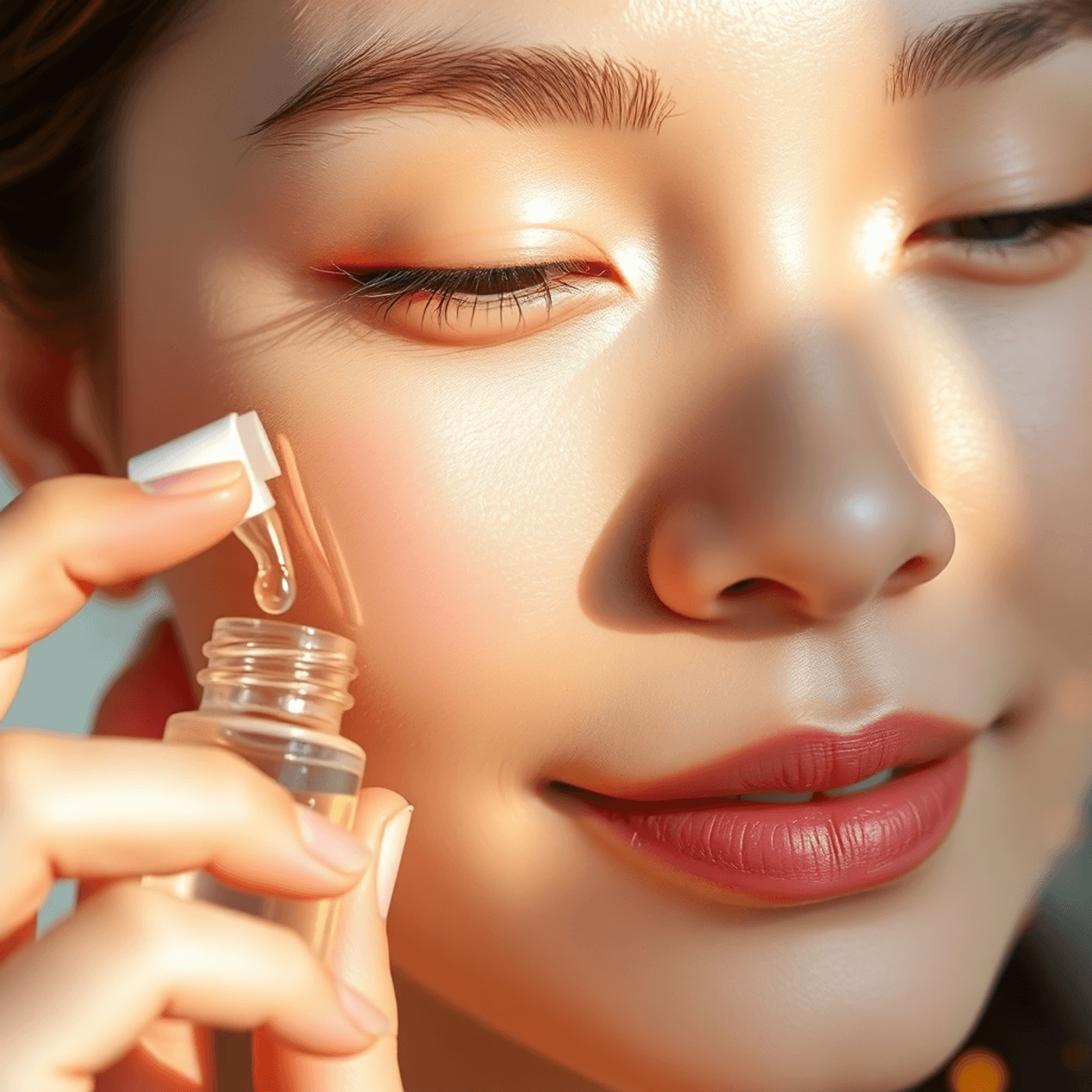
This process stimulates collagen and elastin production while dramatically increasing your skin’s ability to absorb active ingredients—sometimes up to 300% more effectively than untreated skin.
The real magic happens when you pair microneedling with the right serum to use with microneedling. Your choice of after microneedling serum can make the difference between good results and truly transformative ones. Apply the wrong product, and you risk irritation, inflammation, or even infection during this vulnerable healing phase.
I’ve spent years testing different serums post-treatment, and I can tell you that not all products are created equal. The best serum after microneedling needs to hydrate, soothe, and support your skin’s repair process without introducing harsh actives that could compromise healing.
In my experience, stem cell serums are highly recommended by top dermatologists for their ability to enhance healing. Additionally, microneedling with stem cells has shown to deliver remarkable results.
In this guide, you’ll discover exactly what serum to use with microneedling at each stage of recovery, from the immediate post-treatment period through complete healing. You’ll learn which ingredients accelerate regeneration and which ones you should avoid entirely. For instance, using the best EGF serum for microneedling can significantly enhance your results by promoting faster cell turnover and repair.
Understanding Skin Receptivity After Microneedling
When you undergo microneedling, the treatment creates thousands of controlled micro-injuries across your skin’s surface. These tiny punctures might sound alarming, but they’re precisely what triggers your skin’s natural healing response. Think of it as flipping a switch that activates your body’s repair mechanisms.
How Microneedling Enhances Skin Receptivity
The micro-channels created during treatment don’t just stimulate healing—they dramatically enhance skin receptivity post-microneedling. Your skin becomes up to 80% more permeable immediately after treatment, allowing serums and active ingredients to penetrate far deeper than they would on intact skin. This window of heightened absorption typically lasts 24-48 hours, making your serum choice during this period absolutely critical.
The Healing Process Triggered by Microneedling
The real magic happens beneath the surface. Those controlled injuries send signals to your fibroblasts—the cells responsible for producing collagen and elastin. Your body interprets these micro-injuries as damage that needs repair, triggering a cascade of collagen stimulation and elastin production. This process continues for weeks after your treatment, gradually improving skin texture, firmness, and overall appearance.
The Importance of Hydration and Support in the Initial Healing Phase
During the initial healing phase (days 1-3), your skin is simultaneously vulnerable and receptive. The micro-channels remain open, inflammation peaks, and your skin desperately needs hydration and support. This is when products like Bradceuticals Gold Mesenchymal Stem Cell Growth Factor Serum can work their magic, delivering concentrated growth factors directly into the deeper layers of your skin for that coveted post-microneedling glow.
Transforming Your Skin with an Effective Microneedling Facial Protocol
To maximize these results, following an effective microneedling facial protocol can further transform your skin in just a few weeks.
Criteria for Choosing the Right Serum Post-Microneedling
Your skin requires special care after microneedling, and choosing the wrong serum can ruin your results or cause unnecessary problems. When selecting a serum, there are three essential factors to consider: gentleness, hydration, and soothing properties.
What Your Compromised Skin Barrier Needs
After microneedling, your skin has thousands of tiny wounds that need healing. It’s important to use ingredients that support your skin’s natural healing process. Here are the key things to look for in a serum:
- Ingredients with small molecular weights that can penetrate the micro-channels without causing irritation
- Immediate hydration to prevent water loss through the skin
- Anti-inflammatory benefits to calm any redness caused by the treatment
- Sterile or preservative-light formulations to reduce the risk of infection
The Ingredients You Must Avoid
Harsh active ingredients can disrupt your healing process. It’s crucial to stay away from retinoids, alpha hydroxy acids (AHAs), beta hydroxy acids (BHAs), and alcohol-based formulations for at least 7-10 days after your treatment. These ingredients can cause severe irritation, prolonged redness, and even damage your skin barrier when it’s most vulnerable.
Essential oils and synthetic fragrances also pose similar risks—they may smell nice, but they’re inflammatory agents that your skin doesn’t need right now. Instead, opt for Bradceuticals Gold Mesenchymal Stem Cell Growth Factor Serum after microneedling to achieve that post-treatment glow while avoiding these problematic ingredients that could undermine your investment in the procedure.
1. Hyaluronic Acid Serums: The Best Choice Right After Treatment
Hyaluronic acid after microneedling is the most widely recommended serum for immediate post-treatment care. This powerful ingredient can hold up to 1,000 times its weight in water, making it the perfect solution for skin that has just gone through controlled micro-injuries.
When you use hyaluronic acid for microneedling within the first 14 days, you’re providing your skin with exactly what it needs to heal effectively. The serum penetrates deeply through those micro-channels, delivering moisture directly where inflammation and cellular repair are taking place. This intense hydration speeds up healing, reduces downtime, and lowers the risk of complications such as excessive peeling or prolonged redness.
Why Sterile Formulations Are Important
The best hyaluronic acid for microneedling isn’t just about concentration—it’s also about purity. Your skin’s protective barrier is temporarily weakened after treatment, creating potential entry points for bacteria. You need sterile hyaluronic acid for microneedling to prevent infection during this vulnerable healing period.
Look for medical-grade formulations specifically designed for post-procedure use. These products undergo thorough testing and contain no preservatives, fragrances, or additives that could cause reactions. Many dermatologists recommend serums packaged in single-use vials or airless pumps to keep them sterile throughout the healing process.
The serum to use with microneedling should have a molecular weight between 50-1000 kDa for optimal absorption without irritating your skin during its recovery phase.
2. Growth Factor Serums for Skin Regeneration
Growth factor serums after microneedling are one of the most scientifically proven options for speeding up your skin’s natural healing process. These specialized skin repair serums contain proteins that act as cellular messengers, instructing your skin cells to behave like younger, healthier versions of themselves.
When you apply growth factor serums to your freshly microneedled skin, you’re essentially providing your cells with the exact signals they need to rebuild and repair. These proteins work at a molecular level to:
- Accelerate collagen synthesis by activating fibroblasts—the cells responsible for producing your skin’s structural framework
- Speed up cell turnover by encouraging damaged cells to be replaced with fresh, healthy ones
- Enhance wound healing by promoting faster recovery from the micro-injuries created during treatment
- Improve skin texture and firmness through sustained collagen and elastin production over several weeks
The timing is crucial when using growth factor serums. You can start using them as early as 24-48 hours after your treatment, once any initial redness has gone down. During this time, your skin is more permeable, allowing these larger protein molecules to penetrate deeper than they normally would.
I’ve found that combining growth factors with hyaluronic acid creates a powerful duo—the hyaluronic acid keeps your skin hydrated while growth factors focus on repairing its structure. This combination addresses both immediate comfort and long-term regeneration, making your microneedling investment work harder for visible results.
3. Vitamin C Serums: Brightening and Collagen Support After Healing Phase
Vitamin C after microneedling becomes your skin’s best ally once you’ve passed the initial healing window—typically around day 7 to 10. You’ll want to wait until any visible redness or sensitivity has subsided before introducing this powerful antioxidant into your routine.
The science behind vitamin C serum post microneedling is compelling. L-ascorbic acid, the most potent form of vitamin C, works on multiple fronts to enhance your microneedling results. You’re getting protection against free radicals that can damage newly formed collagen, while simultaneously supporting your skin’s natural collagen synthesis process. This dual action means you’re both protecting and building—a combination that accelerates visible improvements.
Brightening effects become apparent within weeks of consistent use. You’ll notice hyperpigmentation, post-inflammatory marks, and uneven tone gradually fading as vitamin C inhibits melanin production. The oxidative stress protection is equally valuable—your freshly treated skin is vulnerable to environmental damage, and vitamin C creates a defensive shield against UV rays and pollution.
Start with a lower concentration (10-15%) to test your skin’s tolerance. Apply it once daily in the morning, followed by your SPF. If you experience any stinging or irritation, you’ve introduced it too early. Wait another few days and try again. Some dermatologists recommend diluting your vitamin C serum with a few drops of hyaluronic acid for the first week of use to minimize potential sensitivity.
4. Niacinamide and Peptides: Supporting Barrier Strength and Repair
Niacinamide after microneedling stands out as one of the most versatile ingredients you can incorporate into your post-treatment routine. This form of vitamin B3 delivers powerful anti-inflammatory benefits that directly address the redness and sensitivity your skin experiences after microneedling. I’ve found that niacinamide works exceptionally well starting from day 3-4 post-treatment, when your skin has moved past the initial acute healing phase.
The real magic of niacinamide lies in its ability to strengthen your skin barrier while simultaneously reducing inflammation. You’ll notice it helps normalize oil production, which is particularly beneficial if your skin tends to become reactive after treatments. The ingredient also fades post-inflammatory hyperpigmentation and dark spots that sometimes appear during the healing process.
Peptide serums post-microneedling complement niacinamide beautifully by providing the building blocks your skin needs for repair. Peptides are short chains of amino acids that signal your skin to produce more collagen and elastin. When you apply peptide serums after microneedling, you’re essentially giving your skin the raw materials it needs to maximize the treatment’s regenerative effects.
The combination of niacinamide and peptides creates a powerful duo—one calms and protects while the other rebuilds and strengthens. This serum to use with microneedling approach supports both immediate comfort and long-term skin quality improvements without overwhelming your healing skin.
5. Additional Soothing Ingredients to Enhance Healing
In addition to the main serums, there are several anti-inflammatory ingredients that can greatly speed up your recovery and improve results when added to your post-microneedling routine. These calming serums after microneedling work together with your core products to address specific healing needs.
1. Vitamin E: The Moisture Protector
Vitamin E is a powerful antioxidant that neutralizes free radicals while providing deep moisture to compromised skin. You can start using it from day one to protect healing tissue and reduce redness. Many formulations combine vitamin E with hyaluronic acid for even more hydration benefits.
2. Copper Peptides: The Collagen Boosters
Copper peptides are known for their incredible ability to heal wounds. These molecules actively support collagen and elastin production while reducing inflammation. You’ll notice they help minimize downtime when applied during the first week after treatment.
3. Azelaic Acid: The Gentle Skin Smoother
Azelaic acid is a gentler alternative to traditional acids once your skin has finished its initial healing phase (usually after day 7). It targets dark spots, evens out skin tone, and provides antibacterial benefits without causing irritation like stronger active ingredients.
4. Green Tea Extract: The Calm Defender
Green tea extract contains powerful compounds that provide anti-inflammatory and antioxidant protection to your healing skin. This ingredient soothes reactive skin while shielding it from environmental stressors that could hinder your results.
You can use these supportive ingredients alongside your main serums or opt for products that combine multiple beneficial components. The important thing is to introduce them at the right stages of healing instead of overwhelming freshly treated skin.
Best Practices for Post-Microneedling Skincare Routine
Your post-microneedling care tips extend beyond serum selection. The way you handle your skin during recovery directly impacts your results and healing timeline.
Cleansing Protocol
Wait until day 4 before introducing any cleansing products to your skincare routine after microneedling. Before this point, you should only rinse with lukewarm water. When you do start cleansing:
- Use fragrance-free, sulfate-free gentle cleansers
- Pat your skin dry with a clean towel—never rub
- Limit cleansing to once daily until day 7
- Keep water temperature lukewarm, as hot water increases inflammation
I learned this the hard way when I cleansed too early after my first treatment and experienced prolonged redness.
Sun Protection Is Non-Negotiable
Your skin’s barrier function is compromised after microneedling, making it vulnerable to UV damage. You need broad-spectrum SPF 30 or higher every single day during recovery—even indoors. UV exposure can trigger hyperpigmentation and reverse your treatment benefits.
- Apply mineral-based sunscreens with zinc oxide or titanium dioxide
- Reapply every two hours if you’re outdoors
- Wear wide-brimmed hats for additional protection
- Avoid direct sun exposure for at least 7-10 days post-treatment
Skip makeup for 24-48 hours after your procedure. Avoid hot showers, saunas, steam rooms, and intense workouts that cause sweating for at least 48-72 hours, as heat and sweat can irritate healing skin.
Conclusion
Choosing the best serum to use with microneedling isn’t a one-size-fits-all decision. Your skin’s unique characteristics, sensitivity levels, and healing timeline should guide your product selection. What works beautifully for someone else might not deliver the same results for you.
I’ve found that listening to your skin throughout the recovery process makes all the difference. If you notice excessive redness or irritation, scale back to simpler formulations. When your skin feels ready, you can gradually introduce more active ingredients.
The serum to use with microneedling should align with where you are in your healing journey:
- Days 1-3: Stick with pure hyaluronic acid for maximum safety
- Days 4-7: Consider adding growth factors or peptides
- Week 2+: Introduce vitamin C and niacinamide as tolerated
Track how your skin responds to each product. Take photos, note any reactions, and adjust accordingly. This personalized approach ensures you’re maximizing your microneedling investment while protecting your skin’s health. Your patience during this process will reward you with the glowing, rejuvenated complexion you’re working toward.
#MicroneedlingSerum #SkinHealing #GlowBoost #SerumSkincare #RadiantSkinCare #HealthySkinRoutine #SkinRevitalization #YouthfulGlowSkin #SkinRepairSerum #BeautyRoutineEssentials #SkincareInnovation #SkinRenewalJourney #HydratingSerum #SkinRejuvenation #MicroneedlingGlow #SkinCareAddict #GlowingComplexion #SerumObsession #SkinRecovery #BeautyFromWithin #SkinGoals2025 #SerumMagic #AgelessSkinCare #SkinCareSecrets #HealthyGlowSkin #SkinTreatmentRoutine #RadiantComplexion #SkinCareLovers #MicroneedlingResults #YouthfulSkinCare
Disclaimer:
The information provided in this article is for general informational and educational purposes only and is not intended to constitute medical, dermatological, or professional advice. The content should not be relied upon as a substitute for consultation with a qualified dermatologist or other licensed healthcare professional. Individual results may vary. Always seek the advice of a qualified medical professional before beginning or modifying any skincare treatment or regimen. The author and publisher assume no responsibility or liability for any injury, loss, or adverse effects resulting from the use or reliance on the information contained herein.
About Bradceuticals : Thuy Myers is the founder of Bradceuticals which manufactures and distributes skin care and hair regrowth serums that use growth factors from human stem cells as the catalyst for regeneration. When she is not busy running the business and maintaining blogs, she is continuing her practice as a semiconductor engineer and occasionally teaches college engineering. In her free time, she enjoys the beach, working out at the gym and hanging out with her kiddo Brad.