

The Best Serum for Microneedling has helped revolutionize the skincare industry, turning this minimally invasive treatment into a powerhouse solution for fine lines, acne scars, and uneven texture.
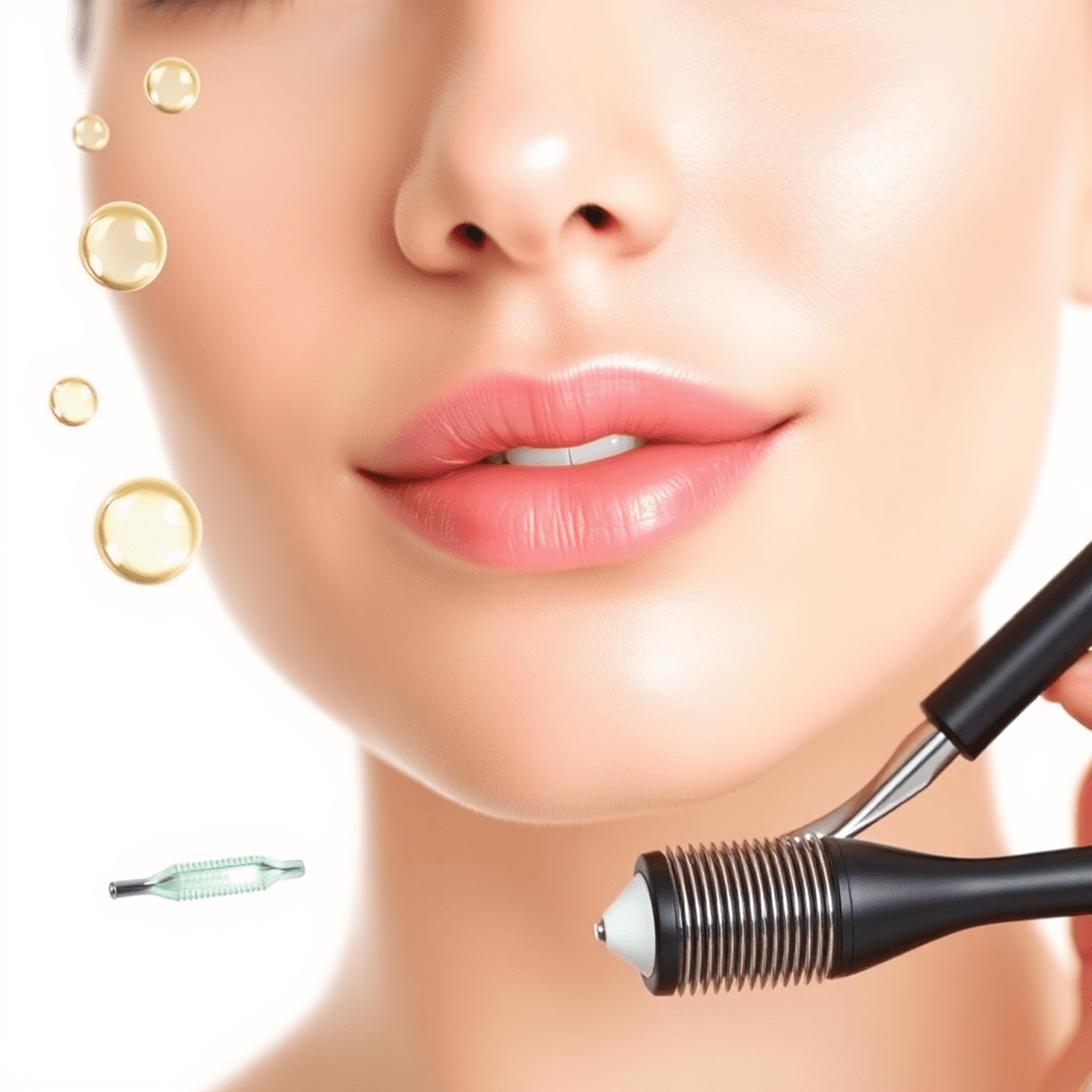
This procedure involves using tiny needles to create controlled micro-injuries in your skin, which activates your body’s natural healing response. The outcome? Increased production of collagen and elastin that targets acne scars, fine lines, wrinkles, and uneven texture.
The real magic happens when you combine microneedling with the right serums for microneedling. These specially designed formulations work in harmony with the treatment, penetrating deeper into your skin through the microscopic channels created by the needles. You’re not just treating the surface—you’re delivering powerful ingredients directly where they’re needed most.
Think of microneedling as opening doors in your skin, and serums as the guests you invite in. Products like Bradceuticals Gold Mesenchymal Stem Cell Growth Factor Serum for post microneedling glow exemplify how targeted formulations can amplify your results, transforming a good treatment into an exceptional one. To achieve optimal results with microneedling, it’s essential to follow a proper microneedling facial protocol that includes the use of growth factors which can significantly enhance your results.
How Microneedling Works and Why Serums are Essential
When you perform microneedling with a Dermapen or dermaroller, tiny needles puncture the skin’s surface, creating controlled micro-injuries. Your skin interprets these microscopic wounds as damage and immediately triggers its natural healing response. This process floods the area with growth factors and stimulates the production of collagen and elastin—the proteins responsible for keeping your skin firm, smooth, and youthful.
The real magic happens when you introduce a needling serum into this equation. Those micro-channels created by the needles serve as direct pathways into the deeper layers of your skin. Without these channels, most serums sit on the surface, with only a small percentage actually penetrating where they’re needed most.
The serum absorption rate increases dramatically after microneedling—studies show enhancement of up to 300%. This means the active ingredients in your serum can reach the dermis layer where they work most effectively, rather than remaining trapped in the outermost layer of dead skin cells.
Think of microneedling as creating thousands of tiny highways that allow beneficial ingredients to bypass the skin’s natural barrier. Products like Bradceuticals Gold Mesenchymal Stem Cell Growth Factor Serum for post microneedling glow are specifically formulated to take advantage of this enhanced penetration, delivering concentrated growth factors and nutrients exactly where your skin needs them to maximize microneedling benefits and accelerate healing.
Choosing the Right Serums for Your Microneedling Routine
Selecting the right serum can make or break your microneedling results. You need to understand what separates professional microneedling serums from regular skincare products.
1. Consistency matters more than you might think.
A lightweight serum penetrates those micro-channels without sitting on the surface or clogging your pores. Heavy, oil-based formulations create barriers that prevent active ingredients from reaching the deeper skin layers where healing happens. You want serums with a watery or gel-like texture that absorb within seconds of application.
2. The formula composition directly impacts your skin’s response.
A fragrance-free serum eliminates unnecessary irritants that can trigger inflammation when your skin barrier is compromised. Fragrances—whether synthetic or natural—serve no therapeutic purpose and increase sensitivity risk during the critical healing window.
Parabens present another concern you should avoid. These preservatives can disrupt your skin’s natural recovery process and cause reactions when applied to freshly needled skin. Professional-grade serums skip these additives entirely, focusing on active ingredients that support healing rather than shelf stability.
Key characteristics to prioritize:
- Water-based or gel formulations
- pH-balanced (between 5.0-6.0)
- Free from essential oils and botanical extracts that may irritate
- Medical-grade or dermatologist-approved ingredients
- Sterile packaging to prevent contamination
Your skin deserves products specifically designed for post-procedure care, not repurposed daily moisturizers.
Top Ingredients to Look for in Microneedling Serums
When selecting serums for microneedling, specific active ingredients deliver targeted benefits that maximize your treatment results. Understanding what each ingredient does helps you build an effective post-treatment routine.
1. Hyaluronic Acid
Hyaluronic acid serum for microneedling stands as the gold standard ingredient. This moisture-binding molecule holds up to 1,000 times its weight in water, providing intense hydration that plumps your skin from within. Hyaluronic acid after microneedling penetrates deeply through the micro-channels, delivering moisture to layers that topical application alone cannot reach. You’ll notice immediate plumping effects and reduced appearance of fine lines.
2. Peptides
Peptides serve as building blocks for collagen synthesis. These short chains of amino acids signal your skin to produce more collagen and elastin, resulting in improved firmness, smoother texture, and diminished wrinkles. When applied during the enhanced absorption window post-microneedling, peptides work at their full potential.
3. Ceramides
Ceramides function as your skin’s natural protective barrier. Microneedling temporarily compromises this barrier, making ceramide-rich serums essential for restoration. They accelerate healing while preventing moisture loss and environmental damage.
4. Epidermal Growth Factors (EGF)
Epidermal growth factors (EGF) accelerate wound healing by promoting cellular regeneration. These proteins boost collagen and elastin production, improve moisture retention, and help prevent hyperpigmentation. EGF serums are particularly valuable for addressing acne scars and aging concerns.
5. Niacinamide Zinc Serum Combinations
Niacinamide zinc serum combinations reduce inflammation and redness while strengthening your skin barrier. Niacinamide regulates oil production, minimizes pore appearance, and evens skin tone—benefits that complement microneedling’s resurfacing effects.
Additionally, incorporating a stem cell serum into your routine can further enhance results. This technique involves creating tiny injuries in the skin during microneedling, which stimulates collagen production and improves the texture and tone of the skin.
6. Antioxidants
Antioxidants for microneedling protect against free radical damage and brighten your complexion. Gentle vitamin C formulations, vitamin E, and ferulic acid work synergistically to enhance results. You should introduce these gradually, waiting 24-48 hours post-treatment to avoid potential irritation.
Serums to Avoid Immediately After Microneedling
Your skin becomes incredibly vulnerable after microneedling, making certain active ingredients potentially harmful rather than helpful. Here are the serums you should avoid applying immediately after your microneedling session:
1. Retinoids
Retinoids after microneedling top the list of ingredients to avoid, as they can cause severe irritation, redness, and peeling when applied to freshly needled skin. The micro-channels created during treatment allow these potent ingredients to penetrate too deeply, triggering inflammation instead of healing.
2. Harsh Acids
Harsh acids post-microneedling present similar risks. Alpha hydroxy acids (AHAs) like glycolic acid and lactic acid, along with beta hydroxy acids (BHAs) such as salicylic acid, can compromise your skin’s healing process. These exfoliating acids may seem beneficial, but they’re far too aggressive for post-treatment skin.
3. Strong Vitamin C Formulations
Strong vitamin C formulations, particularly L-ascorbic acid at high concentrations, can sting and irritate newly treated skin. The acidic pH of these serums combined with increased penetration creates a recipe for discomfort and potential damage.
Wait at least 48-72 hours before reintroducing these active ingredients into your routine. Your skin needs time to close those micro-channels and begin the natural healing process without interference from potentially irritating compounds.
Best Serums for At-Home Microneedling with Dermarollers and Dermapens
Finding the best serum for microneedling at home requires careful consideration of formulation and safety. When you’re selecting a dermapen serum or serum dermaroller product, you want lightweight, water-based formulas that penetrate deeply without clogging pores.
Key selection criteria include:
- Sterile packaging – Look for airless pumps or single-use ampoules to prevent bacterial contamination
- Medical-grade formulations – Professional-grade serums designed specifically for post-needling application
- Clean ingredient lists – Fragrance-free, paraben-free, and alcohol-free formulations minimize irritation risk
- pH-balanced – Neutral pH levels (around 5.5) support skin barrier recovery
Trusted serum types for at-home microneedling:
- Pure hyaluronic acid serums – The Ordinary Hyaluronic Acid 2% + B5 offers exceptional hydration at an accessible price point
- Growth factor serums – SkinMedica TNS Essential Serum delivers clinical-grade EGF for enhanced healing
- Peptide complexes – The INKEY List Peptide Moisturizer combines multiple peptides for collagen support
- Niacinamide formulations – Paula’s Choice 10% Niacinamide Booster reduces inflammation while strengthening skin
How to Apply Serum After Microneedling for Optimal Results
The window of opportunity for applying serums for microneedling is surprisingly narrow. You need to act fast—within five minutes post-treatment—to capitalize on your skin’s enhanced absorption capabilities. During this critical timeframe, the micro-channels created by your Dermapen or dermaroller remain open, allowing active ingredients to penetrate up to 300% more effectively than on untreated skin.
Start with freshly cleansed hands or sterilized application tools. Your skin should be clean but not completely dry; a slightly damp surface actually helps with serum distribution.
The Layering Technique:
- First layer: Apply your thinnest consistency serum (typically hyaluronic acid after microneedling application)
- Second layer: Add peptide serums or growth factors after the first layer absorbs
- Third layer: Finish with thicker formulations like ceramide-rich products
Use gentle patting motions rather than rubbing or massaging. Your skin has just undergone controlled trauma, so aggressive application can cause unnecessary irritation. Dispense 2-3 drops of each serum onto your fingertips and press them into the skin using light, downward pressure.
Wait 30-60 seconds between each layer to allow proper absorption. You’ll notice hyaluronic acid after microneedling application feels particularly soothing, as it immediately begins drawing moisture into those freshly created channels. This methodical approach ensures each active ingredient reaches optimal depth without overwhelming your compromised skin barrier.
Post-Microneedling Skincare and Care Tips
Your skin needs special attention after microneedling to maximize results and prevent complications. Post-microneedling care directly impacts how well your skin heals and responds to treatment.
What to Avoid for 24-48 Hours:
- Makeup products – These can introduce bacteria into open microchannels and clog pores during the healing process
- Harsh chemicals – Skip exfoliants, retinoids, acids, and strong active ingredients that can trigger inflammation
- Sun exposure – Your skin is extremely vulnerable to UV damage; stay indoors or use a mineral-based SPF 30+ if you must go outside
- Hot showers, saunas, and intense workouts – Heat and sweat can irritate freshly treated skin
What Your Skin Needs:
You should focus on gentle, hydrating products that support barrier repair. Look for non-comedogenic moisturizers containing ceramides, hyaluronic acid, or squalane. These ingredients provide essential hydration without suffocating your pores or interfering with the natural healing process. Keep your hands clean when touching your face, and sleep on fresh pillowcases to minimize bacterial exposure.
Consulting Professionals for Personalized Serum Recommendations
Your skin’s unique characteristics deserve individualized attention when selecting serums for microneedling. A dermatologist consultation microneedling serum recommendation can identify specific concerns like sensitivity, rosacea, or active acne that might require modified treatment protocols.
Skincare professionals assess your skin type, existing conditions, and treatment goals to create a customized serum regimen. They can determine whether your skin tolerates active ingredients like peptides or requires gentler formulations with basic hydrating components. This personalized approach prevents costly mistakes and potential adverse reactions.
Dermatologists also evaluate medication interactions that might affect your microneedling results. Certain prescription treatments, including oral retinoids or blood thinners, require adjusted protocols or alternative serum selections. Professional guidance ensures you’re not combining incompatible products that could compromise your skin barrier or trigger inflammation.
You gain access to medical-grade serums through professional channels that often contain higher concentrations of active ingredients than over-the-counter options. These formulations deliver enhanced results when used under proper supervision, making the investment in professional consultation worthwhile for your skin’s long-term health and appearance.
Conclusion
Choosing the best serum for microneedling requires careful consideration of ingredients, formulation quality, and your unique skin needs. Your safety should always come first—stick to proven ingredients like hyaluronic acid, peptides, and EGF while avoiding harsh actives that can trigger inflammation.
The right serums for microneedling can transform your results, but only when paired with proper application techniques and post-treatment care. Apply products within five minutes of treatment, layer them correctly, and give your skin the recovery time it needs.
Start with patch testing any new serum before full application. Listen to your skin’s response and adjust your routine accordingly. If you experience persistent redness, irritation, or unexpected reactions, pause your treatment and seek professional guidance.
Your microneedling journey becomes significantly more effective when you make informed choices about the products you apply to your freshly treated skin. Prioritize quality formulations, follow recommended protocols, and watch your skin transform safely and beautifully.
#serumsformicroneedling #microneedlingserum #microneedlingprep #microneedlingroutine #professionalskincare #aestheticsskincare #skinrecovery #skinrepairserum #postmicroneedling #skinregeneration #skincareeducation #advancedskincare #clinicalskincare #treatmentserum #skinbarrierrepair #skincareresults #skincareformulators #estheticianapproved #medspaskincare #skincareprofessionals #skinrejuvenation #skincareinnovation #skincarecommunity #skincarejunkie #glowingskincare #skinhealthfirst #skincaregoals #skincareaddict #skintherapy #skinboosters
About Bradceuticals : Thuy Myers is the founder of Bradceuticals which manufactures and distributes skin care and hair regrowth serums that use growth factors from human stem cells as the catalyst for regeneration. When she is not busy running the business and maintaining blogs, she is continuing her practice as a semiconductor engineer and occasionally teaches college engineering. In her free time, she enjoys the beach, working out at the gym and hanging out with her kiddo Brad.