

Microneedling—also called collagen induction therapy—creates thousands of controlled micro-channels in the skin, and pairing it with Hyaluronic Acid for Microneedling amplifies hydration while supporting optimal collagen renewal.
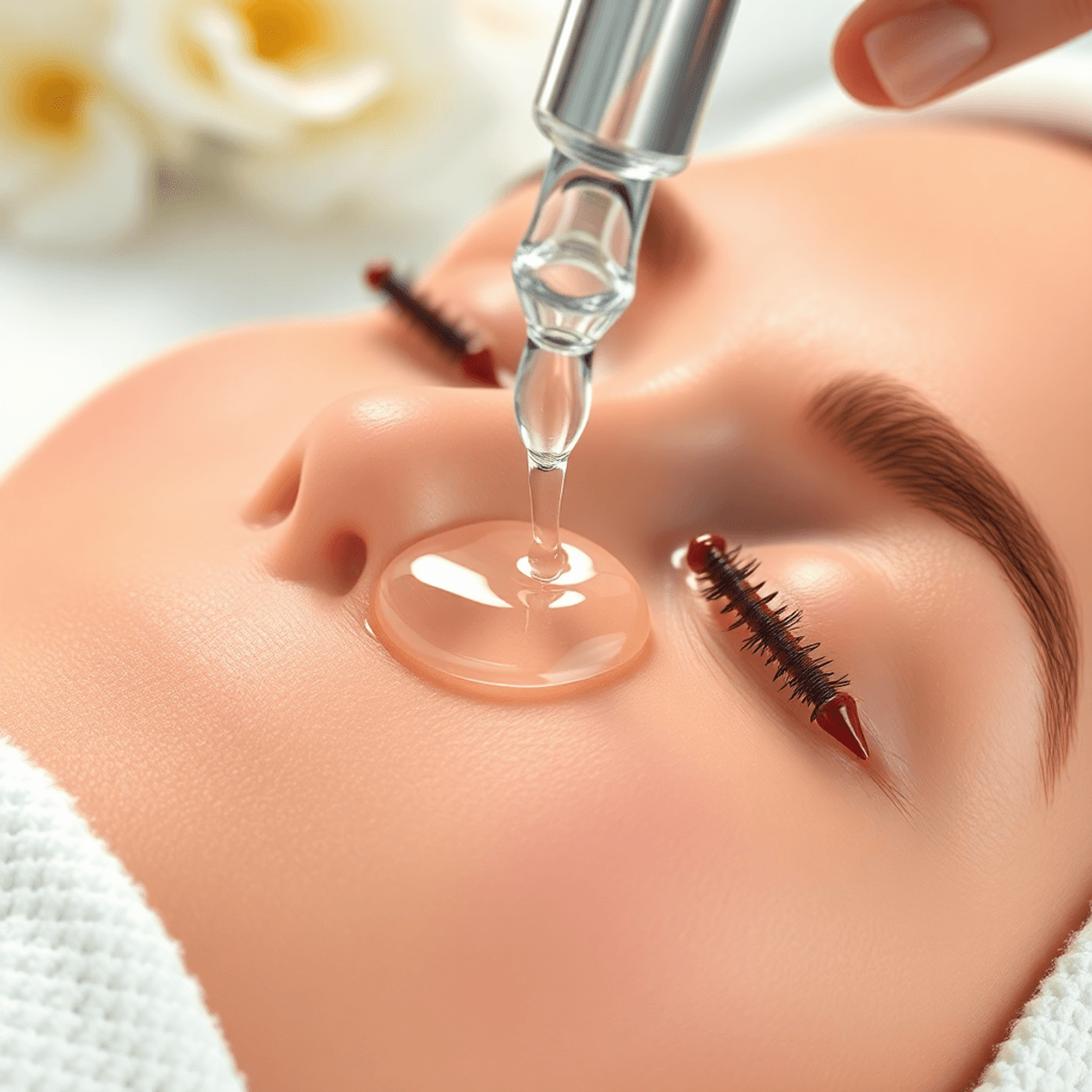
This procedure is designed to transform your skin in just a few weeks.
Hyaluronic acid (HA) is a powerful humectant that attracts and holds up to 1,000 times its weight in water, making it a hydration powerhouse for your skin.
The combination of hyaluronic acid and microneedling can enhance skin rejuvenation results and improve overall skin health. When you apply a microneedling hyaluronic acid serum during or after treatment, the microchannels created by the needles allow the HA to penetrate deeper into your skin layers, delivering intense hydration exactly where you need it most.
In this guide, you’ll discover:
- How microneedling and hyaluronic acid work together to rejuvenate your skin
- The specific benefits of combining these two treatments
- A detailed step-by-step process for using hyaluronic acid for microneedling
- Proper aftercare techniques to maximize your results
- Recommended products like Bradceuticals Gold Mesenchymal Stem Cell Growth Factor Serum for post microneedling glow
Understanding Microneedling and Hyaluronic Acid
Microneedling, also known as collagen induction therapy, is a procedure that involves using fine needles to create controlled micro-injuries on the surface of your skin. This process triggers your body’s natural healing response, leading to increased production of collagen and elastin—two proteins that are crucial for maintaining youthful and smooth skin.
How Microneedling Works
The tiny punctures made by microneedling serve two main purposes:
- Stimulating Cellular Regeneration: The micro-injuries stimulate the regeneration of skin cells, promoting a healthier complexion.
- Creating Temporary Microchannels: These channels allow for better absorption of topical treatments by bypassing the outer layer of skin.
The Role of Hyaluronic Acid
Hyaluronic acid is a naturally occurring substance in the body that has excellent moisture-retaining properties. It can hold up to 1,000 times its weight in water, making it an effective hydrating ingredient.
When combined with microneedling, hyaluronic acid can penetrate deeper into the skin through the microchannels created by the procedure. This combination enhances the benefits of both treatments:
- Microneedling: Stimulates collagen production and improves overall skin texture.
- Hyaluronic Acid: Provides intense hydration and plumpness to the skin.
Optimizing Recovery with Specialized Products
To further enhance the healing process after microneedling, specific products like Bradceuticals Gold Mesenchymal Stem Cell Growth Factor Serum can be used. These formulations are designed to support post-procedure recovery by delivering nourishment and promoting a healthy glow.
By incorporating hyaluronic acid into your microneedling routine, you can amplify the results achieved from each treatment individually. This powerful combination has been shown to create outcomes that are more significant than what either method could accomplish alone.
Benefits of Using Hyaluronic Acid with Microneedling
The combination of hyaluronic acid and microneedling delivers results that are better than what either treatment can achieve on its own. You’ll see immediate improvements in skin hydration and texture that continue to develop over the following weeks.
1. Deep Hydration and Plumpness
Hyaluronic acid’s unique ability to hold up to 1,000 times its weight in water transforms your skin from the inside out. When applied during microneedling, the serum penetrates through the newly created microchannels, delivering intense moisture to the deeper dermal layers. This creates a visible plumping effect that smooths your skin’s surface and gives you that coveted dewy glow.
2. Superior Product Penetration
The microchannels act as direct pathways into your skin, bypassing the barrier that typically limits topical product absorption. You’re essentially creating thousands of tiny entry points that allow hyaluronic acid molecules to reach depths they couldn’t access through regular application. This maximizes the serum’s effectiveness and ensures you’re getting the full benefit of every drop.
3. Visible Improvement in Skin Concerns
The combination treatment addresses multiple skin issues simultaneously:
- Fine lines soften as hydration fills in the creases.
- Acne scars become less pronounced as collagen rebuilds the damaged tissue.
- Pigmentation marks fade as cell turnover accelerates.
- Wrinkles diminish as the skin regains its elasticity and firmness.
You’re treating the root causes of aging and damage, not just masking symptoms.
Choosing the Right Hyaluronic Acid Serum for Microneedling
Not all hyaluronic acid serums are created equal when it comes to microneedling. You need to understand that the microchannels created during treatment provide direct access to deeper skin layers, which means anything you apply will penetrate more effectively—for better or worse.
1. Use Sterile Hyaluronic Acid for Microneedling
Sterile hyaluronic acid for microneedling is non-negotiable. You’re essentially creating thousands of tiny wounds in your skin, and introducing bacteria or contaminants through these openings can lead to infections or adverse reactions. Medical-grade formulations designed specifically for microneedling procedures ensure proper sterilization and safety standards.
2. Avoid Potential Irritants
The best hyaluronic acid serum for microneedling should be free from potential irritants. Fragrances, alcohol, parabens, and unnecessary additives can cause inflammation when they penetrate through the microchannels. You want a clean, simple formulation that focuses on pure HA.
3. Look for Multiple Molecular Weights
Hyaluronic acid serums for microneedling containing multiple molecular weights offer superior results. Low molecular weight HA penetrates deeper into the dermis, while high molecular weight HA remains on the surface to provide immediate hydration and barrier protection. This layered approach ensures comprehensive hydration at different skin depths, maximizing the benefits of your treatment.
Step-by-Step Guide to Using Hyaluronic Acid in Microneedling Treatment
Pre-Treatment Consultation
Your microneedling journey begins with a thorough skin assessment. During this consultation, your practitioner evaluates your skin type, concerns, and medical history to create a customized treatment plan. You’ll discuss your goals—whether you’re targeting acne scars, fine lines, or overall skin texture—and your practitioner will determine the appropriate needle depth and HA serum formulation for your specific needs.
Preparing Your Skin
About 30-45 minutes before the procedure, your practitioner applies a topical numbing cream to minimize discomfort. This waiting period allows the anesthetic to penetrate effectively, ensuring you remain comfortable throughout the treatment.
During the Microneedling Procedure
Once your skin is properly numbed, your practitioner applies a sterile hyaluronic acid serum directly to the treatment area. This serves two critical purposes: it lubricates the microneedling device for smooth gliding across your skin and provides immediate hydration as the needles create microchannels. The HA serum gets pushed into these tiny punctures, delivering deep moisturization where your skin needs it most.
However, have you considered that incorporating a stem cell serum into your microneedling routine could significantly enhance its effectiveness? By creating tiny injuries in the skin, this procedure stimulates collagen production which helps improve skin texture and appearance.
Immediate Post-Procedure Application
Right after completing the microneedling passes, your practitioner applies another generous layer of hyaluronic acid serum. This hyaluronic acid after microneedling application is essential—it soothes the treated skin, reduces redness, and maximizes absorption through the freshly created microchannels. Your skin drinks up this hydration, setting the foundation for optimal healing and results.
To further optimize your post-procedure care, consider using a stem cell serum, which can provide additional benefits by enhancing healing and improving overall results.
Aftercare: Maintaining Results with Hyaluronic Acid Post-Microneedling
Your skin needs specific care after microneedling to maximize results and prevent complications. The microchannels remain open for several hours, making your skin vulnerable to irritants and infection.
Gentle Cleansing Protocol
You should cleanse your face with lukewarm water and a mild, fragrance-free cleanser for the first 48 hours. Avoid scrubbing or using washcloths—your fingertips provide the gentlest touch. Pat your skin dry with a clean towel instead of rubbing.
Strategic HA Application
Apply the best hyaluronic acid serum for microneedling 2-3 times daily during the first week. Your skin will feel tight and dry as it heals, so consistent hydration becomes non-negotiable. Use clean hands or a sterile applicator when applying products to prevent introducing bacteria into the healing microchannels.
You need to avoid these products for at least 5-7 days:
- Retinoids and vitamin C serums
- Exfoliating acids (AHAs, BHAs)
- Makeup and heavy moisturizers
- Direct sun exposure without SPF 30+
Commonly Treated Areas Using Hyaluronic Acid with Microneedling
You can use hyaluronic acid with microneedling on various parts of the body where signs of aging, scarring, or uneven texture are present. The face is the most commonly treated area, focusing on forehead lines, crow’s feet, nasolabial folds, and acne scars. The neck and décolletage areas also respond very well to this combined treatment, improving crepey skin and horizontal necklines that often indicate aging.
Microneedling can also be used on your arms, especially the upper arms where sun damage and loose skin are prominent. This treatment is effective for hands as well, where volume loss and visible veins become more noticeable with age. The combined approach of hyaluronic acid and microneedling can benefit your chest area by reducing sun spots and fine lines. Additionally, your abdomen can be treated to improve stretch marks and skin laxity, making hyaluronic acid with microneedling a flexible solution for rejuvenating skin all over the body.
Conclusion
The combination of hyaluronic acid and microneedling is a powerful method for rejuvenating the skin that you can trust to deliver visible results. By using these two treatments together, you’re not only targeting surface-level issues but also activating your skin’s natural healing processes for long-lasting improvements.
The benefits of hyaluronic acid and microneedling go beyond temporary solutions. Microneedling stimulates collagen production while hyaluronic acid provides deep hydration through the tiny channels created by the needles. This two-pronged approach allows you to address multiple skin problems at once, including fine lines, wrinkles, scars, and uneven texture.
If you’re serious about achieving healthier, more youthful-looking skin, hyaluronic acid for microneedling deserves your attention. The results speak for themselves when you follow proper protocols and maintain consistent aftercare.
#hyaluronicacidserum #microneedlingskincare #microneedlingresults #skinplumping #hydratedskinroutine #skincaretreatment #skincareprofessionals #skinrejuvenation #dewyskingoals #aestheticsskincare #skinbarfavorites #postmicroneedling #skinhydrationboost #skincareeducation #skinrepair #glowingskinroutine #skincareformulas #clinicalskincare #skinboosters #hydrationsupport #aestheticresults #skinhealthjourney #professionalskincare #advancedskincare #skincareingredients #skintherapy #hydrationfocused #microneedlingcare #skinsupport #skincaregoals
The contents of this article do not represent medical advice and is posted for entertainment purposes only. You should always consult with your dermatologist before beginning any skincare protocol.
About Bradceuticals : Thuy Myers is the founder of Bradceuticals which manufactures and distributes skin care and hair regrowth serums that use growth factors from human stem cells as the catalyst for regeneration. When she is not busy running the business and maintaining blogs, she is continuing her practice as a semiconductor engineer and occasionally teaches college engineering. In her free time, she enjoys the beach, working out at the gym and hanging out with her kiddo Brad.