

Microneedling at home has gained popularity as an accessible approach to collagen induction therapy outside of a clinical setting. Research published in Dermatologic Surgery describes microneedling as a procedure that creates controlled micro-injuries to stimulate growth factor release and new collagen formation while preserving the epidermis (PMID: 27755171). While professional treatments use deeper needle depths under medical supervision, at-home devices typically use shorter needles (0.25 mm to 0.5 mm) that are generally considered lower risk for personal use — though consulting a licensed dermatologist before starting any microneedling regimen is always recommended.
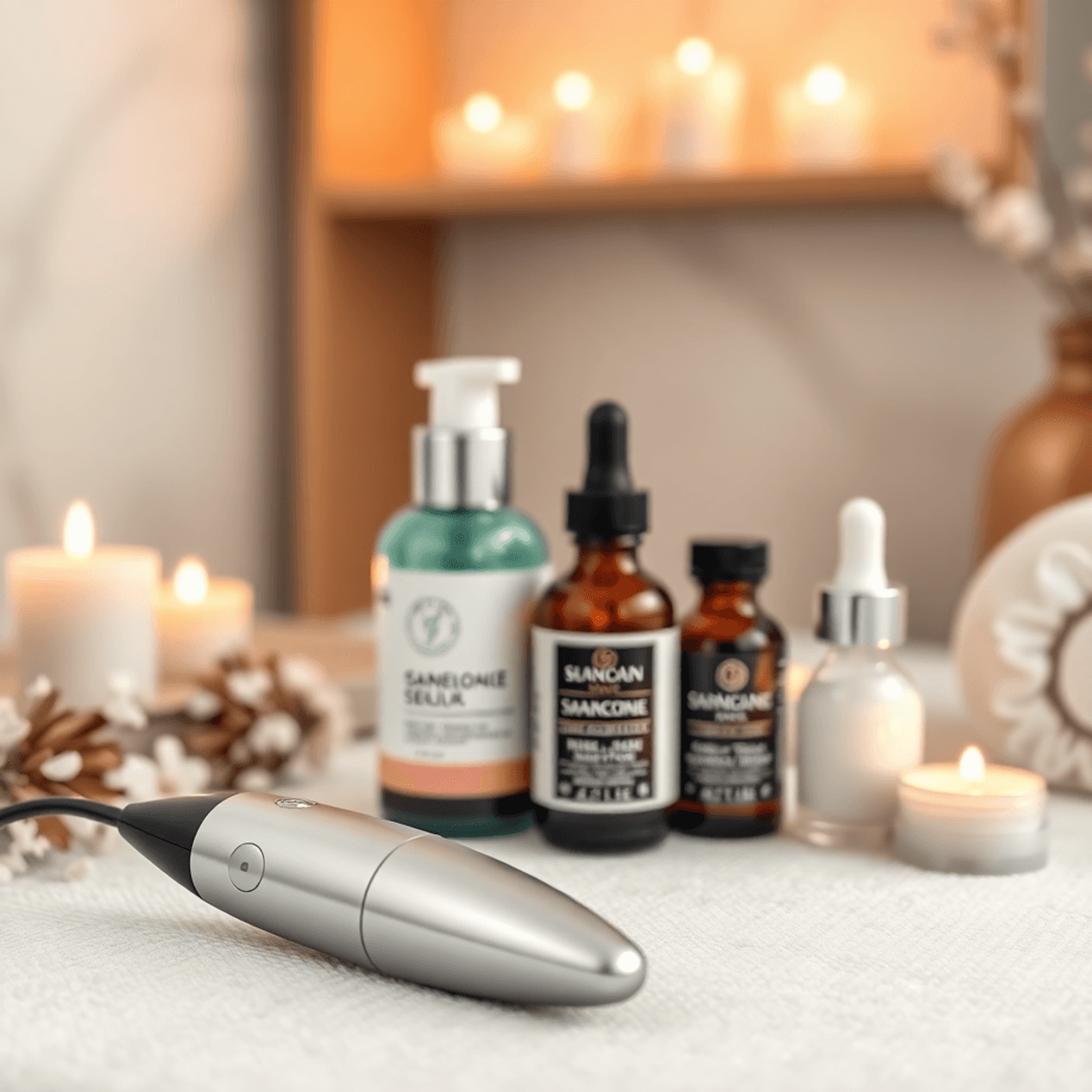
Research demonstrates that mesenchymal stem cell conditioned media contains a concentrated blend of growth factors — including VEGF, TGF-β1, and HGF — that significantly enhance fibroblast proliferation, collagen synthesis, and extracellular matrix production (PMC7904527). Bradceuticals Gold Mesenchymal Stem Cell Growth Factor Serum delivers this multi-growth-factor technology for post-procedure application, flooding freshly treated skin with concentrated regenerative signaling. Applied to damp, dewy skin immediately after your session, it provides the complete growth factor secretome your skin needs during the critical absorption window. See full details at Bradceuticals Gold Mesenchymal Stem Cell Growth Factor Serum.
What Is Microneedling at Home?
Microneedling at home involves using a handheld derma roller or microneedling pen with fine needles to create tiny punctures in the skin’s surface. These micro-injuries trigger the body’s natural wound-healing cascade, which includes increased collagen and elastin production — the structural proteins responsible for firm, smooth, youthful-looking skin.
At-home devices differ from professional equipment in needle depth, precision, and power. Professional microneedling pens used in clinical settings operate at depths up to 2.5 mm under the supervision of a licensed practitioner. Microneedling at home typically involves shorter needles — 0.25 mm to 0.5 mm — which penetrate the epidermis without reaching the deeper dermis. This shallower depth generally carries a lower risk profile, though individual results and reactions vary.
It is important to note that microneedling at home is not appropriate for everyone. Individuals with active acne, rosacea, eczema, psoriasis, open wounds, infections, or a history of keloid scarring should consult a dermatologist before attempting any form of microneedling. This article is for educational purposes only and does not replace professional medical guidance.
8 Essential Tips for Safe and Effective Microneedling at Home
1. Consult a Dermatologist Before Starting
Before beginning microneedling at home, consult with a licensed dermatologist or skincare professional. They can evaluate your skin type, assess whether microneedling is appropriate for your specific concerns, and recommend a safe needle depth and frequency. This step is especially important if you have sensitive skin, active skin conditions, or are using prescription skincare products like tretinoin.
2. Choose the Right Device and Needle Depth
For microneedling at home, derma rollers with 0.25 mm needles are generally considered appropriate for enhancing product absorption, while 0.5 mm needles may provide mild collagen stimulation. Needle depths beyond 0.5 mm are typically recommended for professional use only under clinical supervision.
When selecting a device, look for medical-grade stainless steel or titanium needles from reputable manufacturers. Avoid cheap, unregulated devices that may have uneven needle lengths or burrs that can cause unnecessary skin trauma. Replace derma roller heads regularly according to manufacturer guidelines, as dull needles increase the risk of tearing rather than puncturing the skin.
3. Prioritize Sanitation
Hygiene is critical when microneedling at home. Before every session, sanitize your derma roller or pen cartridge according to the manufacturer’s instructions. Wash your hands thoroughly. Cleanse your face with a gentle, non-exfoliating cleanser to remove all makeup, dirt, and oils. Any bacteria introduced through open micro-channels can lead to infection, breakouts, or other complications.
4. Apply the Right Serums Immediately After
The micro-channels created during microneedling at home remain open for approximately 15 to 30 minutes post-treatment, creating a window of significantly enhanced product absorption. Research confirms that active ingredients delivered through these channels achieve enhanced bioavailability compared to standard topical application (PMID: 32036009).
A clinical study found that combining topical growth factors with microneedling produced a 17.6% improvement in skin texture and a 17.3% reduction in wrinkles in three months (PMID: 34951101). Apply your serum to damp, dewy skin — not bone dry — immediately after your session. Press gently with clean fingertips. Do not rub.
Growth factor serums like Bradceuticals Gold deliver the strongest post-treatment results. Hyaluronic acid serums are also safe and effective for immediate post-treatment hydration.
5. Know What to Avoid After Your Session
When microneedling at home, avoid applying the following for at least 24 to 72 hours post-treatment: retinoids, alpha-hydroxy acids, beta-hydroxy acids, high-concentration vitamin C (above 10%), alcohol-based toners, products with synthetic fragrance or essential oils, physical exfoliants, and makeup for at least 12 to 24 hours.
These ingredients and products can cause excessive irritation, inflammation, or adverse reactions when they penetrate through open micro-channels. Stick to gentle, clean formulations during your recovery window.
6. Protect Your Skin from the Sun
After microneedling at home, your skin is significantly more photosensitive. Apply broad-spectrum mineral sunscreen (SPF 30 or higher) before any sun exposure starting 24 hours after treatment. Avoid direct sun exposure as much as possible for the first 48 to 72 hours. Zinc oxide and titanium dioxide formulations are generally better tolerated on freshly treated skin than chemical sunscreens.
Sun protection after microneedling at home is non-negotiable — UV exposure on compromised skin can cause hyperpigmentation and undermine your results.
7. Follow a Safe Frequency Schedule
Do not over-microneedle. For microneedling at home with 0.25 mm needles, once or twice per week is a commonly cited frequency. For 0.5 mm needles, spacing sessions two to four weeks apart is generally recommended to allow full healing between treatments.
More frequent sessions do not produce faster results. Over-microneedling can lead to chronic inflammation, barrier damage, and sensitized skin that becomes increasingly reactive. Always allow your skin to fully heal between sessions. If you experience prolonged redness, swelling, or irritation lasting more than 48 hours, discontinue use and consult a dermatologist. For a detailed breakdown of healing expectations, see our guide to microneedling recovery stages.
8. Build a Consistent Post-Treatment Routine
The results of microneedling at home are cumulative, not immediate. Consistent use of the right products between sessions — particularly growth factor serums — compounds collagen-stimulating benefits over time. A solid post-treatment routine includes your growth factor serum applied daily, hyaluronic acid for hydration, a gentle fragrance-free moisturizer, and daily mineral sunscreen.
Understanding the microneedling healing time stages helps you manage expectations and time your product applications correctly.
Best Serums for Microneedling at Home
The serum you apply after microneedling at home is arguably more important than the procedure itself. The right serum delivers bioactive compounds through open channels directly to the dermal layer. The wrong one can cause irritation or derail healing.
Growth Factor Serums
Growth factors orchestrate every phase of wound healing from inflammation through tissue remodeling (PMID: 19128254). Bradceuticals Gold Mesenchymal Stem Cell Growth Factor Serum delivers the full mesenchymal stem cell secretome — the complete spectrum of regenerative growth factors — for comprehensive post-treatment recovery. Apply to damp skin immediately after your microneedling at home session while channels are open. This is a post-procedure serum, not a gliding serum.
Hyaluronic Acid
Hyaluronic acid binds up to 1,000 times its weight in water and is universally recommended for post-microneedling hydration. It is safe for immediate application and provides intense moisture without risk of irritation.
Peptides
Peptides signal fibroblasts to increase collagen and elastin production through pathways distinct from growth factors. They complement growth factor serums well, providing additional collagen-stimulating signals. For more on optimal product pairing, see our guide to the best stem cell serums for microneedling.
Niacinamide
Niacinamide reduces inflammation, strengthens the skin barrier, and helps prevent post-inflammatory hyperpigmentation — making it especially valuable for microneedling at home where irritation management is critical.
Microneedling at Home vs. Professional Treatments
Both approaches work through the same biological mechanism — controlled micro-injuries that stimulate collagen production. The key differences are needle depth, precision, clinical oversight, and risk profile.
Professional treatments use motorized pens at deeper depths (1.0 mm to 2.5 mm) under sterile clinical conditions with licensed practitioners who can monitor your skin’s response and adjust treatment parameters in real time. These treatments address deeper concerns like significant acne scarring, surgical scars, and advanced photoaging.
Microneedling at home with shorter needles (0.25 mm to 0.5 mm) is generally considered a milder approach focused on enhancing product absorption and providing gentle collagen stimulation. Results are typically more gradual and subtle compared to professional treatments.
For many people, a combination approach works well — professional sessions every four to six weeks for deeper treatment, supplemented by microneedling at home between sessions for maintenance and product enhancement. Always discuss your approach with a licensed skincare professional to determine what is appropriate for your individual skin.
Frequently Asked Questions
Is microneedling at home safe? When performed with appropriate devices at shallow needle depths (0.25 mm to 0.5 mm), with proper sanitation, and on suitable skin types, microneedling at home is generally considered low risk. However, individual responses vary and consulting a dermatologist before starting is always recommended.
How often should I microneedle at home? For 0.25 mm needles, once or twice weekly is commonly cited. For 0.5 mm, every two to four weeks. Never exceed recommended frequency and always allow full healing between sessions.
What serum should I use for microneedling at home? Growth factor serums deliver the strongest results. Bradceuticals Gold Mesenchymal Stem Cell Growth Factor Serum provides the full growth factor spectrum for post-treatment application. Hyaluronic acid is also universally safe and recommended.
Does microneedling at home actually work? Research supports that microneedling stimulates collagen production and enhances product absorption. At-home devices with shorter needles provide gentler stimulation than professional treatments, with more gradual results. Consistency and proper serum selection are key to outcomes.
What needle depth should I use for microneedling at home? 0.25 mm is generally recommended for beginners and for enhancing product absorption. 0.5 mm may provide mild collagen stimulation. Depths beyond 0.5 mm are typically reserved for professional use. Always consult a dermatologist for personalized guidance.
Can microneedling at home cause scarring? When performed correctly with appropriate devices and proper technique, microneedling at home with short needles is generally considered unlikely to cause scarring. However, using too much pressure, using damaged needles, microneedling over active acne or infections, or using depths beyond your experience level can increase risk. Discontinue use and consult a professional if you experience any adverse reactions.
References
- Hou A, Cohen B, Haimovic A, Elbuluk N. Microneedling: A Comprehensive Review. Dermatol Surg. 2017;43(3):321-339. (PMID: 27755171)
- Kim SN, Lee CJ, Nam J, et al. The Effects of Human Bone Marrow-Derived Mesenchymal Stem Cell Conditioned Media on Skin Rejuvenation Characteristics. Int J Stem Cells. 2021;14(1):94-102. (PMC7904527)
- Zhu J, Tang X, Jia Y, Ho CT, Huang Q. Applications and delivery mechanisms of hyaluronic acid used for topical/transdermal delivery. Int J Pharm. 2020;578:119127. (PMID: 32036009)
- Quinlan DJ, Ghanem AM, Hassan H. Topical growth factors and home-based microneedling for facial skin rejuvenation. J Cosmet Dermatol. 2021;21(8):3469-3478. (PMID: 34951101)
- Barrientos S, Stojadinovic O, Golinko MS, Brem H, Tomic-Canic M. Growth factors and cytokines in wound healing. Wound Repair Regen. 2008;16(5):585-601. (PMID: 19128254)
Disclaimer
This article is for educational and informational purposes only and does not constitute medical advice, diagnosis, or treatment. Microneedling carries inherent risks including but not limited to infection, scarring, hyperpigmentation, and allergic reactions. Always consult a licensed dermatologist or qualified skincare professional before beginning any microneedling regimen to determine whether it is appropriate for your individual skin type and concerns. Individual results may vary. Bradceuticals products are not intended to diagnose, treat, cure, or prevent any disease. The information in this article should not be used as a substitute for professional medical advice.
Last reviewed: March 2026
About Bradceuticals : Thuy Myers is the founder of Bradceuticals which manufactures and distributes skin care and hair regrowth serums that use growth factors from human stem cells as the catalyst for regeneration. When she is not busy running the business and maintaining blogs, she is continuing her practice as a semiconductor engineer and occasionally teaches college engineering. In her free time, she enjoys the beach, working out at the gym and hanging out with her kiddo Brad.