

Many focus on needles, device depth, and frequency, yet overlook the most important step: choosing the right serums for microneedling that touch freshly-treated skin.
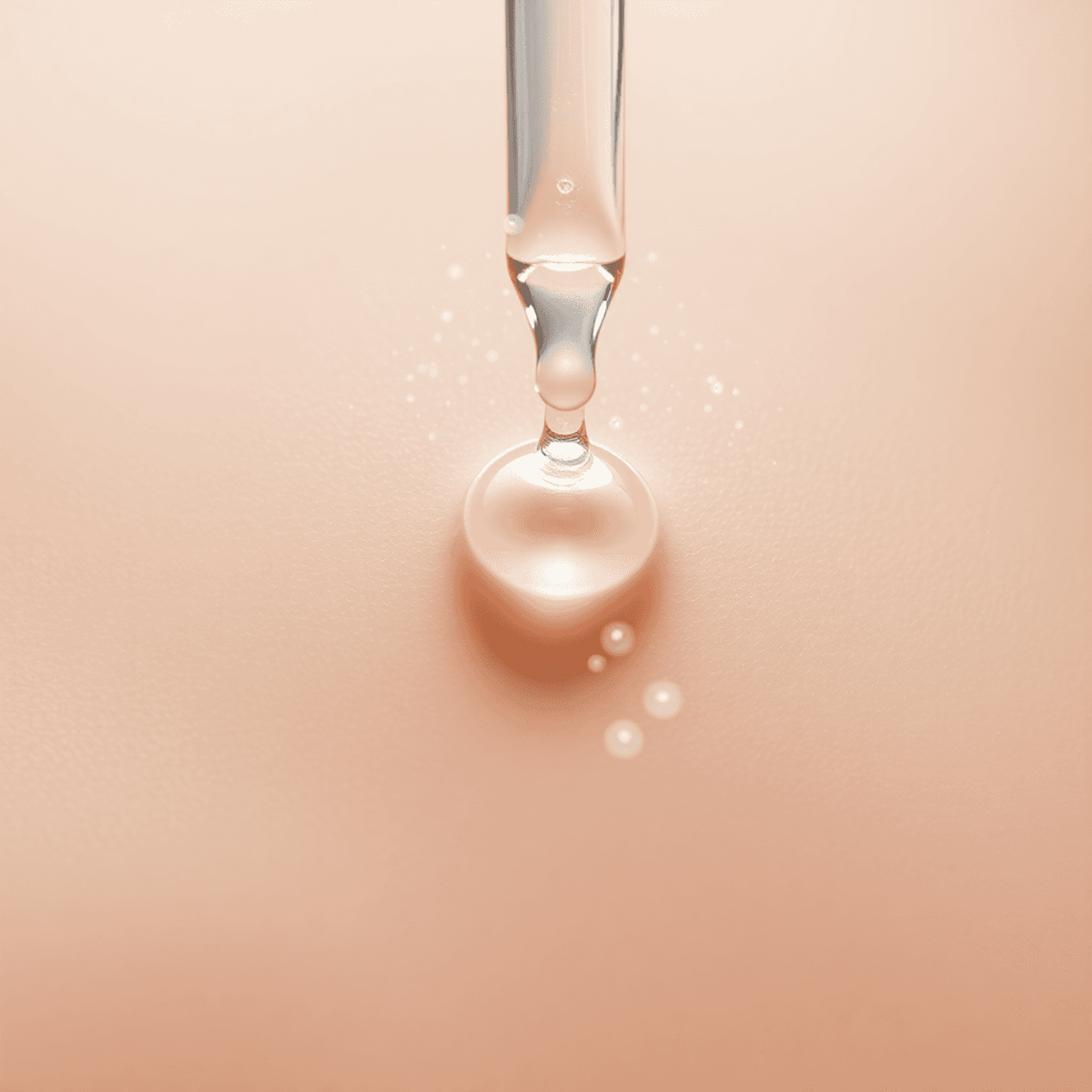
That part is the serum.
And yes, it matters more than most people think.
Why the “right” microneedling serum matters more than people think
Microneedling (dermapen or dermaroller) works by creating tiny, temporary micro-channels in the skin. Those channels are part of the collagen-induction process, but they also change how products behave. Ingredients can penetrate more than they would on intact skin.
That’s great when you’re using something safe and boring (think sterile hyaluronic acid). It’s not great when you’re applying a fragranced cocktail of botanical extracts, acids, and preservatives that normally feels “fine” on regular days.
A few expectations to set upfront:
- The “best serum for microneedling” depends on timing: what you use during needling is not always what you use after.
- It depends on your goal: hydration and comfort, anti-aging support, acne marks, pigment, or redness.
- It depends on where you’re getting microneedled: a professional microneedling treatment has sterile protocols and controlled depths; at-home needling should be much more conservative.
Quick safety note: if microneedling increases delivery, it can also increase irritation and the risk of introducing contaminants. That’s why microneedling serums should be simple, non-comedogenic, fragrance-free, and ideally packaged to reduce contamination.
If you want a “post microneedling glow” style product (something many people use after the procedure once the skin is settling), some people reach for growth-factor style formulas. A commonly mentioned option is Bradceuticals Gold Mesenchymal Stem Cell Growth Factor Serum for that post microneedling glow. However, it’s essential to remember that the same rules still apply: use it at the right time, with clean technique, and only if your skin tolerates it.
Moreover, the power of EGF serum for enhancing your microneedling results cannot be overlooked. This technique offers numerous benefits for skin health, including improved texture, firmness, and reduction of acne scars and fine lines.
Having a consistent microneedling protocol can further amplify these benefits.
What counts as a “microneedling-safe” serum (the checklist)
“Microneedling-safe” is not a regulated label, so you have to judge the product like a skeptic. Here’s the checklist I use.
1) Sterility and contamination control
This is the biggest difference between microneedling serums and normal skincare.
Better packaging choices:
- Single-use ampoules or sealed vials (best for reducing contamination)
- Airless pumps (better than open droppers for post-care)
- Avoid anything where the dropper touches skin, hands, or countertops, especially right after needling
2) Minimal ingredients, low irritation
The more ingredients, the more chances something stings, inflames, or triggers a reaction.
Green flags:
- Fragrance-free
- No essential oils
- No dyes/colorants
- Simple base with humectants and soothing ingredients
- Non-comedogenic (especially if you’re acne-prone)
3) The right “slip” and viscosity
During needling, you want glide. A serum that’s too watery dries out fast, and a serum that’s too thick can tug or pill.
For glide, a clean hyaluronic-acid style gel (or clinic-provided slip solution) usually wins.
4) Be careful with trendy terms
You’ll see labels like:
- EGF (Epidermal Growth Factor)
- “Stem cells” (often plant stem cell extracts, which are not the same as human growth factors)
- Salmon DNA / PDRN / PN
These categories vary a lot in evidence, regulation, sourcing, and sterility standards. Some clinics use growth factors in professional protocols, but at-home users should be extra cautious and prioritize clean packaging and tolerability over hype.
5) A helpful framework: “Corrective Microneedling™” thinking (without the brand obsession)
Think of microneedling as three things that must match each other:
- Controlled injury (appropriate depth, pressure, frequency)
- Controlled ingredients (sterile, low-irritant, purpose-driven)
- Controlled aftercare (barrier support first, actives later)
Use that framework as your filter and you’ll avoid most microneedling mistakes.
And again, if you’re considering a growth-factor style product in your post-care phase, people often mention Bradceuticals Gold Mesenchymal Stem Cell Growth Factor Serum for that post microneedling glow. Just keep your standards high on packaging, timing, and irritation risk.
The #1 all-around choice: hyaluronic acid serum for microneedling
If you forced dermatology offices, aestheticians, and experienced at-home users to pick one safest default, it would usually be hyaluronic acid.
Not because it’s magical, but because it’s useful in three practical ways:
- Hydration: reduces that tight, dry feeling after needling
- Slip: helps the device glide more comfortably during treatment (if your provider approves)
- Low irritation: compared with most actives, HA is generally well tolerated
What to look for in an HA serum (for microneedling use)
Keep it simple and boring.
- Fragrance-free
- Short INCI list
- Sodium hyaluronate / hyaluronic acid
- Helpful add-ons: glycerin, panthenol, beta-glucan
- If it mentions multiple molecular weights, that’s usually about texture and feel. Keep expectations realistic.
How to use HA: during vs after
- During microneedling: many professional protocols use HA for glide, but always follow provider instructions. At home, glide matters, but cleanliness matters more.
- After microneedling: HA is a go-to for the first days to reduce tightness and support comfort.
What to avoid in HA products
Some HA serums are “hydrating” in name only and packed with things you do not want pushed deeper.
Avoid HA formulas with:
- Heavy fragrance or essential oils
- Lots of botanical extracts (especially if you’re reactive)
- Exfoliating acids
- Aggressive preservatives that sting on compromised skin
Realistic outcomes
HA helps your skin feel hydrated and calm. It does not replace what microneedling actually does, which is collagen induction over time. Think comfort and recovery, not instant collagen.
Best serum picks by goal (what actually works)
Instead of chasing a new “best microneedling serum” product list every year, it’s more future-proof to choose by ingredient family + timing.
One important note: if you’re doing an in-office professional microneedling treatment, follow your provider’s ampoules and post-care instructions. Do not mix in actives because a TikTok said it “boosts results.”
For hydration + faster comfort
If your main goal is “I want my skin to calm down fast and feel normal again,” go with barrier-friendly hydration.
Best ingredient families:
- Hyaluronic acid
- Glycerin
- Panthenol (provitamin B5)
- Beta-glucan
- Aloe (only if the formula is simple and you tolerate aloe well)
Ceramides for recovery Ceramides are great for barrier support, but they’re usually better post-needling than “during,” because ceramide products tend to be more cream-like and less sterile-friendly for glide.
Sensitive-skin rule If you have sensitive skin, this is not the moment to be adventurous. Fewer ingredients equals fewer surprises.
For anti-aging + collagen support (beyond hydration)
Microneedling is already doing the heavy lifting for collagen signaling. Your serum job is to support recovery and keep inflammation controlled.
Peptides Peptide serums are popular after procedures because they’re often well-tolerated and marketed for “firmness” and “repair.”
What “signal peptides” means in practice: modest results, not a facelift in a bottle, but generally a reasonable category to explore after the initial recovery window.
Growth-factor style serums (EGF and similar) Many clinics incorporate growth factors into professional protocols. The potential upside is post-procedure support. The downside is variability in sourcing, stability, and formulation quality.
If you use this category:
- prioritize clean packaging (single-use or airless pump)
- patch test when skin is intact
- introduce it at the right time (not on freshly inflamed skin unless directed by a professional)
This is also where some people choose Bradceuticals Gold Mesenchymal Stem Cell Growth Factor Serum specifically for that post microneedling glow, typically as part of the recovery-focused phase rather than as a “during-needling slip” product.
Centella Asiatica (Cica) Cica is one of the most practical post-microneedling ingredients. It is commonly used to support calming and reduce the look of redness.
Where vitamin C fits Vitamin C can be great for long-term tone and collagen support, but timing matters:
- Avoid strong L-ascorbic acid right after needling.
- Consider gentler derivatives later if your skin is reactive.
For acne-prone skin (without triggering irritation)
If you’re acne-prone, the temptation is to treat acne immediately after microneedling. That’s usually the wrong move.
Priorities right after needling:
- Lightweight, non-comedogenic hydration
- Calm inflammation
- Avoid thick occlusives and heavy oils
Helpful options (timed correctly):
- Lightweight HA gels
- Panthenol
- Cica
- Niacinamide at low to moderate percentage (often best after early healing, not immediately)
What not to do Don’t apply acne “treatments” right after needling:
- benzoyl peroxide
- strong salicylic acid leave-ons
- harsh spot treatments
- astringent toners
Barrier first, actives later.
If breakouts and acne scarring are your main goal, results depend more on a professional plan (depth control, frequency, combination treatments, and acne management) than finding one miracle serum.
For pigment + uneven tone (careful timing)
Pigment is where people accidentally make things worse. Over-irritating recently-needled skin can increase the risk of post-inflammatory hyperpigmentation (PIH), especially if you are melasma-prone or have a history of stubborn dark marks.
The main risk to avoid Stacking brightening actives too early can trigger inflammation, which can trigger pigment.
Gentler brighteners later (not immediately after)
- Tranexamic acid (later)
- Azelaic acid (later)
- Vitamin C (timed carefully, often later)
The “real” pigment product after microneedling Sunscreen is what protects your results and reduces the chance of PIH. Keep it simple: once your provider says it’s okay to resume SPF, do it consistently. (Not a full sunscreen guide here, just the reality.)
Serums (and ingredients) to avoid after microneedling
Here’s a clear “do not apply immediately after” list. The reason is simple: your barrier is compromised and absorption is increased, so irritation risk goes up.
Avoid right after microneedling (especially first 24 to 72 hours, often longer depending on depth):
- Retinoids (retinol, tretinoin, adapalene)
- Exfoliating acids: AHA/BHA/PHAs (glycolic, lactic, mandelic, salicylic, gluconolactone)
- High % vitamin C (L-ascorbic acid)
- Benzoyl peroxide
- Strong fragrances and essential oils
- Alcohol-heavy formulas (that sting or feel “drying”)
- Exfoliating toners, peel pads, “tingly” masks
- Unknown DIY mixes and “kitchen sink” serums
Nuance: many of these ingredients are fine later. They are not “bad,” they are just high-risk when your skin is freshly needled. Reintroduce them slowly based on healing and provider guidance.
How to use a needling serum: during vs after (simple timing rules)
If you’re confused, use this simple timeline.
During treatment (dermapen serum / serum for dermaroller)
Prioritize:
- Slip (to reduce dragging)
- Sterility and clean handling
- Usually HA-based glide products or clinic-provided solutions
If you’re in-office, let the clinic control this step.
Immediately after (first 24–72 hours)
Your goals:
- hydrate
- calm
- protect barrier
Your routine should be intentionally boring:
- Gentle cleanser (or just water at first, if instructed)
- HA/soothing serum (minimal ingredients)
- Simple moisturizer
- SPF once approved by your provider (keep it brief and gentle)
After the recovery window
Once your skin looks calm and feels normal again:
- add goal-based actives gradually
- start with calming/supportive categories (cica, peptides)
- save stronger actives for last (retinoids, exfoliating acids, stronger vitamin C)
Professional microneedling serums vs at-home: what’s different (and why it matters)
This is where a lot of “best serum” advice falls apart, because professional protocols and DIY routines are not the same game.
Why professional settings get better serum outcomes
- Sterile environment
- Single-use ampoules
- Controlled depth and technique
- Candidate screening (who should not be needled)
- Better aftercare instructions
In-office “professional microneedling serums” often include:
- growth factors
- peptide complexes
- specialty ampoules designed for post-procedure use
But even then, results depend on technique and protocol as much as the serum.
At-home constraints (and what to do about them)
At-home needling comes with:
- higher contamination risk
- device hygiene variability
- inconsistent depth and pressure
So the serum strategy should be more conservative:
- simpler formulas
- safer packaging
- fewer actives
- longer recovery windows
When to stop DIY and see a professional
Consider professional help if you have:
- persistent acne scarring you can’t budge
- melasma-prone skin
- a history of PIH (especially in deeper skin tones)
- active inflammatory acne (needling at the wrong time can backfire)
Special case: microneedling for hair and scalp health (serum basics)
Scalp microneedling is its own category. The skin is different, the environment is oilier, and product runoff can irritate areas you didn’t intend to treat.
How scalp needling differs:
- irritation and itch risk can be higher
- seb derm/dandruff can flare if you overload products
- scalp products can migrate onto the forehead or face
Serum approach Right after needling, keep it simple:
- hydrating, scalp-calming bases
- avoid harsh actives immediately after
About proven hair-loss actives (like minoxidil) Timing matters. Applying minoxidil right after needling can increase irritation and absorption. Do not apply it immediately post-needling unless a clinician specifically instructs you to.
Putting it together: a simple “best serum for microneedling” routine by skin type
If you want a practical way to choose without overthinking, use these templates.
Sensitive skin
- During/after: sterile HA serum (fragrance-free)
- Post: panthenol/cica support
- Add ceramides in moisturizer for barrier recovery
- Delay all actives longer than you think you need
Dry or mature skin
- During/after: HA for comfort and hydration
- Recovery phase: consider peptides or growth-factor style serums if you tolerate them
- Reintroduce retinoids later, slowly
If you’re specifically chasing that “post microneedling glow,” this is the bucket where some people add Bradceuticals Gold Mesenchymal Stem Cell Growth Factor Serum after microneedling, once the skin is past the most reactive window.
Oily or acne-prone skin
- During/after: lightweight HA gel + soothing support
- Avoid thick, greasy occlusives
- Introduce niacinamide later if it helps you
- Avoid benzoyl peroxide and acid toners early
The big idea: consistency and recovery beat stacking lots of products.
Key takeaways (how to choose in 60 seconds)
- Start with a sterile, fragrance-free hyaluronic acid serum for microneedling. It’s the best default.
- Add goal-based options later. Peptides and cica first, stronger actives last.
- Avoid retinoids, acids, benzoyl peroxide, and high-strength vitamin C right after.
- If you’re doing a professional microneedling treatment, follow the clinic’s serum protocol and aftercare. Don’t improvise.
FAQ: Best Serum for Microneedling
What is the best serum to use immediately after microneedling?
A simple, fragrance-free hyaluronic acid serum (ideally in hygienic packaging like an airless pump or single-use vial) is usually the safest and most comfortable option immediately after microneedling.
Can I use vitamin C serum after microneedling?
Not right away in most cases. High-strength L-ascorbic acid can sting and irritate compromised skin. Many people wait until the skin has recovered, then reintroduce vitamin C slowly, sometimes starting with gentler derivatives.
Can I use niacinamide after microneedling?
Often yes, but timing matters. Low to moderate niacinamide is usually better after early healing rather than immediately post-treatment, especially if you’re sensitive. Understanding the 5 stages of microneedling healing can help you determine when it’s safe to introduce niacinamide into your skincare routine.
Are growth factor serums worth it after microneedling?
Some professional protocols use growth factors, and some users like them for post-procedure support. The quality varies a lot, so prioritize clean packaging, reputable sourcing, and introduce cautiously. If you’re considering one, many people apply products like Bradceuticals Gold Mesenchymal Stem Cell Growth Factor Serum after microneedling for a post microneedling glow, typically once the skin is calmer.
What serums should I avoid after microneedling?
Avoid retinoids, exfoliating acids (AHA/BHA/PHA), benzoyl peroxide, high-strength L-ascorbic acid, alcohol-heavy formulas, and anything with fragrance or essential oils immediately after microneedling.
Can I use my regular moisturizer after microneedling?
Often yes, as long as it’s gentle and fragrance-free, but choose simple barrier-supporting formulas and follow your provider’s guidance. If your usual moisturizer contains actives (retinoids, acids, strong vitamin C), skip it until you’re fully recovered.
Is it okay to microneedle with a serum (for slip)?
In professional settings, providers often use sterile glide products. At home, if you microneedle with a serum, it should be clean-handled, low-irritant, and ideally packaged to reduce contamination risk. HA-based glide is the most common approach.
How long after microneedling can I restart retinol?
It depends on depth and how your skin heals, but many people wait until redness, sensitivity, and dryness have fully settled. When you restart, go slow and use a lower frequency at first. When in doubt, follow your provider’s timeline.
What’s the best serum for microneedling acne scars?
The procedure (depth, frequency, and overall plan) matters more than one serum. For post-care, stick to barrier-friendly hydration early, then consider peptides, niacinamide (later), and professional guidance for scar-focused protocols.
Do I need a “professional microneedling serum,” or is drugstore HA enough?
A well-formulated, fragrance-free HA serum is often enough for at-home recovery and is commonly used even around professional treatments. “Professional” serums may include growth factors or peptide complexes, but they are most beneficial when used within a controlled clinical protocol.
FAQs (Frequently Asked Questions)
Why is choosing the right microneedling serum more important than people think?
Microneedling creates temporary micro-channels in the skin that significantly increase serum penetration. This means the choice of serum ingredients and sterility is crucial to avoid irritation and maximize benefits, unlike normal skincare where penetration is less intense.
What defines a ‘microneedling-safe’ serum?
A microneedling-safe serum is sterile or comes in single-use ampoules, has minimal and low-irritant ingredients, contains no fragrance, essential oils, or dyes, is non-comedogenic, and has an appropriate viscosity for good slip during application. Packaging like single-use ampoules or pump bottles helps reduce contamination.
Why is hyaluronic acid considered the #1 all-around choice for microneedling serums?
Hyaluronic acid (HA) provides hydration, offers excellent slip during treatment to enhance comfort, supports barrier recovery post-treatment, and has low irritation potential. Fragrance-free HA serums with simple ingredients like sodium hyaluronate, glycerin, and panthenol are ideal for use during and after microneedling.
What serums are best for hydration and faster comfort after microneedling?
Top ingredients include hyaluronic acid, glycerin, panthenol, beta-glucan, and low-allergen aloe. Ceramides are especially beneficial post-needling for barrier support. For sensitive skin, simpler formulas with fewer ingredients reduce the risk of irritation.
Which serums are recommended for anti-aging and collagen support in microneedling treatments?
Effective ingredient families include peptides (signal peptides), Epidermal Growth Factors (EGF), human growth factors, Centella Asiatica (Cica), and vitamin C. These support collagen induction beyond hydration but should be used according to professional protocols to avoid mixing actives improperly.
What safety precautions should be taken when applying serums after microneedling?
Since microneedling increases serum absorption depth, it’s important to avoid irritating or contaminated formulas. Use simple, non-comedogenic, fragrance-free serums packaged to minimize contamination (like single-use ampoules). Always follow professional guidance especially for potent actives to ensure safe post-care.
Reference articles
https://pmc.ncbi.nlm.nih.gov/articles/PMC10220215
https://www.dr-pen.co.uk/product-category/serum
#microneedlingserum #microneedlingcare #microneedlingresults #skinboostingserum #postmicroneedling #skinrecovery #skinregeneration #serumformulated #professionalserum #advancedskincare #clinicalskincare #skinbarrierrepair #hydrationboost #skinrenewalserum #aestheticsskincare #medspaskincare #skintreatmentcare #skincarescience #skinhealing #glowingskinroutine #dermarollerresults #collagenboosting #skintextureimprovement #skincaretips #skincareeducation #skincareexperts #healthyglow #skincarecommunity
Disclaimer:
The information provided in this article is for general informational and educational purposes only and is not intended to constitute medical, dermatological, or professional advice. The content should not be relied upon as a substitute for consultation with a qualified dermatologist or other licensed healthcare professional. Individual results may vary. Always seek the advice of a qualified medical professional before beginning or modifying any skincare treatment or regimen. The author and publisher assume no responsibility or liability for any injury, loss, or adverse effects resulting from the use or reliance on the information contained herein.
About Bradceuticals : Thuy Myers is the founder of Bradceuticals which manufactures and distributes skin care and hair regrowth serums that use growth factors from human stem cells as the catalyst for regeneration. When she is not busy running the business and maintaining blogs, she is continuing her practice as a semiconductor engineer and occasionally teaches college engineering. In her free time, she enjoys the beach, working out at the gym and hanging out with her kiddo Brad.